
Have you ever wondered if spaying your dog could change how they act? You’re not alone.
Many pet owners ask this question because they want the best for their furry friends. Understanding what spaying really does to your dog’s behavior can help you make the right choice. You’ll discover the surprising ways spaying might affect your dog’s mood, energy, and habits.
Keep reading to find out what to expect and how to prepare for these changes. Your dog’s happiness and health could depend on it.
Behavior Changes After Spaying
Spaying a dog can lead to changes in her behavior. These changes are often linked to hormones that affect mood and energy.
Understanding these shifts helps owners provide better care and attention during recovery and beyond.
Common Behavioral Shifts
After spaying, dogs may show different behaviors. These can include changes in how they interact with people and other pets.
- Less roaming or searching for mates
- Reduced marking or spraying indoors
- Lower interest in mounting behaviors
- Possible changes in appetite or sleeping patterns
Aggression And Calmness
Spaying often lowers hormone levels linked to aggression. Many dogs become calmer and less likely to show dominance.
| Behavior | Before Spaying | After Spaying |
| Aggression | May be higher during heat | Usually reduced |
| Calmness | Varies with cycle | Often more consistent |
| Fearfulness | Can be unpredictable | May decrease or stay the same |
Activity Level Adjustments
Spaying can affect a dog’s energy. Some dogs become less active while others stay the same or even increase playfulness.
Here are common activity changes seen after spaying:
- Lowered drive to roam or escape
- Reduced hyperactivity in some dogs
- Possible weight gain due to lower metabolism
- Need for adjusted exercise routines
Credit: southeastoakvillevet.ca
Hormonal Impact On Behavior
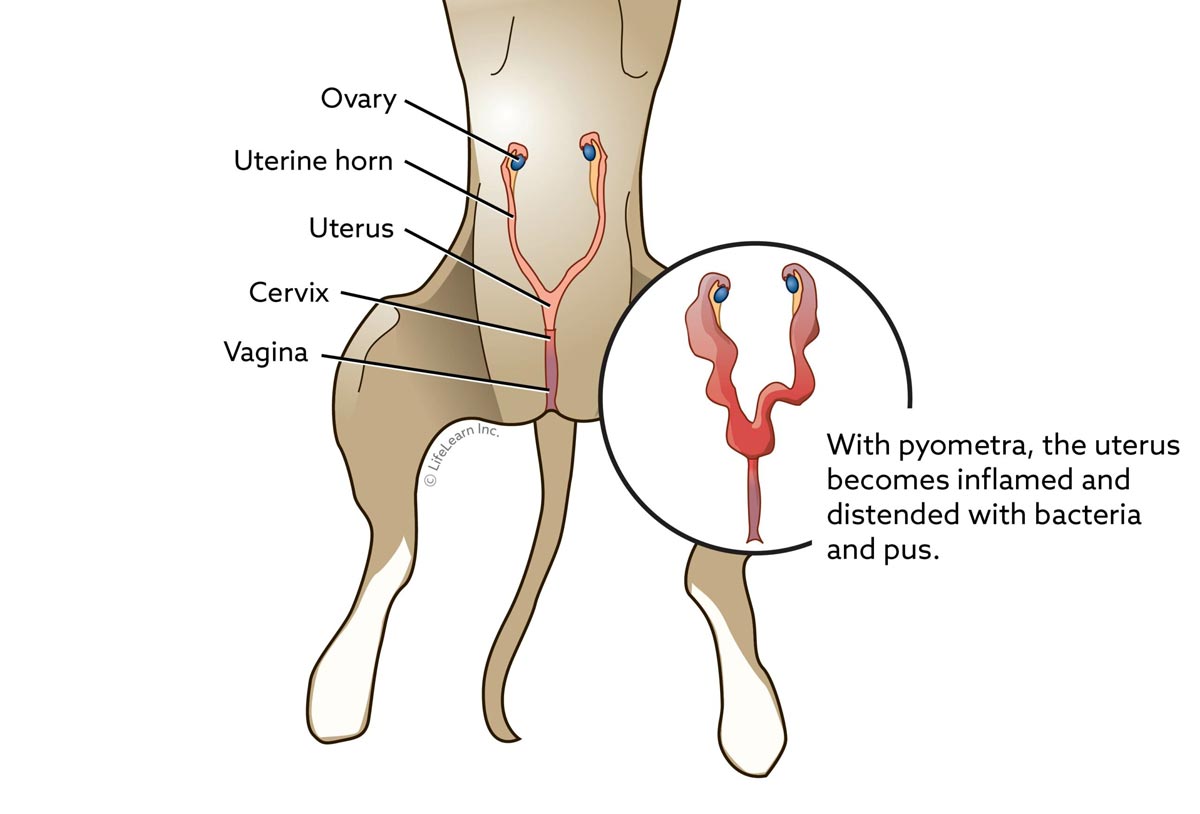
Spaying a dog removes her ovaries, which changes hormone levels. Hormones affect how dogs act and feel.
Understanding how hormones change can help explain behavior shifts after spaying.
Role Of Estrogen
Estrogen is a key hormone in female dogs. It controls the reproductive cycle and many body functions.
After spaying, estrogen levels drop sharply. This drop changes some behaviors linked to the hormone.
- Estrogen helps regulate energy levels.
- It influences how dogs respond to stress.
- Estrogen affects social behaviors like bonding.
- It plays a part in anxiety and calmness.
Effects On Mood And Temperament
Lower estrogen after spaying can change mood and temperament. Some dogs may feel calmer.
Others might show less interest in activities or play. These changes vary by dog.
| Behavior | Possible Change After Spaying |
| Activity Level | Often decreases |
| Calmness | Usually increases |
| Social Interaction | May reduce or stay the same |
| Anxiety | Can decrease or remain unchanged |
Myths Vs Reality
Many people believe spaying a dog will change its behavior. Some myths create confusion for pet owners.
Understanding the reality helps in making informed decisions. Let’s explore common myths and realities.
Spaying And Hyperactivity
Many think spaying leads to hyperactivity in dogs. This is not always true. Spaying does not directly cause more energy.
- Some dogs may seem more active post-surgery, but it’s temporary.
- Spaying can reduce certain behaviors linked to mating.
- Training helps manage energy levels effectively.
Weight Gain Concerns
Another common concern is weight gain after spaying. It is important to monitor diet and exercise.
| Factor | Effect |
| Diet | Can influence weight gain |
| Exercise | Helps maintain healthy weight |
| Metabolism | May slow slightly post-spay |
Changes In Affection Levels
Some believe spaying affects how affectionate a dog is. Most dogs remain just as loving as before.

Credit: www.reddit.com
Age And Timing Factors
Spaying a dog can affect its behavior. The dog’s age and the timing of the surgery play important roles.
Understanding these factors helps owners make better choices about when to spay their dogs.
Spaying Puppies Vs Adults
Puppies usually heal faster after spaying than adult dogs. Their bodies adjust more easily to hormone changes.
Adult dogs may show different behavior changes because they have lived with certain habits longer. Spaying can affect these habits differently.
- Puppies may have less aggressive behavior after spaying.
- Adult dogs might show less roaming or marking behavior.
- Older dogs might need more time to adjust after surgery.
Behavioral Outcomes Based On Timing
Timing of spaying affects how much behavior changes. Early spaying can prevent some unwanted behaviors.
Spaying later may not stop behaviors already learned, but it can reduce risks like aggression or roaming.
- Spaying before the first heat reduces chances of some behaviors.
- Spaying after sexual maturity may still lower risk of certain issues.
- Delaying spaying can increase chance of behaviors like marking or aggression.
Training And Environment Influence
Spaying a dog may affect its behavior, but it is not the only factor. Training and environment also play key roles in shaping a dog's behavior.
Understanding how consistent training and home environment impact behavior can help owners manage changes effectively.
Role Of Consistent Training
Training helps dogs understand what is expected of them. Consistency in training creates a reliable routine for your dog.
When training is consistent, dogs learn commands faster and behave better. This makes it easier to manage any changes after spaying.
- Use the same commands every time
- Reward good behavior promptly
- Practice training daily
Impact Of Home Environment
The home environment can influence a dog’s behavior significantly. A calm and stable environment helps dogs feel secure.
Changes in the home, like new pets or people, can affect a dog’s behavior. After spaying, maintaining a peaceful home helps manage behavioral changes.
- Keep a regular schedule for feeding and walks
- Provide a quiet space for rest
- Minimize loud noises and disruptions
Health Benefits Related To Behavior
Spaying a dog can lead to many health benefits that affect behavior. These benefits help dogs live happier and healthier lives.
Understanding these health benefits can explain why spayed dogs often show positive behavior changes.
Reduced Risk Of Certain Diseases
Spaying lowers the chance of some serious diseases. It stops dogs from getting infections in their reproductive organs.
This helps dogs feel better and less stressed. A healthy dog often behaves in a calm and friendly way.
- Eliminates risk of uterine infections
- Reduces chance of breast tumors
- Prevents ovarian and uterine cancers
Long-term Wellness Effects
Spaying supports long-term health and wellness. Healthy dogs tend to show less aggressive and anxious behavior.
Over time, spayed dogs often have more stable moods and better social skills with people and other pets.
- Helps maintain a healthy weight
- Reduces hormone-driven behaviors
- Supports a longer, healthier life
What Owners Should Expect
Spaying a dog can lead to changes in her behavior. It is important for owners to know what to expect during this time.
Understanding these changes helps owners support their dogs after surgery and keep them comfortable.
Preparing For Behavior Changes
Before spaying, owners should prepare for some shifts in their dog’s mood and habits. These changes can be mild or more noticeable.
- Dogs may become calmer and less restless.
- Some dogs show less interest in marking territory.
- Appetite can increase or decrease temporarily.
- Energy levels might drop for a few days after surgery.
- Changes in social behavior, like being more or less friendly, can happen.
Managing Post-spay Adjustments
After spaying, owners should watch their dog’s behavior and health closely. Adjustments at home help the dog heal and adapt.
| Behavior | What to Expect | How to Help |
| Calmness | More restful, less hyperactive | Give quiet time and a cozy space |
| Appetite | May change, often increases | Feed balanced meals and watch portions |
| Energy | Lower energy for days after surgery | Limit play and exercise temporarily |
| Socializing | May be more clingy or withdrawn | Offer gentle affection and patience |

Credit: www.reddit.com
Frequently Asked Questions
Does Spaying Calm A Dog’s Aggressive Behavior?
Spaying can reduce aggression linked to hormonal changes. It may make dogs less territorial and irritable. However, behavior depends on training and environment too. Spaying alone does not guarantee complete behavior change.
How Soon After Spaying Does Behavior Change?
Behavior changes typically appear within weeks after spaying. Hormonal shifts start quickly, affecting mood and energy. Some dogs show gradual improvements, while others adjust faster. Patience and consistent care support positive behavior.
Will Spaying Reduce A Dog’s Anxiety Levels?
Spaying may lower anxiety tied to hormone fluctuations. It can help reduce stress during heat cycles. Yet, anxiety often involves multiple factors needing training or therapy. Spaying is one step toward calmer behavior.
Can Spaying Affect A Dog’s Energy And Playfulness?
Spaying often reduces excess energy linked to reproductive hormones. Dogs may become calmer and less hyperactive. However, many remain playful and active post-spay. Exercise and mental stimulation keep dogs healthy and happy.
Conclusion
Spaying a dog can bring changes in behavior, but not always. Many dogs become calmer and less aggressive after spaying. Some may still act the same as before. It depends on the dog’s personality and age. Spaying helps prevent health issues and unwanted puppies.
Watching your dog closely after the surgery is important. Give time for adjustment and love. Each dog reacts differently. Understanding these changes helps you care better for your pet. Spaying is one step toward a happier, healthier dog.

Emily Barker is the founder of ChillDogLife.com, a space dedicated to helping pup parents discover the best dog products, lifestyle tips, and cozy ideas for happier homes.
A lifelong dog lover, Emily combines her passion for pets with a knack for research to share trusted recommendations on everything from toys and furniture to health and everyday care.
Her goal is simple: to make life easier, stylish, and more joyful for dogs and the people who love them.




