
Are you wondering if spaying your dog will change how she acts? It’s a question many pet owners ask before making this important decision.
You want to do what’s best for your furry friend, but you also want to know what to expect afterward. Will she become calmer, more aggressive, or just the same as before? Understanding how spaying can affect your dog’s behavior can help you feel confident and prepared.
Keep reading to discover the surprising facts about spaying and your dog’s personality.

Credit: www.reddit.com
Behavioral Changes After Spaying
Spaying can cause changes in a dog's behavior. These changes happen because of hormonal shifts. Understanding these helps owners care for their pets better.
Each dog reacts differently after spaying. Some behaviors may improve, while others may appear new. Let’s explore common changes.
Activity Level Shifts
Many dogs show changes in activity after spaying. Some become less energetic, while others keep their usual pace. This shift links to hormone changes that affect metabolism and energy.
- Some dogs may rest more than before.
- Others might still play actively with no change.
- Weight gain can happen if activity drops but eating stays the same.
Aggression And Calmness
Spaying can reduce aggressive behavior in many dogs. Lower hormones often lead to calmer moods. This change helps dogs feel less restless and more relaxed around people and animals.
| Behavior | Before Spaying | After Spaying |
| Aggression | Possible higher levels | Often reduced |
| Calmness | Varies by dog | Generally increased |
| Restlessness | Sometimes high | Usually lower |
Anxiety And Fear Responses
After spaying, some dogs may show less anxiety. Others might feel more nervous at first. This change depends on the dog’s personality and environment.
Tips to help reduce anxiety after spaying:
- Give a calm and safe space for recovery.
- Maintain regular routines to comfort your dog.
- Use gentle petting and soothing voices.
- Avoid loud noises and stressful situations.
Hormonal Impact On Behavior
Spaying a dog removes the ovaries and uterus. This changes the hormones in her body.
Hormones like estrogen and testosterone affect how dogs act. These changes can affect behavior.
Role Of Estrogen And Testosterone
Estrogen is a hormone found mostly in female dogs. It helps control the heat cycle and some behaviors.
Testosterone is mainly in male dogs but is also in females in smaller amounts. It affects energy and aggression.
- Spaying lowers estrogen and testosterone levels in females.
- Lower hormones can reduce mating behaviors.
- It can also change how active or calm a dog is.
Effects On Mood And Temperament
After spaying, many dogs may seem calmer. This happens because hormone levels drop.
Some dogs might feel less anxious or less aggressive. But others may not change much.
- Reduced hormones can lower irritability.
- Mood swings linked to heat cycles may stop.
- Temperament may become more stable over time.
Common Myths About Spaying
Spaying dogs can lead to many misconceptions. Some people think it changes a dog’s behavior in negative ways. Let’s look at some common myths about spaying.
Understanding these myths helps pet owners make informed decisions. It’s important to know the truth about how spaying affects dogs.
Weight Gain Misconceptions
Many believe spaying causes dogs to gain weight. This is not entirely true. Weight gain is often due to overeating and lack of exercise.
Spaying does not slow metabolism. It is important to feed dogs properly and ensure they get enough exercise.
- Feed balanced meals
- Provide daily exercise
- Monitor portion sizes
Loss Of Playfulness
Some think spaying makes dogs less playful. This is not usually the case. Dogs often remain just as active and playful as before.
Playfulness is more related to a dog’s personality and environment. Regular playtime keeps dogs happy and healthy.
- Engage in interactive games
- Use toys for mental stimulation
- Spend time outdoors
Changes In Affection Levels
People worry that spaying changes a dog’s affection levels. This is a myth. Spaying does not alter a dog’s love for its owner.
Dogs continue to show affection as they did before. Building a strong bond with your dog is key to maintaining affection.
- Spend quality time together
- Offer positive reinforcement
- Maintain a routine
Spaying And Training Outcomes
Spaying is a common surgery that removes a female dog’s reproductive organs. Many dog owners wonder if spaying changes their dog's behavior.
One key area affected by spaying is how dogs respond to training. This article looks at spaying’s impact on focus, obedience, and behavior challenges.
Improved Focus And Obedience
Spaying can reduce distractions caused by heat cycles. Dogs often become more focused on training tasks without this hormonal influence.
Many owners see better obedience after spaying. The dog may listen and respond more quickly during training sessions.
- Less roaming behavior during heat
- Reduced aggression linked to hormones
- More attention on commands and tasks
Challenges In Behavior Modification
Spaying does not fix all behavior problems. Some dogs may still show fear, anxiety, or stubbornness.
Training still requires patience and consistency. Spaying alone is not a solution for bad habits.
- Behavior issues unrelated to hormones remain
- Some dogs need extra training support
- Early socialization helps with behavior
Age And Timing Factors
Spaying can change dog behavior in many ways. The age when a dog is spayed plays a big role.
Timing affects hormones and how dogs act after surgery. It is important to understand these effects.
Early Vs. Late Spaying Effects
Early spaying happens before six months of age. It often lowers some behaviors like marking and roaming.
Late spaying happens after the dog reaches sexual maturity. It may allow some adult behaviors to develop.
- Early spaying can reduce aggression linked to hormones
- Late spaying may not change some adult behavior patterns
- Both can lower the risk of unwanted pregnancies
- Timing may affect anxiety and activity levels differently
Breed-specific Behavioral Responses
Different breeds react to spaying in unique ways. Some breeds show bigger behavior changes than others.
For example, herding breeds may become less restless after spaying. Hunting breeds might keep strong instincts.
- Herding dogs often calm down after spaying
- Working breeds may keep high energy levels
- Small breeds sometimes show less anxiety after spaying
- Large breeds may have less marking and roaming
Credit: hfu.hollywoodfeed.com
Health Benefits Influencing Behavior
Spaying your dog can change its behavior in many positive ways. One big reason is the health benefits it brings. Healthy dogs often act calmer and more relaxed.
When dogs are free from certain health risks, they feel better and show fewer signs of stress or aggression. Let’s look at how spaying helps by reducing disease risks and supporting a longer, healthier life.
Reduced Risk Of Certain Diseases
Spaying lowers the chance of your dog getting some serious diseases. This can help keep your dog happier and less anxious.
- Stops uterine infections that cause pain and mood changes
- Prevents breast tumors, which can affect energy and behavior
- Eliminates the risk of ovarian cancer
- Reduces hormone-driven behaviors like roaming or marking
Impact On Lifespan And Vitality
Spayed dogs tend to live longer and stay active. This can lead to better moods and less aggressive behavior.
| Benefit | Effect on Behavior |
| Longer Lifespan | More time to enjoy calm and happy life |
| Better Energy Levels | More playful and less stressed |
| Lower Risk of Illness | Less pain, fewer mood swings |
Owner Experience And Expectations
Spaying a dog can affect her behavior in different ways. Owners often wonder how their dog’s personality might change after the surgery.
Understanding these changes helps set the right expectations. It also guides owners in supporting their pets through the transition.
Adjusting To Behavioral Shifts
After spaying, some dogs may become calmer. This shift is due to hormonal changes. It may take a few weeks to notice these changes.
Some dogs might show increased appetite or reduced energy. These changes are normal, but it’s important to keep an eye on them.
- Monitor her food intake to prevent weight gain
- Encourage regular exercise to maintain her health
- Be patient as she adjusts to her new energy levels
Supporting Your Dog Post-spaying
After the surgery, your dog needs special care. Comfort and attention help her recover well.
Provide a quiet space for her to rest. Keep her environment calm and stress-free to aid in her healing process.
| Task | Details |
| Check her incision | Look for redness or swelling daily |
| Limit activity | Prevent jumping or running for two weeks |
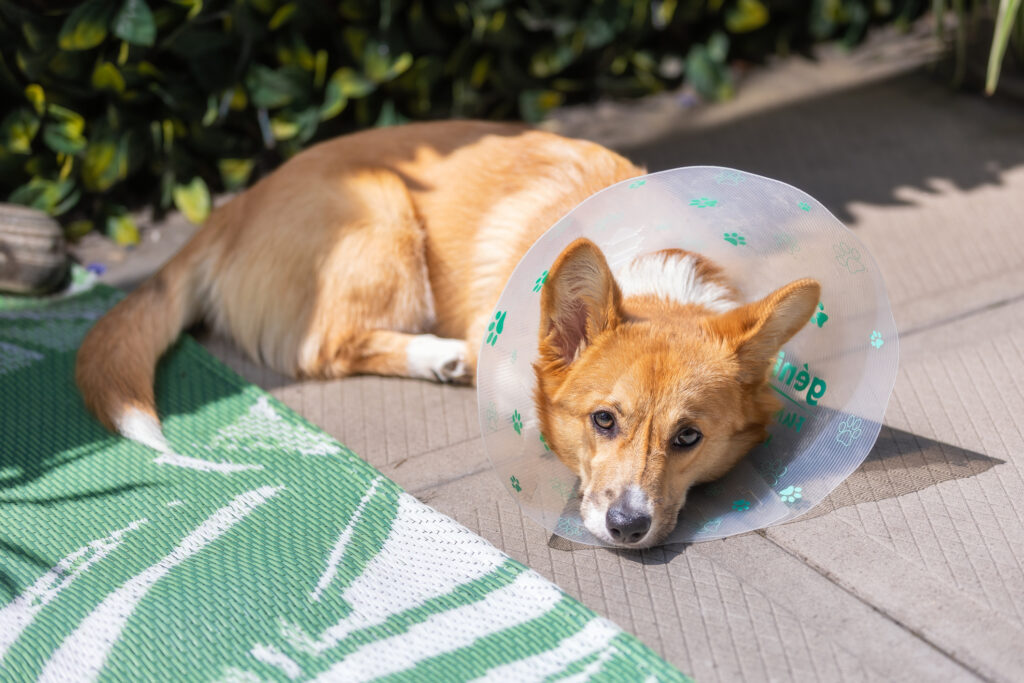
| Use a cone | Stop her from licking the incision |

Credit: askavet.com
Frequently Asked Questions
Does Spaying Reduce Aggressive Behavior In Dogs?
Spaying can reduce aggression caused by hormonal fluctuations. It often calms female dogs, making them less territorial and irritable. However, behavior changes vary by individual. Training and socialization remain important for managing aggression.
How Soon After Spaying Does Behavior Change?
Behavior changes can begin within days to weeks after spaying. Hormonal shifts affect mood and activity levels quickly. Full behavioral adjustments may take a few months, depending on the dog’s age and personality.
Can Spaying Affect A Dog’s Energy Levels?
Yes, spaying often lowers a dog’s energy levels. Reduced hormones lead to decreased activity and restlessness. This can make dogs calmer, but regular exercise is still essential for health.
Will Spaying Stop My Dog From Roaming?
Spaying reduces the urge to roam linked to heat cycles. Female dogs are less likely to escape in search of mates. However, some dogs may still roam due to other reasons like curiosity or boredom.
Conclusion
Spaying can affect dog behavior in several ways. Many dogs become calmer and less aggressive. It often reduces roaming and marking inside the house. Some dogs may gain weight if not exercised well. Each dog reacts differently after spaying surgery.
Talk to your vet about what to expect. Understanding these changes helps you care for your dog better. Spaying is a good choice for health and behavior. Keep watching your dog’s habits after the surgery. You’ll notice the positive changes soon.

Emily Barker is the founder of ChillDogLife.com, a space dedicated to helping pup parents discover the best dog products, lifestyle tips, and cozy ideas for happier homes.
A lifelong dog lover, Emily combines her passion for pets with a knack for research to share trusted recommendations on everything from toys and furniture to health and everyday care.
Her goal is simple: to make life easier, stylish, and more joyful for dogs and the people who love them.




