Are you tired of your dog’s constant barking and wondering if a muzzle could be the simple fix you need? You’re not alone.
Barking can be frustrating, especially when it disrupts your peace or annoys your neighbors. But before you grab a muzzle, it’s important to understand how it really works and whether it will stop your dog from barking without causing harm.
Keep reading to discover the truth about muzzles and find out what might be the best solution for you and your furry friend.
Credit: newschoolsyracuse.org
How Muzzles Affect Barking
Understanding how muzzles affect your dog’s barking can help you decide if this tool is right for your situation. Muzzles don’t simply silence dogs; their impact varies depending on the type and fit. You might be surprised to learn how different muzzles change a dog’s ability to vocalize and what limitations you should keep in mind.
Types Of Dog Muzzles
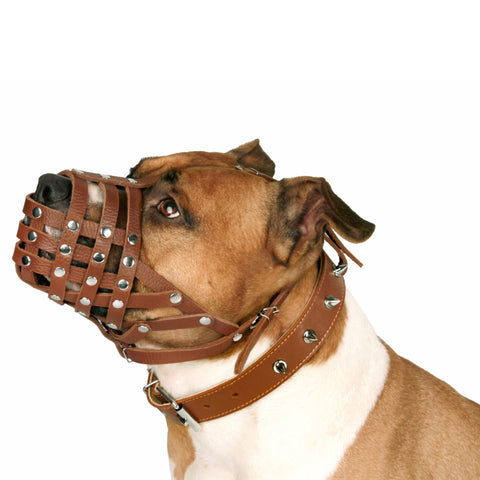
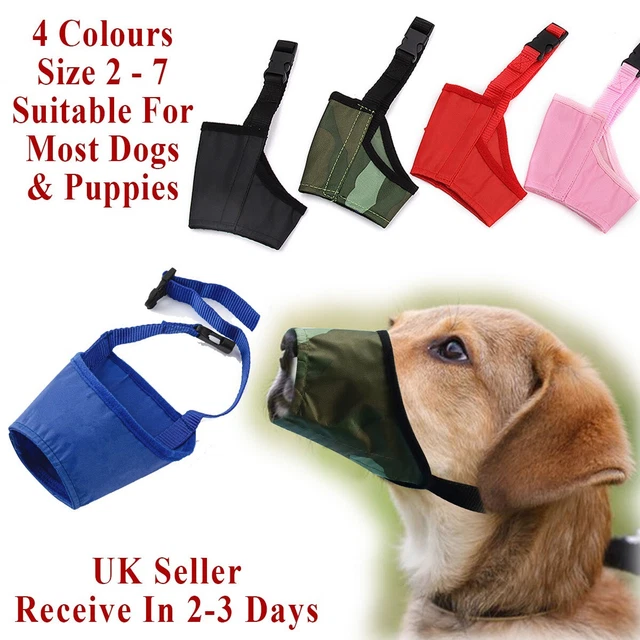
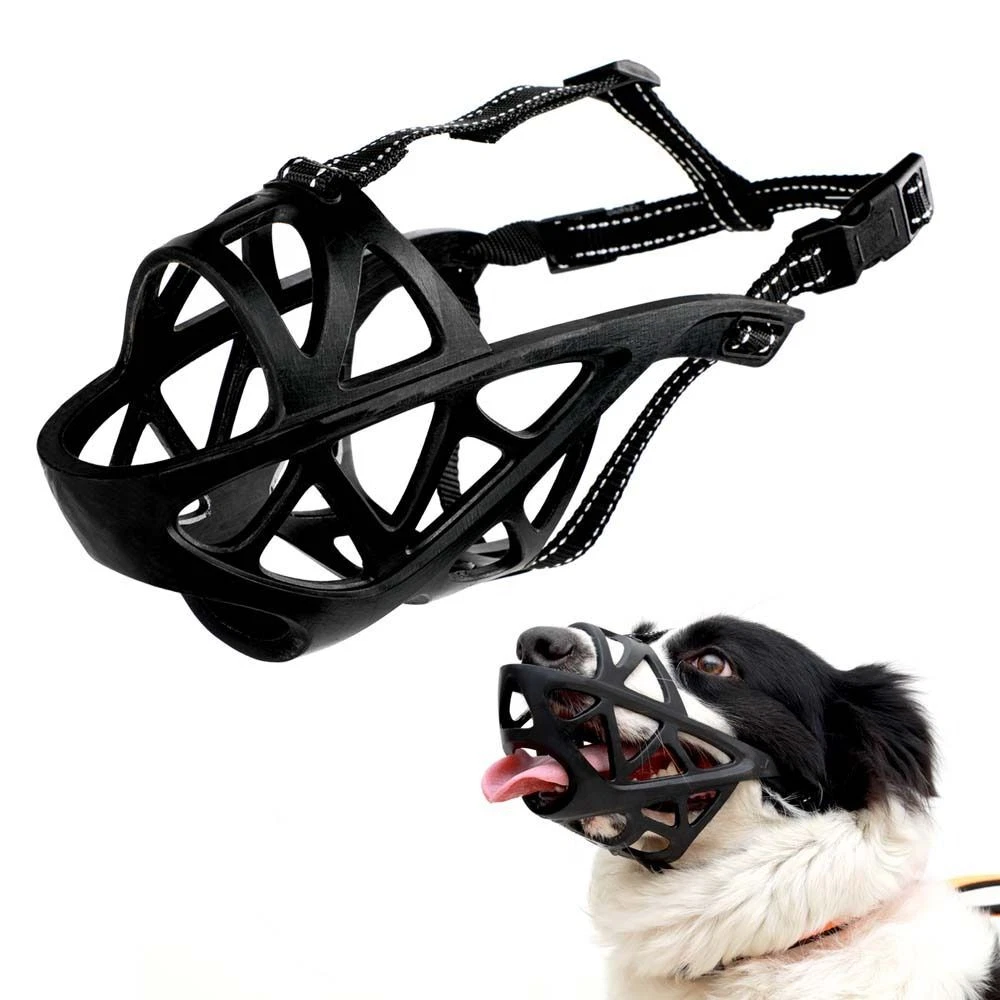
There are several types of muzzles designed for different purposes. Basket muzzles allow dogs to open their mouths slightly, enabling panting and limited barking. Soft muzzles, often made of fabric, restrict mouth movement more tightly and usually prevent barking altogether.
Choosing the right muzzle depends on what you want to achieve. For example, if your dog needs to breathe and pant comfortably but you want to reduce barking, a basket muzzle might be the best choice. If stopping barking entirely is critical, a soft muzzle might do the job, but it comes with other considerations.
Physical Impact On Barking
Muzzles physically limit how a dog can move its jaws and tongue. This restriction directly affects barking since a dog needs to open its mouth to vocalize fully. Basket muzzles limit barking but do not stop it completely, while soft muzzles can effectively silence a dog by holding the mouth shut.
However, restricting barking is not the same as addressing why your dog barks. Have you noticed if your dog becomes more anxious or tries harder to bark when muzzled? This reaction can happen because the dog feels frustrated or misunderstood.
Limitations Of Muzzles
Muzzles are not a magic fix for barking issues. They do not teach your dog when it is appropriate to bark or why excessive barking can be a problem. Instead, they only stop the behavior temporarily while the muzzle is worn.
Also, muzzles can cause discomfort or stress if used improperly. If your dog cannot pant or drink water easily, this can lead to health problems. Think about whether you are ready to manage these risks before using a muzzle to control barking.

Credit: collardirect.com
Alternatives To Muzzles For Bark Control
Muzzles may reduce barking by limiting the dog’s mouth, but they do not address the root cause. Training, distraction, and exercise often work better for long-term bark control. These alternatives help dogs stay calm without discomfort or stress.
Muzzles can be an effective tool for managing excessive barking in dogs, but they’re not always the most comfortable or practical solution. If you’re seeking alternatives, there are several strategies that can help curb your dog’s barking without the use of a muzzle. By understanding and addressing the underlying causes of barking, you can foster a quieter, more harmonious environment for both you and your furry friend.Behavioral Training Techniques
Behavioral training techniques are a long-term solution to excessive barking. Start by identifying what triggers your dog’s barking. Is it the doorbell, passing cars, or maybe even boredom? Once you know the trigger, you can work on desensitizing your dog to it. Set aside a few minutes each day for training sessions. Use commands like “quiet” or “enough” consistently. Reward your dog when they stop barking in response to your cue. With patience and persistence, these training sessions can significantly reduce unnecessary barking.Use Of Positive Reinforcement
Positive reinforcement is a powerful tool in your training arsenal. Instead of punishing your dog for barking, reward them for good behavior. This approach encourages your dog to associate being quiet with positive outcomes. Keep a stash of your dog’s favorite treats handy. When they exhibit calm behavior during a typically noisy situation, reward them immediately. This not only builds trust but also fosters a positive learning environment.Anti-bark Collars
If training and reinforcement aren’t enough, anti-bark collars might be another option. These collars often use sound, vibration, or a gentle spray to deter barking. Before using one, make sure it’s safe and comfortable for your dog. Research different types of collars and read reviews from other pet owners. Remember, collars should be a last resort after trying training and reinforcement. They can be effective, but should always be used with caution and care for your pet’s well-being. Each of these alternatives offers a different approach to managing barking, and the right choice depends on your dog’s unique needs and your lifestyle. Have you tried any of these methods before, and if so, what worked best for you?Choosing The Right Solution For Your Dog
Choosing the right solution for your dog’s barking takes careful thought. Not every dog responds the same way to a muzzle or other tools. Finding a method that works well means understanding your dog’s needs and behavior. Comfort and safety must always come first. A good approach helps your dog stay calm and happy while reducing unwanted barking.
Assessing Your Dog’s Barking Triggers
Start by watching what makes your dog bark. Some dogs bark at strangers, noises, or boredom. Others react to other animals or being left alone. Knowing the cause helps pick the best way to manage barking. Write down when and why barking happens. This clear picture guides your next steps.
Considering Your Dog’s Comfort
Comfort matters a lot. A muzzle must fit well and not hurt your dog. Some muzzles allow panting and drinking. Others may feel tight or scary. Choose a muzzle made of soft, breathable material. Let your dog try it in short sessions first. Watch for signs of stress or discomfort.
Consulting A Professional Trainer
A trainer offers expert advice. Trainers understand dog behavior and effective methods. They can suggest better tools or training plans. Trainers help you teach your dog calmness without pain. Their guidance ensures safety for both dog and owner. Training support makes a big difference in success.
Credit: namibian.com.na
Safety And Ethical Concerns
Using a muzzle to stop a dog from barking raises important safety and ethical questions. Muzzles can protect others but might cause discomfort or stress to the dog. Understanding these concerns helps owners make better choices for their pets.
Potential Risks Of Using Muzzles
- Muzzles can cause breathing difficulties if not fitted properly.
- Dogs may feel anxious or scared wearing a muzzle.
- Long-term use can lead to skin irritation or injuries.
- Muzzles do not address the root cause of barking behavior.
- Improper use can harm the bond between dog and owner.
Humane Training Approaches
Training is a kinder way to reduce barking. Positive reinforcement rewards good behavior. Teaching commands like “quiet” helps dogs learn control. Consistent routines build trust and calmness. Avoid punishment, as it can increase fear and aggression.
Legal Regulations And Guidelines
Many places have laws about muzzle use. Some require muzzles for certain breeds or situations. Owners must follow these rules to avoid fines. Always check local laws before using a muzzle. Proper use ensures safety and respects animal welfare.
Frequently Asked Questions
Will A Muzzle Completely Stop My Dog From Barking?
A muzzle may reduce barking but not fully stop it. Some muzzles limit jaw movement, making loud barking difficult. However, dogs can still make some noise and may feel stressed. Proper training and behavior modification work best alongside muzzles for barking control.
Are Muzzles Safe For Dogs To Wear Long-term?
Muzzles are safe for short-term use but not for long periods. Extended use can cause discomfort, stress, or breathing issues. Always supervise your dog and choose a well-fitted, breathable muzzle. Consult a vet for guidance on safe muzzle use.
Can Muzzles Help With Aggressive Barking Issues?
Muzzles can prevent biting but do not address aggressive barking causes. They act as a safety tool, not a behavior fix. Training and professional help are essential for managing aggression and reducing barking effectively.
Do All Types Of Muzzles Stop Dogs From Barking?
Not all muzzles stop barking completely. Basket muzzles allow panting and some barking, while soft muzzles restrict mouth movement more. Choose a muzzle based on your dog’s needs and comfort, balancing safety and barking control.
Conclusion
A muzzle may help reduce a dog’s barking but it is not a full solution. Dogs bark for many reasons like fear, boredom, or attention. Training and understanding your dog’s needs work best to stop excessive barking. Using a muzzle without addressing the cause might only hide the problem.
Be patient and consistent with your dog’s behavior. A happy dog barks less often. Choose kindness and care to create a calm, quiet home.

Emily Barker is the founder of ChillDogLife.com, a space dedicated to helping pup parents discover the best dog products, lifestyle tips, and cozy ideas for happier homes.
A lifelong dog lover, Emily combines her passion for pets with a knack for research to share trusted recommendations on everything from toys and furniture to health and everyday care.
Her goal is simple: to make life easier, stylish, and more joyful for dogs and the people who love them.




