
Have you ever woken up to find your dog has peed on your bed? It’s frustrating, confusing, and honestly, a bit upsetting.
You might wonder, “Why does my dog pee on the bed when they usually behave so well? ” Understanding the reasons behind this behavior can help you fix the problem faster and save your favorite spot from becoming a mess again.
You’ll discover the surprising causes and simple solutions to stop your dog from turning your bed into their bathroom. Keep reading—you’re closer than you think to a cleaner, happier home.
Common Reasons For Bed Peeing
Dogs peeing on the bed can be confusing and frustrating. Understanding the common reasons helps solve this problem. Dogs do not pee on beds without a cause. The causes can be medical, behavioral, or emotional. Knowing these reasons helps you act quickly and kindly.
Medical Issues
Health problems often cause bed peeing. Urinary tract infections make dogs urinate often and urgently. Kidney disease or bladder stones cause loss of control. Older dogs may suffer from incontinence. Pain or discomfort during urination leads to accidents. A vet checkup is important to rule out these issues.
Behavioral Causes
Some dogs pee on beds due to behavior habits. Puppies may not be fully house-trained. They might not understand where to pee. Older dogs can develop bad habits over time. Sometimes, dogs pee to get attention from owners. Training and patience can help fix these behaviors.
Marking Territory
Marking is a natural way for dogs to claim space. Male dogs often mark with urine to show dominance. Female dogs also mark, especially during heat cycles. New smells or changes in the home can trigger marking. This is more common in multi-pet households. Neutering or spaying may reduce marking behavior.
Anxiety And Stress
Stress and anxiety cause many dogs to pee indoors. Changes like moving or new family members can upset dogs. Separation anxiety leads to accidents when owners are away. Loud noises or stressful events can trigger bed peeing. Comfort and calm routines help reduce anxiety in dogs.
Health Problems To Rule Out
Urinary tract infections or bladder issues can cause dogs to pee on the bed. Kidney problems or diabetes might also lead to accidents indoors. Checking these health issues helps find the right solution quickly.
Dealing with a dog that pees on the bed can be both frustrating and baffling. Before jumping to conclusions about behavioral issues, it’s crucial to rule out any underlying health problems. Sometimes, your furry friend might be trying to communicate discomfort or pain. Understanding these health issues can help you provide the right care and prevent further accidents.Urinary Tract Infections
Urinary tract infections (UTIs) are common in dogs and can lead to accidents in unusual places, like your bed. Symptoms might include frequent urination, straining to urinate, or even blood in the urine. If you notice any of these signs, a vet visit is essential to confirm a UTI and start appropriate treatment.Bladder Stones
Bladder stones can cause pain and increase the urgency to urinate. These stones are mineral build-ups that can make it difficult for your dog to hold their bladder. If your dog shows signs of pain when urinating or if the urine has an unusual smell, seek veterinary advice to address this issue.Incontinence
Incontinence is more common in older dogs but can affect younger ones too. This condition means your dog might not have full control over their bladder. If your dog leaks urine while sleeping or shows signs of wet patches without being aware, it’s time to consult your vet for potential treatments.Other Medical Conditions
Various other medical conditions could lead your dog to urinate on the bed. Diabetes, kidney disease, or even neurological issues might be the culprits. Observing any changes in your dog’s drinking or urination habits can provide clues. If you’re noticing any unusual behavior, a thorough check-up can help pinpoint the exact cause. Understanding these health-related reasons not only helps in addressing the problem but also ensures the well-being of your beloved pet. Have you ever considered that your dog’s bedwetting could be a cry for help? Taking the time to explore these possibilities might just make all the difference.Behavioral Triggers
Understanding the behavioral triggers behind your dog's habit of peeing on the bed can help you address the problem more effectively. Often, these actions are not just accidents but signals of deeper issues your dog is experiencing. Let’s look closely at some common behavioral causes and how they might relate to your dog’s behavior.
Lack Of House Training
Sometimes, dogs pee on the bed simply because they never fully learned where it’s appropriate to go. If training wasn’t consistent or thorough, your dog might not realize that the bed is off-limits. Have you noticed if your dog struggles with other toileting habits? Reinforcing house training with patience and clear boundaries can make a big difference.
Attention-seeking Behavior
Dogs quickly learn what gets your attention, even if it’s negative. If your dog notices that peeing on the bed makes you react strongly, they might repeat it just to engage with you. Ask yourself: is your dog getting enough positive interaction throughout the day? Increasing playtime and affection can redirect their need for attention into healthier behaviors.
Changes In Routine
Dogs thrive on routine, and sudden changes can unsettle them. Moving furniture, changing your schedule, or introducing new people or pets may stress your dog, causing unusual behaviors like peeing on the bed. Reflect on any recent changes—could your dog be feeling confused or anxious? Re-establishing a predictable routine helps your dog feel secure again.
Fear And Phobias
Fear can trigger peeing as a stress response. Loud noises, unfamiliar visitors, or even certain objects can scare your dog into urinating where they feel vulnerable, like your bed. Have you observed any particular triggers that coincide with the incidents? Identifying and gently desensitizing your dog to these fears can reduce accidents over time.
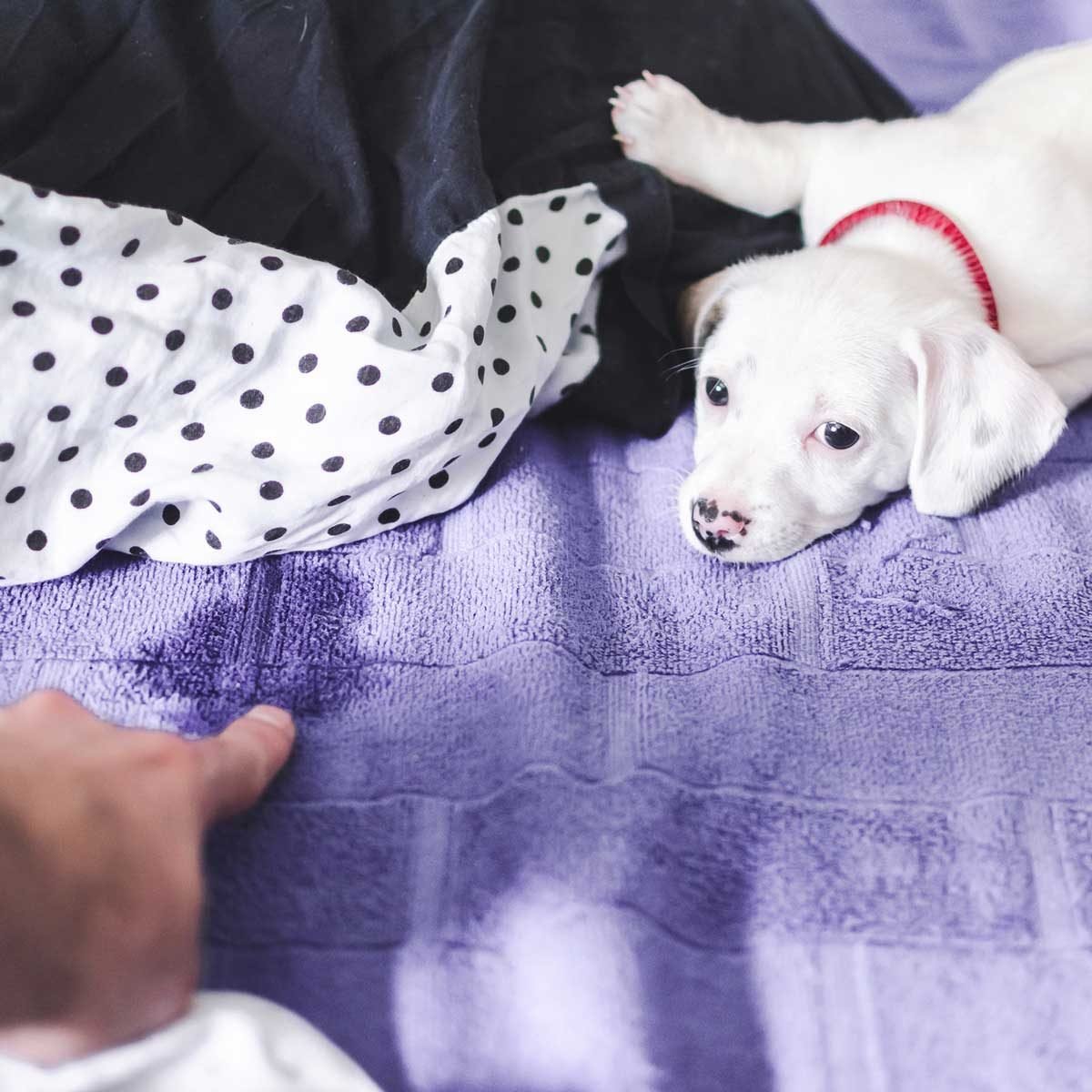
Credit: www.embassyofpakistanusa.org
Solutions To Stop Bed Peeing
Dealing with your dog peeing on the bed can be frustrating, but there are clear steps you can take to stop this behavior. Understanding practical solutions can save your bedding and strengthen your bond with your pet. Let’s look at some effective ways to address this issue head-on.
Veterinary Treatment
Sometimes, bed peeing is caused by a medical problem like a urinary tract infection or bladder issues. Visiting your vet ensures your dog receives the right diagnosis and treatment. Ignoring health concerns might only make the problem worse and harder to fix.
Your vet may prescribe medication or suggest dietary changes to improve your dog's urinary health. Have you noticed if your dog drinks more water than usual or seems uncomfortable? These are signs that need professional attention.
Reinforcing Training
Training is key to stopping bed peeing. Start by reminding your dog where it’s appropriate to relieve themselves. Consistent positive reinforcement, like treats and praise, helps your dog understand the right behavior.
Set a routine for bathroom breaks and keep an eye on your dog’s signals. Have you tried rewarding your dog immediately after they pee outside? This small step can make a big difference.
Creating A Safe Space
Your dog might pee on the bed due to anxiety or stress. Creating a calm, secure space can reduce this behavior. Consider a cozy crate or a quiet corner with their favorite blanket and toys.
Does your dog have a spot where they feel safe and relaxed? Encouraging your dog to use this area can help them feel less anxious and decrease accidents on the bed.
Using Enzyme Cleaners
Accidents happen, but the smell can encourage repeat incidents. Enzyme cleaners break down the urine molecules, removing odors completely. This stops your dog from being drawn back to the same spot.
Regularly clean any soiled bedding or mattress areas with these cleaners. Have you noticed how some cleaners just mask odors instead of eliminating them? Using the right product is crucial.
Preventive Measures
Preventing your dog from peeing on the bed involves creating habits and environments that support healthy bathroom behavior. These preventive measures focus on meeting your dog’s physical and emotional needs. Addressing these areas can reduce accidents and strengthen the bond between you and your pet.
Regular Bathroom Breaks
Dogs need frequent chances to relieve themselves, especially puppies and older dogs. If your dog doesn’t get enough breaks, accidents on the bed become more likely. Try setting alarms or reminders to take your dog outside every 2-3 hours during the day.
Think about your own schedule—do you have consistent times for bathroom breaks? Your dog benefits from the same predictability. Missing these breaks can cause stress and confusion, leading to unwanted accidents.
Consistent Routine
Dogs thrive on routine. Feeding, walking, and bathroom times should follow a regular schedule. This helps your dog understand when and where it’s appropriate to pee.
Changing your dog’s routine often can lead to anxiety or confusion, which sometimes shows as bed peeing. Keeping things steady signals safety and reduces stress.
Proper Diet And Hydration
Your dog’s food and water intake directly affect their bathroom habits. A balanced diet and controlled hydration can regulate urination patterns.
Have you noticed your dog drinking more water before bedtime and then peeing on the bed? Limiting water intake an hour before sleep might help. Also, avoid foods that upset your dog’s bladder or cause excessive thirst.
Comfortable Sleeping Area
Dogs sometimes pee on beds due to discomfort or insecurity. Make their sleeping spot cozy, quiet, and inviting. Use soft bedding and place it away from high traffic areas.
Have you tried adding a familiar blanket or a piece of your clothing to your dog’s bed? This can ease anxiety and reduce accidents. A comfortable dog is less likely to mark or soil their sleeping area.
Credit: bullybeds.com
Credit: walkinpets.com
Frequently Asked Questions
Why Does My Dog Pee On The Bed Suddenly?
Sudden bed peeing can indicate medical issues or anxiety. Dogs may feel stressed or insecure, causing accidents. Always check for urinary tract infections or behavioral changes first.
Can Anxiety Cause Dogs To Pee On Beds?
Yes, anxiety can lead dogs to urinate on beds. Stress triggers loss of bladder control or marking behavior. Identifying and reducing anxiety helps prevent accidents.
How To Stop My Dog From Peeing On The Bed?
Clean accidents with enzyme cleaners and restrict bed access. Provide regular bathroom breaks and positive reinforcement for outdoor urination. Consult a vet if problems persist.
Is My Dog’s Bed Peeing A Health Problem?
It can be. Urinary infections, bladder stones, or incontinence often cause bed peeing. A vet visit is essential to rule out medical causes.
Conclusion
Dogs pee on beds for many reasons. Stress, health issues, or habits may cause it. Watch your dog’s behavior closely. Clean accidents quickly to avoid repeat problems. Training and patience help your dog learn. Consult a vet if the problem stays.
Understanding your dog’s needs is key. Keep your home calm and clean. Small changes can make a big difference. You and your dog can solve this together.

Emily Barker is the founder of ChillDogLife.com, a space dedicated to helping pup parents discover the best dog products, lifestyle tips, and cozy ideas for happier homes.
A lifelong dog lover, Emily combines her passion for pets with a knack for research to share trusted recommendations on everything from toys and furniture to health and everyday care.
Her goal is simple: to make life easier, stylish, and more joyful for dogs and the people who love them.




