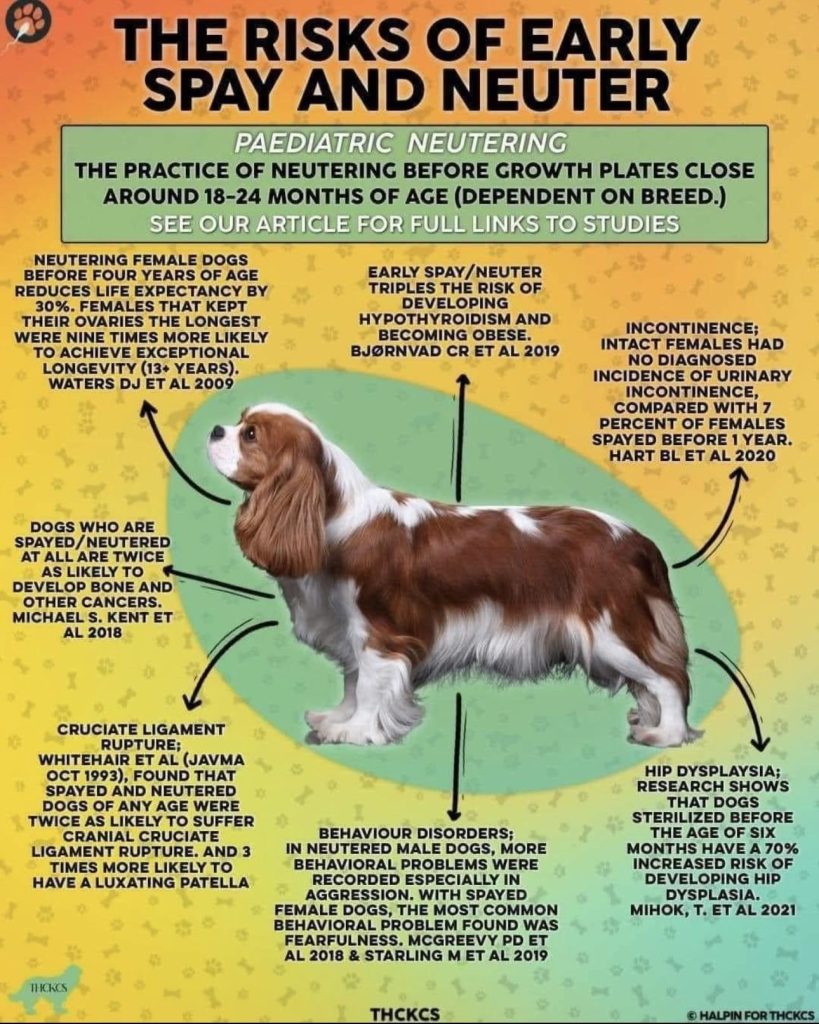
Are you thinking about getting your male dog neutered but aren’t sure if it’s the right choice? You’re not alone.
Many dog owners wonder how neutering can affect their furry friend’s health and behavior. What if this simple procedure could make your dog healthier, calmer, and even improve your daily life together? Keep reading to discover the surprising benefits of neutering your male dog—and why it might be one of the best decisions you make for him.
Credit: pethelpful.com
Health Benefits
Neutering your male dog offers more than just behavioral improvements. It plays a crucial role in protecting your furry friend’s health. Understanding these health benefits can help you make an informed decision that supports your dog’s well-being for years to come.
Reduced Risk Of Prostate Issues
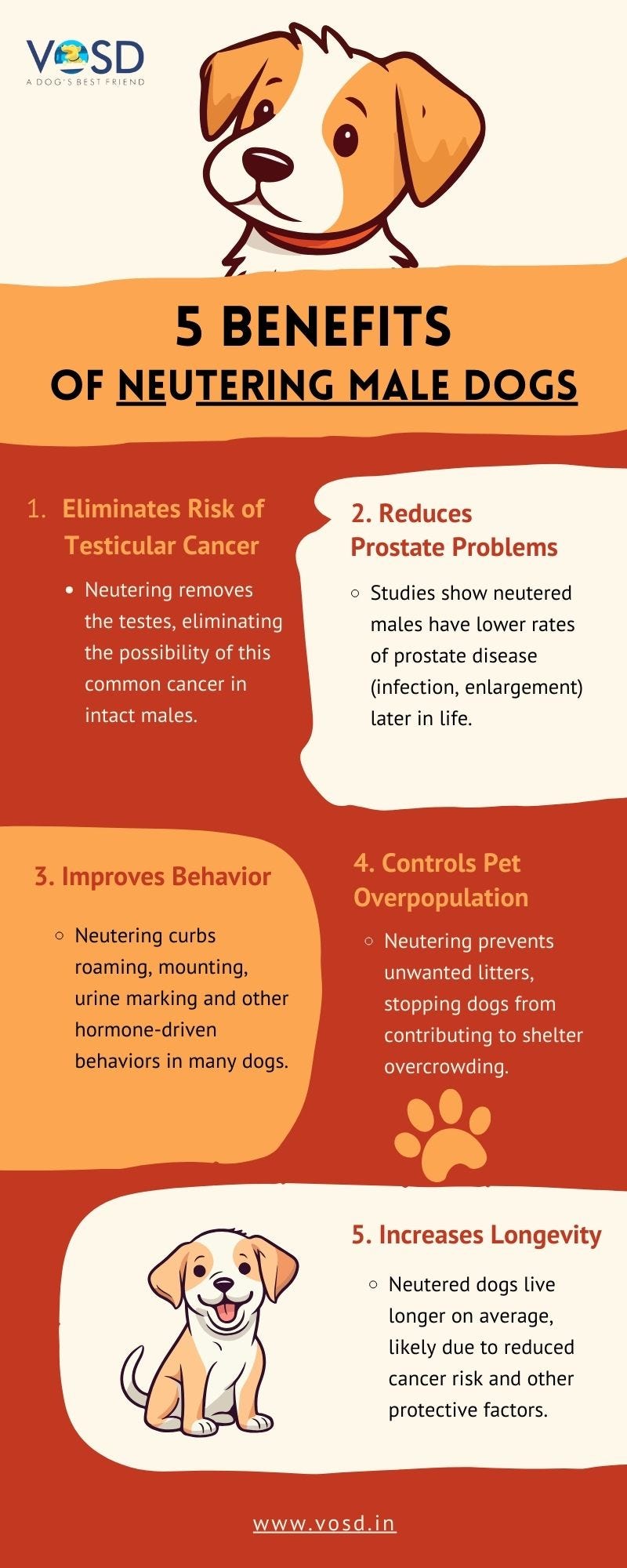
Neutering significantly lowers the chance of prostate problems, which are common in older intact male dogs. Prostate enlargement and infections can cause discomfort, difficulty urinating, and serious health complications.
By removing the testicles, hormone levels drop, which helps keep the prostate healthy. Have you noticed any signs like straining or frequent urination in your dog? Neutering could prevent these issues before they start.
Prevention Of Testicular Cancer
Testicular cancer is a risk that intact male dogs face as they age. This type of cancer is almost completely preventable through neutering since the testicles are removed.
While testicular cancer can sometimes be detected early, it can also spread quickly if left untreated. Choosing to neuter your dog eliminates this risk entirely, giving you peace of mind about his health.
Lower Chance Of Hernias And Tumors
Neutered dogs tend to have a lower risk of developing certain hernias and tumors, especially around the groin and lower abdomen. These conditions can be painful and often require surgery to correct.
Keeping your dog neutered reduces hormone-driven growths that might lead to tumors. This benefit is especially important for breeds prone to such health issues. How much would you value preventing a painful surgery for your dog?
Credit: medium.com
Behavioral Improvements
Neutering your male dog can lead to noticeable changes in his behavior, making life easier for both of you. Many pet owners see a calmer, more manageable companion after the procedure. Understanding these behavioral improvements can help you decide if neutering is the right step for your furry friend.
Decreased Aggression
Neutering often reduces aggressive tendencies in male dogs. Testosterone fuels many aggressive behaviors, so lowering hormone levels can make your dog less likely to challenge other dogs or people. You might find that your dog becomes friendlier and less reactive in social situations.
Have you noticed your dog acting overly protective or confrontational? Neutering could help ease those tensions, making walks and visits to the park less stressful for everyone involved.
Reduced Marking And Roaming
Unneutered male dogs tend to mark their territory by urinating in various places around your home and yard. After neutering, this behavior usually diminishes significantly, saving you from constant cleanup and odor problems.
Neutering also decreases the urge to roam in search of a mate, which can keep your dog safer. If your dog has a habit of slipping out or escaping, neutering might reduce these risky adventures.
Calmer And More Focused Demeanor
Many owners report their neutered dogs become noticeably calmer and easier to train. Without the distraction of mating instincts, your dog may pay more attention during training sessions and daily routines.
Imagine having a dog who listens better and settles down more quickly after playtime. Neutering can help create this positive change, improving your bond and making daily life more enjoyable.
Population Control
Population control is a crucial reason why many dog owners choose to neuter their male pets. It directly affects the number of puppies born, which helps manage the overall dog population in communities. By addressing this, you not only contribute to your pet’s health but also play a role in reducing the number of homeless animals.
Preventing Unwanted Litters
Neutering your male dog stops him from fathering puppies unexpectedly. This means fewer accidental litters, which often lead to pets without homes. You can avoid the stress and responsibility that come with finding good homes for these extra puppies.
Think about the last time you saw a litter of stray puppies. Those tiny lives depend on people making responsible choices. By neutering your dog, you help prevent those situations before they even start.
Reducing Stray Dog Numbers
Stray dogs often face harsh conditions, from hunger to disease. Neutering male dogs helps cut down on the birth of unwanted puppies who might end up on the streets. This action supports safer neighborhoods and healthier animal populations.
Communities with high numbers of stray dogs struggle with public health and safety issues. When you neuter your dog, you contribute to lowering these risks. Isn’t it worth making a small decision to create a big positive impact?
Cost And Care Advantages
Neutering a male dog offers clear cost and care benefits. It reduces future health risks and behavior issues. These changes save money and effort for pet owners. Caring for a neutered dog becomes simpler and less demanding. This section explores the main financial and management advantages.
Lower Veterinary Expenses
Neutered dogs often face fewer health problems. They have a lower risk of prostate disease and testicular cancer. These conditions can lead to costly treatments and surgeries. Preventing them saves money over time. Also, neutered dogs are less likely to roam and get injured. This reduces emergency vet visits and related expenses.
Simplified Pet Management
Neutering helps control your dog’s behavior. It reduces marking, aggression, and roaming urges. Managing a calm dog is easier and less stressful. This means fewer needs for behavior training or special containment. You spend less time and money on managing difficult actions. Daily care becomes smoother and more enjoyable.
Timing And Considerations
Choosing the right time to neuter a male dog is important for his health and behavior. This decision depends on several factors including breed, size, and lifestyle. Understanding these can help owners make the best choice for their pet’s well-being.
Best Age For Neutering
Most veterinarians recommend neutering between 6 and 9 months old. This age allows the dog to grow enough before surgery. Early neutering can prevent unwanted behaviors and reduce health risks.
Large breeds may benefit from waiting until they are 12 to 18 months old. This delay helps support their bone development. Small breeds usually heal faster and can be neutered earlier.
Discuss your dog’s specific needs with a vet. They can suggest the best timing based on breed and health.
Potential Risks And Myths
Many myths exist about neutering. Some believe it causes weight gain or changes in personality. Neutering does not directly cause obesity, but owners must manage diet and exercise.
Another myth is that neutering makes dogs lazy. In truth, neutered dogs often become calmer but remain active if properly exercised.
Risks of surgery are low with modern veterinary care. Common risks include mild pain and infection, which vets manage well.
Neutering lowers risks of prostate disease and some cancers. These benefits often outweigh the small surgical risks.

Credit: zigly.com
Frequently Asked Questions
Why Neuter A Male Dog?
Neutering a male dog can prevent unwanted behaviors and health issues. It reduces risks of prostate problems and testicular cancer. The procedure can also curb aggressive tendencies and reduce roaming. Neutering contributes to a calmer, more manageable pet, enhancing overall well-being and quality of life.
Does Neutering Affect A Dog’s Behavior?
Yes, neutering can positively impact a dog’s behavior. It often reduces aggression, marking, and roaming. Neutered dogs are generally calmer and more focused. This can lead to easier training and a stronger bond with their owner. The procedure promotes a more harmonious household environment.
How Does Neutering Improve Health?
Neutering significantly boosts a dog's health by eliminating testicular cancer risk. It reduces the likelihood of prostate issues and certain infections. This surgical procedure promotes a longer, healthier life. Neutered dogs often experience fewer hormone-related health problems, ensuring a happier, more comfortable existence.
What Are The Cost Benefits Of Neutering?
Neutering is a cost-effective decision in the long term. It prevents expensive treatments for hormone-related health problems. Additionally, it eliminates costs associated with caring for unexpected litters. Investing in neutering can save money on future veterinary bills and contribute to a more manageable pet care budget.
Conclusion
Neutering a male dog brings many health and behavior benefits. It helps reduce the risk of certain cancers and infections. Neutered dogs tend to be calmer and less aggressive. This procedure also lowers the chance of unwanted litters. It supports better community health by controlling dog populations.
Choosing to neuter your dog shows responsible pet care. Overall, neutering can lead to a happier, healthier life for your dog. A simple step with lasting positive effects. Consider it for your dog’s well-being today.

Emily Barker is the founder of ChillDogLife.com, a space dedicated to helping pup parents discover the best dog products, lifestyle tips, and cozy ideas for happier homes.
A lifelong dog lover, Emily combines her passion for pets with a knack for research to share trusted recommendations on everything from toys and furniture to health and everyday care.
Her goal is simple: to make life easier, stylish, and more joyful for dogs and the people who love them.




