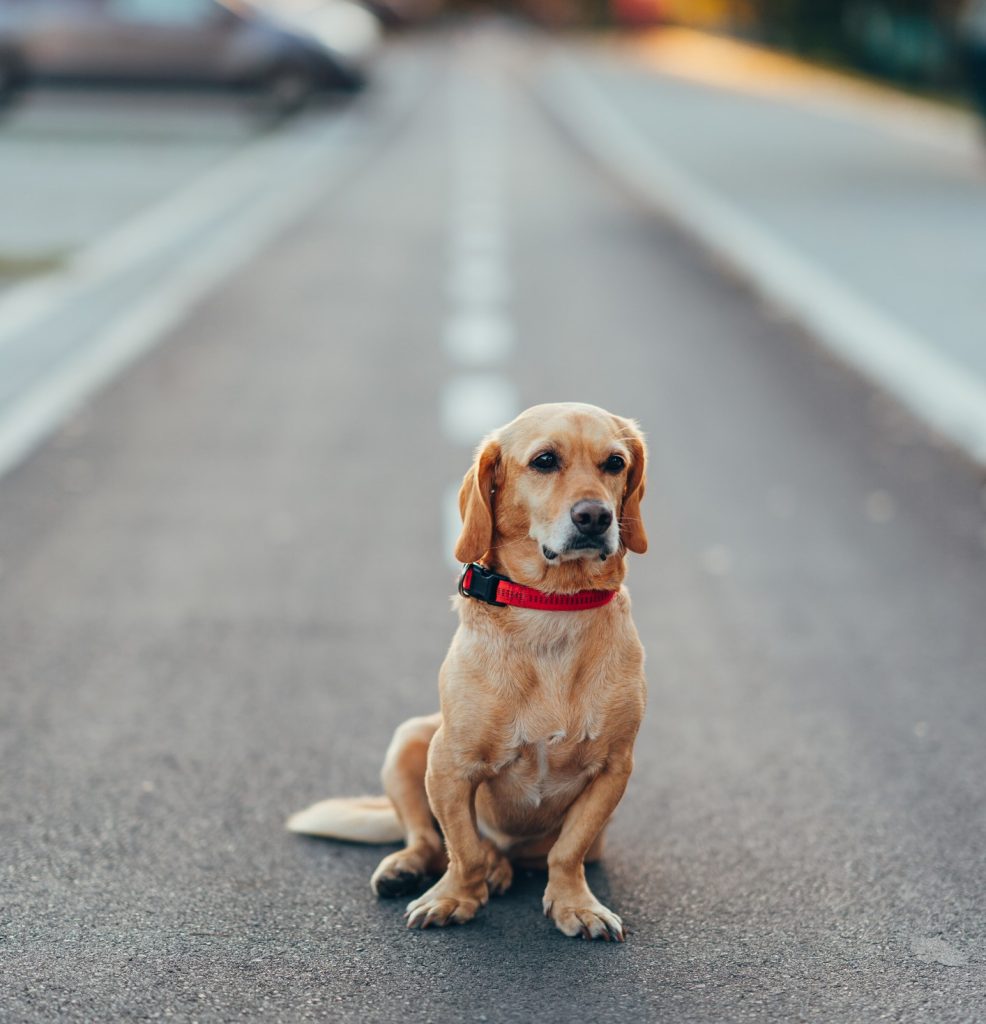
Accidents happen, even with the best-behaved dogs. When your furry friend slips up, it’s natural to want to fix the behavior quickly and gently.
But how do you correct your dog without causing fear or confusion? If you’re wondering how to handle these moments calmly and effectively, you’re in the right place. Keep reading to discover simple steps that will help you guide your dog back on track, strengthen your bond, and create a happier, safer home for both of you.

Credit: walkinpets.com
Assess The Situation
After an accident involving your dog, the first thing you need to do is assess the situation thoroughly. This moment sets the tone for how effectively you can help your dog and prevent further harm. Taking a clear-headed approach helps you act quickly and wisely, ensuring your dog’s safety and well-being.
Stay Calm And Safe
Your reaction influences your dog’s response. If you panic, your dog may become more anxious or frightened.
Take a deep breath and speak in a calm, reassuring voice. This helps your dog feel more secure despite the chaos.
Also, make sure the area around you and your dog is safe. Look for traffic, sharp objects, or anything else that might cause additional harm.
Check For Injuries
Look your dog over carefully but gently. Focus on visible signs like bleeding, limping, or swelling.
Don’t ignore subtle signs such as heavy panting, whimpering, or unusual behavior—they could indicate pain or shock.
If your dog seems seriously hurt, avoid moving them too much. Instead, call your vet or emergency animal service immediately.
Secure The Dog
Once you’ve ensured your dog isn’t in immediate danger, secure them to prevent running off or worsening injuries.
Use a leash or a makeshift harness if necessary. If you don’t have one, a towel or belt can help keep your dog steady.
Keeping your dog close allows you to monitor their condition and get them to a safe place or vet quickly.
Immediate First Aid
Accidents happen quickly, and your immediate response can make a huge difference in your dog’s recovery. Acting fast with basic first aid helps prevent complications and eases your pet’s pain. Knowing what to do right after an accident puts you in control during a stressful moment.
Stop Bleeding
Bleeding can be scary, but stopping it is your top priority. Apply gentle pressure using a clean cloth or gauze directly on the wound. Hold steady for several minutes without lifting to check if the bleeding has slowed or stopped.
If the bleeding soaks through, add another layer instead of removing the first. This prevents reopening the wound. You might feel nervous, but staying calm helps your dog stay calm too.
Clean Wounds
Once the bleeding slows, gently clean the area to reduce infection risk. Use lukewarm water or a saline solution to rinse away dirt and debris. Avoid using hydrogen peroxide or alcohol as they can irritate the tissue and delay healing.
Be careful not to scrub the wound. If your dog is in pain, speaking softly and offering treats can keep them still while you clean. Have you ever noticed how a calm voice can sometimes soothe your pet better than any medicine?
Immobilize If Needed
If your dog shows signs of a broken bone or severe injury, keep them still to avoid further damage. You can create a makeshift splint using a rolled-up newspaper or a sturdy stick, securing it gently with cloth strips.
Do not try to realign the bone yourself—that requires a vet’s expertise. Limiting movement also reduces pain and prevents swelling. Think about how you would want to be treated if you were in your dog’s place.
Contacting A Veterinarian
Knowing when and how to contact a veterinarian after your dog has had an accident can make all the difference in their recovery. Acting quickly and efficiently not only eases your pet’s pain but also increases their chances of a full recovery. Here’s what you need to keep in mind to handle this critical moment with confidence.
When To Call
Not every accident requires an immediate vet visit, but some signs should never be ignored. Call your veterinarian right away if your dog is bleeding heavily, having trouble breathing, or showing signs of severe pain like whimpering or inability to move.
Other urgent signals include vomiting, seizures, or unconsciousness. If you’re unsure, it’s better to make the call and get professional advice rather than wait and risk worsening your dog’s condition.
Preparing For The Visit
Before you head to the vet, gather important information that can help the veterinarian assess your dog quickly. This includes details about the accident, your dog’s symptoms, and any medications they are currently taking.
Bring a favorite blanket or toy to help soothe your dog during the trip. Also, keep your phone handy to communicate with the vet or emergency clinic if needed.
Transporting The Dog Safely
Transport your dog carefully to prevent further injury. Use a sturdy box, pet carrier, or even a makeshift stretcher if your dog can’t walk. Keep your dog calm by speaking softly and minimizing movement during the trip.
If your dog has a suspected neck or spine injury, avoid any twisting or bending of their body. Securing your dog properly in the vehicle ensures their safety and your peace of mind on the way to the clinic.

Credit: sashvets.com
Preventing Future Accidents
Preventing future accidents is key to keeping your dog safe and happy. Learning from past mistakes helps you create a safer space. Knowing where risks lie and how to manage them lowers chances of harm.
Identify Risk Areas
Look around your home and yard for possible dangers. Sharp objects, slippery floors, and open gates can cause accidents. Notice where your dog tends to explore or play. Mark these spots and take steps to secure them.
Use Safety Equipment
Use gates, leashes, and harnesses to control your dog’s movements. Safety gear limits access to risky places. Keep collars snug and check them often. Use non-slip mats on slippery floors for better grip.
Training And Commands
Teach your dog simple commands like “stay,” “come,” and “leave it.” Consistent training helps your dog listen during risky situations. Reward good behavior to encourage learning. Practice commands daily in different areas to strengthen control.
Behavioral Correction After An Accident
After an accident, your dog's behavior might change, reflecting confusion or fear. Correcting this behavior requires patience and understanding. Focusing on behavioral correction helps rebuild trust and guides your dog toward positive habits without causing additional stress.
Recognizing Stress Signs
Your dog won’t always tell you when they’re upset, but their body language speaks volumes. Watch for signs like tucked tails, flattened ears, yawning, or avoiding eye contact. These subtle signals mean your dog feels stressed or scared and needs gentle guidance.
If you miss these signs, correction attempts might backfire. Have you noticed your dog suddenly hiding or refusing treats after a mishap? That’s stress showing up, and it’s your cue to slow down and adjust your approach.
Positive Reinforcement
Rewarding good behavior works better than punishing bad behavior. Use treats, praise, or playtime to encourage your dog when they respond correctly after an accident. This builds confidence and helps them learn what you expect.
For example, if your dog stays calm after a minor spill, immediately give a treat and affectionate words. This strengthens their understanding that staying calm leads to rewards, making future accidents less stressful.
Avoiding Punishment
Punishing your dog after an accident often creates fear and confusion. It can make your dog anxious and less likely to learn from the experience. Instead, focus on guiding your dog calmly toward the right behavior.
Think about a time you reacted harshly to your dog’s mistake—did it help? Most likely, it made things worse. Avoid yelling or physical punishment; these only damage your bond and slow progress.

Credit: walkinpets.com
Monitoring Recovery
Monitoring your dog’s recovery after an accident is crucial to ensure they heal properly and avoid further complications. This phase demands your close attention and consistent care. Small changes can signal big issues, so staying alert makes all the difference in your dog’s health journey.
Follow-up Care
Regular check-ups with your vet are essential. They help track your dog’s progress and adjust treatments as needed. You should schedule visits based on your vet’s advice, but also watch for signs that might require immediate attention.
Keep a daily log of your dog’s behavior, appetite, and mobility. This record can provide valuable insights during follow-ups and help detect subtle improvements or setbacks. Have you noticed if your dog is more restless or less interested in walks? These details matter.
Pain Management
Managing pain effectively speeds up recovery and keeps your dog comfortable. Never give human painkillers unless instructed by your vet—some can be toxic to dogs. Instead, use prescribed medications exactly as directed.
Observe your dog’s reactions to medication. Are they showing signs of relief, or do they seem lethargic or uneasy? If pain persists or worsens, consult your vet immediately. Remember, pain can hide under calm behavior, so stay vigilant.
Recognizing Complications
Complications can arise even after what seems like a smooth recovery. Look out for swelling, unusual discharge, or persistent limping. These signs could indicate infection or other problems needing prompt care.
Changes in your dog’s eating habits, excessive panting, or sudden behavioral shifts might also signal trouble. Don’t hesitate to reach out to your vet if anything feels off. Early detection can prevent minor issues from turning serious.
Supporting Emotional Healing
Supporting your dog’s emotional healing after an accident is as important as caring for their physical health. Dogs can feel confused, scared, or anxious after a traumatic event. Helping them feel safe and loved can ease their stress and speed up recovery. The process requires patience and gentle care.
Providing Comfort
Create a calm space for your dog to rest. Soft bedding and a quiet room can help them relax. Speak softly and use gentle petting to reassure your dog. Avoid loud noises or sudden movements that might startle them. Offer their favorite toys or blankets to provide familiarity and comfort.
Rebuilding Trust
Trust may weaken after an accident. Show your dog you are there to protect them. Use positive words and treats to encourage calm behavior. Avoid punishment or harsh tones, which can cause fear. Spend quiet time together, allowing your dog to come to you. Consistency in care builds a strong, trusting bond.
Gradual Reintroduction To Activities
Do not rush your dog back to normal activities. Start with short, gentle walks or play sessions. Watch your dog’s reactions closely and stop if they seem tired or scared. Slowly increase activity time as your dog gains confidence. This careful approach helps prevent setbacks and supports emotional well-being.
Frequently Asked Questions
How Soon Should I Correct My Dog After An Accident?
Correct your dog immediately after the accident to ensure they connect the behavior with the correction. Prompt feedback helps your dog learn what is unacceptable. Delaying correction can confuse your dog and reduce training effectiveness.
What Is The Best Way To Correct A Dog Gently?
Use calm verbal cues and firm body language to correct gently. Avoid yelling or physical punishment, which can harm trust. Positive reinforcement after correction encourages better behavior and strengthens your bond.
Can I Use Treats To Correct My Dog’s Accident?
Treats are best used to reward good behavior, not to correct accidents. Instead, calmly redirect your dog and clean the accident area thoroughly. Use treats to reinforce where your dog should go next time.
How Do I Prevent Future Accidents During Training?
Establish a consistent routine for bathroom breaks and praise your dog when they go outside. Monitor your dog closely indoors and use crate training if needed. Consistency reduces accidents and builds good habits over time.
Conclusion
Correcting a dog after an accident takes patience and calm words. Act quickly but gently to guide your pet’s behavior. Use clear signals and rewards to help your dog learn. Avoid yelling or harsh punishment; it only causes fear. Stay consistent with your training steps every day.
Small improvements build strong trust and good habits. Your dog will feel safe and understand what you expect. Keep practicing to prevent future accidents and keep your bond strong. Simple care and kindness make training easier and more effective.

Emily Barker is the founder of ChillDogLife.com, a space dedicated to helping pup parents discover the best dog products, lifestyle tips, and cozy ideas for happier homes.
A lifelong dog lover, Emily combines her passion for pets with a knack for research to share trusted recommendations on everything from toys and furniture to health and everyday care.
Her goal is simple: to make life easier, stylish, and more joyful for dogs and the people who love them.




