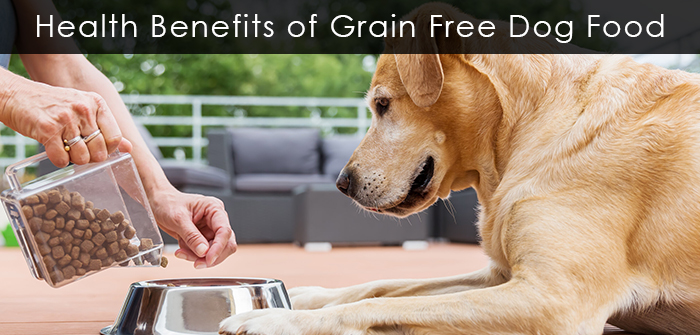
Are you curious about how switching to grain free dog food could improve your furry friend’s health? You want the best for your dog, and understanding the benefits of grain free options can help you make smarter choices.
Imagine your dog feeling more energetic, having a shinier coat, and fewer tummy troubles—all because of what’s in their bowl. Keep reading to discover why grain free dog food might be the game-changer you and your pet have been looking for.
Credit: www.redbarn.com
Grain Free Dog Food Basics
Understanding the basics of grain free dog food can help you decide if it fits your pet’s needs. This type of diet removes grains like wheat, corn, and rice, often replaced by other nutrient-rich ingredients. If your dog has allergies or digestion issues, grain free options might offer relief and improve their overall health.
What Grain Free Means
Grain free dog food does not contain common grains such as:
- Wheat
- Corn
- Rice
- Barley
Instead, it focuses on ingredients that provide carbohydrates and nutrients without grains. Many dogs are sensitive to grains, which can lead to skin problems or stomach upset. Removing grains can make the food easier to digest and reduce allergic reactions.
Common Ingredients Used
Grain free dog food often uses alternative sources like:
- Sweet potatoes
- Pumpkin
- Peas
- Lentils
- Potatoes
These ingredients supply energy and fiber without the potential problems grains might cause. Proteins come from meats like chicken, beef, or fish, often listed as the first ingredient. Have you noticed your dog’s energy or coat improve after switching to grain free options? Many pet owners report positive changes, making it a choice worth considering for your furry friend.
Improved Digestion
Improved digestion is a key benefit of grain free dog food. Many dogs face digestive problems caused by grains. These problems include bloating, gas, and upset stomach. Grain free diets remove grains that can irritate the gut. This helps dogs digest their food better and feel more comfortable.
Reduced Allergies And Sensitivities
Grains often cause allergies in dogs. Symptoms include itching, redness, and ear infections. Grain free food lowers these allergic reactions. It removes the common triggers found in wheat, corn, and soy. Dogs with sensitive stomachs also benefit. Their digestion becomes calmer and less prone to issues.
Easier Nutrient Absorption
Grain free diets improve how dogs absorb nutrients. Without grains, the gut lining stays healthier. This allows better uptake of vitamins and minerals. Nutrients like protein, fats, and fiber become easier to digest. As a result, dogs get more energy and stay healthier overall.
Enhanced Skin And Coat Health
Feeding your dog grain free food can make a real difference in their skin and coat health. Many dogs show noticeable improvements after switching, with softer fur and fewer skin problems. These changes happen because grain free diets often focus on high-quality ingredients that support skin from the inside out.
Role Of Essential Fatty Acids
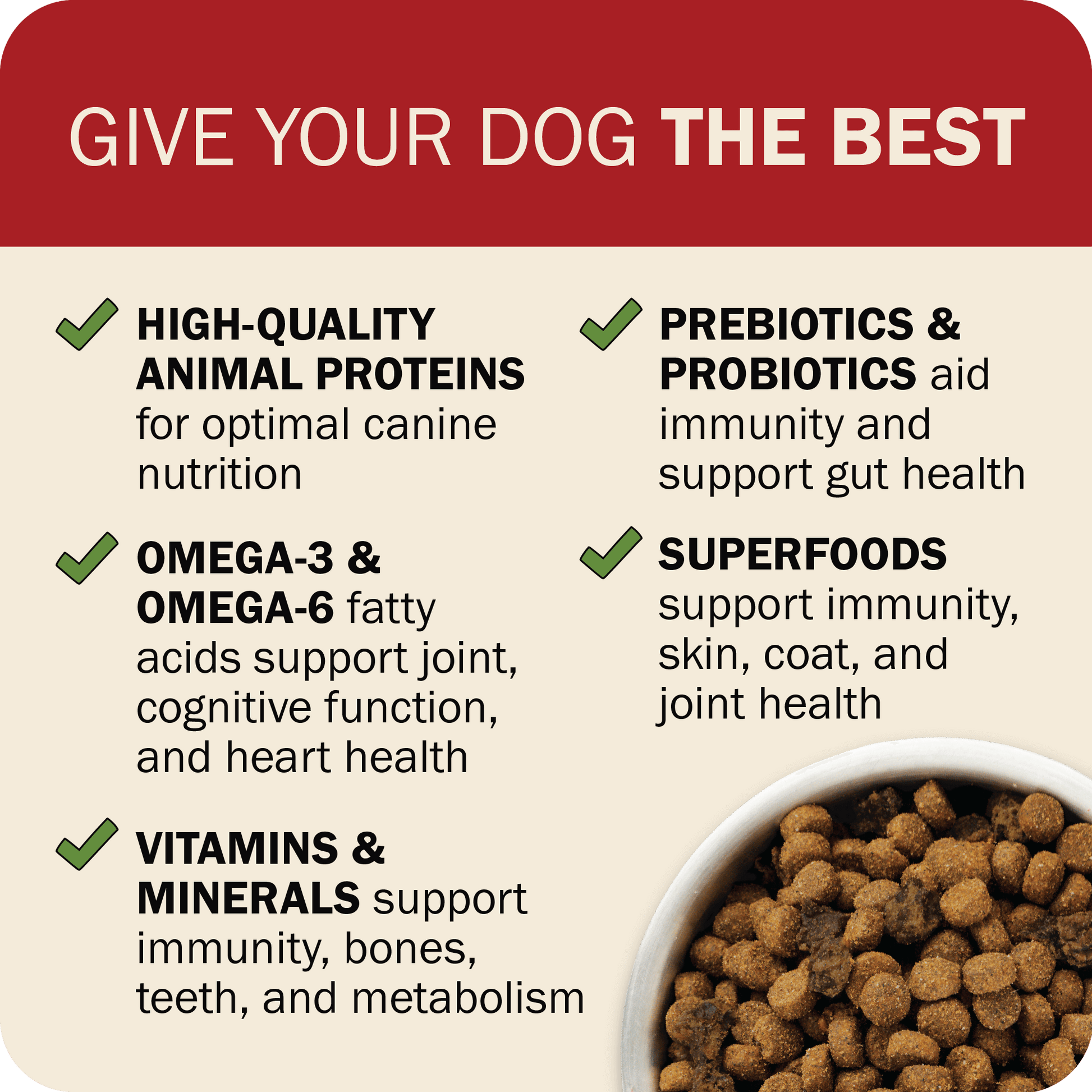
Essential fatty acids like omega-3 and omega-6 play a key role in keeping your dog’s skin healthy and their coat shiny. Grain free dog foods often include sources rich in these fats, such as fish oil or flaxseed. These fats help maintain the skin’s natural barrier, locking in moisture and preventing dryness.
Have you noticed your dog’s fur becoming dull or their skin flaky? Adding more essential fatty acids through a grain free diet might be the answer. These nutrients also reduce inflammation, which can lead to a smoother, itch-free coat.
Decreased Itching And Irritation
Many dogs develop itching and irritation due to allergies or sensitivities to grains. Removing grains from their diet can reduce these reactions and calm irritated skin. This means your dog will spend less time scratching and more time enjoying life.
Dogs with allergies often show quick improvements after switching to grain free food, with less redness and fewer hot spots. If your dog is constantly scratching, consider if grains might be a hidden trigger. A diet focused on grain free ingredients can provide relief and improve their overall comfort.
Weight Management Benefits
Grain free dog food can support healthy weight management. It helps dogs avoid excess calories from grains. This type of food often suits dogs with sensitive digestion or weight issues. Choosing grain free options can lead to better energy use and leaner body mass.
Lower Carbohydrate Content
Grain free dog food usually has fewer carbohydrates. Grains are a major source of carbs in regular dog food. High carb intake can cause weight gain and fat buildup. Reducing carbs helps control calorie intake. It also reduces blood sugar spikes that can lead to extra fat storage.
Increased Protein Levels
Grain free diets often contain more protein from meat and fish. Protein helps build and maintain muscles. More muscle mass increases metabolism and burns more calories. Protein also keeps dogs full longer, lowering the chance of overeating. This supports steady, healthy weight loss or maintenance.
Boosted Energy And Vitality
Boosted energy and vitality are key benefits of grain free dog food. Dogs often feel more lively and active without grains in their diet. This type of food supports their natural energy levels and overall well-being. Grain free diets focus on high-quality ingredients that fuel dogs effectively. The result is a happier, more energetic pet ready for play and exercise.
Balanced Nutrients For Active Dogs
Grain free dog food provides balanced nutrients essential for active dogs. It includes proteins, fats, and carbohydrates from sources like meat, vegetables, and fruits. These ingredients supply steady energy without spikes or crashes. Dogs maintain consistent stamina throughout the day. The absence of grains reduces the risk of allergies and digestive issues, helping dogs feel better and more energetic.
Improved Muscle Maintenance
Muscle maintenance improves with grain free dog food. High protein content supports muscle repair and growth. Strong muscles help dogs stay agile and active. This diet helps preserve lean muscle mass, especially in older or working dogs. It aids quick recovery after exercise and reduces fatigue. Healthy muscles contribute to overall vitality and a longer, happier life.
Potential Risks And Considerations
Choosing grain free dog food has benefits, but some risks exist. It is important to consider these before switching your dog’s diet. Not all grain free foods provide the same nutrition. Understanding potential challenges can help keep your dog healthy.
Nutritional Completeness
Grain free dog food may lack some essential nutrients. Grains often provide fiber, vitamins, and minerals. Removing grains might cause nutritional gaps if not balanced well.
Some grain free diets use alternative ingredients. These can include potatoes, peas, or lentils. These substitutes might not offer the same benefits as grains. This can affect digestion and overall health.
Quality and balance matter more than just grain content. Check labels for protein, fat, fiber, vitamins, and minerals. A diet missing key nutrients can lead to health problems over time.
Consulting With Veterinarians
Speak with a veterinarian before changing your dog’s diet. They can assess your dog’s specific needs and health status. Some dogs might need grain free food due to allergies or sensitivities.
Vets can suggest the best diet to avoid nutritional imbalances. They monitor your dog for any reactions or health changes. Regular check-ups ensure your dog stays healthy on new food.
Never switch diets abruptly. A slow transition avoids stomach upset. Your vet can guide you through the process safely.
Choosing The Right Grain Free Food
Choosing the right grain free dog food means focusing on quality and nutrition. It involves understanding the ingredients and trusting the brand. This choice impacts your dog’s health and energy. Careful selection ensures your pet gets the best benefits from a grain free diet.
Reading Ingredient Labels
Check the ingredient list carefully. Look for high-quality protein sources like chicken, beef, or fish. Avoid foods with fillers such as corn or soy. Natural preservatives are better than artificial ones. Make sure the food contains essential vitamins and minerals. Grain free does not mean low nutrition. Verify the food meets your dog’s specific needs.
Brands With Quality Assurance
Choose brands that follow strict safety standards. Look for those with transparent sourcing and testing practices. Reputable brands often have certifications from recognized authorities. They invest in research to support pet health. Customer reviews can reveal the brand’s reliability. A trusted brand offers consistent quality and safety for your dog’s food.

Credit: tncim.com

Credit: www.lilyskitchen.co.uk
Frequently Asked Questions
Why Choose Grain Free Dog Food?
Grain free dog food can benefit dogs with allergies. It often contains higher protein levels. This supports muscle development and energy. The absence of grains can improve digestion. It may also reduce skin irritations and inflammation. Always consult a veterinarian before changing your dog’s diet.
Is Grain Free Dog Food Good For Allergies?
Yes, grain free dog food can help with allergies. Many dogs are sensitive to grains. Removing grains from their diet can reduce allergic reactions. Symptoms like itching and digestive issues might improve. However, it’s important to ensure they get balanced nutrition.
Consult your vet for personalized advice.
Can Grain Free Food Aid In Digestion?
Grain free food can improve a dog’s digestion. It often contains higher quality ingredients. These are easier for dogs to break down. Dogs with grain sensitivities may experience fewer digestive issues. Benefits include reduced bloating and firmer stools. Always transition slowly to avoid digestive upset.
Does Grain Free Dog Food Provide Enough Nutrients?
Grain free dog food can be nutritionally complete. It often includes alternative carbohydrates like sweet potatoes. These provide essential nutrients. Proteins from quality meats support muscle health. However, it’s crucial to choose a well-balanced formula. Consulting a veterinarian ensures your dog’s dietary needs are met.
Conclusion
Grain free dog food can help improve your pet’s digestion. It often reduces allergy symptoms and skin problems. Many dogs feel more energetic and healthy on this diet. Choosing the right food supports your dog’s overall well-being. Always check ingredients and consult your vet before switching.
A balanced diet makes a big difference in your dog’s life. Consider grain free options if your dog shows sensitivity. Healthy pets are happy pets. Simple changes can lead to great results.

Emily Barker is the founder of ChillDogLife.com, a space dedicated to helping pup parents discover the best dog products, lifestyle tips, and cozy ideas for happier homes.
A lifelong dog lover, Emily combines her passion for pets with a knack for research to share trusted recommendations on everything from toys and furniture to health and everyday care.
Her goal is simple: to make life easier, stylish, and more joyful for dogs and the people who love them.




