Are you thinking about neutering your dog but unsure if it’s the right choice? Understanding the benefits of neutering can help you make the best decision for your furry friend.
This simple procedure does more than just prevent unwanted puppies—it can improve your dog’s health, behavior, and overall happiness. Keep reading to discover how neutering can protect your pet and make your life easier, too. You’ll want to know these key benefits before making your decision.
Credit: southeastoakvillevet.ca
Health Benefits
Neutering your dog brings many health benefits. It helps protect your pet from serious illnesses. This simple procedure supports a longer, healthier life. Many health risks linked to the reproductive system decrease greatly after neutering.
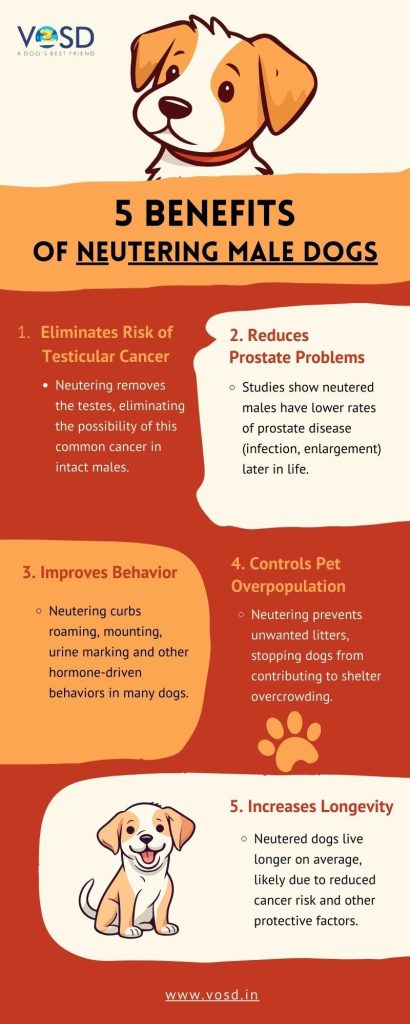
Reduced Risk Of Cancer
Neutering lowers the chance of certain cancers. For female dogs, it greatly reduces the risk of breast cancer. The risk is especially low if done before the first heat. Male dogs avoid testicular cancer after neutering. These cancers can be very dangerous and costly to treat.
Prevention Of Reproductive Diseases
Neutering stops diseases affecting reproductive organs. It prevents conditions like pyometra, a severe uterine infection in females. This infection can be life-threatening without quick treatment. Neutering also prevents prostate problems in male dogs. These diseases cause pain and discomfort, reducing quality of life.
Lower Chance Of Infections
Neutering reduces infections in the reproductive system. It lowers the risk of bacterial infections in males and females. These infections often need antibiotics and can become serious. Neutered dogs generally have fewer health complications related to infections. This keeps them healthier and saves on vet bills.
Behavior Improvements
Neutering your dog can lead to noticeable behavior improvements that make daily life easier for both you and your pet. These changes often result in a more harmonious household and a happier, more balanced dog. Understanding these specific benefits can help you decide if neutering is the right choice for your furry friend.
Decreased Aggression
Neutering often reduces aggressive tendencies in dogs. Testosterone fuels much of the aggression, especially in males, so lowering hormone levels can calm this behavior.
If your dog has shown signs of growling, biting, or territorial disputes, neutering might lessen these aggressive responses. Have you noticed your dog becoming less reactive to strangers or other animals after neutering? That’s a common and welcome change.
Reduced Marking And Roaming
Male dogs often mark their territory by urinating around the house or yard. Neutering lowers the urge to mark, helping keep your home cleaner and more pleasant.
Roaming is another challenge, especially when intact dogs search for mates. Neutering reduces this drive, making your dog less likely to wander off and get lost. Imagine fewer stressful moments calling your dog back from unknown places.
Calmer Temperament
Neutered dogs usually develop a calmer and more relaxed demeanor. This shift means less hyperactivity and fewer outbursts, which can improve your daily interactions.
Calmer dogs are easier to train and more enjoyable to be around. Have you ever felt overwhelmed by your dog’s energy? Neutering can help create a peaceful environment where both you and your pet thrive.
Population Control
Controlling the dog population is a key benefit of neutering. It helps reduce the number of unwanted puppies born each year. This keeps communities safer and lowers the strain on animal shelters.
Preventing Unwanted Litters
Neutering stops dogs from producing puppies. This prevents unexpected litters that owners may not be ready for. Unplanned litters can lead to many dogs without homes.
By neutering, pet owners help avoid the challenges of caring for extra puppies. It also reduces the chance of puppies ending up abandoned or in shelters.
Impact On Stray Dog Population
Neutering plays a big role in lowering stray dog numbers. Fewer births mean fewer dogs left to roam streets. Strays often face hunger, illness, and danger.
Lower stray populations improve public health and safety. It reduces risks like dog bites and spread of diseases. Communities benefit from fewer stray animals.
Timing And Age Factors
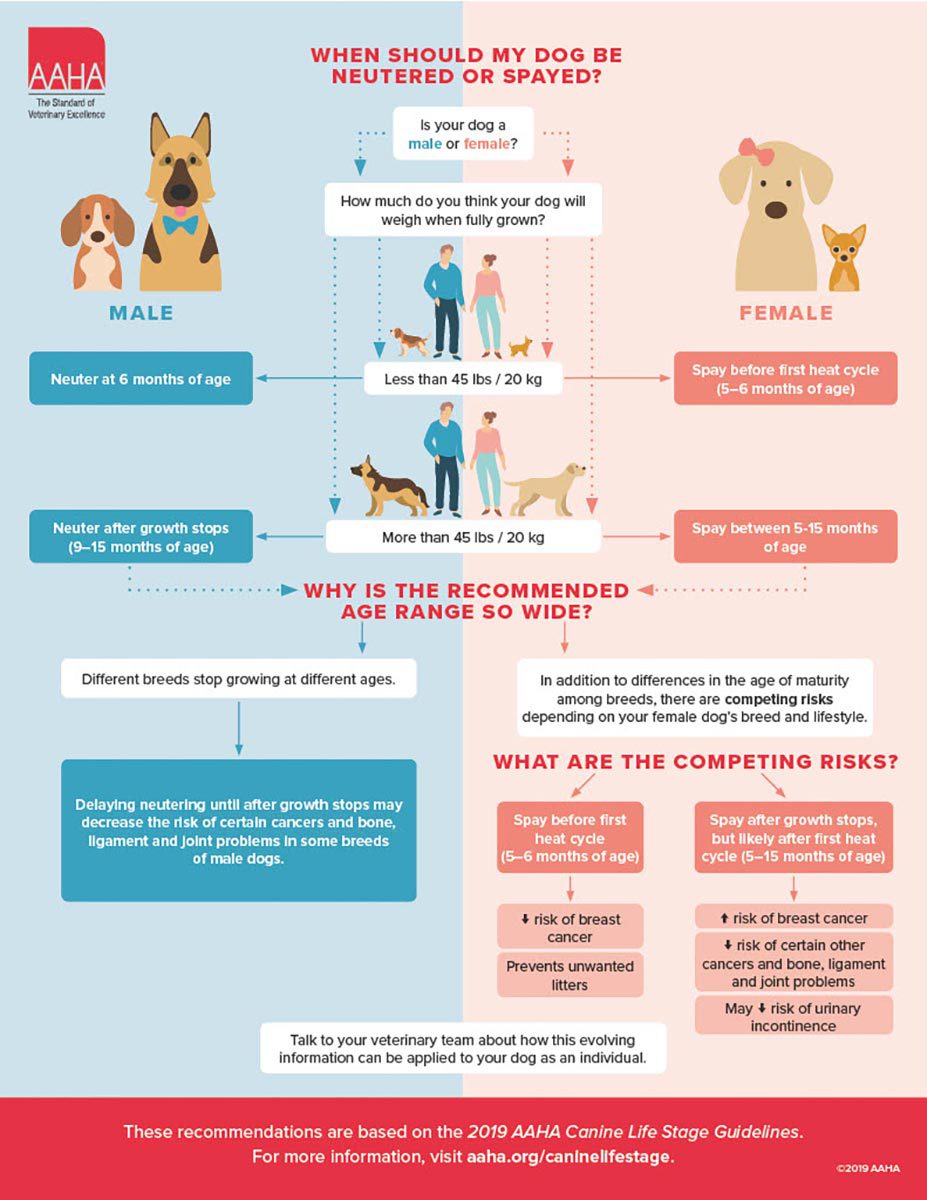
Choosing the right time to neuter your dog impacts their health and behavior. Age plays a key role in recovery and long-term benefits. Neutering too early or too late can affect growth and hormone balance. Understanding timing helps ensure the best outcome for your dog.
Best Age For Neutering
Most vets recommend neutering between six and nine months of age. This period allows puppies to develop strong bones and muscles. Neutering before the first heat reduces risks of certain cancers. Waiting too long can lead to unwanted behaviors and health issues.
Some dogs may benefit from earlier or later neutering based on their individual health. Discuss options with your vet to find the best age for your dog.
Considerations For Different Breeds
Breed size influences the ideal neutering age. Small breeds mature faster and can be neutered earlier. Large breeds grow longer and need more time before surgery. Early neutering in big dogs may cause joint problems.
Breeds prone to specific diseases may require special timing. For example, some large breeds have a higher risk of bone cancer if neutered too early. Tailoring the neutering schedule to your dog’s breed helps avoid health risks.
Myths And Facts
Many dog owners hesitate to neuter their pets due to widespread myths. These misconceptions can create unnecessary fear and confusion. Let’s separate fact from fiction so you can make an informed decision about your dog’s health.
Common Misconceptions
One popular myth is that neutering will make your dog lazy or overweight. While some dogs may gain weight, this usually happens because their diet and exercise habits don’t change after surgery. Neutering itself doesn’t directly cause weight gain.
Another misconception is that neutering changes your dog’s personality negatively. Many owners worry their dogs will lose their playful or protective nature. In reality, neutering often reduces aggressive and territorial behavior, making dogs calmer without dulling their spirit.
Some believe that neutering should wait until the dog is older to avoid health problems. However, delaying the procedure can increase risks like unwanted litters and certain cancers. Early neutering is often recommended by vets for better long-term health.
Scientific Evidence
Studies show neutering lowers the chance of prostate disease and testicular cancer in male dogs. It also reduces the risk of mammary tumors in females if done before their first heat.
Research confirms that neutered dogs tend to have fewer behavior problems such as roaming, marking, and aggression. This makes them easier to train and live with.
One surprising fact: neutering can extend your dog’s life expectancy. Data from veterinary health records indicate neutered dogs often live longer and healthier lives compared to intact dogs.
Have you ever wondered what’s holding you back from neutering your dog? Understanding the real facts might help you take that important step for your dog’s wellbeing.

Credit: 4pawsclinic.org
Post-neutering Care
After your dog is neutered, the way you care for them can make a big difference in how quickly they heal and adjust. Post-neutering care is about more than just keeping your pet comfortable—it’s about ensuring their health and happiness as they recover. Paying close attention to their needs now can prevent complications and help you notice any unusual signs early.
Recovery Tips
Keep your dog calm and limit their activity for at least a week after surgery. Running and jumping can cause the stitches to open or lead to swelling.
Use an Elizabethan collar (cone) to stop your dog from licking or biting the surgery area. This simple tool protects the wound and helps prevent infections.
Make sure your dog has a quiet, cozy space to rest. Soft bedding and easy access to water will make recovery smoother.
Monitoring Behavior Changes
It’s normal for your dog to be a bit groggy or less active for a few days after neutering. However, watch for signs of pain or distress that last longer than expected.
Changes in appetite or bathroom habits can indicate discomfort or complications. If your dog stops eating or seems lethargic for more than 48 hours, contact your vet.
Notice any sudden aggression or anxiety. Sometimes, hormonal changes after neutering can affect behavior, and you might need to adjust training or routines accordingly.

Credit: 4pawsclinic.org
Frequently Asked Questions
Why Should I Neuter My Dog?
Neutering your dog can prevent unwanted litters and reduce pet overpopulation. It also decreases the risk of certain cancers and diseases. Neutered dogs often show fewer behavioral problems like aggression. This procedure can contribute to a longer and healthier life for your pet.
At What Age Should I Neuter My Dog?
Most veterinarians recommend neutering dogs between six to nine months of age. However, it can be done safely as early as eight weeks. Consult your veterinarian for the best timing based on your dog’s breed and health. Early neutering can prevent unwanted behaviors and health issues.
Does Neutering Affect My Dog’s Behavior?
Yes, neutering can positively affect your dog’s behavior. It often reduces aggression, marking, and roaming tendencies. Many neutered dogs become more relaxed and less territorial. While it doesn’t change your dog’s personality, it can make them easier to train and manage.
Is Neutering Painful For My Dog?
Neutering is a common surgical procedure and is generally safe. Your dog will be under anesthesia and won’t feel pain during the surgery. Post-operative pain is usually minimal and manageable with prescribed medications. Your veterinarian will provide care instructions to ensure a smooth recovery.
Conclusion
Neutering your dog helps keep them healthy and happy. It lowers the risk of certain diseases. It can also reduce unwanted behaviors like roaming or aggression. Neutered dogs tend to live longer lives. It helps control the pet population, preventing more homeless animals.
Choosing to neuter shows you care about your dog’s well-being. Small steps make a big difference in your dog’s life. Consider neutering to give your pet a safer future.

Emily Barker is the founder of ChillDogLife.com, a space dedicated to helping pup parents discover the best dog products, lifestyle tips, and cozy ideas for happier homes.
A lifelong dog lover, Emily combines her passion for pets with a knack for research to share trusted recommendations on everything from toys and furniture to health and everyday care.
Her goal is simple: to make life easier, stylish, and more joyful for dogs and the people who love them.




