
Have you ever wondered how one simple choice can improve your dog’s health and behavior while also helping your community? Neutering your dog is more than just a routine procedure—it’s a powerful step that brings lasting benefits for both you and your furry friend.
From reducing health risks to calming unruly behavior, the advantages are surprising and wide-reaching. Keep reading to discover why neutering could be one of the best decisions you make for your dog’s happiness and well-being.
Health Benefits Of Neutering
Neutering your dog offers more than just behavioral benefits; it plays a crucial role in maintaining and improving their overall health. Taking this step can help protect your furry friend from several serious medical conditions. Understanding these health benefits can help you make an informed choice for your pet’s well-being.
Reducing Cancer Risks
Neutering significantly lowers the chances of your dog developing certain types of cancer. For male dogs, it reduces the risk of testicular cancer to nearly zero since the testicles are removed during the procedure. It also decreases the likelihood of prostate diseases, including prostate cancer.
Have you noticed how some dogs live longer, healthier lives after neutering? This is often because they avoid these common but dangerous cancers.
Preventing Infections
Unneutered male dogs can suffer from infections in the reproductive system, such as prostatitis. These infections can be painful and lead to more severe health problems if untreated. Neutering removes the source of these infections, helping your dog stay healthier.
Think about the vet visits and medical bills you might avoid by preventing such infections early on.
Lowering Injury Chances
Neutered dogs are less likely to roam in search of mates, which reduces the risk of injuries from fights or accidents. Fighting among intact males is common and can lead to wounds that become infected or require surgery. By neutering your dog, you reduce their urge to roam and fight, keeping them safer.
Imagine how much peace of mind you gain knowing your dog is less likely to get hurt while exploring outside.

Credit: 4pawsclinic.org
Behavioral Improvements
Neutering your dog often brings noticeable changes in behavior that can make life easier for both you and your pet. These behavioral improvements go beyond just health benefits—they impact how your dog interacts with you and the world around them. Understanding these changes can help you decide if neutering is the right step for your furry friend.
Decreasing Aggression
Neutering can significantly reduce aggressive behavior in many dogs. This happens because neutering lowers testosterone levels, which are linked to dominance and territorial fights.
If your dog has shown signs of aggression, neutering might help calm their mood and make social interactions less tense. Have you noticed your dog becoming less reactive after neutering? Many owners report a calmer, more approachable pet.
Reducing Roaming Tendencies
Dogs often roam to find mates, which can lead to risky escapes and lost pets. Neutering decreases this urge, making your dog more likely to stay close to home.
This means fewer worries about your dog running off or getting into accidents. Could neutering be the solution to your dog’s wandering behavior?
Limiting Marking And Spraying
Marking territory with urine can be a frustrating habit, especially indoors. Neutering reduces the drive to mark, helping keep your home cleaner.
Dogs often spray to communicate dominance or stress. After neutering, many dogs mark less frequently, which can ease tension in multi-pet households. Have you experienced a noticeable drop in marking after your dog was neutered?
Population Control
Population control is a key benefit of neutering your dog. It helps manage the number of pets in your community. Overpopulation leads to many problems, including homelessness and poor health. Neutering lowers the chance of unexpected puppies. This helps keep animal numbers balanced and safe.
Preventing Unwanted Litters
Neutering stops dogs from having puppies accidentally. Many pet owners cannot care for extra puppies. This causes stress for families and animals. By neutering, you reduce the chance of unwanted litters. It also lowers the risk of puppies being abandoned or given away.
Supporting Animal Shelters
Animal shelters often face overcrowding. Too many dogs wait for homes. Neutering helps reduce the number of new dogs entering shelters. This makes it easier for shelters to care for animals. Shelters can then focus on finding homes for pets already there.
Reducing Stray Animals
Stray dogs face many dangers outside. They may get sick, hurt, or lost. Neutering lowers the number of stray dogs born each year. This helps reduce problems in communities. It also improves safety for both animals and people.
Credit: southeastoakvillevet.ca
Long-term Wellbeing
Neutering your dog supports its long-term wellbeing in many ways. It helps prevent health problems and promotes a happier life. Dogs tend to be calmer and less stressed after neutering. This leads to better behavior and fewer risks of injuries. The benefits go beyond just the physical health of your dog.
Enhancing Lifespan
Neutered dogs usually live longer than unneutered ones. Removing reproductive organs lowers the chance of serious diseases. It reduces risks of cancers like testicular and ovarian cancer. Neutering also cuts down on infections in the reproductive system. These health improvements add years to your dog’s life.
Improving Quality Of Life
Neutered dogs often feel more comfortable and relaxed. They show fewer signs of anxiety and aggression. This change leads to a peaceful home environment. Neutering can also reduce roaming and marking behaviors. Your dog will spend more time resting and enjoying daily activities.
Fostering Better Social Interactions
Neutering improves how dogs interact with other animals and people. Calm behavior makes playtime safer and more fun. Dogs that are neutered tend to be less territorial. They have fewer fights with other dogs. Socializing becomes easier, which strengthens bonds with family and friends.
Common Misconceptions
Neutering dogs often comes with many myths. These myths can stop owners from making the best choice for their pets. Understanding the truth helps owners care better for their dogs.
Addressing Weight Gain Concerns
Many believe neutering causes dogs to gain too much weight. Neutering can slow metabolism slightly. Dogs may eat the same but burn fewer calories.
Owners can control weight gain by:
- Adjusting food portions
- Providing regular exercise
- Choosing healthy treats
Weight gain is not automatic. It depends on diet and activity after neutering.
Clarifying Activity Level Changes
Some think neutered dogs become lazy. Neutering may reduce some hyperactive behaviors. But dogs still need daily walks and playtime.
Energy levels vary by breed and age. Neutering does not stop dogs from enjoying exercise.
Debunking Personality Myths
People say neutering changes a dog’s personality. Most dogs keep their unique traits after neutering. Aggression often decreases, making dogs calmer.
Neutering can help reduce roaming and marking. It does not erase a dog’s natural character.

Credit: 4pawsclinic.org
Timing And Care
Neutering your dog is more than just a one-time procedure—it requires careful timing and attentive care to ensure the best outcome for your furry friend. Understanding when to neuter and how to handle the recovery period can make a significant difference in your dog’s health and behavior. Let’s break down what you need to know about timing and care to make this experience smooth and beneficial.
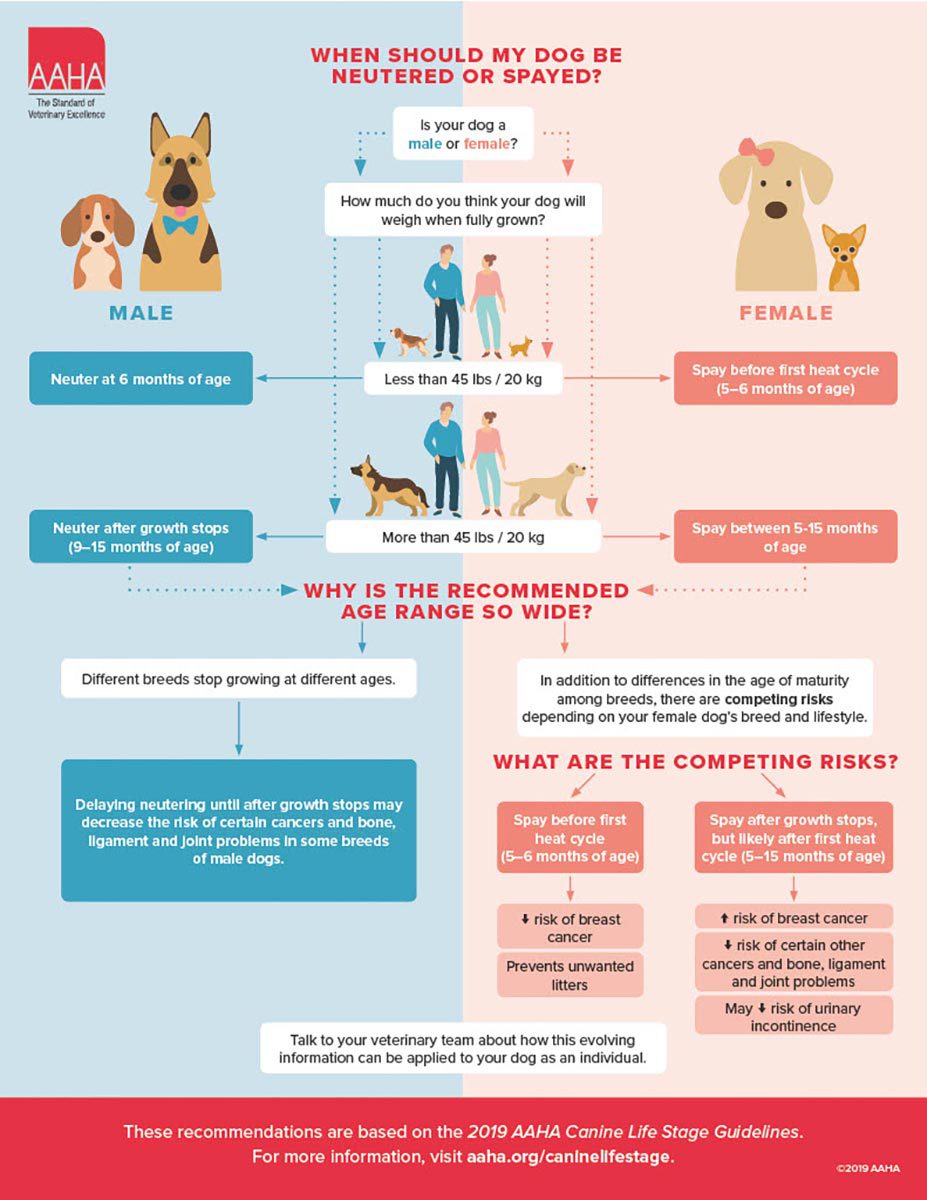
Best Age For Neutering
Choosing the right age to neuter your dog depends on several factors such as breed, size, and health. Most veterinarians recommend neutering between 6 to 9 months of age, before your dog reaches sexual maturity. However, larger breeds might benefit from waiting a bit longer to support proper bone growth.
Have you noticed your dog’s behavior changing as they grow? Early neutering can reduce unwanted behaviors like marking or aggression but waiting too long might increase the risk of certain health issues. Discussing your dog’s breed and lifestyle with your vet helps you find the best timing.
Post-surgery Care Tips
After the surgery, your dog needs a calm environment to heal. Keep them indoors and limit physical activity for at least a week to prevent complications like opening the incision. Watch for signs of infection such as swelling, redness, or discharge around the surgery site.
Using an Elizabethan collar can stop your dog from licking or biting the wound. Offer plenty of water and healthy food to support recovery. If you notice any unusual behavior like lethargy or loss of appetite, contact your vet immediately.
Choosing A Veterinarian
Your choice of veterinarian can greatly affect your dog’s neutering experience. Look for a vet who explains the procedure clearly and answers all your questions without rushing. A caring, experienced vet will provide detailed pre-surgery instructions and thorough post-op support.
Ask for recommendations from other dog owners or local pet groups. Visiting the clinic beforehand can help you feel comfortable and confident in the care your dog will receive. Would you trust your dog’s health to someone who makes you feel at ease?
Frequently Asked Questions
Why Should I Neuter My Dog?
Neutering can prevent unwanted litters and reduce overpopulation. It also minimizes certain health risks like testicular cancer. Additionally, neutering can reduce aggressive behavior, making your dog more sociable. This procedure can lead to a longer and healthier life for your pet.
Does Neutering Affect My Dog’s Behavior?
Yes, neutering often results in a calmer demeanor. It reduces aggression and territorial behaviors. Your dog may become more affectionate and less likely to roam. This can make training easier and improve your pet’s overall quality of life.
How Does Neutering Impact My Dog’s Health?
Neutering can significantly reduce health risks like testicular cancer and prostate issues. It also decreases the chance of certain infections. This procedure contributes to a longer, healthier life. Preventative health benefits make neutering a wise choice for your dog's wellbeing.
Is Neutering A Painful Procedure For Dogs?
Neutering is a routine and relatively painless procedure. Veterinarians use anesthesia to ensure your dog feels no pain. Post-surgery, any discomfort is manageable with prescribed pain relief. Your dog usually recovers quickly, returning to normal activities in a few days.
Conclusion
Neutering your dog helps keep them healthy and happy. It lowers the risk of some diseases. Your dog may behave better and stay calmer. It also prevents unwanted puppies, helping control pet populations. Neutering can save money on health care later.
It shows you care about your dog’s well-being. Choosing to neuter is a kind and smart decision. Your dog will thank you with love and loyalty. Consider neutering to give your pet a better life. Simple steps make a big difference in your dog’s future.

Emily Barker is the founder of ChillDogLife.com, a space dedicated to helping pup parents discover the best dog products, lifestyle tips, and cozy ideas for happier homes.
A lifelong dog lover, Emily combines her passion for pets with a knack for research to share trusted recommendations on everything from toys and furniture to health and everyday care.
Her goal is simple: to make life easier, stylish, and more joyful for dogs and the people who love them.




