
Have you noticed your dog acting differently all of a sudden? Maybe your playful pup has become withdrawn, or your calm companion is now snapping unexpectedly.
A sudden change in behavior in dogs can be confusing and even worrying for you. But understanding why this happens is the first step to helping your furry friend feel better. You’ll discover the common reasons behind these shifts and learn what you can do to support your dog.
Keep reading—your dog’s happiness and health might depend on it.
Credit: www.goodrx.com
Common Causes
Dogs may suddenly change their behavior for many reasons. This can confuse owners and cause concern.
Understanding the common causes helps to find the right solution and care for your dog.
Health Issues
Illness or pain can make a dog act differently. Dogs hide pain well, so changes in behavior may be the first sign.
- Infections or fever
- Dental problems
- Arthritis or joint pain
- Neurological disorders
- Hormone imbalances
Environmental Changes
Changes at home or outdoors can stress dogs and affect their mood. Dogs like routine and familiar places.
| Change | Effect on Dog |
| New home | Confusion and anxiety |
| New family member | Jealousy or attention seeking |
| Change in schedule | Restlessness or irritability |
| Weather changes | Fear or hiding |
Stress And Anxiety
Stress can come from loud noises, separation, or lack of exercise. Anxiety often leads to pacing or barking.
- Thunderstorms or fireworks
- Being left alone for long times
- New or unfamiliar people
- Changes in the household
Aging Effects
Older dogs can change their behavior due to aging. Memory loss and confusion affect how they act.
Common signs in aging dogs include:
- Sleeping more than usual
- Less interest in play
- Changes in appetite
- Confusion or wandering
Trauma Or Injury
Physical injuries or trauma can cause sudden mood changes. Dogs may become aggressive or withdrawn.
- Accidents or falls
- Fights with other animals
- Abuse or neglect
- Sudden pain or discomfort
Behavioral Signs
Sudden changes in your dog’s behavior can signal health or emotional issues. Watching for these signs helps you respond quickly.
Behavioral changes often show as aggression, withdrawal, or other unusual actions. Identifying them early is important.
Aggression
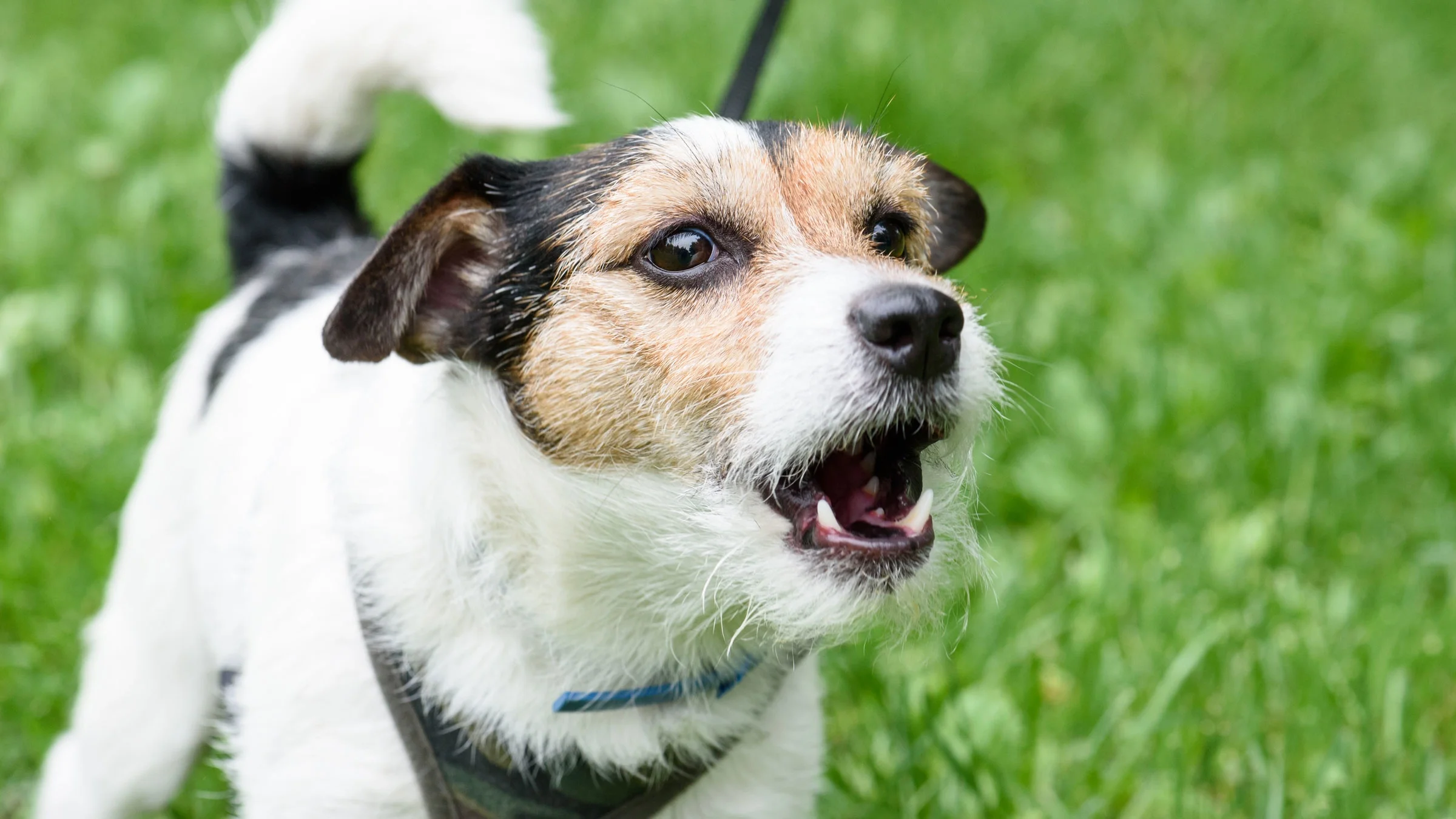
A dog may growl, snap, or bite without clear cause. This can happen with people or other animals. Watch for stiff body posture and intense staring.
Withdrawal
Dogs may hide or avoid contact. They might stop playing or lose interest in usual activities. This behavior shows fear or discomfort.
Excessive Barking
Sudden loud or frequent barking can mean anxiety or pain. It may also be a sign of needing more exercise or attention.
- Barking at night or without cause
- High-pitched or frantic barks
- Repeated barking when left alone
Changes In Eating Habits
Look for eating less or more than usual. Some dogs refuse food or eat too fast. Sudden weight changes can also appear.
| Behavior | Possible Cause |
| Loss of appetite | Illness or stress |
| Increased hunger | Metabolic changes or anxiety |
| Eating unusual items | Nutrient deficiency or boredom |
Restlessness
Restless dogs may pace, whine, or have trouble settling down. This can mean pain, stress, or a need for more exercise.
Signs of restlessness include:
- Constant pacing
- Repeatedly changing position
- Excessive licking or scratching
Diagnosing The Problem
A sudden change in a dog’s behavior can signal many issues. Finding the cause helps to give the right care.
Careful checks by a vet and observing the dog closely are important first steps. This guide explains how experts diagnose behavior changes.
Veterinary Examination
The vet starts with a full physical exam. They check the dog’s eyes, ears, mouth, and skin. They also listen to the heart and lungs.
- Look for pain or injury signs
- Check for infections or parasites
- Assess weight and body condition
- Observe movement and posture
Behavioral Assessment
Experts watch how the dog acts in different situations. This helps find triggers for the behavior change.
| Behavior | What It May Show |
|---|---|
| Aggression | Fear or pain |
| Withdrawal | Stress or illness |
| Restlessness | Anxiety or discomfort |
| Changes in eating | Health or mood issues |
Medical Tests
Vets may order tests to find hidden problems. These tests show if sickness affects the dog’s behavior.
- Blood tests to check organs and infections
- Urine tests for kidney or bladder issues
- X-rays or scans to find injuries or tumors
- Neurological exams to check the brain and nerves
Treatment Options
Sudden changes in a dog’s behavior can be worrying. Finding the right treatment helps your dog feel better.
Different treatments target the cause of the behavior change. These include medical help, therapy, and lifestyle changes.
Medical Interventions
Some behavior changes come from health problems. A vet can check for illness or pain.
Treatment may include medication, surgery, or other therapies. This can reduce symptoms and improve behavior.
- Medications for anxiety or pain
- Treatment for infections or injuries
- Hormone therapy if needed
Behavioral Therapy
Behavioral therapy helps dogs learn to cope with stress. A trainer or animal behaviorist guides this process.
Techniques include positive reinforcement and desensitization. These can change unwanted behaviors over time.
- Reward good behavior
- Ignore or redirect bad behavior
- Use gradual exposure to fears
Environmental Adjustments
Changing a dog’s surroundings can reduce stress. This helps improve mood and behavior.
Provide a quiet space, avoid loud noises, and keep a routine. These changes make dogs feel safe.
- Create a calm resting area
- Limit exposure to triggers
- Keep feeding and walking times consistent
Diet And Exercise
A healthy diet supports brain and body function. Regular exercise helps reduce anxiety and boredom.
Feed balanced meals and provide daily walks or playtime. These keep dogs physically and mentally fit.
- Choose high-quality dog food
- Offer fresh water always
- Exercise daily to burn energy
Preventive Measures
A sudden change in a dog’s behavior can worry any pet owner. Taking steps early helps keep dogs happy and healthy.
Preventive care can reduce risks that cause behavior problems in dogs. Here are some key measures to follow.
Routine Health Checks
Regular health checks catch illnesses that may change a dog’s behavior. Early detection helps treat problems fast.
Visit the vet for exams and vaccinations. Watch for signs of pain or discomfort in your dog.
- Schedule vet visits every 6-12 months
- Monitor eating, drinking, and bathroom habits
- Check for lumps, wounds, or limping
Consistent Training
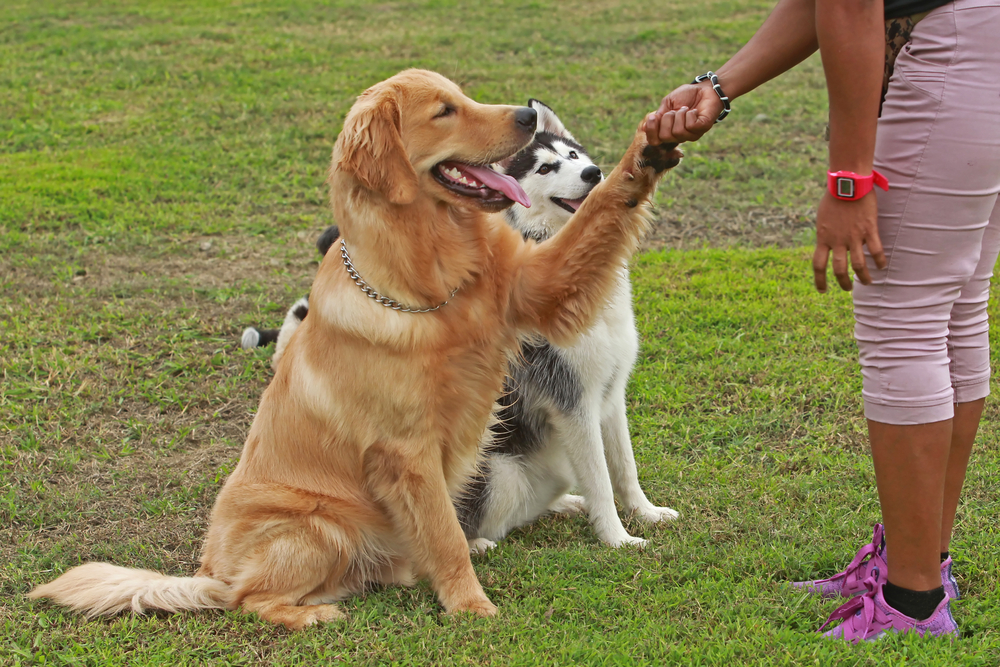
Training helps dogs learn good behavior and limits. Consistency keeps dogs calm and confident.
Use the same commands and rules daily. Reward good behavior and gently correct mistakes.
- Practice simple commands like sit and stay
- Set clear boundaries for indoor and outdoor areas
- Spend time training every day in short sessions
Stress Reduction Techniques
Stress can cause sudden behavior changes in dogs. Reducing stress keeps them relaxed and happy.
Create a calm routine and avoid loud noises or sudden changes. Exercise and play help lower stress.
- Give daily walks and playtime
- Provide a quiet, comfortable resting spot
- Use calming scents or music if needed
Safe Environment
A safe home reduces fear and anxiety in dogs. Remove hazards and create secure spaces.
Keep dangerous items out of reach. Make sure fences and gates are secure to prevent escapes.
- Store chemicals, medicines, and sharp objects safely
- Check fences for holes or weak spots
- Provide shelter from extreme weather
Credit: tcah.info
When To Seek Help
Dogs can show sudden changes in behavior. It’s important to know when to seek help. Sometimes, these changes mean your dog needs a specialist.
Understanding the signs helps in making the right decision. This guide will help you identify when to seek help for your dog.
Warning Signs
Some changes in your dog’s behavior can be warning signs. Recognizing these signs early is vital. It helps in preventing serious issues.
- Sudden aggression or biting
- Hiding or avoiding people
- Loss of appetite
- Excessive barking or whining
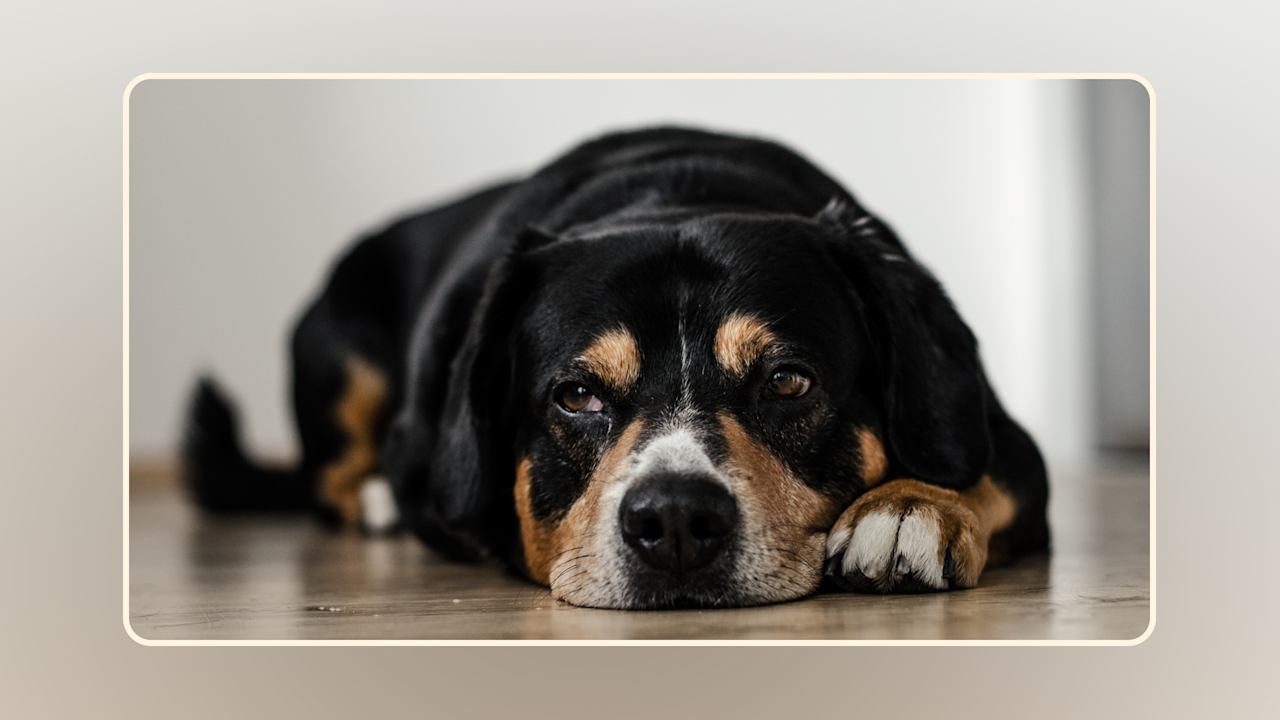
- Unusual lethargy
Choosing A Specialist
If your dog’s behavior changes, choosing the right specialist is key. A vet can help diagnose health issues. A behaviorist can address emotional or psychological problems.
Consider the specialist’s experience and approach. A good match will help your dog improve faster.
- Veterinarian for health issues
- Animal behaviorist for behavior problems
- Trainer for obedience concerns
Emergency Situations
Some changes need immediate attention. Knowing what qualifies as an emergency can save your dog’s life. Quick action is essential.
Seek emergency help if your dog shows sudden severe symptoms. These may be signs of serious health problems.
- Severe pain or distress
- Inability to move or stand
- Seizures or collapsing
- Uncontrolled bleeding
- Difficulty breathing
Credit: wefeedraw.com
Frequently Asked Questions
Why Do Dogs Suddenly Change Their Behavior?
Sudden behavior changes in dogs often stem from stress, illness, or pain. Environmental shifts or trauma can also trigger such changes. Identifying the cause early helps in providing timely care and improving your dog’s well-being.
Can Medical Issues Cause Sudden Dog Behavior Changes?
Yes, medical problems like infections, pain, or neurological disorders can alter a dog’s behavior suddenly. Regular vet check-ups can detect these issues early and prevent worsening symptoms or behavioral problems.
How Can I Help A Dog With Sudden Behavior Changes?
Observe your dog carefully and consult a veterinarian promptly. Provide a calm environment and avoid stressful situations. Early intervention and professional advice improve recovery chances and restore normal behavior.
When Should I Worry About Sudden Behavior Changes In Dogs?
Seek immediate veterinary help if behavior changes include aggression, lethargy, loss of appetite, or seizures. These signs may indicate serious health problems requiring urgent treatment.
Conclusion
Sudden changes in your dog’s behavior can signal many things. Pay close attention to any new actions or moods. These changes might mean your dog feels pain or stress. Visit a vet to rule out health problems quickly. Keep watching your dog’s habits daily.
Early action helps keep your dog happy and safe. Understanding your pet builds a stronger bond between you. Always act with care and patience. Your dog depends on you for comfort and help. Stay alert, stay loving.

Emily Barker is the founder of ChillDogLife.com, a space dedicated to helping pup parents discover the best dog products, lifestyle tips, and cozy ideas for happier homes.
A lifelong dog lover, Emily combines her passion for pets with a knack for research to share trusted recommendations on everything from toys and furniture to health and everyday care.
Her goal is simple: to make life easier, stylish, and more joyful for dogs and the people who love them.




