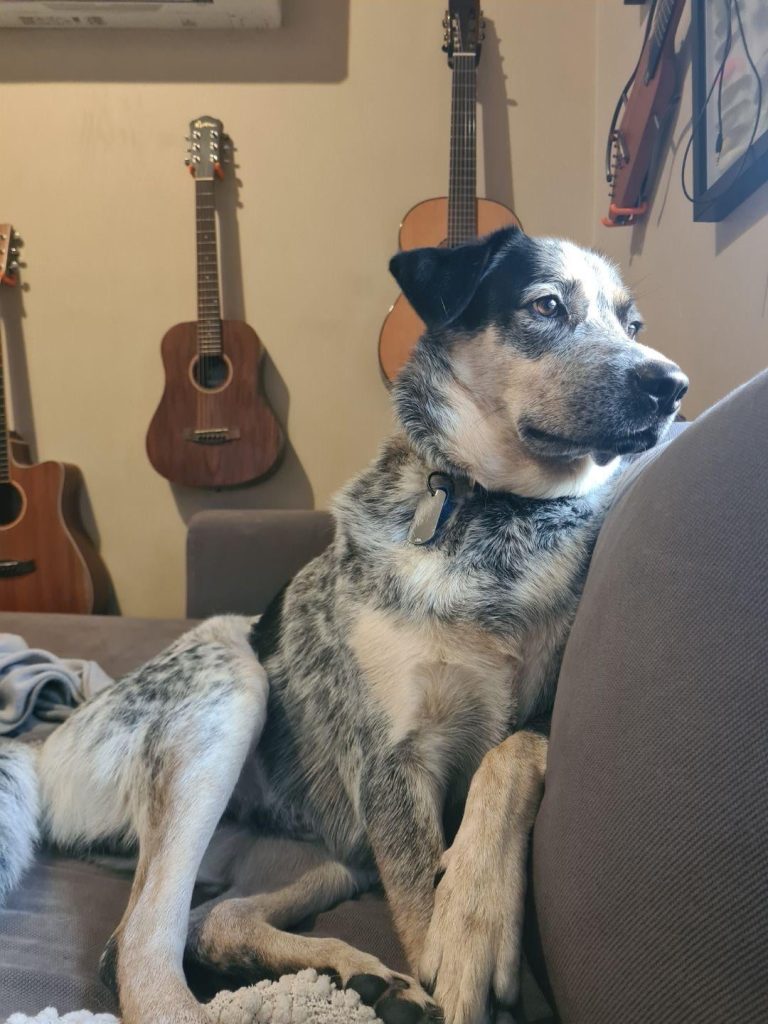
Are you struggling to understand your Australian Cattle Dog’s unusual behavior? Maybe your once calm companion has become restless, overly aggressive, or even destructive.
These behavior issues can be frustrating and confusing, leaving you wondering if something is wrong with your loyal pet. But don’t worry—knowing why these problems happen and how to handle them can make a huge difference. Keep reading to discover the key reasons behind your Australian Cattle Dog’s behavior challenges and find simple, effective ways to bring back harmony to your home.
Common Behavior Issues
Australian Cattle Dogs are smart and energetic. They need mental and physical exercise daily.
Without enough activity, these dogs can show some common behavior problems. Understanding these helps owners manage them well.
Excessive Barking
This breed often barks to alert or get attention. Barking too much can annoy neighbors and family.
Excessive barking may mean the dog is bored, anxious, or sensing danger. Training and exercise reduce this behavior.
Aggression Toward Strangers
Australian Cattle Dogs can be wary of strangers. Sometimes, they show aggression to protect their home.
Early socialization with different people helps lower fear and aggressive actions. Positive experiences build trust.
Destructive Chewing
These dogs chew things when they feel bored or stressed. They may destroy furniture, shoes, or other items.
Providing toys and regular playtime helps stop destructive chewing. Training also teaches what is okay to chew.
Separation Anxiety
Australian Cattle Dogs can become anxious if left alone too long. They might bark, chew, or try to escape.
Gradual alone-time training and giving comfort items can reduce anxiety. Exercise before leaving also helps calm them.
Herding Instinct Problems
This breed has strong herding instincts. They may chase cars, bikes, or children to herd them.
Training to control herding behavior is important. Redirection and commands teach when herding is not allowed.
Root Causes Of Behavior Problems
Australian Cattle Dogs are energetic and smart. Their behavior problems often come from unmet needs. Understanding the root causes helps fix these issues.
These dogs need exercise, mental challenges, social time, and clear training. Missing any of these can lead to bad behavior.
Lack Of Exercise
These dogs need lots of physical activity. Without enough exercise, they may become restless or destructive. They might chew things or bark too much.
Insufficient Mental Stimulation
Australian Cattle Dogs are very smart. They need tasks that challenge their minds. If they get bored, they might dig holes or try to herd people.
- Use puzzle toys to keep them busy
- Teach new commands regularly
- Give them jobs like fetching or carrying
Poor Socialization
Dogs that do not meet many people or animals may act scared or aggressive. Social skills grow with early and regular contact with others.
| Socialization Stage | Age Range | Importance |
|---|---|---|
| Early Socialization | 3 to 14 weeks | Critical for trust and calmness |
| Continued Exposure | 3 months to 6 months | Builds confidence and manners |
| Adult Socialization | 6 months and up | Maintains good behavior |
Inconsistent Training
Inconsistency confuses dogs. They learn best with clear rules and steady guidance. Mixed signals can cause disobedience or anxiety.
Tips for consistent training:
- Use the same commands each time
- Reward good behavior immediately
- Set clear limits and stick to them
- Train daily in short sessions
Effective Training Techniques
Training an Australian Cattle Dog needs patience and the right methods. These dogs are smart and active. They respond well to consistent guidance.
This guide covers key training techniques to help with behavior issues. Use these tips to build good habits and a strong bond.
Positive Reinforcement
Positive reinforcement means rewarding good behavior. It helps your dog learn quickly and stay motivated. Use treats, praise, or play as rewards.
- Give rewards immediately after good behavior
- Use a happy tone to praise your dog
- Keep training sessions short and fun
- Avoid punishment, focus on positive actions
Obedience Commands
Teach basic commands to keep your dog safe and well-behaved. Start with simple words like sit, stay, and come. Use clear, consistent signals.
- Pick one command word and use it every time
- Show the action while saying the command
- Reward your dog when it obeys
- Practice commands daily in different places
Redirecting Unwanted Behavior
Redirect unwanted actions by offering a better choice. If your dog chews furniture, give a chew toy instead. This stops bad habits gently.
| Unwanted Behavior | Redirect To |
|---|---|
| Barking | Quiet command or attention |
| Jumping on people | Sit command |
| Chewing furniture | Chew toys |
| Digging | Designated digging area |
Crate Training Benefits
Crate training gives your dog a safe space. It helps with house training and reduces anxiety. Make the crate comfortable and use it as a reward.
- Place the crate in a quiet, familiar area
- Use treats to encourage your dog inside
- Never use the crate for punishment
- Gradually increase time spent in the crate
Exercise And Mental Stimulation
Australian Cattle Dogs need both exercise and mental challenges to stay happy. Without enough activity, they may develop behavior problems.
Providing daily physical and mental tasks helps them focus and reduces stress.
Daily Physical Activities
These dogs have high energy and require daily exercise. Long walks and runs keep their bodies fit.
- Take a brisk 30-minute walk twice a day
- Let them run in a secure yard or park
- Play fetch to burn extra energy
- Include short off-leash time if safe
Interactive Toys And Puzzles
Interactive toys make Australian Cattle Dogs think. Puzzles challenge their intelligence and prevent boredom.
| Type of Toy | Benefit |
| Treat-dispensing balls | Encourages problem solving |
| Hide-and-seek puzzles | Improves scent tracking |
| Interactive tug toys | Builds focus and strength |
Agility And Herding Games
These dogs love to herd and move quickly. Agility courses and herding games meet their natural instincts.
- Set up cones for weaving exercises
- Use tunnels and jumps for agility
- Practice herding with a ball or group of toys
Managing Separation Anxiety
Australian Cattle Dogs can feel stressed when left alone. Separation anxiety is common in this breed.
Learning how to manage this anxiety helps your dog stay calm and happy.
Gradual Departure Practice
Start by leaving your dog alone for a few seconds. Slowly increase the time away each day.
This helps your dog get used to being alone without feeling scared.
- Leave the room for 10 seconds, then return
- Increase to 30 seconds, then one minute
- Watch your dog’s reaction and adjust time
- Keep departures calm and quiet
Creating Safe Spaces
Make a cozy spot where your dog feels safe. Use a crate or a quiet corner with a bed.
Include favorite toys and blankets to comfort your dog when alone.
- Place the safe space away from loud noises
- Use soft bedding for comfort
- Keep familiar scents in the area
- Allow your dog to enter the space freely
Using Calming Aids
Calming aids can help reduce anxiety in your Australian Cattle Dog. These include sprays, collars, or treats.
Always check with a vet before using new products to ensure safety.
- Try pheromone sprays or diffusers
- Use calming collars with natural scents
- Give vet-approved calming treats
- Combine aids with training for best results
Credit: pethelpful.com
Socialization Strategies
Australian Cattle Dogs are energetic and intelligent. They need proper socialization to prevent behavior issues. Socialization helps them become well-behaved pets.
There are effective ways to socialize your Australian Cattle Dog. These methods focus on introducing them to new experiences and environments.
Introducing New People And Pets
Introducing your dog to new people and pets is important. It helps them learn to interact calmly and confidently.
Start by meeting in a neutral area. Allow your dog to observe and approach at their own pace.
- Use treats to reward calm behavior
- Keep interactions short at first
- Monitor body language for signs of stress
Group Training Classes
Group training classes are great for socialization. They offer controlled environments to learn with other dogs and people.
Your dog can practice commands and manners. This helps them behave better in social settings.
- Choose classes with experienced trainers
- Ensure classes have small, manageable groups
- Observe how your dog interacts with others
Controlled Outdoor Experiences
Take your dog for walks in different places. This helps them get used to various sights and sounds.
Controlled outdoor experiences build confidence. They teach your dog to remain calm in new environments.
- Visit parks, beaches, and busy streets
- Introduce them to different surfaces like grass, sand, and pavement
- Reward them for calm behavior during outings
When To Seek Professional Help
Australian Cattle Dogs are smart and active. Sometimes their behavior can be hard to manage. Knowing when to get help keeps your dog safe and happy.
Some issues need a trainer or behaviorist. They can guide you with the right steps. Early help avoids bigger problems later.
Recognizing Severe Behavior Issues
Watch for signs like biting, constant barking, or fear of people. These can be serious problems.
If your dog acts aggressively or seems anxious all the time, it is time to ask for help. These behaviors hurt your dog and others.
- Uncontrollable aggression toward people or animals
- Extreme fear or anxiety in normal situations
- Destructive chewing or digging that ruins your home
- Repeated escape attempts or running away
- Excessive barking without cause
Choosing The Right Trainer Or Behaviorist
Look for trainers who use positive methods. Avoid harsh punishment. It can make problems worse.
Find someone with experience in herding breeds like Australian Cattle Dogs. They know how to handle your dog’s energy and mind.
- Check for certified trainers or animal behaviorists
- Ask about their experience with working dogs
- Read reviews or get recommendations
- Choose someone who explains their training methods clearly
- Make sure they focus on rewards and gentle guidance
Therapy And Medication Options
Some dogs need extra help beyond training. Therapy can reduce anxiety and fear. Medication may help if behavior is linked to health.
Speak with a veterinarian or behaviorist about these options. They can recommend the best plan for your dog.
- Behavioral therapy to change negative habits
- Calming techniques like massage or scent therapy
- Medications to ease anxiety or aggression
- Regular check-ups to rule out medical causes
- Combining therapy and training for best results

Credit: www.reddit.com

Credit: www.collieball.com
Frequently Asked Questions
What Are Common Australian Cattle Dog Behavior Issues?
Australian Cattle Dogs often show excessive barking, herding instincts, and stubbornness. They may also display anxiety if not exercised enough. Early training and mental stimulation help manage these issues effectively.
How To Manage Aggression In Australian Cattle Dogs?
Aggression can stem from fear or territorial instincts. Consistent socialization and positive reinforcement training reduce aggressive behavior. Avoid harsh punishments, as they can worsen aggression.
Why Do Australian Cattle Dogs Nip Or Bite?
Nipping is a natural herding behavior, especially in puppies. Proper training and redirecting this behavior early prevent biting problems. Provide plenty of exercise to reduce restlessness.
Can Separation Anxiety Affect Australian Cattle Dogs?
Yes, they can develop separation anxiety due to strong loyalty. Gradual desensitization and providing toys or distractions help ease anxiety. Avoid leaving them alone for long periods.
Conclusion
Australian Cattle Dogs can show behavior challenges at times. Training and patience help improve their actions. Regular exercise keeps them happy and calm. Clear rules guide their behavior well. Early socialization reduces fear and aggression. Understanding their needs makes life easier.
These dogs thrive with love and care. Address problems quickly to avoid bigger issues. Consistency helps build trust and good habits. Caring owners create strong, happy bonds.

Emily Barker is the founder of ChillDogLife.com, a space dedicated to helping pup parents discover the best dog products, lifestyle tips, and cozy ideas for happier homes.
A lifelong dog lover, Emily combines her passion for pets with a knack for research to share trusted recommendations on everything from toys and furniture to health and everyday care.
Her goal is simple: to make life easier, stylish, and more joyful for dogs and the people who love them.




