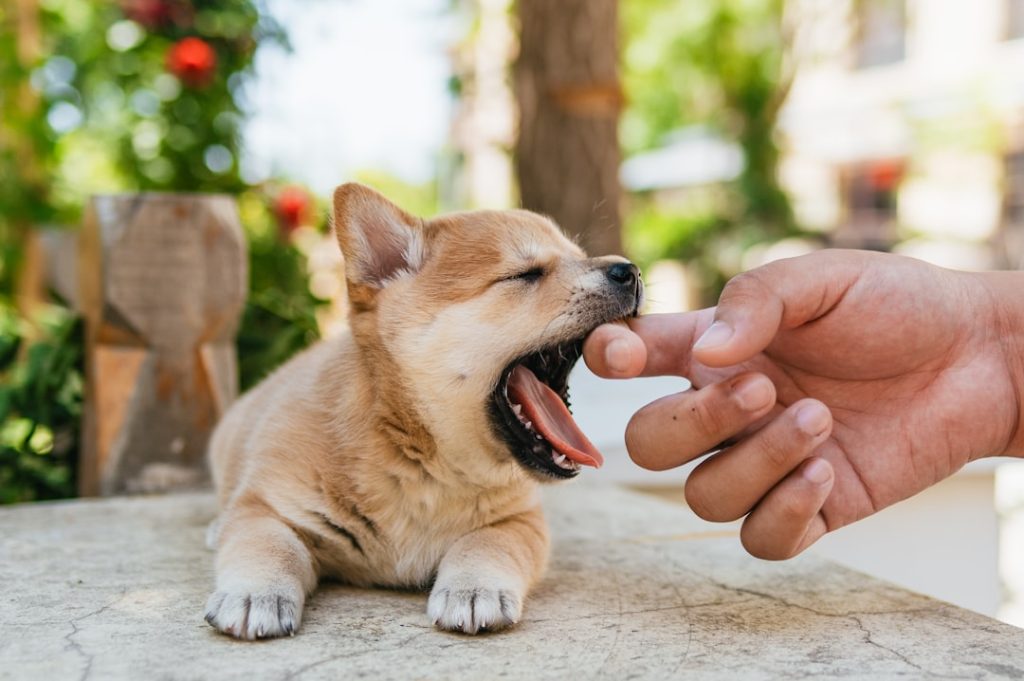
Are you struggling to manage your dog’s anxious or aggressive behavior? You’re not alone, and finding the right solution can feel overwhelming.
Propranolol, a medication often used for heart conditions, has shown promise in calming dogs’ nerves and improving their behavior. But how much should you give your furry friend? Understanding the correct propranolol dose in dogs for behavior is crucial to keeping them safe and comfortable.
You’ll discover clear, practical guidance to help you make informed decisions for your pet’s well-being. Keep reading to learn what you need to know before considering propranolol for your dog.
Credit: www.goodrx.com
Propranolol Basics
Propranolol is a medicine used in dogs for behavior issues. It belongs to a group called beta-blockers.
It helps calm dogs by affecting their heart and nervous system. Vets often use it for anxiety and stress.
How Propranolol Works
Propranolol blocks certain receptors in the body called beta receptors. These receptors control heart rate and stress responses.
By blocking these receptors, propranolol slows the heart and lowers physical signs of anxiety. This helps dogs feel calmer.
Common Uses In Dogs
Veterinarians use propranolol to manage several behavior problems in dogs. It is not a cure but helps reduce symptoms.
- Reduce anxiety during storms or loud noises
- Control aggression linked to fear or stress
- Help dogs with separation anxiety feel less tense
- Lower physical signs like shaking or rapid heartbeat

Credit: www.dvm360.com
Behavioral Issues Treated
Propranolol is often used to manage various behavior problems in dogs. It helps calm dogs by affecting the nervous system.
Below are common behavioral issues where propranolol can be helpful for dogs.
Anxiety And Fear
Propranolol helps reduce symptoms of anxiety and fear in dogs. It lowers the physical signs like rapid heartbeat and trembling.
This medication is useful for dogs that get nervous in new places or around strangers.
Aggression Control
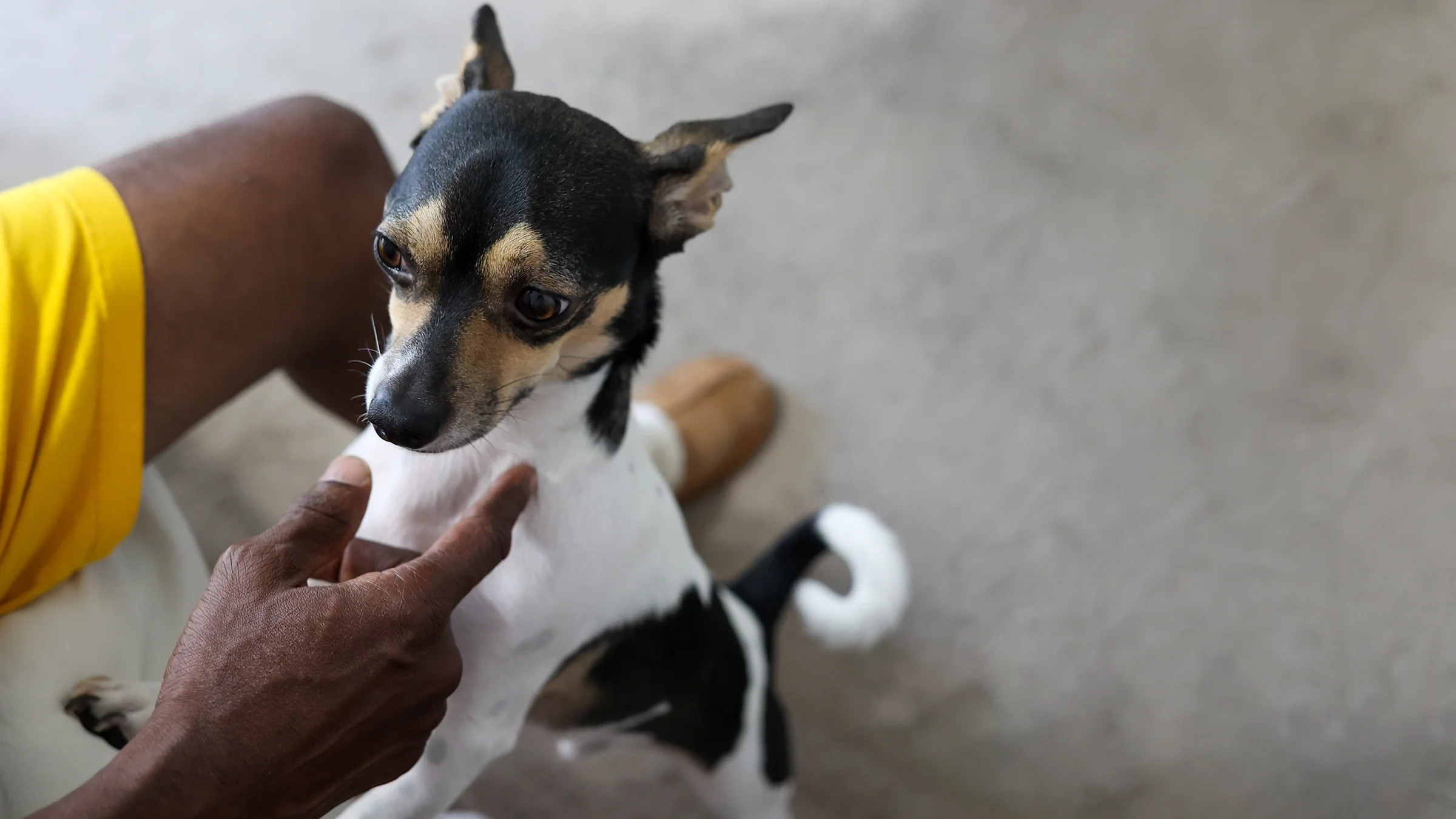
Propranolol can reduce aggressive behavior by calming the dog’s nervous system. It helps dogs stay relaxed in stressful situations.
| Type of Aggression | Propranolol Effect |
|---|---|
| Territorial | Reduces defensive reactions |
| Fear-based | Calms fear responses |
| Redirected | Lessens impulsive attacks |
Noise Phobia
Dogs with noise phobia often panic during loud sounds like fireworks or thunderstorms. Propranolol helps ease their physical stress.
- Reduces heart rate spikes
- Decreases trembling and shaking
- Helps dogs stay calmer during noise events
Recommended Dosage
Propranolol is a medication used to help dogs with behavior issues. It can reduce anxiety and calm nervous dogs.
Giving the right dose is important. The dose depends on the dog’s weight and the problem being treated.
Standard Dose Ranges
The usual dose of propranolol for dogs is between 0.5 mg to 2 mg per kilogram of body weight. This dose is given once or twice daily.
Starting at a low dose helps to watch for side effects. The dose can increase slowly if needed.
Adjusting Dose By Weight
Doses change based on the dog’s weight. Smaller dogs need less medicine, larger dogs need more.
| Dog Weight (kg) | Propranolol Dose (mg) |
|---|---|
| 5 | 2.5 to 10 mg |
| 10 | 5 to 20 mg |
| 20 | 10 to 40 mg |
| 30 | 15 to 60 mg |
Frequency And Duration
Propranolol is usually given one or two times each day. The vet will decide the best schedule.
Treatment length depends on the behavior problem. Some dogs take it for a few weeks, others longer.
Administering Propranolol
Propranolol is a medication commonly used to treat anxiety and behavioral issues in dogs. Administering propranolol requires careful consideration of the correct dosage and timing to ensure effectiveness and minimize potential side effects.
Oral Forms And Techniques
Propranolol is available in various oral forms, including tablets and liquid solutions. When administering propranolol to your dog, it’s essential to use the correct form and technique to ensure accurate dosing.
- Tablets: Propranolol tablets come in different strengths, and your veterinarian will prescribe the correct dosage for your dog based on their weight and medical condition.
- Liquid Solutions: Propranolol liquid solutions are often used for dogs that have trouble swallowing tablets. Follow your veterinarian’s instructions for measuring the correct dose.
Timing With Meals
The timing of propranolol administration is crucial to ensure its effectiveness and minimize potential side effects. Typically, propranolol is administered 30 minutes to 1 hour before meals or at the same time as meals.
| Meal Time | Propranolol Administration |
|---|---|
| Breakfast | Administer propranolol 30 minutes to 1 hour before breakfast |
| Lunch | Administer propranolol at the same time as lunch |
| Dinner | Administer propranolol 30 minutes to 1 hour before dinner |
It’s essential to follow your veterinarian’s specific instructions for administering propranolol to your dog, as the correct dosage and timing may vary depending on your dog’s individual needs and medical condition.
Safety Precautions
Propranolol is a medication used to help dogs with behavior issues. It’s important to follow safety precautions when using this drug for your pet.
Always consult a veterinarian before starting propranolol. Dosage and monitoring are crucial to avoid complications.
Potential Side Effects
Propranolol can cause side effects in dogs. It’s important to watch for any changes in your pet’s health.
- Decreased heart rate
- Weakness or fatigue
- Breathing difficulties
Dogs Who Should Avoid Propranolol
Not all dogs are good candidates for propranolol. Some conditions make it unsafe for them.
- Dogs with asthma
- Dogs with heart failure
- Dogs with certain allergies
Monitoring During Treatment
Regular monitoring is key when your dog is on propranolol. This ensures the treatment is safe and effective.
Check your dog’s heart rate and breathing regularly. Report any concerns to your veterinarian immediately.
| Monitoring Task | Frequency |
| Heart rate check | Daily |
| Breathing assessment | Daily |
| Veterinary check-up | Monthly |
Combining With Other Therapies
Propranolol can help calm dogs with behavior issues. It works best when paired with other treatments. Combining therapies offers a stronger approach to manage anxiety and stress.
Using propranolol alone may not fix all behavior problems. Adding training or other medicines improves results. Always consult your vet before mixing treatments.
Behavioral Training
Training helps dogs learn new habits and reduce fears. When paired with propranolol, it can make training easier by lowering anxiety levels. Consistent sessions build trust and calm behavior.
- Positive reinforcement rewards good behavior
- Desensitization reduces fear of triggers
- Counter-conditioning changes negative responses
- Regular practice keeps skills sharp
- Professional trainers can guide difficult cases
Other Medications
Propranolol may be combined with other drugs to treat complex cases. Some medicines work on different brain chemicals, making the combination more effective. Your vet decides the best mix for your dog’s needs.
| Medication | Purpose | Notes |
| Fluoxetine | Reduces anxiety | Common with propranolol |
| Clomipramine | Controls compulsive behavior | May take weeks to work |
| Diazepam | Calms acute stress | Short-term use only |
| Selegiline | Improves cognitive function | Used in older dogs |
Veterinary Guidance
Propranolol is sometimes used to help calm dogs with anxiety or aggressive behavior. It works by slowing the heart rate and reducing stress signals.
Giving the right dose is important. Only a vet can decide the best amount for your dog.
When To Consult A Vet
Always talk to your vet before starting propranolol. Your dog needs a full check to avoid health risks. Contact your vet if your dog shows:
- Severe breathing problems
- Very slow heartbeat
- Weakness or fainting
- Worsening anxiety or unusual behavior
- Signs of allergic reaction like swelling or rash
Follow-up And Dose Adjustments
Your vet will schedule follow-up visits to check how propranolol affects your dog. Doses may change based on response and side effects.
| Visit | Purpose | Possible Action |
| First week | Check heart rate and anxiety | Adjust dose if needed |
| First month | Evaluate behavior improvement | Continue, increase, or decrease dose |
| Ongoing | Monitor side effects | Change treatment if needed |

Credit: www.goodrx.com
Frequently Asked Questions
What Is The Typical Propranolol Dose For Dogs?
The usual propranolol dose for dogs ranges from 0. 25 to 1 mg per pound. It’s given every 8 to 12 hours. Always follow your vet’s specific dosage instructions based on your dog’s condition and size.
How Does Propranolol Help With Dog Behavior Issues?
Propranolol reduces anxiety and stress by blocking adrenaline effects. It calms dogs prone to nervousness or aggression. This medication supports behavior modification but should be used alongside training.
Are There Side Effects Of Propranolol In Dogs?
Common side effects include lethargy, low heart rate, and weakness. Severe reactions are rare but require immediate vet care. Monitoring your dog during treatment is essential for safety.
Can Propranolol Be Combined With Other Behavior Medications?
Yes, propranolol is sometimes combined with other drugs. Your vet will carefully adjust doses to avoid interactions. Never mix medications without veterinary guidance.
Conclusion
Proper propranolol dosing helps manage dog behavior safely. Always follow your vet’s advice for the right amount. Watch your dog closely for any side effects or changes. Adjustments may be needed based on how your dog responds. Never give human medication without veterinary guidance.
Careful dosing supports your dog’s health and happiness. Stay informed and consult professionals to keep your pet safe. Small steps make a big difference in behavior control. Trust the process and prioritize your dog’s well-being.

Emily Barker is the founder of ChillDogLife.com, a space dedicated to helping pup parents discover the best dog products, lifestyle tips, and cozy ideas for happier homes.
A lifelong dog lover, Emily combines her passion for pets with a knack for research to share trusted recommendations on everything from toys and furniture to health and everyday care.
Her goal is simple: to make life easier, stylish, and more joyful for dogs and the people who love them.




