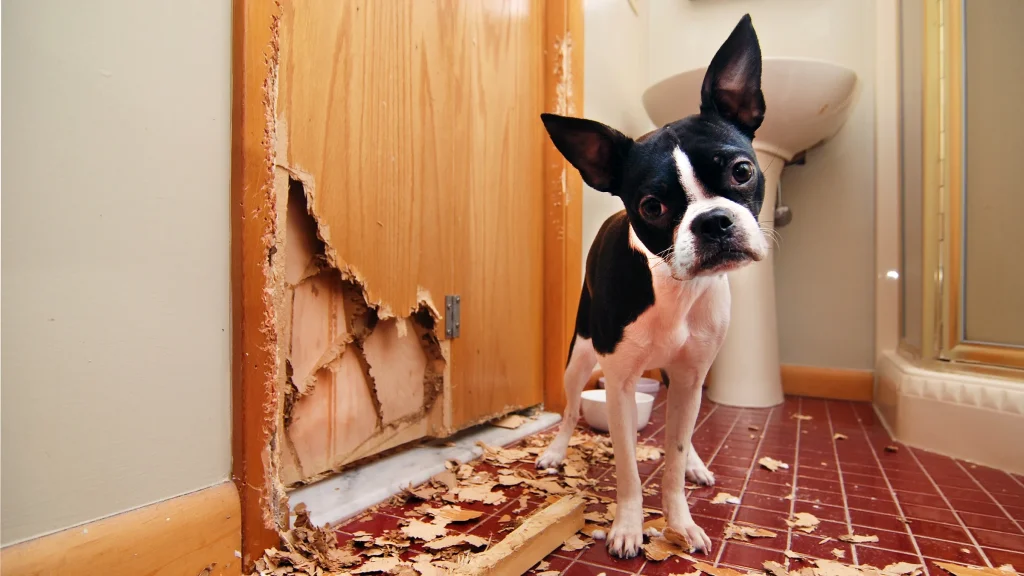
Is your dog acting restless, pacing, or showing signs of stress that you just can’t explain? You’re not alone.
Many dog owners face anxiety behavior in their pets, and it can be tough to know how to help. Understanding why your dog feels anxious and what triggers these behaviors is the first step to calming their nerves and restoring peace at home.
You’ll discover simple, effective ways to recognize and manage dog anxiety behavior—so your furry friend can feel safe, happy, and relaxed again. Keep reading, because what you learn here could change your dog’s life for the better.
Credit: theonlinedogtrainer.com
Signs Of Anxiety In Dogs
Dogs can feel anxious just like people do. It is important to know the signs of anxiety in dogs. This helps owners support their pets better.
Anxiety in dogs shows up in many ways. Some signs are easy to see, while others are more subtle. Learning these signs helps keep dogs calm and safe.
Physical Symptoms
Physical symptoms show how a dog’s body reacts to anxiety. These signs can appear suddenly or over time. Watch your dog closely for changes.
Common physical symptoms include shaking, panting, or a fast heartbeat. Dogs may also have watery eyes or drool more than usual.
- Shaking or trembling
- Excessive panting
- Fast or heavy breathing
- Watery or glassy eyes
- Increased drooling
- Yawning or licking lips often
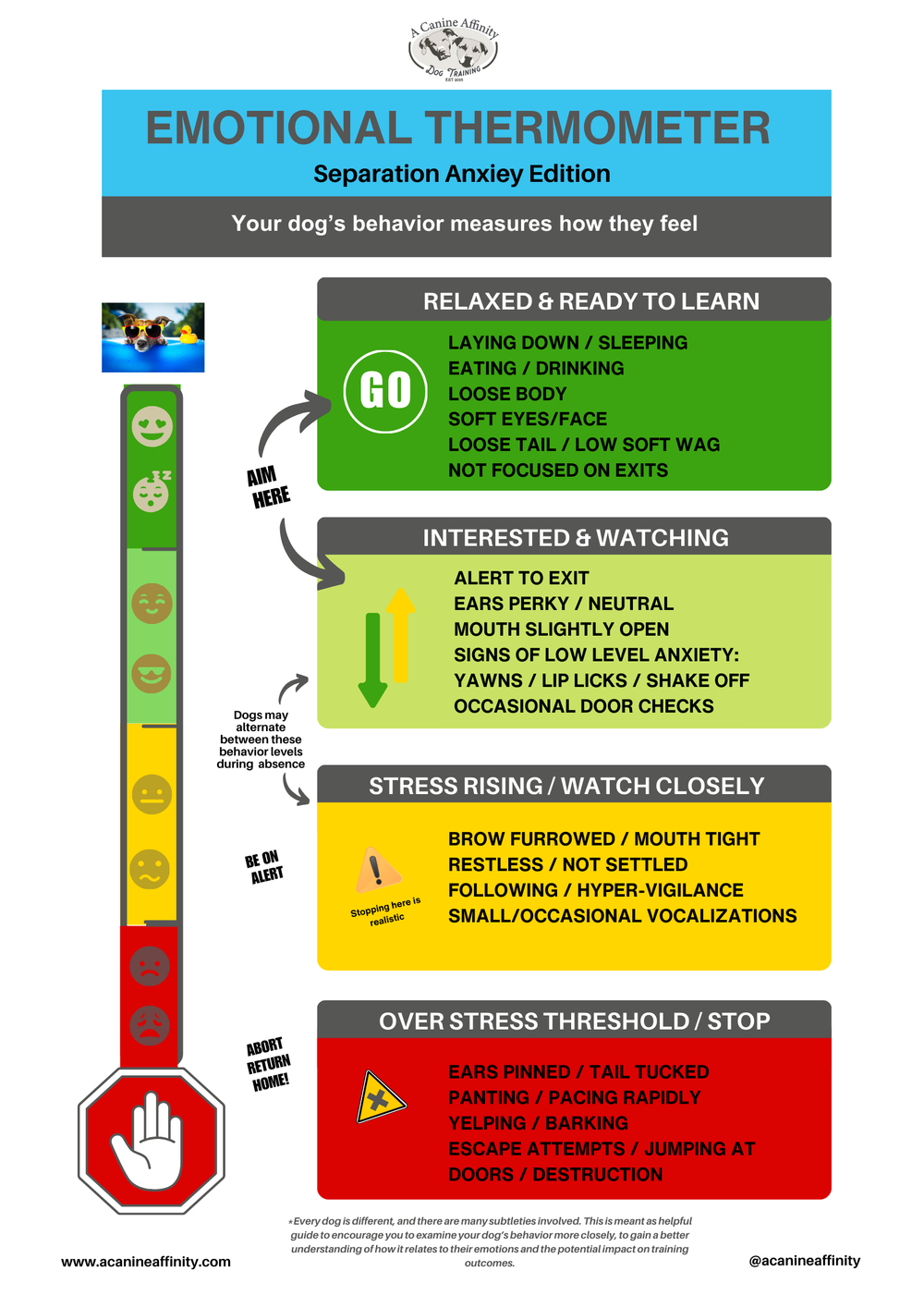
- Restlessness or pacing
Behavioral Changes
When dogs feel anxious, their behavior may change. They might act differently from normal. These changes can show stress or fear.
Look for signs like hiding, barking more, or refusing to eat. Some dogs may chew on things or have accidents inside the house.
- Hiding or avoiding people
- Increased barking or whining
- Refusing food or treats
- Chewing furniture or objects
- Urinating or defecating indoors
- Clinginess or following you closely
- Destructive behavior
Triggers To Watch For
Certain things can cause anxiety in dogs. Knowing these triggers helps prevent stress. Each dog may react to different triggers.
Common triggers include loud noises, new places, or being left alone. Watch how your dog reacts to these situations to spot anxiety early.
- Loud noises like thunder or fireworks
- Strangers or unfamiliar people
- New environments or travel
- Separation from owners
- Other animals or pets
- Changes in routine or schedule
Common Causes Of Dog Anxiety
Dogs can feel anxious for many reasons. Anxiety affects their behavior and health.
Understanding what causes anxiety helps owners support their pets better.
Separation Anxiety
Separation anxiety happens when dogs feel scared being alone. They may bark or chew things.
This anxiety starts if a dog is left alone suddenly or often. Some dogs depend on their owners too much.
Loud Noises And Storms
Thunderstorms, fireworks, and loud noises scare many dogs. Their sharp hearing makes sounds feel stronger.
- Thunder
- Fireworks
- Construction sounds
- Loud traffic
These noises can cause shaking, hiding, or trying to escape.
New Environments And Social Situations
Dogs get anxious in new places or around unfamiliar people and animals. Change makes them nervous.
| New Situation | Possible Reaction |
| New home | Whining and hiding |
| Meeting strangers | Growling or barking |
| Dog parks | Fear or aggression |
| Traveling | Restlessness and drooling |
Calming Techniques At Home
Dogs can feel anxious for many reasons. It is important to help them calm down at home. Simple techniques can reduce their stress and improve their behavior.
Using calming methods regularly helps dogs feel safe and relaxed. This guide shares easy ways to support your dog’s well-being.
Creating A Safe Space
Give your dog a quiet area where they can rest without noise or distractions. This space should feel secure and comfortable.
Use soft bedding and keep the space clean. Let your dog go there anytime they feel uneasy or need a break.
- Choose a quiet corner or room
- Use blankets or a cozy dog bed
- Keep familiar toys nearby
- Limit access to loud areas
Use Of Calming Products
There are products designed to help calm anxious dogs. These can ease stress in difficult situations.
Calming collars, sprays, and treats use natural ingredients to relax dogs. These products work best with other calming methods.
- Calming collars release soothing scents
- Sprays can be used on bedding or toys
- Treats often contain herbs like chamomile
- Always follow product instructions carefully
Routine And Exercise
Dogs feel safer with a regular daily routine. Feeding, walking, and playtime at the same hours reduce anxiety.
Exercise helps burn off nervous energy. It also improves your dog’s mood and health.
- Feed your dog at consistent times
- Take daily walks or play outside
- Include mental exercises like training
- Keep a calm tone during activities
Credit: www.acanineaffinity.com
Training Methods To Reduce Anxiety
Dogs can feel anxious for many reasons. Training helps them feel calm and safe. Using the right methods can ease their worries.
Here are some effective training methods to reduce anxiety in dogs. These techniques build trust and confidence over time.
Desensitization And Counter-conditioning
Desensitization means slowly exposing your dog to things that cause fear. Counter-conditioning changes their negative feelings to positive ones.
- Start with a low level of the trigger that does not cause anxiety.
- Gradually increase exposure as your dog stays calm.
- Pair the trigger with treats or play to create good feelings.
- Be patient and repeat the process over days or weeks.
Positive Reinforcement
Positive reinforcement rewards good behavior. It helps your dog learn that calm actions bring nice results.
| Action | Reward |
| Staying calm near loud noises | Favorite treat |
| Relaxing on their bed | Gentle petting |
| Ignoring triggers | Playtime with a toy |
Professional Training Support
Sometimes professional help is best. Trainers can guide you with special plans and advice.
Benefits of professional support:
- Customized training for your dog’s needs
- Expert advice on behavior signs
- Safe handling of severe anxiety cases
- Support for owners to stay consistent
When To Seek Veterinary Help
Dog anxiety can affect their health and happiness. Knowing when to see a vet is very important.
Look for signs that your dog is stressed or fearful often. A vet can help find the best care plan.
Medication Options
Sometimes medicines help reduce anxiety in dogs. A vet can prescribe the right drugs safely.
- Anti-anxiety medications
- Antidepressants
- Natural supplements
- Pain relief if anxiety links to pain
Behavioral Therapy
Training and behavior changes help dogs feel calm. A vet may recommend a trainer or therapist.
- Desensitization to triggers
- Counter-conditioning
- Positive reinforcement training
- Relaxation exercises
Long-term Management Plans
Managing anxiety takes time. A vet can create a plan that fits your dog’s needs and lifestyle.
| Plan Element | Description |
| Routine | Keep feeding and walks on a schedule |
| Exercise | Daily play and walks to reduce stress |
| Safe Space | A quiet area your dog can relax in |
| Follow-Up | Regular vet visits to check progress |

Credit: www.holysit.ca
Frequently Asked Questions
What Are Common Signs Of Dog Anxiety Behavior?
Common signs include excessive barking, pacing, trembling, and destructive chewing. Dogs may also show restlessness or clinginess when anxious. Recognizing these signs early helps in managing anxiety effectively and improving your dog’s well-being.
How Can I Calm My Anxious Dog At Home?
Calm your dog by providing a quiet space and using soothing tones. Regular exercise and interactive toys reduce stress. You can also try calming treats or pheromone diffusers designed for dogs.
What Causes Anxiety Behavior In Dogs?
Anxiety in dogs can stem from separation, loud noises, or past trauma. Changes in environment or routine also trigger anxiety. Understanding causes helps in creating a safe and comforting environment for your dog.
When Should I See A Vet For Dog Anxiety?
Visit a vet if anxiety causes severe distress or destructive behavior. If home remedies fail or symptoms worsen, professional help is essential. A vet can recommend therapy or medication for effective treatment.
Conclusion
Dog anxiety behavior can affect your pet’s happiness and health. Knowing the signs helps you act quickly. Calm and patient care can ease their stress. Simple changes at home make a big difference. Regular walks and playtime keep dogs relaxed and happy.
Consult a vet for serious anxiety problems. Every dog deserves comfort and love. Stay attentive and supportive to help your dog feel safe. Small efforts bring great results over time. Keep learning about your dog’s needs daily.

Emily Barker is the founder of ChillDogLife.com, a space dedicated to helping pup parents discover the best dog products, lifestyle tips, and cozy ideas for happier homes.
A lifelong dog lover, Emily combines her passion for pets with a knack for research to share trusted recommendations on everything from toys and furniture to health and everyday care.
Her goal is simple: to make life easier, stylish, and more joyful for dogs and the people who love them.




