Have you ever wondered why your dog acts the way it does around other dogs or even people? Understanding pack behavior in domestic dogs can unlock the secrets behind their social habits, communication, and loyalty.
When you know how your dog thinks as part of a pack, you can strengthen your bond and improve training. Keep reading to discover surprising insights about your furry friend’s natural instincts that will change how you see and interact with them every day.
Pack Structure In Dogs
Domestic dogs have a natural pack behavior inherited from their wild ancestors. This behavior helps them live in groups and work together. Understanding pack structure can improve how we care for and train dogs.
Each dog in a pack has a role that supports the group’s safety and order. These roles can change depending on the situation and the dogs around them.
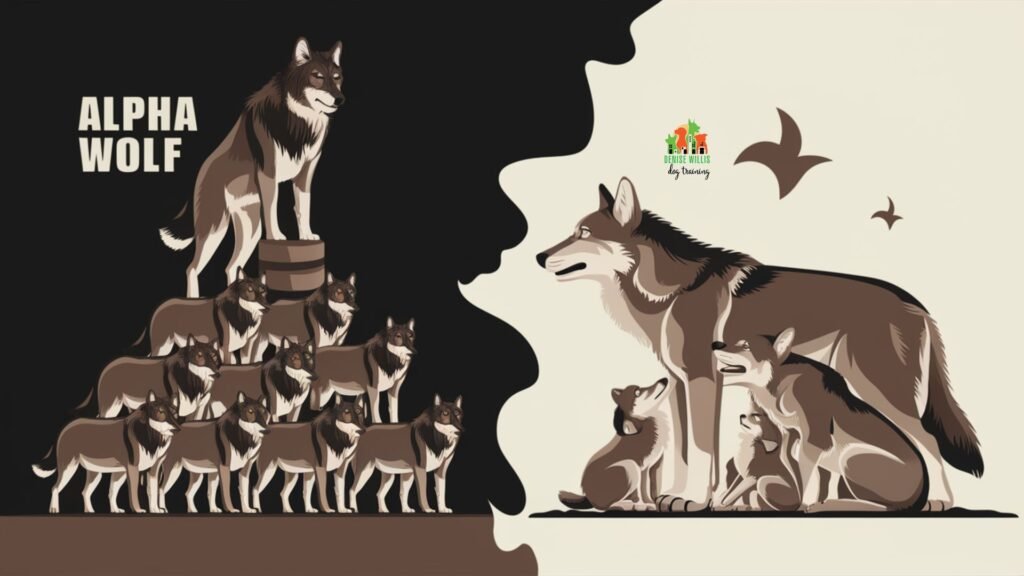
Alpha, Beta, And Omega Roles
The pack has a clear order with three main roles: Alpha, Beta, and Omega. Each role has different responsibilities and behavior patterns.
- Alpha:The leader who guides and makes decisions for the pack.
- Beta:The second-in-command who supports the Alpha and keeps order.
- Omega:The lowest rank who often acts as a stress reliever for the pack.
Hierarchy Formation
Dogs form hierarchies to avoid fights and keep peace in the pack. This order is based on strength, confidence, and social skills.
| Step | Action | Purpose |
|---|---|---|
| 1 | Show confidence | Gain respect from other dogs |
| 2 | Establish clear signals | Communicate rank and limits |
| 3 | Accept roles | Maintain peace in the pack |
Role Flexibility
Roles in a dog pack are not fixed. Dogs can change roles based on age, health, and group changes. Flexibility helps the pack stay strong.
For example, a Beta dog may become Alpha if the leader is absent. Omega dogs may gain higher rank with experience or strength. This ability to adapt is key to the pack’s survival.
Credit: www.dwdogtraining.com
Communication Within The Pack
Dogs living in packs use many ways to talk to each other. This helps keep the group safe and strong. They share feelings and intentions without words.
Understanding these signals can help us see how dogs work together and respect each other.
Body Language Signals
Body language is a main way dogs show what they feel. They use their ears, tail, eyes, and posture to send messages.
- Tail wagging:Shows happiness or excitement.
- Raised hackles:Means the dog feels threatened or alert.
- Lowered body:Signals submission or fear.
- Direct eye contact:Can be a challenge or threat.
- Play bow:Invites others to play and shows friendliness.
Vocalizations And Their Meanings
Dogs make different sounds to share their feelings. Each sound has a special meaning for the pack.
| Sound | Meaning |
|---|---|
| Bark | Warning or alert to danger |
| Whine | Shows stress or asks for attention |
| Growl | Warning to stay away |
| Howl | Long-distance call to gather the pack |
| Yelp | Expresses pain or surprise |
Scent Marking
Scent marking helps dogs know who is in the pack and their territory. They leave smells on objects and places.
Common scent marking methods include:
- Urine marking on trees or posts
- Rubbing the body on surfaces
- Leaving gland secretions on objects
These scents tell others about rank, health, and presence.
Social Bonds And Relationships
Dogs live in groups called packs. Their social bonds keep the pack strong. These bonds help dogs work and live together.
Understanding pack behavior shows how dogs connect with each other. Their relationships affect how they behave daily.
Friendship And Affiliation
Dogs form friendships inside the pack. They spend time close to friends. This builds trust and comfort.
Affiliation means friendly actions like licking or resting near each other. These actions keep bonds strong.
- Sharing space peacefully
- Grooming each other
- Following a friend’s lead
Conflict Resolution
Dogs use signals to avoid fights. They show calm body language to solve problems. This keeps the pack safe.
Sometimes dogs growl or snap to set limits. These actions stop bigger fights and keep respect.
- Showing teeth without biting
- Lowering the body to seem smaller
- Turning the head away to show no threat
Cooperation And Play
Dogs work together to find food and protect the pack. Cooperation helps them survive in nature.
Play is a way dogs practice social skills. It helps them learn rules and build good relationships.
- Chasing each other gently
- Taking turns with toys
- Practicing hunting moves through play
Impact Of Domestication On Pack Behavior
Domestication has changed how dogs behave in packs. Unlike their wild ancestors, domestic dogs live closely with humans. Their social habits have shifted to fit household life.
Understanding these changes helps us see why dogs act the way they do. It also shows how living with humans affects their natural pack instincts.
Changes From Wild Ancestors
Wild ancestors like wolves lived in strict packs. They had clear roles such as leader, hunter, and caretaker. Dogs today show less rigid roles and more flexible social behavior.
- Wild packs had one alpha leader
- Dogs now follow human leadership more
- Wild packs hunted together; dogs rely on humans for food
- Dogs form smaller social groups than wild packs
Human Influence On Social Dynamics
Humans changed dog behavior by controlling breeding and training. Dogs learned to read human signals and obey commands. This shifted their social focus from other dogs to people.
| Aspect | Wild Ancestors | Domestic Dogs |
| Leadership | Alpha wolf leads pack | Human leads dog |
| Communication | Wolf howls and body language | Responds to human voice and gestures |
| Social Bonds | Strong bonds with pack members | Strong bonds with humans and some dogs |
Adaptation To Household Life
Dogs changed their pack behavior to fit home life. They learned to share space with humans and other pets. Their needs and social habits adapted for comfort and safety.
Key adaptations in household life include:
- Accepting humans as pack leaders
- Reduced aggression towards other animals
- Increased dependency on humans for care
- Seeking attention and affection from people
Training And Pack Behavior
Dogs have natural pack instincts that affect their behavior. Training works best when you understand these instincts. This helps build respect and clear communication between you and your dog.
Pack behavior shows how dogs live and follow leaders. Knowing this helps owners guide their dogs with kindness and firmness. Training becomes easier and more effective.
Role Of The Owner As Pack Leader
As the pack leader, the owner sets rules and boundaries. Dogs look to the leader for guidance and safety. Clear leadership helps dogs feel secure and behave well.
Owners must be calm and consistent. This shows the dog that the owner is confident and in control. It also helps avoid confusion and stress in the dog.
Using Pack Dynamics In Training
Training should follow the natural pack structure. Dogs respond to leadership and clear signals. Use this to teach commands and good manners.
- Establish daily routines for feeding and walks
- Use firm but gentle voice commands
- Reward positive behavior consistently
- Correct unwanted behavior calmly
- Allow your dog to understand its place in the family pack
Common Misconceptions
| Misconception | Fact |
|---|---|
| Owners must dominate dogs by force | Leadership is about calm confidence, not force |
| Dogs see owners as pack mates, not leaders | Dogs look for a clear leader for guidance |
| Ignoring pack behavior does not affect training | Ignoring pack instincts can cause confusion and bad habits |
| Only harsh punishments work | Positive reinforcement and clear rules are more effective |
Behavioral Issues Linked To Pack Dynamics
Domestic dogs often display behaviors influenced by pack dynamics. Understanding these behaviors can help in managing them better.
Pack dynamics can lead to various issues. These include aggression, separation anxiety, and resource guarding.
Aggression And Dominance
Aggression and dominance are common in dogs. These behaviors stem from their instinct to establish a hierarchy.
- Dominant dogs may challenge other pets.
- Aggression can show through barking or snapping.
- Establishing clear rules helps manage these behaviors.
Separation Anxiety
Separation anxiety occurs when dogs feel stressed alone. It is linked to their need for a pack.
Resource Guarding
Resource guarding is when dogs protect food or toys. This behavior arises from pack survival instincts.
| Behavior | Possible Solution |
| Growling over food | Feed in separate areas |
| Guarding toys | Teach sharing through games |
| Protecting spaces | Create neutral zones |
Enhancing Pack Harmony
Enhancing pack harmony in domestic dogs is important for a peaceful home. Dogs have natural pack instincts, and understanding these can help manage group dynamics.
By focusing on socialization, enrichment, and monitoring, you can create a more harmonious environment for your dogs.
Socialization Strategies
Socialization helps dogs learn to interact positively with each other. Introducing dogs to different environments and other animals can reduce aggression and fear.
- Introduce new dogs gradually
- Use positive reinforcement during interactions
- Arrange playdates with well-behaved dogs
Environmental Enrichment
Environmental enrichment keeps dogs mentally stimulated and reduces boredom. This can prevent unwanted behaviors that disrupt pack harmony.
Consider creating a safe area where dogs can explore different textures and smells. Rotate toys to keep their interest high.
Monitoring Group Interactions
Monitoring group interactions helps you identify potential conflicts early. Observing how dogs interact can guide you in managing their behavior.
| Behavior | Action |
| Growling | Separate and redirect attention |
| Playing | Encourage with praise |
| Ignoring | Allow personal space |

Credit: www.dwdogtraining.com

Credit: dwdogtraining.com
Frequently Asked Questions
What Is Pack Behavior In Domestic Dogs?
Pack behavior in domestic dogs refers to their natural social structure. Dogs instinctively form groups with hierarchies. This behavior helps with cooperation, communication, and survival. Understanding pack behavior aids in training and managing dog interactions effectively.
How Does Pack Hierarchy Affect Dog Behavior?
Pack hierarchy establishes roles like leader and follower. Dogs respect higher-ranking members, reducing conflicts. This structure influences obedience, socialization, and dominance displays. Recognizing hierarchy helps owners guide dogs to behave well in social settings.
Why Do Dogs Form Packs With Humans?
Dogs see humans as part of their pack. They seek leadership, protection, and companionship from owners. This bond strengthens through trust and consistent interaction. Viewing humans as pack leaders improves dog obedience and emotional well-being.
Can Pack Behavior Cause Aggression In Dogs?
Pack behavior can lead to aggression if hierarchy is challenged. Dogs may display dominance or protect resources. Proper training and socialization minimize aggressive tendencies. Understanding pack dynamics helps prevent and manage aggression issues.
Conclusion
Dogs live by natural pack rules. These rules help them feel safe and strong. Understanding pack behavior helps owners build better bonds. It also guides training and stops problems early. Dogs thrive with clear roles and respect. Watching how dogs interact can teach us a lot.
Every dog is unique but shares this pack instinct. Respect their nature, and your dog will feel happy. Simple actions make a big difference in their life. Pack behavior is key to a healthy dog relationship.

Emily Barker is the founder of ChillDogLife.com, a space dedicated to helping pup parents discover the best dog products, lifestyle tips, and cozy ideas for happier homes.
A lifelong dog lover, Emily combines her passion for pets with a knack for research to share trusted recommendations on everything from toys and furniture to health and everyday care.
Her goal is simple: to make life easier, stylish, and more joyful for dogs and the people who love them.




