
Have you ever caught your dog digging at the floor and wondered why they do it? It can be puzzling—and sometimes even frustrating—to see your furry friend scratching and clawing at spots inside your home.
But understanding this behavior can help you connect better with your dog and find ways to keep both of you happy. You’ll discover the surprising reasons behind your dog’s digging habit and learn simple solutions to stop it for good.
Keep reading, because the answer might be easier than you think.
Common Digging Behaviors
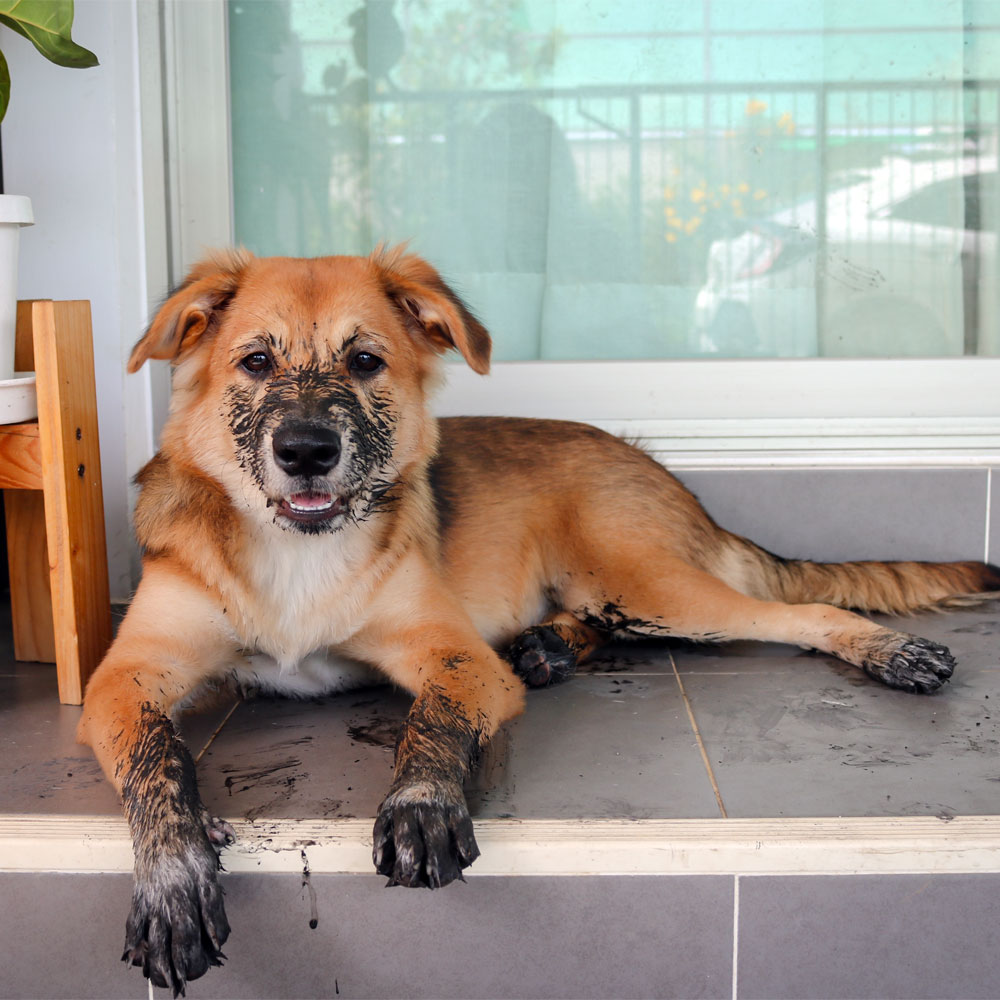
Dogs digging at the floor is a behavior many pet owners notice but don’t always understand. This action can seem puzzling or even frustrating, especially when it leads to scratched floors or damaged carpets. Knowing the common reasons behind this behavior helps you respond better and keep your furry friend happy.
Instinctive Actions
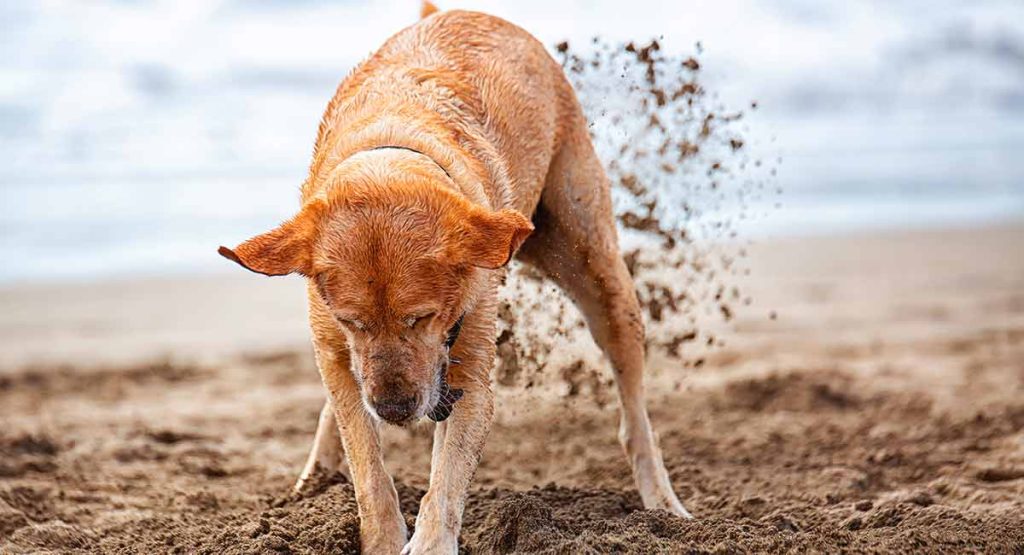
Digging is deeply rooted in a dog’s natural instincts. Wild ancestors dug to find food, create a safe spot, or hide treasures.
Your dog might be driven by this inherited urge, even if there’s no obvious reason. You’ve probably seen your dog pawing at a spot repeatedly—this is instinct at work, not just mischief.
Seeking Comfort
Sometimes, dogs dig to make their environment more comfortable. They might be trying to cool down a spot or find a cozy place to rest.
If your dog digs near a door or a favorite resting area, it could be an attempt to adjust the space for comfort. Think about how you rearrange pillows or blankets to feel better—your dog does something similar.
Attention Seeking
Dogs quickly learn what grabs your attention. If digging results in you looking over, talking, or even scolding, your dog may repeat it just to get noticed.
Have you caught your dog digging right after you sit down or start working? That could be a clear sign they want your focus. Understanding this helps you decide when to engage and when to distract with a toy or activity instead.
Credit: wagsworthmanor.com
Environmental Triggers
Dogs often react to their surroundings in ways that might puzzle you. Digging at the floor can be a direct response to certain environmental triggers that affect their comfort and mood. Understanding these triggers can help you create a more calming space for your furry friend and reduce unwanted digging behavior.
Noisy Or Uncomfortable Spaces
Dogs have sensitive hearing and can become stressed by loud or constant noises. Construction sounds, loud music, or even household appliances might make your dog dig as a way to cope or find a quieter spot.
If your dog digs near a certain wall or corner, try observing if that area echoes noises or feels cramped. Moving their bed or toys to a quieter spot can sometimes stop the digging.
Temperature Regulation
Your dog might dig to cool down or warm up, depending on the temperature of the floor. Dogs often use digging as a way to expose cooler ground during hot days or to find a cozy spot during cold weather.
Have you noticed your dog digging near tiles or hardwood floors? These surfaces tend to stay cooler, making them attractive for temperature relief. Offering a cooling mat or a warm blanket might reduce the need to dig for comfort.
Boredom And Lack Of Exercise
When dogs don’t get enough physical or mental stimulation, they can turn to digging out of boredom. Digging becomes a way to release pent-up energy and entertain themselves.
Think about your dog’s daily routine. Are they getting enough walks, playtime, and challenges? Adding interactive toys or scheduling more activity could help curb this behavior.
Health-related Causes
When your dog starts digging at the floor, it might not just be a quirky habit or boredom. Sometimes, this behavior points to health-related issues that need your attention. Understanding these causes can help you respond quickly and keep your furry friend comfortable and happy.
Allergies And Skin Irritations
Dogs often dig at the floor when they feel itchy or irritated. Allergies to food, pollen, or household chemicals can cause skin discomfort, making them try to relieve the itch by scratching or digging.
If you notice your dog frequently digging near certain spots or licking their paws, it could be a sign of allergies. Have you checked if new cleaning products or foods might be triggering this behavior?
Pain Or Discomfort
Your dog may dig at the floor to distract themselves from pain or discomfort. Joint pain or muscle soreness can cause restlessness, and digging might provide a temporary outlet for that stress.
Watch for other signs like limping, reluctance to move, or changes in behavior. If digging coincides with these symptoms, a vet visit is a good idea to rule out any underlying issues.
Parasite Infestations
Parasites like fleas, ticks, or mites can make your dog extremely uncomfortable. The irritation caused by these pests often leads to scratching and digging at floors or carpets.
Regularly check your dog’s coat and skin for signs of parasites. Have you noticed increased scratching or small red bumps? Treating infestations quickly can stop the digging and protect your dog’s health.
Psychological Factors
Dogs often dig at the floor for reasons beyond physical needs. Psychological factors play a big role in this behavior. Understanding these reasons helps owners address the root cause effectively.
Anxiety And Stress
Digging can be a way for dogs to relieve anxiety. Stress triggers repetitive actions like digging to calm themselves. Situations such as loud noises or new environments may increase stress. This behavior acts as a coping mechanism for uneasy feelings.
Separation Issues
Dogs with separation problems may dig when left alone. This behavior helps reduce their loneliness or boredom. It can also express their frustration from missing their owner. Digging becomes a way to find comfort or distract themselves.
Natural Hunting Instincts
Digging relates to a dog’s original hunting instincts. Dogs dig to search for hidden prey or objects. Even domestic dogs keep this natural behavior alive. It satisfies their curiosity and need to explore underground scents or sounds.
How To Manage Floor Digging
Managing your dog’s floor digging requires patience and consistent effort. Understanding the root cause helps you guide their behavior in a positive way. Creating a calm and inviting environment is key. Mental and physical activities can reduce their urge to dig. Training and behavior changes help your dog learn new habits.
Creating A Comfortable Space
Provide a cozy area for your dog to relax. Use soft bedding and familiar toys. Make sure this space feels safe and quiet. This helps reduce anxiety that may cause digging. Keep the area clean and free from distractions. Your dog will prefer this spot over the floor.
Providing Mental And Physical Stimulation
Dogs need exercise to burn off energy. Take regular walks and play fetch or tug-of-war. Use puzzle toys to challenge their mind. Rotate toys to keep them interested. Mental and physical activities can reduce boredom. A tired dog is less likely to dig indoors.
Training And Behavior Modification
Teach your dog commands like “leave it” or “no.” Reward good behavior with treats and praise. Redirect digging behavior to a suitable place outside. Avoid punishment, as it may cause fear or confusion. Consistency is important in training sessions. Over time, your dog will learn where to dig and where not to.
Credit: thepawvine.com
When To Consult A Vet
Noticing your dog digging at the floor can be puzzling, but knowing when to consult a vet is crucial. Sometimes this behavior signals more than just a quirky habit. Understanding the signs that point to medical or behavioral issues helps you act in your dog’s best interest quickly.
Identifying Medical Concerns
If your dog suddenly starts digging excessively, it might be a sign of discomfort or pain. Look for other symptoms like licking paws, limping, or unusual scratching. These could indicate allergies, skin infections, or even neurological problems that need a vet’s attention.
Persistent digging combined with lethargy or loss of appetite is a red flag. Don’t ignore these signs, as early diagnosis can prevent more serious health issues. Have you noticed any changes in your dog’s overall behavior alongside the digging?
Behavioral Assessments
Sometimes, digging is rooted in anxiety or boredom rather than illness. Vets can assess whether your dog’s environment or routine is causing stress. They might ask about changes in your home, like new pets or family members, that could be affecting your dog.
A vet can also help rule out obsessive-compulsive behaviors. If your dog digs at specific times or places, it might need a behavior plan. Are you providing enough mental and physical stimulation to keep your dog engaged?
Treatment Options
Once a vet diagnoses the cause, they’ll suggest treatments tailored to your dog’s needs. Medical issues may require medications, special diets, or allergy management. Behavioral problems could improve with training, environmental changes, or calming aids.
Working closely with your vet ensures your dog’s digging stops for the right reasons. Imagine the relief in watching your dog feel comfortable and happy again. What small changes can you start today to support your dog’s well-being?

Credit: www.reddit.com
Frequently Asked Questions
Why Does My Dog Scratch The Floor?
Dogs scratch floors due to instinctual behavior. It’s a natural trait inherited from their wild ancestors. This action helps them create a comfortable resting spot. It may also signal anxiety or boredom. Providing toys and engaging activities can help reduce this behavior.
How Can I Stop My Dog From Digging?
To stop your dog from digging, provide mental and physical stimulation. Regular exercise, interactive toys, and training can help. Create a designated digging area with sand or soil. Praise your dog when they use it. Consistency and patience are key to modifying this behavior.
Is Floor Digging A Sign Of Anxiety?
Yes, floor digging can indicate anxiety in dogs. This behavior may stem from stress or nervousness. Identifying triggers and providing a calming environment can help. Consider using soothing music or aromatherapy. Consult a vet if anxiety persists, as professional guidance may be necessary.
Could Digging Indicate A Health Issue?
Yes, excessive digging might signal a health issue. Conditions like allergies or skin irritations can cause discomfort, leading to digging. Observe your dog’s behavior closely. If there’s a sudden increase in digging, consult your veterinarian. They can rule out medical conditions and suggest appropriate treatments.
Conclusion
Dogs dig at the floor for many simple reasons. Sometimes, they feel bored or want to play. Other times, they try to hide toys or find something. Digging can also mean they feel nervous or want attention. Watching your dog closely helps understand their behavior.
Giving them toys or exercise often reduces digging. Remember, patience and care help your dog feel happy. Digging shows a dog’s natural side. Learning why your dog digs brings you closer together.

Emily Barker is the founder of ChillDogLife.com, a space dedicated to helping pup parents discover the best dog products, lifestyle tips, and cozy ideas for happier homes.
A lifelong dog lover, Emily combines her passion for pets with a knack for research to share trusted recommendations on everything from toys and furniture to health and everyday care.
Her goal is simple: to make life easier, stylish, and more joyful for dogs and the people who love them.




