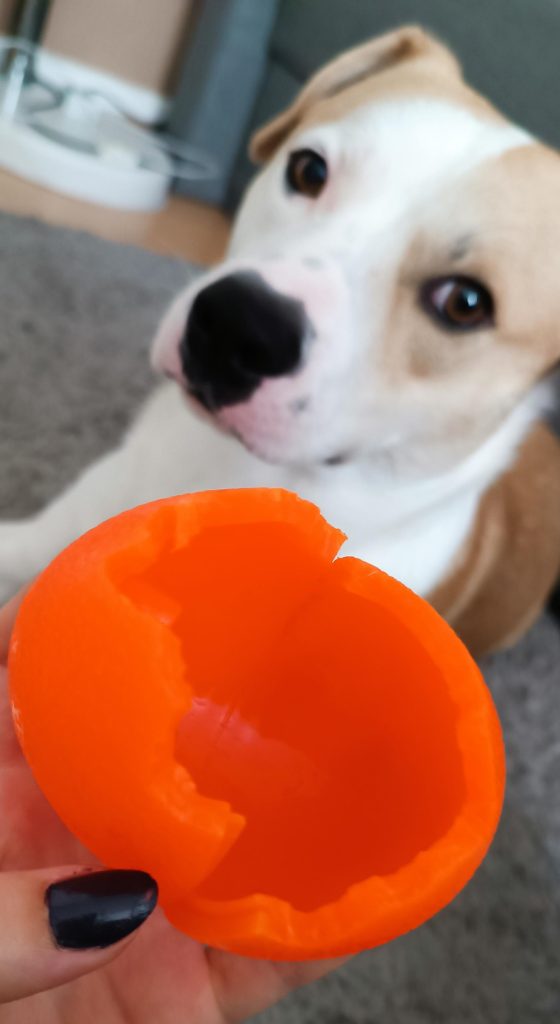
Have you ever noticed your dog chewing her toys right on top of you? It’s a curious behavior that might leave you wondering what’s really going on in her mind.
Is she trying to tell you something, or is it just a quirky habit? Understanding why your furry friend chooses to chew her toys while close to you can deepen your bond and help you respond in the best way.
Keep reading to discover the surprising reasons behind this behavior and what it means for your relationship with your dog.

Credit: www.reddit.com
Reasons Behind Toy Chewing
Understanding why your dog chews her toys on you can reveal a lot about her feelings and needs. Chewing isn’t just a random habit; it’s a behavior rooted in several natural and emotional reasons. Knowing these can help you respond in ways that strengthen your bond and keep your home intact.
Natural Instincts
Chewing is deeply wired into a dog’s nature. It mimics behaviors that wild ancestors used to keep their teeth strong and jaws healthy. When your dog chews her toys around you, she’s simply expressing this natural instinct in a safe environment.
Have you noticed how she chooses certain toys over others? Those favorites often feel good to chew because they satisfy this instinct perfectly.
Teething And Oral Comfort
Just like babies, puppies go through teething phases that cause discomfort. Chewing helps soothe sore gums and eases the pain. If your dog is younger, her toy chewing is likely a way to find relief.
Even adult dogs may chew to massage their gums and keep their teeth clean. Providing the right toys can make a huge difference in her comfort level.
Boredom And Energy Outlet
If your dog isn’t getting enough physical or mental exercise, she might turn to her toys to burn off excess energy. Chewing becomes a fun and rewarding activity that keeps her busy. Do you give her enough playtime and walks?
Try mixing in puzzle toys or new chew items to keep her mind sharp and prevent destructive chewing elsewhere.
Seeking Attention
Sometimes, your dog chews her toys on you because she wants interaction. She knows this behavior gets your attention, whether you laugh, talk, or even gently correct her. Does she stop when you engage with her, or does she keep going?
Consider setting aside dedicated play sessions so she feels noticed and loved without needing to grab your focus through chewing.
Emotional Connections
Dogs use chewing to connect emotionally with their owners. This behavior often shows deep feelings beyond just play or boredom. Understanding these emotional connections helps build a stronger bond with your dog. Chewing her toys on you can be a way for your dog to express love, comfort, or stress. Each chew might carry a message about how your dog feels inside.
Showing Affection
Chewing toys on you can be a sign of love. Dogs often show affection by being close and sharing their favorite things. When your dog chews her toy near or on you, she may want to feel close. This action can mean she trusts and likes you a lot. It is her way of saying, “You are my safe place.”
Feeling Safe And Secure
Chewing helps dogs feel calm and safe. Your dog might chew her toy on you because she feels protected. Your presence gives her comfort during uncertain moments. This behavior can mean she sees you as her safe zone. Chewing releases happy chemicals in her brain, making her feel relaxed.
Expressing Anxiety
Sometimes, chewing shows that your dog is anxious or worried. She may chew more on you during stressful times. It is a way to cope with nervous feelings. Your dog might need extra comfort when she does this. Watching her body language can help you understand her stress better.
Behavioral Triggers
Understanding why your dog chews her toys on you starts with recognizing the behavioral triggers behind this action. Chewing is more than just a way to relieve boredom; it often reflects deeper social and emotional cues. By identifying these triggers, you can respond better and strengthen your bond with your furry friend.
Imitating Play
Dogs often mimic behaviors they see as part of playtime. When your dog chews her toys on you, she might be copying the way you interact with her or her environment. This chewing can be a playful gesture, inviting you to join in the fun.
Have you noticed how your dog’s chewing changes when you engage with her? This behavior shows that she values your attention and wants to share her excitement with you.
Testing Boundaries
Chewing on toys near or on you can also be a way for your dog to test limits. She might be gauging how much freedom she has to chew and what reactions she gets from you. This is her way of learning what’s acceptable behavior in your relationship.
If you stay calm and set clear rules, your dog will understand her boundaries better. Consistency here helps prevent unwanted chewing habits from developing.
Marking Territory
Dogs use chewing as a subtle way to mark their territory. When your dog chews her toys close to you, she could be leaving her scent to signal that you are part of her safe space. This behavior is a sign of attachment and comfort.
Do you realize that this chewing is actually your dog’s way of showing affection? Respecting this behavior helps you appreciate how deeply connected your pet feels to you.

Credit: www.reddit.com
Preventing Unwanted Chewing
Stopping your dog from chewing on you starts with understanding their needs. Dogs chew to explore and relieve stress. Preventing unwanted chewing means giving them better options and teaching them good habits. It also helps to keep them busy and tired.
Providing Suitable Alternatives
Offer your dog safe, chew-friendly toys. Choose toys made for chewing, not soft or fragile ones. Rotate toys often to keep interest high. Hide some toys and bring them out later. This makes chewing exciting and fun.
Training And Positive Reinforcement
Teach your dog which things are okay to chew. Use clear commands like “no” or “leave it.” Praise and reward your dog when they chew toys, not your hands. Rewards can be treats, petting, or kind words. Patience is key. Consistent training helps your dog learn faster.
Increasing Physical Activity
Exercise your dog daily to burn energy. Walks, fetch, and playtime reduce stress and boredom. A tired dog chews less. Try different activities to find what your dog enjoys. Mental games also help, like puzzle toys or training sessions.
When To Consult A Veterinarian
Knowing when to seek help from a veterinarian is vital for your dog’s health. Chewing toys is normal, but changes in behavior may signal problems. Early attention can prevent serious issues and keep your dog comfortable. Watch for signs that suggest stress, pain, or unhealthy chewing habits.
Signs Of Stress Or Pain
- Whining or whimpering while chewing
- Sudden aggression or withdrawal
- Reluctance to chew or play
- Excessive licking or biting at a body part
- Changes in eating or sleeping patterns
These signs may mean your dog feels discomfort. Pain could cause her to chew more or less than usual. A vet can diagnose and offer relief.
Excessive Or Destructive Chewing
- Chewing beyond normal playtime
- Destroying toys quickly or aggressively
- Chewing household items or furniture
- Repeated chewing despite training
- Signs of anxiety like pacing or drooling
Excessive chewing might indicate stress or boredom. A veterinarian can help find the root cause. Treatment or behavior guidance often improves your dog’s habits.

Credit: www.reddit.com
Frequently Asked Questions
Why Does My Dog Prefer Chewing On Me?
Dogs often choose to chew toys on their owners for comfort and security. Your scent provides a sense of familiarity. This behavior also strengthens the bond between you and your pet. It’s a sign of affection and trust. Ensuring your dog has adequate toys can help balance this behavior.
Is It Normal For Dogs To Chew On People?
Yes, it’s common for dogs to chew toys on people. This behavior can stem from seeking attention or affection. Puppies, especially, use chewing as a way to explore. However, it’s crucial to redirect the behavior to toys. Consistent training can help manage this habit effectively.
How Can I Stop My Dog From Chewing On Me?
To discourage this behavior, offer your dog a variety of chew toys. Redirect their attention when they start chewing on you. Praise and reward them when they choose toys over you. Consistency in training is key. Patience and positive reinforcement can help modify this behavior over time.
Does Chewing On Me Mean My Dog Is Anxious?
Chewing can sometimes indicate anxiety or stress in dogs. If your dog compulsively chews on you, it might be seeking comfort. Ensure they have enough mental and physical stimulation. Providing a calm environment and regular exercise can reduce anxiety-related chewing.
Conclusion
Dogs chew toys on people for many reasons: comfort, play, or attention. This behavior shows trust and love. You can guide your dog gently to chew toys, not hands. Offering the right toys keeps your dog happy and safe. Understanding your dog helps build a stronger bond.
Remember, patience and kindness work best with pets. Keep toys clean and replace old ones often. Watching your dog closely helps prevent unwanted chewing. Enjoy these moments—they bring joy and friendship every day.

Emily Barker is the founder of ChillDogLife.com, a space dedicated to helping pup parents discover the best dog products, lifestyle tips, and cozy ideas for happier homes.
A lifelong dog lover, Emily combines her passion for pets with a knack for research to share trusted recommendations on everything from toys and furniture to health and everyday care.
Her goal is simple: to make life easier, stylish, and more joyful for dogs and the people who love them.




