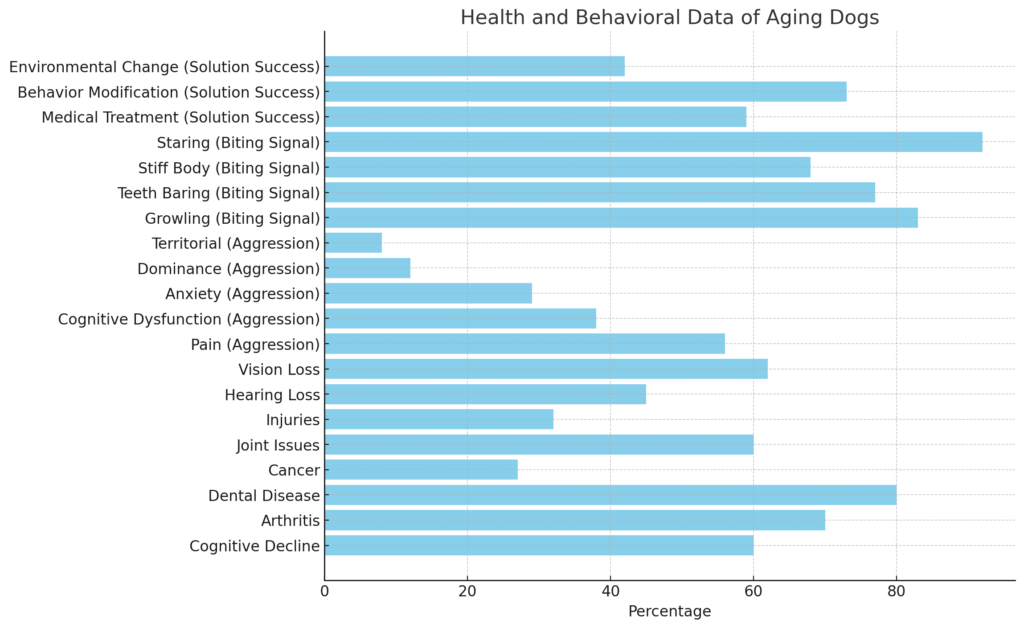
Have you noticed your dog acting differently lately? Maybe they seem less playful, more tired, or even a bit confused.
These changes can be worrying, but understanding why your older dog’s behavior is shifting is the first step to helping them feel comfortable and happy. You’ll discover the common behavior changes in older dogs and learn simple ways to support your furry friend through these new stages of life.
Keep reading to ensure your loyal companion gets the care and attention they deserve.
Credit: www.dwdogtraining.com
Common Behavior Changes
Older dogs often show changes in their behavior. These changes can be signs of aging or health issues.
Knowing these changes helps owners care for their pets better and keep them comfortable.
Increased Anxiety And Restlessness
Older dogs may feel more anxious than before. They might pace or seem restless without reason.
Changes in their environment or health can cause this nervous behavior.
- Pacing around the house
- Whining or barking more often
- Difficulty settling down
- Clinginess or needing more attention
Altered Sleep Patterns
Older dogs may sleep at different times than usual. They can nap more during the day.
They might also wake up more often during the night or have trouble falling asleep.
- More daytime naps
- Restless nights
- Increased waking up
Reduced Activity Levels
Older dogs often move less and play less. They get tired faster during walks or playtime.
This lower energy can be due to joint pain or lower stamina.
- Shorter walks
- Less running or jumping
- More resting periods
Changes In Social Interaction
Older dogs may act differently with people and other pets. Some become more withdrawn.
Others may seek more comfort and attention from their family members.
- Less interest in playing with other dogs
- More time spent alone
- Increased need for affection
- Avoiding strangers or new situations
Health-related Causes
Older dogs often show changes in behavior due to health problems. These issues can affect their mood, activity, and interaction.
Understanding the health causes helps owners provide better care and comfort for their aging pets.
Cognitive Dysfunction Syndrome
Cognitive Dysfunction Syndrome (CDS) is like dementia in dogs. It causes confusion, forgetfulness, and changes in sleep patterns.
Dogs may seem lost in familiar places or forget learned commands. They might also show less interest in play and socializing.
Arthritis And Mobility Issues
Arthritis causes joint pain and stiffness. It makes walking, climbing stairs, or jumping difficult for older dogs.
- Reluctance to move or play
- Limping or favoring one leg
- Difficulty getting up after resting
- Less interest in walks
These signs often lead to irritability or withdrawal from family activities.
Sensory Decline
As dogs age, their senses weaken. Loss of sight, hearing, or smell affects how they interact with the world.
| Sensory Loss | Behavior Changes |
| Vision | Walking into objects, anxiety in new places |
| Hearing | Not responding to calls, startling easily |
| Smell | Less interest in food or surroundings |
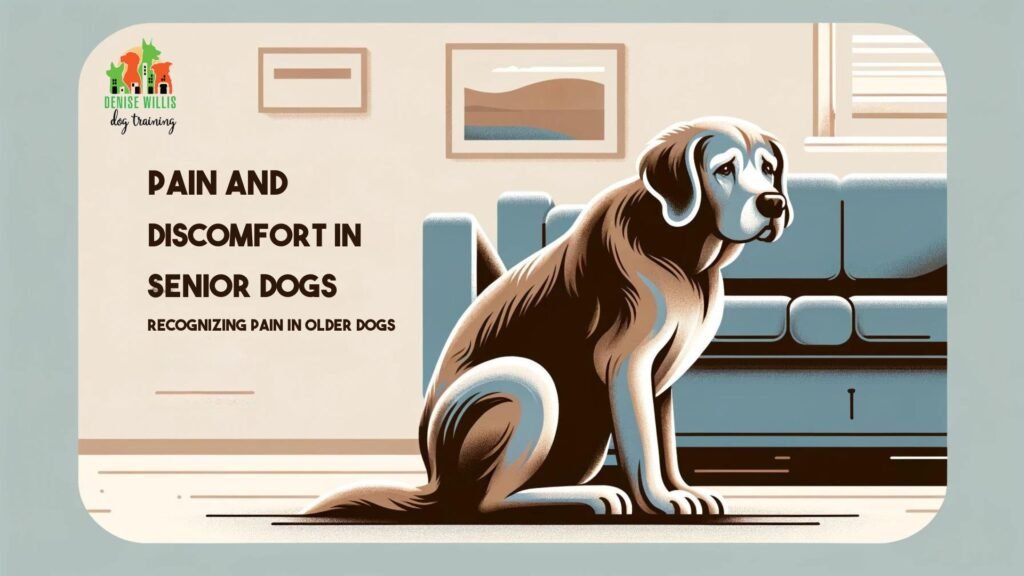
Chronic Pain Effects
Chronic pain from conditions like dental disease or tumors changes behavior. Dogs may growl, snap, or avoid touch.
Common signs of chronic pain include:
- Restlessness or trouble sleeping
- Reduced appetite
- Changes in bathroom habits
- Decreased interest in usual activities
Emotional And Environmental Factors
Older dogs often show changes in behavior due to emotions and their surroundings. These factors affect their mood and actions. Understanding these changes helps in giving better care.
Emotional stress and shifts in the environment can confuse senior dogs. They may react differently to loss, routine changes, or less mental activity. Let’s explore these causes.
Impact Of Loss Or Separation
Older dogs may feel sadness when they lose a companion or are separated from family. This can cause anxiety or withdrawal. They might eat less or sleep more.
- Loss of another pet
- Owner absence or long trips
- Change in household members
These losses can lead to clinginess or signs of depression. Patience and gentle attention can help ease their feelings.
Stress From Routine Changes
Older dogs rely on stable routines. Changes in feeding times, walks, or sleeping spots may upset them. They can become restless or confused.
| Routine Change | Possible Behavior |
| Feeding time shift | Loss of appetite |
| New walking route | Reluctance to go out |
| Different sleeping area | Restlessness at night |
Keeping routines as consistent as possible helps reduce stress in older dogs.
Role Of Mental Stimulation
Mental activity keeps older dogs sharp and happy. Lack of stimulation can cause boredom or anxiety. Simple tasks and play help maintain their brain health.
Mental exercises to try with older dogs:
- Hide treats for them to find
- Teach new simple commands
- Use puzzle toys for feeding
- Short training sessions daily
Key Signs To Watch
Older dogs often show changes in behavior. These changes can signal health or emotional issues. Watching for signs helps you care for your dog better.
Noticing these signs early can improve your dog’s quality of life. Learn what behaviors to look for in aging dogs.
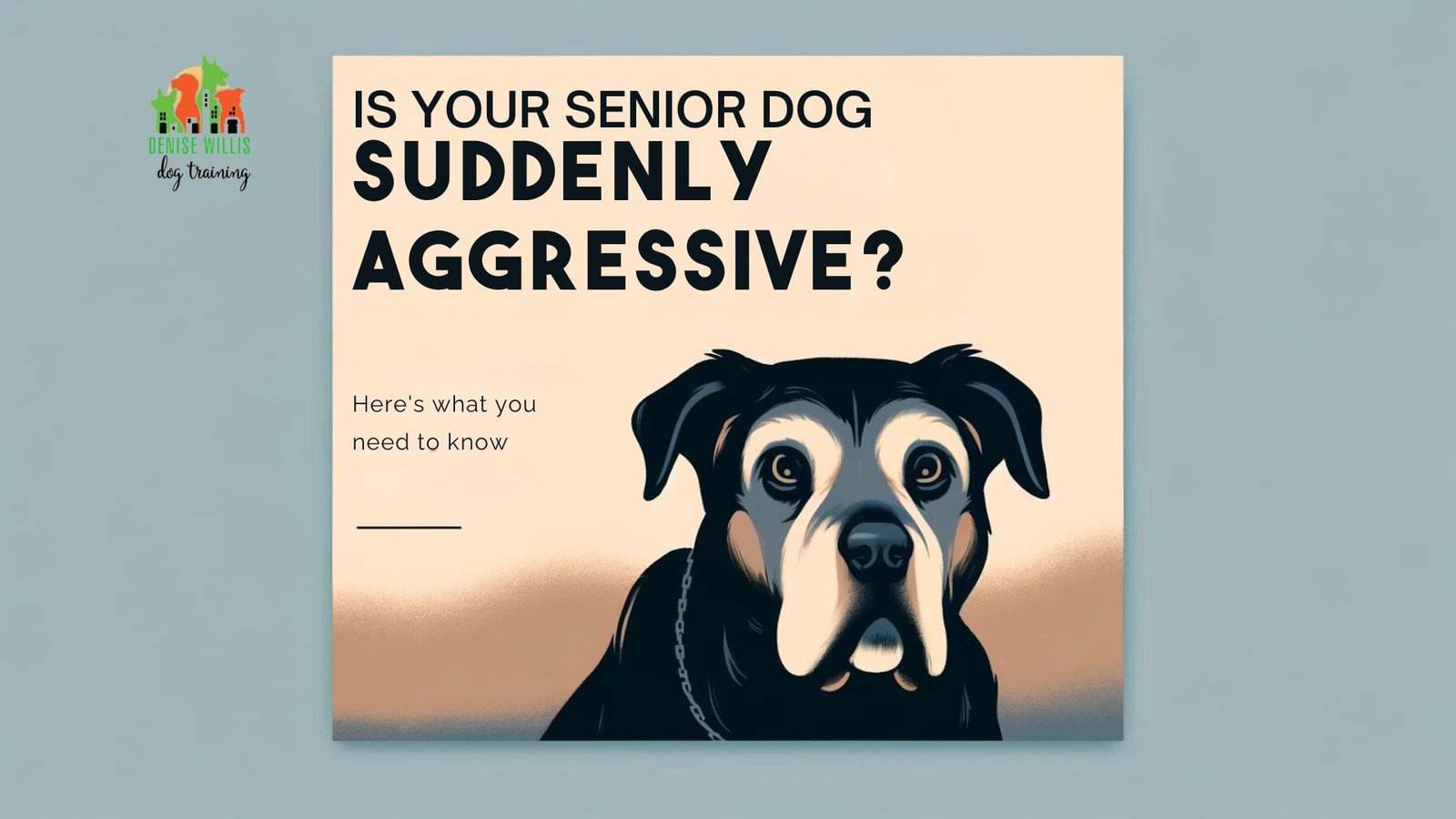
Sudden Aggression Or Irritability
Older dogs may become aggressive or irritable without clear reason. Pain or confusion can cause these changes. It is important to stay calm and avoid punishment.
House Soiling Or Bathroom Accidents
Accidents inside the house are common in senior dogs. Loss of bladder control or memory problems may cause this. Track the frequency to share with your vet.
Excessive Barking Or Whining
Increased barking or whining can mean discomfort or anxiety. This can happen more at night or when your dog feels lonely.
- Barking without clear cause
- Whining when left alone
- Restlessness or pacing
- Seeking constant attention
Loss Of Interest In Favorite Activities
Older dogs may stop enjoying walks, play, or social time. This can be a sign of pain, depression, or fatigue. Watching these changes helps you spot health issues.
| Common Behavior | Possible Cause |
|---|---|
| Sudden aggression | Pain or confusion |
| Bathroom accidents | Loss of control or memory |
| Excessive barking | Anxiety or discomfort |
| Loss of interest | Pain or depression |
When To Consult A Veterinarian
Older dogs often show changes in behavior. Some changes are normal with age. Others may need a vet’s help.
Knowing when to see a veterinarian helps keep your dog healthy. It also makes their golden years better.
Identifying Serious Health Issues
Look for signs like sudden aggression, confusion, or trouble walking. These may show serious health problems.
Other signs include loss of appetite, weight loss, or constant thirst. These need a vet’s checkup fast.
- Sudden change in behavior or mood
- Difficulty standing or walking
- Loss of appetite or weight
- Excessive drinking or urination
- Severe coughing or breathing trouble
Assessing Behavioral Therapies
Some behavior problems can improve with therapy. A vet can suggest training or counseling.
Therapies help dogs with anxiety, fear, or restlessness. The vet can guide owners on how to help.
- Calming exercises
- Environmental changes
- Routine and schedule adjustments
- Positive reinforcement training
Medication And Treatment Options
When behavior changes come from illness, vets may give medicine. This helps manage symptoms or pain.
Some dogs need ongoing treatment. Vets work with owners to find the best options for each dog.
- Anti-anxiety medications
- Pain relief drugs
- Hormone therapy
- Supplements for brain health
Credit: www.dwdogtraining.com
Supporting Your Senior Dog
As dogs grow older, their needs change. These changes require adjustments in their care. Understanding how to support your senior dog is crucial for their happiness and health.
Older dogs may face health challenges. Adjusting their lifestyle can improve their quality of life. Consider their diet, exercise, environment, and mental stimulation.
Adjusting Diet And Exercise
Senior dogs need a balanced diet. Their metabolism slows down, so they need fewer calories. Choose food that is easy to digest and rich in nutrients.
Exercise is still important. Shorter, gentle walks help maintain their health. Avoid vigorous activities that might strain their joints.
- Feed smaller, more frequent meals
- Provide joint supplements if needed
- Monitor weight to prevent obesity
Creating A Comfortable Environment
Make your home comfortable for your senior dog. Soft bedding supports aging joints. Ensure their favorite spots are easy to access.
Reduce obstacles that may cause falls. Use ramps if stairs are difficult. Keep their food and water within easy reach.
- Provide a warm and cozy sleeping area
- Use non-slip mats to prevent slipping
- Keep toys and essentials accessible
Enhancing Mental Engagement
Mental stimulation is vital for senior dogs. Engage them with gentle games. Puzzle toys and slow feeders are helpful.
Spend time training them with simple commands. This keeps their mind active and strengthens your bond. Social interactions also benefit their mental health.
- Introduce new, safe toys regularly
- Arrange playdates with friendly dogs
- Teach new tricks to challenge them
Credit: shallowfordvet.com
Frequently Asked Questions
What Are Common Behavior Changes In Older Dogs?
Older dogs may show increased anxiety, confusion, or irritability. They often sleep more and have reduced activity levels. Changes in appetite and social interaction are also common signs.
How Can I Support My Senior Dog’s Behavior Changes?
Provide a calm environment and consistent routine. Regular vet check-ups help identify health issues. Use gentle training and mental stimulation to ease anxiety and confusion.
When Should I Consult A Vet About My Older Dog?
If your dog shows sudden behavior changes like aggression or disorientation, consult a vet immediately. Persistent issues may indicate medical problems needing prompt attention.
Can Diet Affect Behavior In Aging Dogs?
Yes, a balanced diet rich in omega fatty acids supports brain health. Proper nutrition can reduce cognitive decline and improve mood and energy levels in older dogs.
Conclusion
Older dogs often show many behavior changes. These changes tell us they are aging. Watch for signs like less energy or changes in mood. Be patient and gentle with your dog. Small changes in routine help them feel safe. Regular vet visits keep them healthy and happy.
Understanding your dog’s needs improves their quality of life. Caring for older dogs takes love and attention. Their golden years can still be full of joy. Stay close, and enjoy every moment together.

Emily Barker is the founder of ChillDogLife.com, a space dedicated to helping pup parents discover the best dog products, lifestyle tips, and cozy ideas for happier homes.
A lifelong dog lover, Emily combines her passion for pets with a knack for research to share trusted recommendations on everything from toys and furniture to health and everyday care.
Her goal is simple: to make life easier, stylish, and more joyful for dogs and the people who love them.




