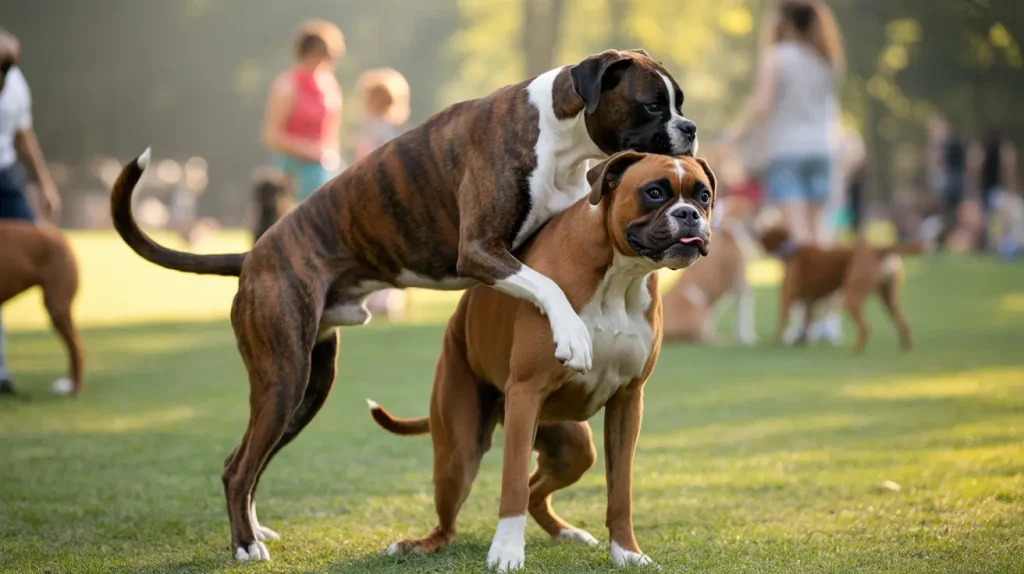
Have you ever caught your dog humping and wondered why it happens? It can be confusing, embarrassing, or even frustrating for you as a pet owner.
But understanding this behavior is key to handling it the right way. You’ll discover the real reasons behind humping in dogs and learn simple tips to manage it effectively. Keep reading—your dog’s comfort and your peace of mind depend on it.

Credit: www.reddit.com
Reasons Dogs Hump
Humping is a common behavior in dogs. It can happen for many reasons. Understanding why dogs hump helps owners respond well.
Not all humping is about mating. Dogs may hump to show excitement, stress, or to get attention. Some causes are medical.
Hormonal Influences
Hormones play a big role in humping. Intact male and female dogs may hump more due to sex hormones. Neutered dogs can also hump sometimes.
Play And Excitement
Dogs often hump during play. It is a way to show excitement or energy. Puppies and young dogs hump more as they learn social skills.
- Humping can start during chasing games
- It may happen when dogs meet new friends
- Excitement from toys or people can trigger it
Stress And Anxiety
Some dogs hump when they feel stressed or anxious. This acts as a comfort or calming behavior. Changes in the environment can cause stress humping.
Attention-seeking Behavior
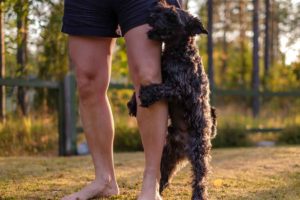
Dogs learn that humping gets attention. Owners may react by laughing or stopping the dog. This can make the dog hump more to get noticed.
| Behavior | Owner Reaction | Effect on Humping |
|---|---|---|
| Humping | Laughing or talking | Encourages more humping |
| Humping | Ignoring or redirecting | Reduces humping over time |
| Humping | Scolding harshly | May increase anxiety and humping |
Medical Causes
Sometimes humping signals a medical problem. Urinary tract infections or skin allergies can cause discomfort. Dogs may hump to relieve irritation.
Identifying Triggers
Humping behavior in dogs can be confusing to understand. It happens for many reasons. Knowing the triggers helps manage this behavior better.
Dogs hump for fun, stress, or to get attention. Watching what happens before the behavior shows can help find the cause.
Environmental Factors
Changes in the environment can make dogs feel excited or stressed. This can lead to humping.
Loud noises, new places, or many people can trigger this behavior. Dogs may hump to release energy or calm down.
- Loud sounds like fireworks or thunder
- New or crowded places
- Strong smells or sights
Interactions With People And Pets
Dogs often hump during play or when they want attention. This can happen with people or other pets.
Sometimes humping shows excitement or tries to start play. It may also show dominance or frustration.
- Playtime with other dogs or pets
- Seeking attention from owners
- Showing dominance in groups
Changes In Routine
Dogs like routines. Changes can cause stress or confusion, leading to humping.
New schedules, visitors, or less exercise can make a dog act differently. Humping may be a way to cope.
- Different feeding or walking times
- Visitors or new family members
- Less play or exercise than usual
Training Strategies
Humping behavior in dogs can be puzzling for owners. Training helps redirect this energy into positive actions.
Using effective strategies can ease this behavior. Let’s explore some useful approaches.
Redirecting Behavior
Redirecting your dog’s focus can be very effective. Provide toys or activities that engage them positively.
- Offer chew toys to occupy their mouth.
- Engage them in fetch games for physical activity.
- Introduce puzzle toys for mental stimulation.
Positive Reinforcement
Rewarding good behavior encourages repetition. Use treats and affection to reinforce actions you want to see.
Consistency And Patience
Consistency is key in training. Stick to your routines and be patient. Changes take time but are worth the effort.
| Key Action | Frequency |
| Training Sessions | Daily |
| Reward Giving | Immediately after desired behavior |
| Exercise | Twice a day |

Credit: www.zoivanepets.com
Behavioral Management
Humping is a common behavior in dogs. It can mean excitement, stress, or a need for attention. Managing this behavior helps keep your dog calm and well-behaved.
Understanding how to set limits and guide your dog is key. Training and calm responses reduce unwanted humping effectively.
Setting Boundaries
Clear boundaries teach your dog what is allowed. Consistency helps your dog learn faster. Use firm but gentle corrections when humping happens.
- Stop the behavior calmly but quickly.
- Redirect your dog to a toy or activity.
- Ignore your dog if humping seeks attention.
- Give rewards when your dog stops humping.
- Keep play sessions controlled to avoid over-excitement.
Using Commands Effectively
Teaching your dog simple commands helps control unwanted actions. Use commands like “sit,” “stay,” or “leave it” to interrupt humping.
| Command | Purpose | How to Use |
|---|---|---|
| Sit | Focus attention | Ask dog to sit when it starts to hump |
| Stay | Stop movement | Hold dog in place to calm excitement |
| Leave it | Interrupt behavior | Use to stop humping immediately |
Managing Excitement Levels
High excitement can trigger humping. Keep your dog calm by controlling play and interactions. Use these tips to manage excitement:
- Give frequent breaks during playtime.
- Practice quiet time after active sessions.
- Avoid rough play that may increase arousal.
- Use calm tones when speaking to your dog.
- Provide enough daily exercise to release energy.
When To Seek Veterinary Advice
Humping behavior in dogs can be normal or a sign of a problem. It is important to know when to see a vet.
Some causes need medical treatment. Others need help from a behavior expert.
Signs Of Medical Issues
Humping can be caused by health problems. Watch for signs that your dog is in pain or discomfort.
If your dog shows these signs, visit the vet:
- Frequent or painful urination
- Swelling or redness in genital area
- Skin irritation or sores where humping occurs
- Sudden increase in humping behavior
- Loss of appetite or lethargy
Behavioral Concerns Needing Professional Help
Sometimes dogs hump because of stress or anxiety. This can cause behavior problems.
Seek professional help if you see:
- Humping that interrupts daily activities
- Aggression linked to humping
- Humping that does not stop with training
- Excessive humping that causes injury
- Signs of anxiety or stress
Expert Tips For Owners
Humping behavior in dogs can be confusing for many owners. It often signals excitement, stress, or a way to get attention.
Understanding why dogs hump helps owners manage this behavior kindly and effectively.
Maintaining A Calm Environment
Create a quiet and relaxed space for your dog. Loud noises and busy places can increase stress and cause humping.
- Use soft lighting in your dog’s resting area
- Limit loud sounds like TV or music when your dog is resting
- Keep a consistent daily routine to reduce anxiety
- Provide a cozy bed or crate for comfort
Regular Exercise And Mental Stimulation
Exercise helps your dog burn energy and lowers stress. Mental games keep their mind busy and reduce unwanted behaviors.
| Activity | Benefit |
| Daily walks | Reduces excess energy |
| Fetch games | Improves focus and obedience |
| Puzzle toys | Boosts mental skills |
| Training sessions | Strengthens your bond |
Understanding Your Dog’s Signals
Watch your dog’s body language to know why they hump. It may show excitement, stress, or a need for attention.
Signs to watch for include:
- Tail wagging and relaxed posture usually mean playfulness.
- Stiff body or growling can show stress or discomfort.
- Seeking your attention might mean your dog wants interaction.
- Repeated humping after being told “no” needs gentle redirection.
Credit: www.ellevetsciences.com
Frequently Asked Questions
Why Do Dogs Hump Objects Or People?
Dogs hump to express excitement, stress, or dominance. It’s a natural behavior, not always sexual. Training and redirection can help manage excessive humping.
Is Humping Normal Dog Behavior?
Yes, humping is common in dogs of all ages. It serves as communication, play, or stress relief. If excessive, consult a vet or trainer.
How Can I Stop My Dog From Humping?
Distract your dog with toys or commands. Reward calm behavior and avoid punishment. Consistent training and exercise reduce humping frequency.
Does Neutering Affect Humping Behavior In Dogs?
Neutering may reduce humping caused by hormones. However, some dogs hump due to habits or stress. Training is still important post-neutering.
Conclusion
Humping in dogs is normal but can be confusing for owners. It shows excitement, stress, or a way to play. Watching your dog’s body language helps understand their feelings. Training and distraction can reduce unwanted humping. Patience and consistency work best with any behavior change.
Remember, your dog is not being rude or aggressive. Learning about this habit helps build a stronger bond. Keep observing and caring for your dog’s needs every day.

Emily Barker is the founder of ChillDogLife.com, a space dedicated to helping pup parents discover the best dog products, lifestyle tips, and cozy ideas for happier homes.
A lifelong dog lover, Emily combines her passion for pets with a knack for research to share trusted recommendations on everything from toys and furniture to health and everyday care.
Her goal is simple: to make life easier, stylish, and more joyful for dogs and the people who love them.




