Have you noticed changes in your dog’s behavior after neutering and wondered what’s really going on? You’re not alone.
Many dog owners see shifts in energy, mood, or habits and ask if neutering is the cause. Understanding how neutering can change your dog’s behavior helps you prepare and respond in the best way. Keep reading to discover what changes to expect and how you can support your furry friend through this important transition.
Behavioral Changes After Neutering
Neutering a dog can bring many changes in behavior. These changes help make pets calmer and easier to manage. Knowing what to expect helps owners care for their dogs better after the surgery.
The effects vary by dog, but many show positive shifts in how they act. Some behaviors reduce, while others may change in intensity.
Reduction In Aggression
Neutered dogs often show less aggressive behavior. This can include less growling, biting, or fighting with other dogs. The hormone testosterone, which influences aggression, decreases after neutering.
Decrease In Roaming Tendencies
Before neutering, male dogs may roam far to find mates. After neutering, this urge lessens. Dogs tend to stay closer to home and explore less outside their usual areas.
- Less chance of getting lost
- Lower risk of accidents
- More time spent with family
- Reduced stress for owners
Impact On Marking And Spraying
Neutering can reduce urine marking and spraying, especially in males. This behavior is linked to hormones that drop after neutering. Some dogs may still mark, but often less frequently.
| Behavior | Before Neutering | After Neutering |
|---|---|---|
| Urine Marking | Frequent in many male dogs | Often reduced or stops |
| Spraying | Common in intact males | Less common after surgery |
Changes In Playfulness
Neutered dogs can become more relaxed during play. They may show less rough or dominant play styles. This change helps them get along better with other dogs and people.

Credit: www.adoptapet.com
Physical Effects Influencing Behavior
Neutering a dog causes changes in the body. These changes affect how dogs act and feel.
Understanding these effects helps dog owners care for their pets better after neutering.
Hormonal Shifts And Their Role
Neutering lowers the levels of sex hormones like testosterone. These hormones control many behaviors.
Reduced hormones can make dogs less aggressive and calmer. They may also lose interest in mating behaviors.
Weight Gain Risks
Neutered dogs often have a slower metabolism. This means they burn fewer calories than before.
If food intake stays the same, dogs can gain weight easily after neutering.
- Feed measured portions to avoid overeating
- Choose healthy, balanced dog food
- Increase exercise to burn calories
Energy Level Adjustments
Neutering may lower a dog’s energy level. Dogs might become less active or playful.
Lower energy means dogs may rest more but need regular exercise to stay healthy.
Positive Behavioral Outcomes
Neutering a dog can lead to several positive changes in behavior. These changes help make dogs calmer and easier to manage.
Understanding these benefits helps pet owners support their dogs better after the procedure.
Improved Social Interactions
Neutered dogs tend to get along better with other dogs and people. They show less aggression and fear in social settings.
- Less fighting with other dogs
- More friendly behavior around strangers
- Reduced anxiety in new environments
Reduced Dominance Issues
Neutering lowers testosterone, which can reduce dominant and territorial behaviors. Dogs become less likely to mark territory or challenge others.
| Behavior | Before Neutering | After Neutering |
| Marking Territory | Frequent | Rare |
| Dominant Posturing | Common | Uncommon |
| Challenging Other Dogs | Often | Seldom |
Better Focus And Trainability
Neutered dogs often show improved attention during training. They are less distracted by urges related to mating.
Key training benefits include:
- Increased response to commands
- Less wandering during walks
- Better control in public places
Potential Negative Effects
Neutering a dog can change its behavior in several ways. While many effects are positive, some negative effects can occur. It is important to understand these risks before deciding to neuter your dog.
This article discusses three possible negative effects: increased fearfulness, changes in activity, and risk of urinary incontinence.
Possible Increase In Fearfulness
Neutered dogs may show more fear or anxiety in new situations. This change can affect their confidence and social interactions. Fearfulness might lead to avoidance or aggression in some cases.
Signs of increased fearfulness include:
- Hiding or cowering
- Excessive barking or growling
- Shaking or trembling
- Avoiding people or other dogs
- Reluctance to explore new areas
Changes In Activity That May Lead To Laziness
Neutering lowers hormone levels that influence energy and playfulness. Many dogs become less active after neutering. This drop in activity can cause weight gain and laziness.
| Activity Level | Before Neutering | After Neutering |
| Playfulness | High | Moderate to Low |
| Energy | High | Moderate to Low |
| Exercise Need | Moderate to High | Lower |
| Risk of Weight Gain | Low to Moderate | Higher |
Risk Of Urinary Incontinence
Some neutered dogs may develop urinary incontinence. This means they leak urine when resting or sleeping. The condition is more common in female dogs but can affect males too.
Signs of urinary incontinence include:
- Dribbling urine while lying down
- Wet spots on bedding
- Increased licking of the genital area
- Accidents in the house despite training
Factors Affecting Behavior Changes
Neutering can change a dog's behavior in many ways. These changes depend on several factors. Understanding these helps owners expect and manage behavior better.
Behavior changes after neutering are not the same for all dogs. Age, breed, and personality all play important roles in these changes.
Age At Neutering
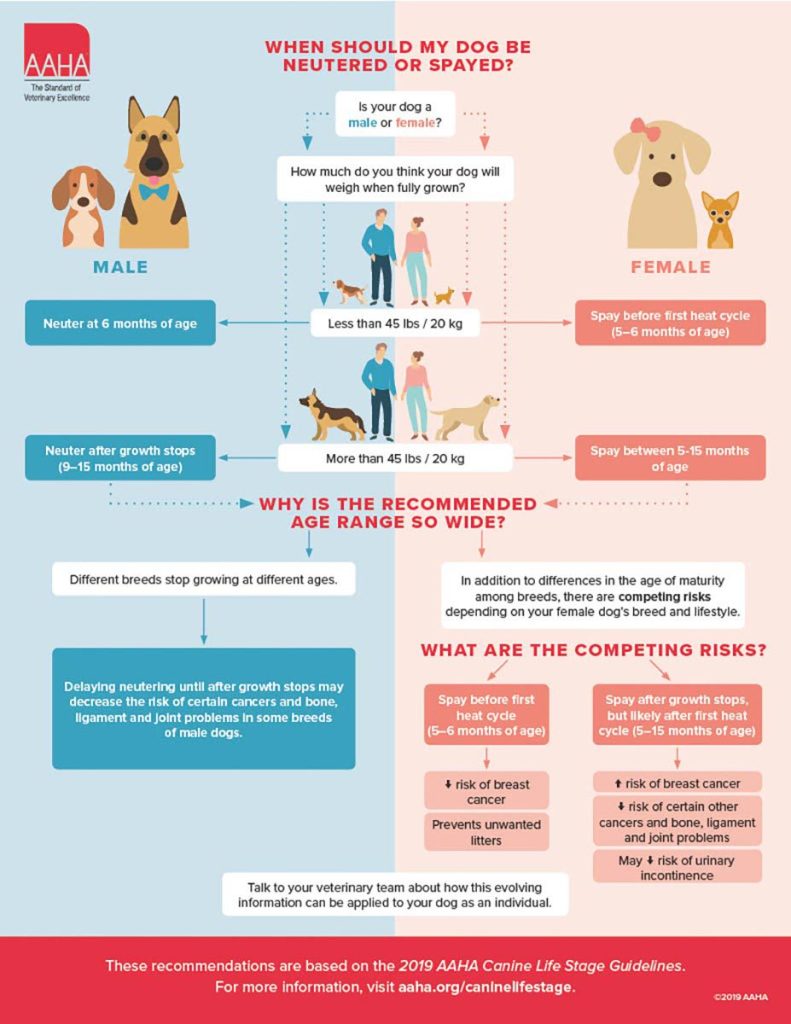
The age when a dog is neutered affects how its behavior changes. Puppies neutered very young may show less aggression. Older dogs might have less change in behavior.
- Puppies neutered before six months often have calmer temperaments.
- Neutering after one year may reduce roaming but not all aggressive behavior.
- Older dogs might keep some habits formed before neutering.
Breed Differences
Different breeds react to neutering in varied ways. Some breeds show big behavior changes. Others stay mostly the same.
| Breed Group | Typical Behavior Change |
| Herding Dogs | Less chasing and herding instincts |
| Terriers | Reduced aggression but high energy remains |
| Hounds | Less roaming, scent drive may stay |
| Companion Dogs | Calmer and more relaxed behavior |
Individual Temperament
Each dog has a unique personality that affects behavior change after neutering. Some dogs naturally stay calm. Others may stay active or anxious.
- Energy level
- Social behavior
- Response to stress
- Previous training and habits
Credit: zigly.com
Tips To Manage Behavior Post-neutering
Neutering can change a dog’s behavior. Understanding these changes helps in managing them. Here are some tips to help you guide your dog post-neutering.
Adjusting to these changes takes time and patience. With the right approach, your dog will adapt smoothly.
Diet And Exercise Adjustments
After neutering, dogs may gain weight. Adjusting their diet helps in maintaining a healthy weight. Regular exercise is also important for their well-being.
Provide a balanced diet that suits their age and size. Consult your vet for specific dietary needs.
- Reduce calorie intake if weight gain is noticed
- Include high-quality proteins and fibers
- Ensure daily exercise, like walks or playtime
Behavioral Training Techniques
Behavioral training helps manage changes in a neutered dog's behavior. Positive reinforcement is effective in shaping desired behaviors.
Use treats and praise to encourage good behavior. Be consistent in your training methods for the best results.
- Reward calm behavior with treats
- Use commands like “sit” and “stay”
- Keep training sessions short and fun
Regular Veterinary Checkups
Regular checkups with the vet are important. They help in monitoring your dog’s health post-neutering. Vets can provide valuable advice on managing any behavioral changes.
Visit your vet at least once a year. Discuss any concerns you have about your dog’s behavior during these visits.
- Schedule regular vet appointments
- Discuss dietary needs with your vet
- Monitor for any unusual behavior changes

Credit: www.adoptapet.com
Frequently Asked Questions
How Does Neutering Affect A Dog’s Behavior?
Neutering reduces hormone-driven behaviors like aggression and marking. It often calms dogs, making them less territorial and more social. However, behavior changes vary by dog and require time post-surgery to become noticeable.
Can Neutering Reduce Aggression In Male Dogs?
Yes, neutering often lowers aggression linked to testosterone. It helps male dogs become less dominant and less likely to fight. However, training and socialization remain essential for managing aggressive tendencies.
Will Neutering Stop My Dog From Roaming?
Neutering decreases the urge to roam, especially in males seeking mates. It helps dogs stay closer to home and reduces escape attempts. Yet, some dogs may still roam due to other instincts or habits.
Does Neutering Change A Dog’s Energy Levels?
Neutering can slightly reduce a dog’s energy and activity levels. Dogs may become calmer and less hyperactive post-surgery. Balanced exercise and mental stimulation remain important to keep them healthy.
Conclusion
Neutering can help change a dog’s behavior in many ways. It often reduces aggression and roaming. Dogs may become calmer and more focused. Still, each dog reacts differently to neutering. Training and patience remain very important after the surgery. Watch your dog closely for changes in mood or habits.
Speak with your vet to understand what to expect. Neutering supports a healthier, happier life for your dog. It also helps control the pet population. Consider neutering as part of responsible dog care.

Emily Barker is the founder of ChillDogLife.com, a space dedicated to helping pup parents discover the best dog products, lifestyle tips, and cozy ideas for happier homes.
A lifelong dog lover, Emily combines her passion for pets with a knack for research to share trusted recommendations on everything from toys and furniture to health and everyday care.
Her goal is simple: to make life easier, stylish, and more joyful for dogs and the people who love them.




