
Is your dog constantly pulling on the leash during walks? It can be frustrating, exhausting, and even dangerous for both you and your furry friend.
But imagine enjoying peaceful, relaxed strolls where your dog walks calmly by your side. You’re just a few simple steps away from making that a reality. You’ll discover easy and effective ways to stop your dog from pulling on the leash—without stress or struggle.
Keep reading, and get ready to transform your daily walks into a joyful experience for both you and your dog.
Why Dogs Pull On Leash
Dogs often pull on the leash during walks, causing frustration for owners. Understanding why dogs pull helps in teaching better leash manners. Pulling is a natural behavior for many dogs. It happens because dogs want to explore or reach something fast. Identifying the reasons behind pulling is key to stopping it effectively.
Common Causes
- Excitement: Dogs get excited about walks and try to move faster.
- Curiosity: New smells and sights make dogs pull ahead to explore.
- Lack of Training: Dogs may not know how to walk calmly on a leash.
- Energy Release: High-energy dogs pull to burn off excess energy quickly.
- Fear or Anxiety: Some dogs pull to escape from things they find scary.
Behavioral Triggers
- Seeing Other Dogs: Dogs may pull toward or away from other dogs.
- People Passing By: Dogs may get excited or nervous around strangers.
- Traffic and Noise: Loud sounds or busy streets can cause pulling.
- Past Experiences: Negative or positive past walks affect pulling behavior.
- Owner’s Reactions: Tension or pulling on the leash by the owner encourages the dog to pull back.
Choosing The Right Equipment
Choosing the right equipment is crucial for effective leash training. The right tools can make a world of difference in your dog’s behavior. Let’s explore the options available to help you make an informed decision.
Harnesses Vs Collars
Harnesses distribute pressure evenly across your dog’s body. This reduces strain on the neck, making them a safer choice. They are ideal for dogs that tend to pull or have breathing issues. Collars are simpler and can be effective for well-trained dogs. But they can cause injury if your dog pulls hard. Always consider your dog’s size, breed, and health when choosing.
Leash Types
Leashes come in various styles and materials. Standard flat leashes offer good control and come in different lengths. Retractable leashes give more freedom, but they can encourage pulling. Consider a leash that suits your training goals. Durable materials like nylon or leather ensure longevity. Choose a leash that feels comfortable in your hand, ensuring a firm grip.
Basic Training Techniques
Training a dog to stop pulling on the leash needs patience and clear techniques. Basic training helps your dog learn good behavior during walks. It builds trust and makes walks more enjoyable for both of you. Consistent practice is key to success.
Teaching Loose Leash Walking
Loose leash walking means your dog walks beside you without pulling. Start in a quiet place with few distractions. Hold the leash firmly but with some slack. If your dog pulls, stop walking immediately. Wait until the leash is loose again. Then, continue walking slowly. Praise your dog when walking nicely. This teaches your dog that pulling stops the fun.
Using Treats And Rewards
Treats help your dog understand what behavior you want. Carry small, tasty treats during walks. Give a treat when your dog walks beside you calmly. Use a happy voice to praise your dog. This makes walking nicely more rewarding. Avoid giving treats when your dog pulls. Rewards guide your dog to repeat good behavior.
Advanced Training Methods
Advanced training methods help improve leash behavior quickly. These techniques teach dogs to focus on you and walk calmly. They require patience and consistency but bring great results. Try these methods after basic training to reduce pulling effectively.
Stop-and-go Technique
Stop walking as soon as your dog pulls. Stand still and wait for the leash to slacken. Once the leash is loose, start walking again. This teaches your dog that pulling stops the walk. Repeat this every time your dog pulls. It helps dogs learn that walking nicely brings rewards.
Changing Directions
Change your walking direction suddenly when the dog pulls. Turn left or right without warning. This surprises your dog and breaks their focus on pulling. It encourages your dog to watch your movements closely. Your dog will learn to follow your lead calmly. Keep your pace steady and consistent during changes.
Common Mistakes To Avoid
Stopping a dog from pulling on the leash takes patience and clear training. Many owners make common mistakes that slow down progress. Avoiding these errors helps your dog learn faster and walk calmly by your side. Understanding what not to do is as important as knowing what to do.
Pulling Back
Pulling back on the leash to stop your dog often makes the problem worse. Dogs may pull harder if they feel tension. This can cause neck strain and fear. Instead, try to keep the leash loose and use gentle guidance. Reward your dog for walking beside you without pulling.
Inconsistent Commands
Using different commands confuses your dog. Saying “heel” one time and “stop” the next makes it hard for your dog to understand. Choose one clear command and use it every time. Consistency helps your dog learn what you expect. Practice regularly to build good habits.
Credit: www.amazon.com
Tips For Different Dog Breeds
Different dog breeds have unique personalities and energy levels that affect how they behave on a leash. Tailoring your approach to your dog's breed can make training more effective and enjoyable. Understanding these breed-specific traits helps you address leash pulling in a way that suits your dog’s needs.
High-energy Dogs
High-energy breeds like Border Collies, Huskies, and Australian Shepherds often pull on the leash because they have a strong desire to explore and burn off energy. To manage this, make sure your dog gets plenty of exercise before walks. A tired dog is less likely to pull.
Use a front-clip harness to give you more control without causing discomfort. Practice short, frequent training sessions that focus on walking calmly by your side. Remember, these dogs thrive on mental stimulation, so adding obedience commands or puzzle toys before walks can reduce their urge to bolt.
Ever noticed how your high-energy dog zooms around the house after sitting still? That burst of energy is what drives leash pulling outside. How can you channel that energy positively during your walks?
Small Breeds
Small breeds such as Chihuahuas, Dachshunds, and Pomeranians might pull on the leash out of excitement or to assert their presence. Because they are small, it’s tempting to let them lead, but consistent guidance is key. Using a lightweight harness designed for small dogs helps you maintain control without strain.
Train with treats and praise to reward calm walking behavior. Break walks into shorter, manageable sessions to keep your small dog engaged without overwhelming them. These dogs often respond well to gentle but firm commands, so your tone and body language matter a lot.
Have you noticed how small dogs sometimes act like they’re leading a parade? What if you could gently remind them that you’re the one guiding the way, making walks more relaxing for both of you?
Maintaining Good Leash Behavior
Maintaining good leash behavior is key to enjoyable walks with your dog. It’s not just about stopping pulling; it’s about building trust and communication between you and your pet. Consistent habits make leash walks calmer and more fun for both of you.
Regular Practice
Practice leash walking every day, even if it’s just for a few minutes. Short, frequent sessions help your dog understand what you expect without getting overwhelmed. Try walking in different places to expose your dog to various sights and sounds, which keeps their focus on you.
Think about how you learned a new skill. Would a single long session have helped, or daily practice? Your dog learns the same way. By practicing regularly, you reinforce good behavior and reduce the chances of pulling.
Positive Reinforcement
Reward your dog when they walk nicely beside you. Use treats, praise, or their favorite toy to show them they’re doing the right thing. This encourages them to repeat the behavior because they want the reward.
Have you noticed how your dog’s tail wags more when they get a treat? That’s their way of saying “I like this!” Use that response to your advantage. Instead of pulling, your dog will learn that staying close to you earns them something valuable.

Credit: www.youtube.com

Credit: pupford.com
Frequently Asked Questions
How Can I Train My Dog To Stop Pulling On Leash?
Use positive reinforcement and reward your dog for walking calmly. Practice short sessions and gradually increase duration. Consistency is key to success.
What Equipment Helps Prevent Leash Pulling?
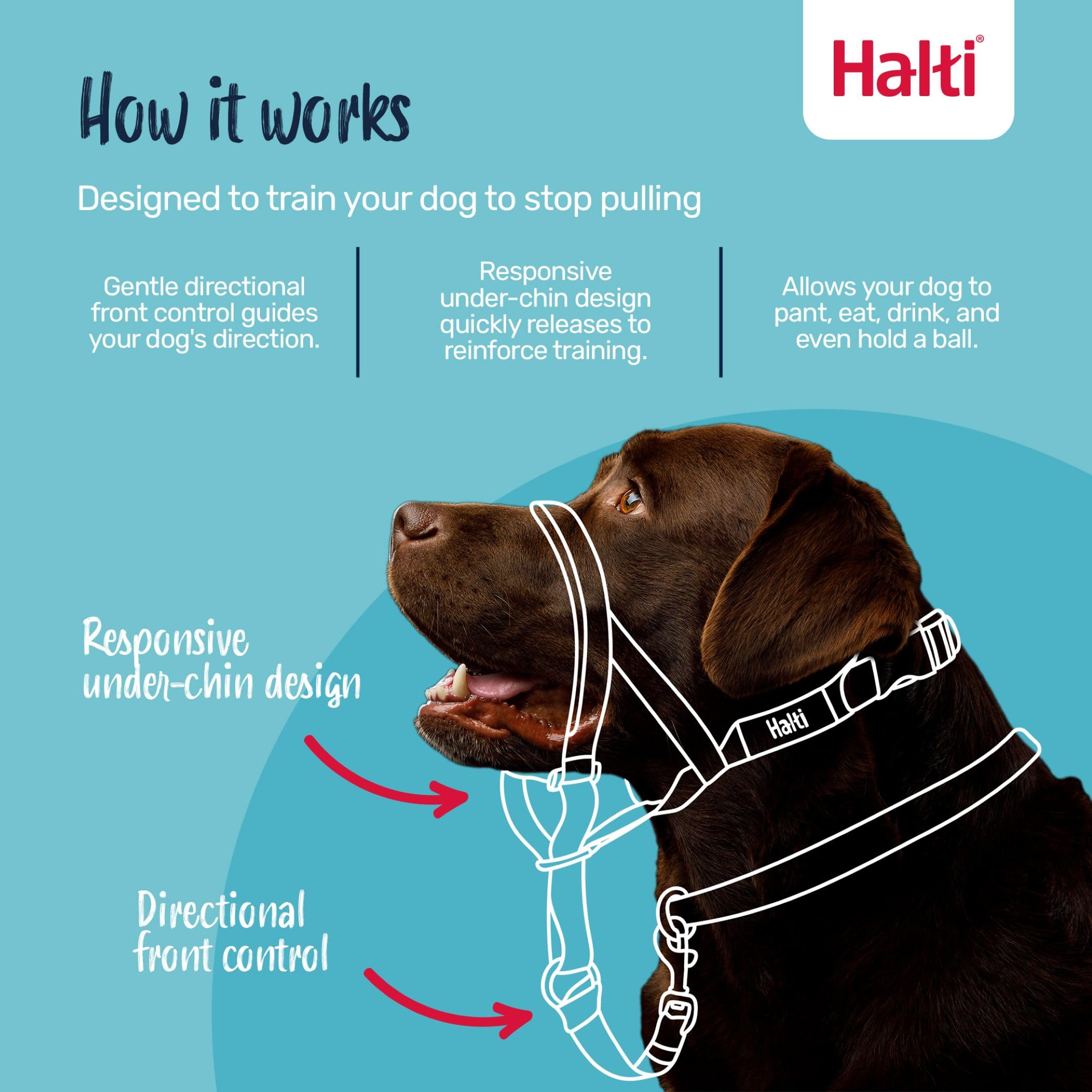
A no-pull harness or head halter can reduce pulling. These tools give better control and discourage pulling without causing harm.
Why Does My Dog Pull On The Leash?
Dogs pull due to excitement, curiosity, or lack of training. They may also pull to reach distractions or unfamiliar scents.
How Long Does Leash Training Usually Take?
Leash training varies but typically takes 2 to 4 weeks. Regular practice and patience speed up the learning process.
Conclusion
Stopping your dog from pulling takes time and patience. Consistent training helps your dog learn good leash manners. Use treats and praise to encourage calm walking. Short, regular walks build better habits. Remember, your dog wants to please you. Stay calm and keep practicing every day.
Soon, walks will become more enjoyable for both of you. Small steps lead to big changes. Keep your training simple and clear. Enjoy the journey with your furry friend.

Emily Barker is the founder of ChillDogLife.com, a space dedicated to helping pup parents discover the best dog products, lifestyle tips, and cozy ideas for happier homes.
A lifelong dog lover, Emily combines her passion for pets with a knack for research to share trusted recommendations on everything from toys and furniture to health and everyday care.
Her goal is simple: to make life easier, stylish, and more joyful for dogs and the people who love them.




