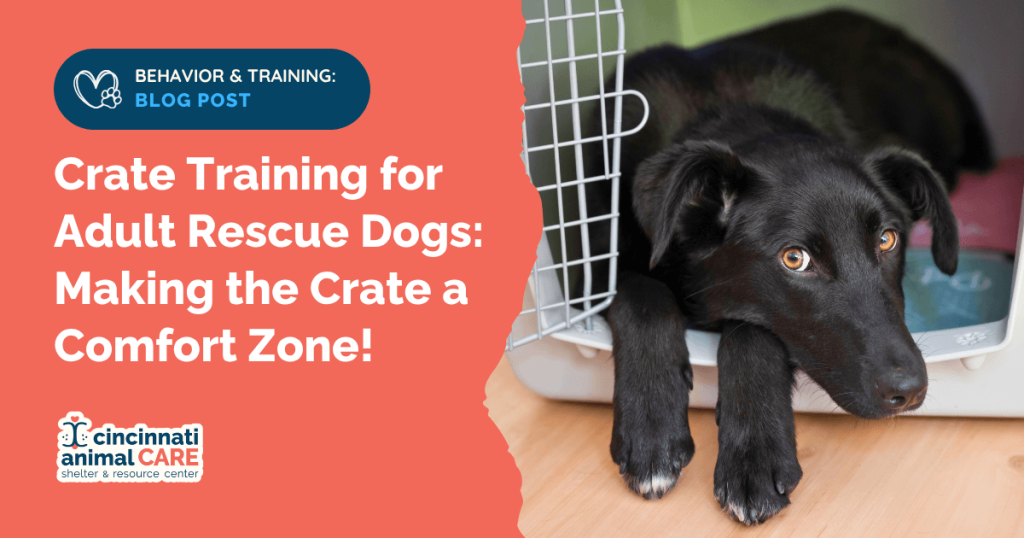
Are you wondering if it’s too late to crate train your adult dog? You might think crate training is only for puppies, but the truth is, your adult dog can learn this valuable skill too.
Imagine having a safe, calm space where your dog feels comfortable and secure. Crate training can make your life easier and help your dog feel more relaxed. You’ll discover simple, effective steps to crate train your adult dog and why it’s never too late to start.
Keep reading to find out how you can create a happy, stress-free environment for both you and your furry friend.
Why Crate Train Adult Dogs
Crate training an adult dog might seem challenging, but it’s often a rewarding experience for both you and your pet. Understanding why crate training is beneficial helps you stay motivated and patient through the process. It’s not just about containment; it’s about creating a safe, calming space that supports your dog’s well-being.
Benefits For Dogs And Owners
Crate training provides dogs with a personal refuge where they feel secure. Many dogs naturally seek out small, enclosed areas to relax, and a crate offers just that. This can reduce anxiety, especially during stressful situations like thunderstorms or travel.
For you, the owner, a crate helps manage your dog’s behavior when you can’t supervise directly. It prevents destructive habits like chewing furniture or getting into harmful substances. Plus, it makes housebreaking easier by teaching your dog to hold their bladder until taken outside.
One dog owner shared how crate training her adult rescue stopped her dog from pacing all night. The crate became a quiet spot where the dog felt calm and safe. Have you noticed your dog seeking out cozy corners around the house? A crate might be the perfect solution for them.
Common Misconceptions
Many people think crate training is cruel or punishing. However, a crate should never be used as a form of punishment. When introduced properly, it becomes a positive and comforting space.
Another common myth is that adult dogs can’t learn new habits or feel comfortable in crates. Dogs are adaptable at any age; patience and consistency can make crate training successful even for older dogs. It’s about building trust and associating the crate with positive experiences.
Some believe crates restrict freedom and cause stress. Actually, a well-trained dog often chooses to rest in their crate. It’s their own little sanctuary, not a prison. Can you give your dog a place they want to go when they need a break?

Credit: www.monsterk9.com
Choosing The Right Crate
Choosing the right crate for your adult dog is crucial for successful crate training. It’s not just about finding something that fits; it’s about creating a space where your dog feels safe and comfortable. A well-chosen crate can make the transition smoother and more pleasant for both you and your furry friend.
Types Of Crates
When selecting a crate, you’ll find several types available, each with its own benefits. Wire crates are popular for their durability and ventilation, allowing your dog to see their surroundings. Plastic crates provide a more enclosed space, which can be comforting for some dogs seeking a den-like environment.
Soft-sided crates are lightweight and portable, making them ideal for travel but not suitable for dogs who like to chew. Furniture-style crates blend seamlessly with home decor but may require a higher investment. Consider your dog’s temperament and your lifestyle when choosing the right type.
Sizing Tips
Ensuring the right size crate is crucial for your dog's comfort and safety. Measure your dog from nose to base of the tail and add a few inches to determine the right length. For height, have your dog sit and measure from the floor to the top of their head, then add a couple of inches.
A crate that’s too small can be uncomfortable, while one that’s too large might encourage accidents. Ideally, your dog should be able to stand, turn around, and lie down comfortably. If you’re uncertain, consult with a pet store specialist who can guide you based on your dog’s breed and size.
Have you ever considered how choosing the right crate can transform your dog’s training experience? The right decision not only eases the process but also enhances your dog’s well-being. Take the time to evaluate your options carefully, and you’ll both enjoy the benefits of a well-chosen crate.
Preparing Your Dog
Preparing your adult dog for crate training sets the foundation for success. It requires patience and understanding of your dog’s unique personality and past experiences. Taking time to prepare helps your dog feel safe and reduces stress around the new crate.
Creating A Positive Space
Make the crate inviting by placing soft bedding inside. Add some favorite toys or a chew bone to keep your dog entertained. Avoid using the crate as punishment; it should be a place your dog wants to be.
Try feeding your dog meals near or inside the crate to build a positive connection. This small step shows your dog that good things happen around the crate. Have you noticed how a calm, cozy environment changes your dog’s behavior?
Introducing The Crate Gradually
Start by leaving the crate door open and allowing your dog to explore it at their own pace. Don’t rush this process—some dogs need days or even weeks to feel comfortable.
Use treats and praise when your dog enters the crate voluntarily. Initially, keep the time inside very short, then slowly increase it as your dog adjusts. Watch for signs of stress and give your dog breaks to prevent negative associations.
Step-by-step Training Process
Training an adult dog to feel comfortable in a crate takes patience and a clear plan. You want the experience to be positive and stress-free for your dog, which means breaking the process into manageable parts. This step-by-step approach helps build trust and makes your dog more willing to accept the crate as a safe space.
Short Sessions And Rewards
Start by introducing your dog to the crate for just a few minutes at a time. Keep the sessions short and upbeat to avoid overwhelming them.
- Place treats or favorite toys inside to create a positive association.
- Speak in a calm, encouraging voice to comfort your dog.
- Give rewards immediately when your dog enters the crate voluntarily.
I noticed that my dog stayed longer when I tossed in a special chew instead of just regular food. What small change can you make to catch your dog’s interest?
Handling Resistance
Resistance is normal—your dog might whine, scratch, or try to avoid the crate. Never force your dog inside; this only builds fear and mistrust.
- Use gentle encouragement and patience instead of punishment.
- Try sitting near the crate while your dog explores it on their own terms.
- Offer extra praise and treats when your dog approaches or enters the crate willingly.
If your dog is hesitant, ask yourself: Are you creating a calm environment or rushing the process? Your attitude makes a big difference.
Extending Crate Time
Once your dog is comfortable entering the crate, gradually increase the time they spend inside. This helps them adjust without feeling trapped.
- Start by closing the door for a few seconds, then open it before your dog gets anxious.
- Slowly add minutes to the crate time, mixing in rewards and positive words.
- Use daily routines like crate time during meals or short breaks to build consistency.
Have you noticed how your dog reacts after a few minutes in the crate? Adjust your timing based on their comfort level to keep progress steady.
Common Challenges And Solutions
Crate training an adult dog can bring challenges. Dogs might feel unsure about the crate. Some behaviors can make training harder. Understanding these common problems helps solve them fast. Patience and gentle steps build trust and comfort inside the crate.
Anxiety And Stress
Adult dogs may feel anxious in a new crate. They might whine or try to escape. Anxiety happens because the crate feels strange or scary. To ease stress, place treats and toys inside. Let the dog explore the crate on their own time. Start with short stays and slowly increase time inside.
Chewing And Barking
Chewing the crate bars or barking often shows boredom or fear. Provide chew toys to keep the dog busy. Avoid scolding, as this can increase stress. Use calm, soft voices to reassure the dog. Exercise before crate time helps reduce excess energy.
Accidents In The Crate
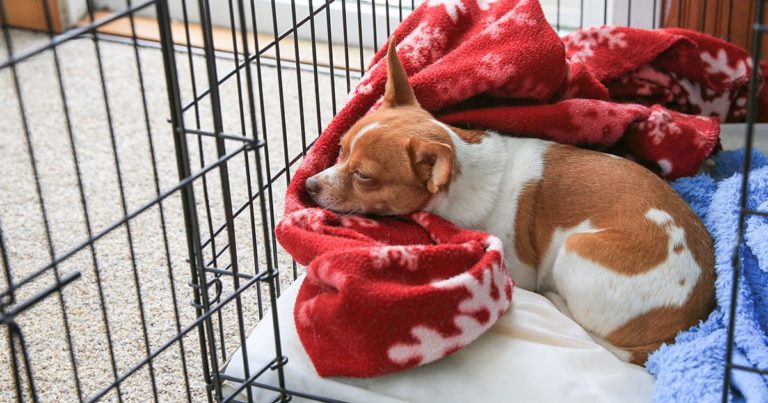
Accidents happen if the dog feels scared or can’t hold it. Make sure the crate is the right size—big enough to stand but not too large. Take the dog out to potty before crate time. Clean accidents with odor removers to stop repeat accidents. Praise the dog for going outside.
Credit: www.diamondpet.com
Tips To Speed Up Training
Speeding up crate training for an adult dog requires focus and smart strategies. Patience and the right approach make the process easier and faster. Using simple tips can help your dog feel safe and happy in the crate.
Consistency And Routine
Keep a regular schedule for crate time. Choose specific times for crate use, like after meals or naps. Consistent timing helps your dog understand when to expect crate time. Use the same words or phrases to signal crate time. This creates a clear routine your dog can follow easily.
Using Treats And Toys
Offer tasty treats inside the crate to create a positive link. Use favorite toys to make the crate inviting and fun. Place treats and toys in the crate before asking your dog to enter. This encourages your dog to go in willingly. Avoid forcing your dog; let them explore at their own pace.
Positive Reinforcement Techniques
Praise your dog with kind words and gentle petting when they enter the crate. Reward calm behavior to encourage a peaceful crate experience. Avoid scolding or punishment, which can cause fear. Use a calm, happy tone to build trust. Positive reinforcement helps your dog feel safe and eager to use the crate.
When To Seek Professional Help
Crate training an adult dog can be challenging. Some dogs may adapt quickly, but others might struggle. Knowing when to seek professional help is important. Professionals can guide you through tough behaviors and anxiety issues. They offer tailored advice and support to make training smoother.
Signs Of Severe Anxiety
Watch for these signs that show your dog needs extra help:
- Excessive barking or howling inside the crate
- Destructive chewing or scratching around the crate
- Drooling or panting heavily when near the crate
- Refusal to enter the crate despite encouragement
- Self-harm behaviors like biting or licking paws obsessively
- Shaking or trembling when confined
These signs mean your dog feels stressed and scared. Professional help can prevent these issues from worsening.
Finding A Trainer
Look for a trainer who specializes in adult dog behavior. Choose someone patient and experienced with crate training. Ask about their methods and success stories. Certified trainers often use positive reinforcement techniques. This approach helps build trust and confidence in your dog.
Consider trainers who offer in-person or virtual sessions. A good trainer will observe your dog and tailor advice. This personalized support can speed up progress and reduce anxiety.
Credit: www.purina.com
Frequently Asked Questions
Can You Crate Train An Adult Dog Successfully?
Yes, you can crate train an adult dog. With patience and consistency, most adult dogs learn to enjoy their crate. Start slow, use positive reinforcement, and make the crate a safe space for them.
How Long Does Crate Training Take For Adult Dogs?
Crate training duration varies by dog. Typically, it takes a few weeks to a couple of months. Consistent daily practice and positive rewards speed up the process.
What Are The Benefits Of Crate Training An Adult Dog?
Crate training helps with housebreaking, reduces anxiety, and creates a safe space. It also prevents destructive behavior and assists with travel or vet visits.
Can Crate Training Help With An Anxious Adult Dog?
Yes, crate training can reduce anxiety by providing a secure, quiet area. Gradual introduction and positive associations help anxious dogs feel calmer in their crate.
Conclusion
Crate training an adult dog takes time and patience. Consistency helps dogs feel safe and comfortable. Use treats and praise to encourage good behavior. Small steps make the process easier for both of you. Remember, every dog learns at its own pace.
Keep routines simple and clear to avoid confusion. A well-trained dog enjoys more freedom and less stress. Trust grows with gentle and steady training efforts. Your adult dog can happily adapt to crate training. Believe in the process and celebrate small wins together.

Emily Barker is the founder of ChillDogLife.com, a space dedicated to helping pup parents discover the best dog products, lifestyle tips, and cozy ideas for happier homes.
A lifelong dog lover, Emily combines her passion for pets with a knack for research to share trusted recommendations on everything from toys and furniture to health and everyday care.
Her goal is simple: to make life easier, stylish, and more joyful for dogs and the people who love them.




