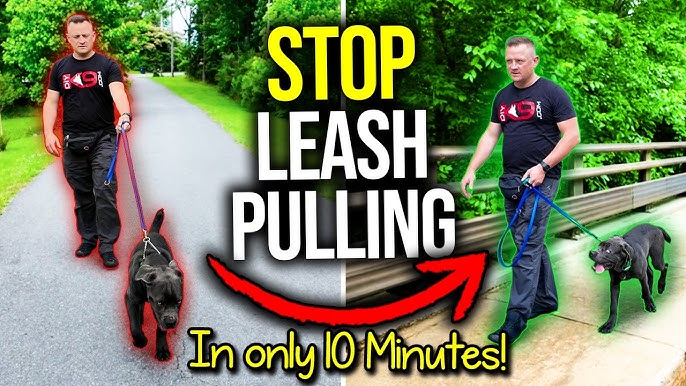
Is your dog pulling on the leash every time you go for a walk? It can be frustrating and even exhausting, turning what should be a fun outing into a struggle.
But imagine walking your dog calmly by your side, enjoying every step without the constant tugging. You don’t have to dream about it—this is something you can achieve. You’ll discover simple, effective steps to stop your dog from pulling on the leash.
Keep reading, and soon your walks will become peaceful and enjoyable for both you and your furry friend.

Credit: www.amazon.ca
Why Dogs Pull On Leash
Dogs pull on the leash for many reasons. Understanding why helps you guide them better. Pulling is often about their natural instincts and how they react to the world. It is a way for dogs to explore or express excitement. Sometimes, it shows anxiety or a lack of training. Knowing the causes and triggers is key to stopping this behavior.
Common Causes
- Excitement during walks makes dogs eager to move forward.
- Curiosity drives dogs to explore new smells and sights quickly.
- Lack of leash training leads to pulling as a habit.
- High energy levels cause dogs to want to go fast.
- Desire to reach other dogs or people pulls them ahead.
- Fear or anxiety makes dogs pull to escape or hide.
Behavioral Triggers
- Seeing other animals triggers excitement and pulling.
- Loud noises or busy streets create stress and pulling.
- Unfamiliar environments cause dogs to pull for security.
- Owner’s inconsistent leash handling confuses the dog.
- Dogs pull to lead and control the walk.
- Distractions, like food or toys, cause sudden pulling.
Choosing The Right Equipment
Choosing the right equipment is key to helping your dog stop pulling on the leash. The tools you pick can either encourage good behavior or make training harder. Think about what fits your dog's size, strength, and personality before making a choice.
Best Leashes For Training
Not all leashes are created equal for training purposes. A standard 6-foot leash offers enough length for control without too much slack.
Consider leashes made from durable materials like nylon or leather; they stand up well to pulling and resist wear. Some trainers prefer leashes with a padded handle to protect your hands during sudden tugs.
Have you tried a leash with a traffic handle? It gives you extra control in busy areas and can prevent pulling by keeping your dog close.
Harnesses Vs Collars
Deciding between a harness and a collar can change your training experience. Harnesses distribute pressure evenly across your dog’s body, which helps reduce strain on their neck.
This is especially important for breeds prone to respiratory issues or those with sensitive throats. Collars, on the other hand, are simpler but can cause discomfort or injury if your dog pulls hard.
Think about your dog’s behavior: Does your dog pull hard or lunge suddenly? A front-clip harness might discourage pulling better than a collar, giving you more control during walks.
Basic Training Techniques
Basic training techniques help your dog learn good leash manners. These simple exercises build trust and improve communication. Patience and consistency are key to success. Training sessions should be short and positive. Dogs learn best with clear signals and rewards.
Teaching Loose Leash Walking
Start by holding the leash loosely. Let your dog walk beside you without pulling. Stop moving when the dog pulls. Wait calmly until the leash is slack again. Then, continue walking. Repeat this often in quiet places. This teaches your dog pulling stops the walk. Keep your pace steady and relaxed. Praise your dog for walking calmly near you.
Using Treats And Rewards
Treats motivate dogs to follow commands. Carry small, tasty treats during walks. Give a treat when the leash is loose. Use a happy voice and gentle petting too. Reward your dog quickly after good behavior. This helps your dog connect walking nicely with rewards. Avoid treats if your dog pulls. This stops encouraging bad habits. Over time, give treats less often. Praise becomes the main reward instead.

Credit: www.youtube.com
Advanced Training Tips
Advanced training can make a huge difference when your dog stubbornly pulls on the leash despite basic commands. These tips go beyond the usual advice and focus on changing your dog’s behavior at a deeper level. You’ll learn how to make your dog listen better and stay focused on you, even with distractions around.
Stopping Pulling With Commands
Clear, consistent commands are essential to stop leash pulling effectively. Use simple words like “heel”or “easy”and say them firmly every time your dog starts to pull. Consistency helps your dog understand exactly what you expect.
Try this: when your dog pulls, immediately stop walking and say the command. Wait until your dog loosens the leash before moving again. This teaches your dog that pulling only stops progress.
Have you noticed your dog reacts differently to certain words or tones? Use what works best to get your dog’s attention quickly. Adding a treat or a quick pet can reinforce positive behavior.
Redirecting Attention
Dogs often pull because something else is more interesting than you. Redirecting their attention back to you can stop pulling before it starts. Use toys, treats, or a quick change in direction to shift focus.
For example, if your dog fixates on another dog, call their name and show a treat. When they look at you, reward them immediately. This creates a positive link between paying attention to you and getting something good.
Changing your walking route or pace unexpectedly also helps maintain your dog’s attention. Have you tried turning around when your dog pulls? It’s a simple trick that makes your dog think twice before pulling again.
Common Mistakes To Avoid
Stopping your dog from pulling on the leash takes patience, but avoiding common mistakes can make training smoother and more effective. Many dog owners unknowingly slow progress or frustrate their pets by using inconsistent methods or the wrong techniques. Recognizing these pitfalls helps you stay on track and keeps your walks enjoyable for both you and your dog.
Inconsistent Training
Consistency is key when teaching your dog to walk nicely on a leash. If you sometimes allow pulling and other times correct it, your dog gets mixed messages. This confuses them and makes it harder to learn the right behavior.
Imagine teaching a child to cross the street safely but only reminding them sometimes. Would they learn quickly? Probably not. Your dog needs clear, steady rules every walk, every time.
Try setting simple rules for leash walking and stick to them. Use the same commands and rewards so your dog knows exactly what you expect.
Using Negative Reinforcement
It might seem tempting to yank the leash or yell when your dog pulls, but harsh corrections often backfire. These actions can cause fear or anxiety, making your dog less willing to cooperate.
Instead of fixing the problem, negative reinforcement can increase tension and even worsen pulling. Dogs learn best through positive experiences, so focus on rewarding good behavior.
Think about how you respond when someone makes a mistake—would you respond better to kindness or harshness? Your dog feels the same way. Use treats, praise, and gentle guidance to encourage walking calmly.
Maintaining Good Behavior
Maintaining good behavior in your dog is key to stopping leash pulling. It’s not just about teaching commands once but making positive habits a regular part of your walks. Consistency and patience build trust and understanding between you and your dog, making walks more enjoyable for both of you.
Regular Practice Sessions
Practice makes perfect, especially with leash training. Short, frequent sessions help your dog focus without getting overwhelmed. Try walking in different environments to keep your dog engaged and test their obedience.
Use treats or favorite toys to reward calm walking. If your dog starts pulling, stop walking immediately. This shows your dog that pulling won’t get them where they want to go.
Ask yourself: How often do you practice leash manners outside your regular walks? Adding quick training moments can make a big difference.
Socializing And Exercise
Socializing your dog helps reduce leash pulling caused by excitement or fear. Introducing your dog to other dogs and people calmly teaches them to stay composed in distracting situations.
Regular exercise is also crucial. A tired dog has less energy to pull and is more likely to walk calmly by your side. Consider activities like fetch or jogging to burn off excess energy.
Think about your dog’s daily routine—are they getting enough mental and physical stimulation? Adjusting this can improve leash behavior significantly.
When To Seek Professional Help
Sometimes, training your dog to stop pulling on the leash can be challenging. Some behaviors need expert help for safety and effectiveness. Knowing when to seek professional help can save time and improve your dog’s behavior faster.
Professional trainers have experience with various dog behaviors. They can teach you the right techniques tailored to your dog’s needs. Early intervention prevents bad habits from becoming permanent.
Signs You Need A Trainer
- Your dog pulls aggressively and does not respond to basic commands.
- Leash pulling causes unsafe situations, such as near traffic.
- Your dog shows signs of fear or aggression during walks.
- Repeated attempts to train on your own lead to frustration.
- You notice no improvement after consistent training efforts.
Choosing A Trainer
- Look for trainers with certification from recognized organizations.
- Check reviews and ask for recommendations from other dog owners.
- Choose trainers who use positive reinforcement methods.
- Ensure the trainer understands your dog’s breed and behavior.
- Discuss your goals clearly before starting any sessions.

Credit: www.youtube.com
Frequently Asked Questions
Why Does My Dog Pull On The Leash?
Dogs pull on the leash due to excitement, lack of training, or to explore their surroundings. Consistent training, using positive reinforcement techniques, can help curb this behavior. It’s important to remain patient and consistent to ensure successful results.
How Can I Train My Dog To Stop Pulling?
Start with basic commands like “sit” and “stay. ” Use treats and praise to reward good behavior. Gradually increase distractions and practice walking in various environments. Consistency and patience are key to reinforcing proper leash behavior.
What Equipment Helps Stop Leash Pulling?
A front-clip harness or head collar can help reduce pulling. These tools give you better control over your dog. Avoid retractable leashes as they encourage pulling and make training more difficult.
Is It Bad For Dogs To Pull On A Leash?
Yes, pulling can lead to physical harm, like neck injuries or breathing problems. It can also create stressful walks for both the dog and owner. Proper training ensures a safer and more enjoyable experience.
Conclusion
Stopping your dog from pulling on the leash takes time and patience. Consistent training helps your dog learn better walking habits. Use gentle corrections and praise to guide your dog. Stay calm and keep walks enjoyable for both of you.
Practice daily in different places to build good habits. Soon, your walks will become more peaceful and fun. Remember, small steps lead to big progress. Keep going—you and your dog can do this together.

Emily Barker is the founder of ChillDogLife.com, a space dedicated to helping pup parents discover the best dog products, lifestyle tips, and cozy ideas for happier homes.
A lifelong dog lover, Emily combines her passion for pets with a knack for research to share trusted recommendations on everything from toys and furniture to health and everyday care.
Her goal is simple: to make life easier, stylish, and more joyful for dogs and the people who love them.




