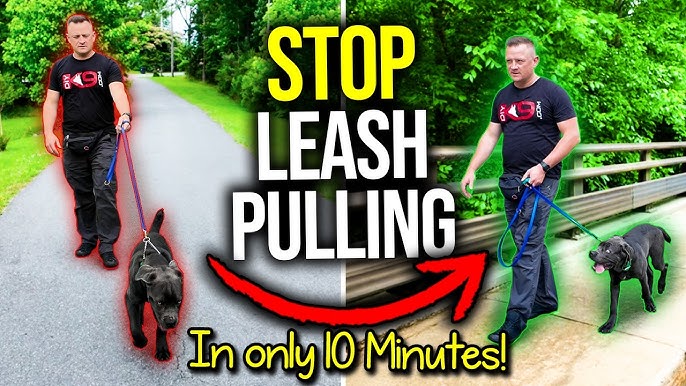
Is your dog tugging hard every time you try to take a walk? It can be frustrating and even dangerous for both of you.
But what if you could turn those pulls into calm, enjoyable strolls? Teaching your dog not to pull on the leash is easier than you think. You’ll discover simple, effective steps that anyone can follow. Imagine walks where your dog stays by your side, making every outing peaceful and fun.
Keep reading, and you’ll learn how to make that happen—starting today.
Why Dogs Pull On Leash
Dogs often pull on the leash during walks. It can make outings stressful for both you and your dog. Understanding why dogs pull on leash is the first step to stop this behavior. Many factors influence this common problem.
Common Causes
Excitement is a major reason dogs pull on leash. They want to explore smells, sights, and sounds quickly. Some dogs pull because they lack leash training. They have not learned to walk calmly beside their owner. Another cause is high energy levels. Dogs with lots of energy often pull to release it. Fear or anxiety can also make dogs pull away from something scary. Certain breeds have a strong prey drive and pull to chase animals. Lack of exercise before walks can increase pulling as well.
Behavioral Triggers
Many triggers cause dogs to pull during walks. New places can excite dogs, causing them to pull. Other dogs seen through fences or at a distance can trigger pulling. Loud noises and sudden movements may startle dogs, leading to pulling. Seeing people or children can also make dogs pull to greet or avoid. Dogs may pull to reach favorite spots like parks or trails. Sometimes, pulling is a learned behavior because it brings quick rewards, like moving faster.

Credit: www.youtube.com
Choosing The Right Equipment
Choosing the right leash and collar helps control your dog better. A harness or no-pull leash can reduce pulling and keep walks safer. Proper gear supports training and makes walks more comfortable for both you and your dog.
Choosing the right equipment is crucial when teaching your dog not to pull on the leash. The right gear can make a world of difference in your training journey. It’s not just about comfort, but also about ensuring effective communication between you and your furry friend.Harnesses Vs Collars
Harnesses and collars each have their own benefits and drawbacks. A harness distributes pressure evenly across your dog’s body, reducing the risk of injury. It’s particularly useful for smaller dogs or those with respiratory issues. However, some dogs may pull harder with a harness, thinking it’s a cue to engage their muscles more. On the other hand, collars are more traditional and can provide better control for larger, stronger dogs. But be cautious: collars can cause neck strain if not used properly. Have you considered a martingale collar? It offers more control without the choking effect of a standard collar.Leash Types
The type of leash you choose also plays a pivotal role. A standard six-foot leash is ideal for most training scenarios, offering a good balance between control and freedom. Retractable leashes may seem convenient, but they often encourage pulling and can be hazardous in crowded areas. Have you ever tried a double-ended leash? It attaches to both the front and back of a harness, providing superior guidance and control. This setup can help you gently redirect your dog’s attention back to you, minimizing pulling behavior. Choosing the right tools sets the stage for successful training sessions. What works best for your dog? It might take some trial and error, but the right equipment is key to a harmonious walking experience.Basic Training Techniques
Basic training techniques lay the foundation for teaching your dog not to pull on the leash. These methods focus on clear communication and consistent practice to change your dog’s behavior effectively. You’ll find that patience and small, steady steps bring the best results.
Teaching Loose Leash Walking
Loose leash walking means your dog walks beside you without pulling ahead. Start by choosing a quiet place with few distractions. Hold the leash with some slack and encourage your dog to stay close by using a calm voice.
If your dog starts pulling, stop walking immediately. Wait until the leash relaxes, then continue. This simple pause teaches your dog that pulling won’t get them where they want to go.
Try changing directions unexpectedly. This keeps your dog focused on you instead of pulling toward a specific target. It also makes walks more interactive and fun for both of you.
Using Positive Reinforcement
Rewarding good behavior works better than punishing bad behavior. Give your dog treats, praise, or petting when they walk nicely on a loose leash. This helps your dog connect walking calmly with positive outcomes.
Timing is key. Deliver rewards immediately when your dog walks beside you without pulling. This way, your dog understands exactly which action you’re encouraging.
Try varying rewards to keep your dog interested. Sometimes use treats, other times use toys or verbal praise. This variety makes the training more engaging and less predictable.
Advanced Strategies
Advanced strategies can make a big difference once your dog has a basic understanding of leash manners. These techniques focus on refining your dog’s behavior, helping you regain control during walks, and turning distractions into opportunities for learning. They require patience but can transform your daily walk into a smoother, more enjoyable experience.
Redirection Methods
Redirection is about shifting your dog’s attention from pulling to something positive. When your dog starts to pull, immediately offer a command or a toy to grab their focus. For example, you can use a favorite toy or treat and bring it near your side, encouraging your dog to come closer and walk calmly.
Try changing direction unexpectedly during a walk. This unexpected move prompts your dog to check in with you instead of forging ahead. It can feel a bit tricky at first, but it teaches your dog that staying close and paying attention to you prevents confusion.
Have you noticed how your dog reacts to distractions? Use that reaction to your advantage by practicing redirection near those triggers. The more you practice, the faster your dog learns to focus on you, not the distractions around.
Stopping And Waiting
Stopping is a powerful tool. The moment your dog pulls, stop walking immediately. This simple action sends a clear message: pulling means the walk stops. Your dog quickly learns that walking forward happens only when the leash is loose.
Waiting reinforces patience. Ask your dog to sit or stand calmly before you start walking again. This pause teaches impulse control and makes your dog more aware of your commands during the walk.
Consistency is key here. If you give in and keep walking despite the pull, your dog will get mixed signals. Do you find it challenging to stay patient during these pauses? Remember, each moment you wait strengthens your dog’s understanding.
Troubleshooting Common Issues
Troubleshooting common issues while teaching your dog not to pull on the leash can save you from frustration and keep walks enjoyable. Every dog behaves differently, and challenges like excitement or distractions can slow progress. Understanding how to handle these specific problems helps you stay consistent and patient.
Handling Excited Dogs
Excited dogs often pull because they want to explore everything right now. To manage this, start by teaching your dog to calm down before the walk begins. Try having your dog sit quietly and reward calm behavior with treats or praise.
If your dog pulls despite this, stop walking immediately. Stand still and wait for your dog to relax and loosen the leash. This teaches your dog that pulling won’t get them anywhere faster.
Have you noticed your dog’s excitement spikes near certain spots? Use that as an opportunity to practice “sit” or “heel” commands, turning those moments into training wins.
Dealing With Distractions
Distractions like other dogs, people, or noises can easily cause your dog to pull. Keep your walks short and in less busy areas at first, so your dog can focus on you. Gradually increase the challenge as your dog improves.
Use high-value treats to redirect your dog’s attention when distractions appear. Call your dog’s name and reward eye contact immediately to reinforce focus on you.
Sometimes, changing your walking route or time can reduce overwhelming distractions. Have you tried walking when the park is quieter or avoiding busy streets? Small adjustments like these can make a big difference.

Credit: www.reddit.com
Consistency And Patience
Teaching your dog not to pull on the leash requires more than just the right technique—it demands consistency and patience. Without these, progress can stall, leaving both you and your dog frustrated. Staying committed to a steady training routine helps your dog understand what you expect and reinforces good behavior over time.
Setting A Routine
Dogs thrive on routine because it creates clear expectations. Choose specific times for leash training sessions every day and stick to them. This repetition helps your dog associate the leash with calm, controlled walks instead of chaotic pulling.
Keep sessions short but frequent—about 10 to 15 minutes each—to hold your dog’s attention without overwhelming them. Consistency in your commands and rewards during these sessions builds trust and understanding. Have you noticed how your dog responds better when you stay calm and predictable?
Tracking Progress
Tracking your dog’s progress makes a big difference in staying motivated. Use a simple journal or an app to note daily achievements and challenges. Record moments when your dog walks nicely and instances where pulling happens.
Seeing small improvements over time encourages you to keep going. It also helps identify patterns, like certain locations or distractions that trigger pulling. How might recognizing these triggers help you adjust your training approach?
When To Seek Professional Help
Teaching your dog not to pull on the leash can be a rewarding experience, but sometimes it’s not as straightforward as it seems. If you find yourself frustrated or stuck despite consistent effort, it might be time to consider professional help. Recognizing when to seek expert guidance can save you and your dog from ongoing stress and improve your walks significantly.
Signs Of Persistent Problems
Notice if your dog continues to pull hard on the leash even after trying different training methods. This could mean your dog is anxious, overly excited, or simply hasn’t learned proper leash manners yet.
Other signs include:
- Your dog reacts aggressively or fearfully to distractions.
- Leash pulling causes safety concerns for you or others.
- You feel overwhelmed or unable to control your dog during walks.
If these issues persist for weeks or months without improvement, it’s a clear signal that professional help might be necessary.
Finding A Trainer
Look for trainers who specialize in positive reinforcement and leash training. Ask for recommendations from your vet, local shelters, or dog owner groups.
Check if the trainer has experience with your dog’s breed and temperament. A good trainer will assess your situation and customize the approach to fit your dog’s needs.
Don’t hesitate to ask about their methods, credentials, and success stories. Remember, the right trainer can make a huge difference in turning leash pulling into calm, enjoyable walks.
Credit: www.monsterk9.com
Frequently Asked Questions
How Can I Stop My Dog From Pulling On Leash?
Use consistent training with positive reinforcement. Teach loose leash walking by rewarding calm behavior. Avoid pulling back, as it may increase resistance.
What Is The Best Leash For Training Pulling Dogs?
A front-clip harness or head halter works well. These tools discourage pulling gently and improve control during walks.
How Long Does It Take To Train Leash Pulling?
Training time varies by dog, but expect weeks. Consistent daily sessions and patience speed up progress significantly.
Should I Use Treats To Train Leash Pulling?
Yes, treats motivate dogs and reinforce good walking behavior. Use small, tasty rewards immediately when your dog walks calmly.
Conclusion
Teaching your dog not to pull takes time and patience. Practice short walks often to build good habits. Reward your dog when they walk calmly by your side. Stay consistent with your training every day. Soon, walks will become more enjoyable and safe.
Remember, calm and steady steps lead to happy walks. Keep training simple and positive for best results. Your dog will learn to walk nicely with you. Enjoy the journey of learning together.

Emily Barker is the founder of ChillDogLife.com, a space dedicated to helping pup parents discover the best dog products, lifestyle tips, and cozy ideas for happier homes.
A lifelong dog lover, Emily combines her passion for pets with a knack for research to share trusted recommendations on everything from toys and furniture to health and everyday care.
Her goal is simple: to make life easier, stylish, and more joyful for dogs and the people who love them.




