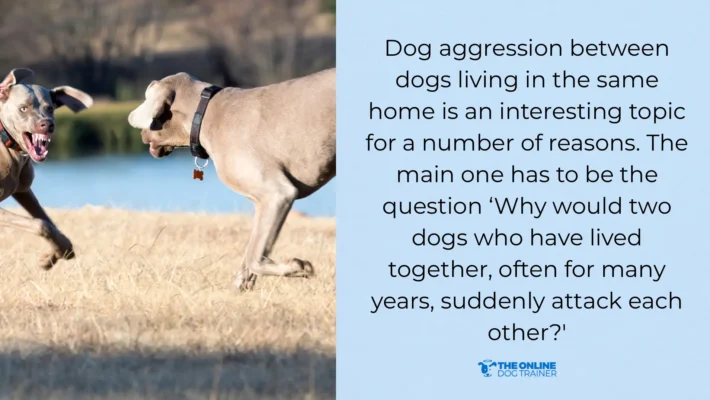
Is your dog showing signs of aggression that worry you? You’re not alone, and the good news is that you can take steps to change this behavior.
Aggressive actions can strain your relationship with your furry friend and make daily life stressful. But imagine a calmer, happier dog who listens and feels safe around you. You’ll discover simple, effective ways to stop aggressive dog behavior and build trust between you and your pet.
Keep reading—your dog’s transformation starts here.
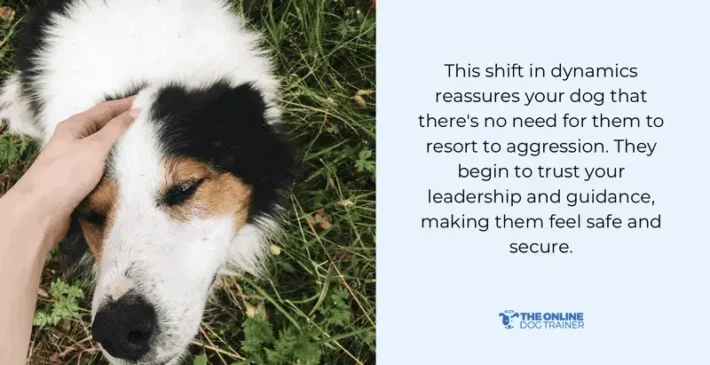
Credit: theonlinedogtrainer.com
Causes Of Dog Aggression
Dog aggression can happen for many reasons. Understanding these causes helps in managing it.
Each dog is different. Their behavior depends on genetics, environment, health, and feelings.
Genetic Factors
Some dog breeds have a higher chance of showing aggressive behavior. This is because of their genes. Aggression can pass from parents to puppies.
Environmental Triggers
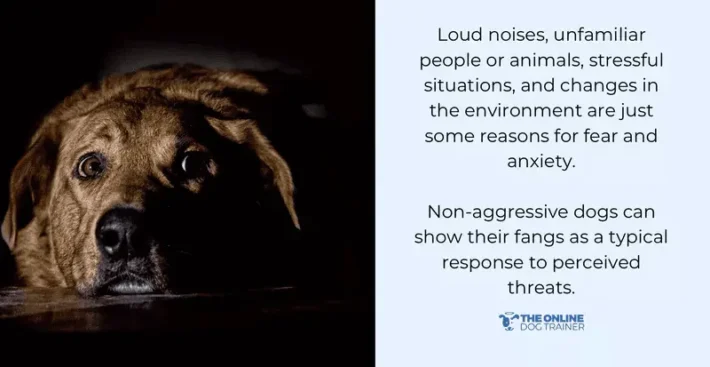
Things around a dog can make it act aggressively. Loud noises, strange people, or new places may cause stress.
- Sudden loud sounds
- Strangers approaching too fast
- Other aggressive animals nearby
- Changes in home or routine
Health Issues
Sick or injured dogs may growl or bite. Pain and discomfort often cause aggressive acts.
| Health Problem | Possible Aggressive Behavior |
| Arthritis | Growling when touched |
| Dental Pain | Snapping at mouth area |
| Neurological Disorders | Sudden biting or snapping |
Fear And Anxiety
Fear is a common cause of aggression. Dogs may bite to protect themselves if scared.
Signs of fear-based aggression include:
- Hiding or cowering
- Growling or barking loudly
- Showing teeth or snapping
- Trying to run away
Recognizing Aggressive Behavior
Aggressive behavior in dogs can be dangerous. It is important to spot the signs early. Understanding these signs helps keep everyone safe.
This guide covers how to recognize aggressive behavior by looking at body language, types of aggression, and triggers.
Body Language Signs
Dogs show aggression through their body language. Watch closely for these signs to know when a dog is upset or may attack.
- Raised hackles (fur along the back stands up)
- Stiff body posture
- Bared teeth or growling
- Direct, hard stare
- Snapping or lunging
- Tail held high and stiff or tucked tightly
- Ears pinned back or standing upright
Types Of Aggression
Different types of aggression come from different causes. Knowing these types helps to understand why the dog acts this way.
| Type of Aggression | Description |
| Fear Aggression | Dog feels scared and tries to protect itself. |
| Territorial Aggression | Dog guards its space or property. |
| Possessive Aggression | Dog defends toys, food, or people. |
| Protective Aggression | Dog protects family or pack members. |
| Redirected Aggression | Dog attacks another target when frustrated. |
Situational Triggers
Certain situations can trigger aggressive behavior. Knowing these helps to avoid or control the dog’s reaction.
- Sudden loud noises or movements
- Strangers approaching the dog
- Other dogs invading the dog’s space
- Handling or touching sensitive areas
- Being cornered or trapped
- Protecting puppies or food
Preventing Aggression Early
Aggressive behavior in dogs can cause serious problems. Preventing it early helps keep your dog calm and safe. Start teaching good habits when your dog is young.
Early prevention means using smart ways to guide your dog’s behavior. You can use socialization, rewards, and training to stop aggression before it starts.
Socialization Techniques
Socialization helps your dog meet new people, dogs, and places. This reduces fear and aggression. Begin socializing puppies by exposing them to different sights and sounds safely.
- Introduce your dog to friendly dogs and people often.
- Use calm, quiet places first, then try busier areas.
- Reward your dog for calm behavior during new experiences.
- Watch your dog’s body language to avoid stress.
- Keep sessions short and positive.
Positive Reinforcement
Positive reinforcement means giving rewards for good behavior. This helps your dog learn what you want without fear. Use treats, praise, or toys to motivate your dog.
| Behavior | Reward Type |
| Calm greeting | Petting and praise |
| Ignoring distractions | Small treat |
| Following commands | Favorite toy |
| Sharing space with others | Verbal praise |
Consistent Training
Consistent training helps your dog understand rules clearly. Use simple commands and practice daily. This builds trust and reduces confusion, lowering chances of aggression.
- Choose a few basic commands like “sit,” “stay,” and “come.”
- Practice in short sessions every day.
- Use the same words and gestures each time.
- Be patient and calm during training.
- Reward your dog immediately for good actions.
Managing Aggression Safely
Managing an aggressive dog requires care and patience. Safety is the top priority for both the dog and people around.
This guide explains how to handle aggression by avoiding triggers, using tools like muzzles, and controlled exposure.
Avoiding Triggers
Identify what causes your dog to act aggressively. Common triggers include loud noises, strangers, or other animals.
- Watch your dog’s body language closely.
- Keep your dog away from known triggers.
- Use calm and steady commands to reduce stress.
- Create a safe space for your dog to retreat to.
Using Muzzles And Leashes
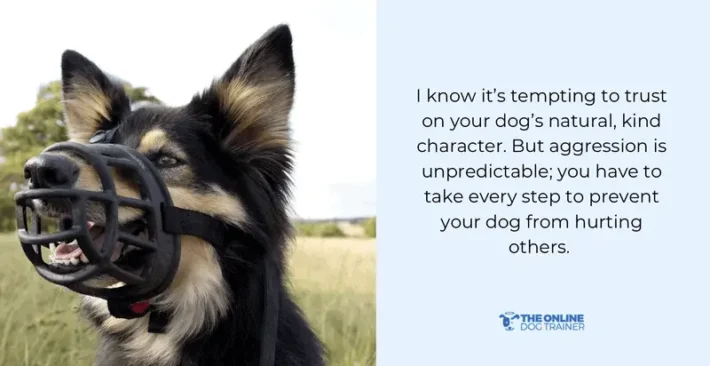
Muzzles and leashes help control aggressive behavior safely during walks and training sessions.
| Tool | Purpose | Tips |
| Muzzle | Prevents biting | Choose a comfortable fit; introduce slowly |
| Leash | Keeps dog close and controlled | Use a strong leash; keep it short in public |
Controlled Exposure
Controlled exposure means slowly introducing your dog to triggers in a safe way. This helps reduce fear and aggression.
Tips for controlled exposure:
- Start with low-level triggers at a distance.
- Reward calm behavior with treats and praise.
- Increase exposure slowly over time.
- Stop if your dog shows signs of stress.
Training Methods To Reduce Aggression
Aggressive behavior in dogs can be harmful to both people and other animals. Training helps reduce this behavior by teaching dogs to react calmly.
Using the right training methods can improve your dog’s behavior and make your home safer. Consistency and patience are important.
Desensitization And Counter-conditioning
Desensitization means slowly exposing your dog to things that cause aggression. Start with low levels that do not trigger a bad reaction.
Counter-conditioning changes your dog’s feelings about those triggers. You teach your dog to feel calm or happy instead of scared or angry.
- Begin with short, safe exposure to the trigger
- Use treats and praise to create positive feelings
- Gradually increase exposure over time
- Keep training sessions short and calm
Obedience Commands
Teaching basic commands helps control your dog during tense moments. Commands like “sit” and “stay” focus your dog’s attention.
Consistent obedience training builds trust. Your dog learns to listen and respond, reducing aggressive reactions.
- Start with simple commands: sit, stay, come
- Use treats and praise for rewards
- Practice commands in different places
- Increase distractions gradually
- Keep training sessions short and fun
Professional Help
Sometimes aggression needs expert care. A professional dog trainer or behaviorist can provide tailored advice.
Professionals use safe methods to identify causes of aggression and create a training plan. They guide you through difficult steps.
- Find a certified dog trainer or behaviorist
- Discuss your dog’s specific behavior
- Follow the expert’s training plan
- Attend sessions regularly
- Ask questions and share progress
Lifestyle Changes For Calmer Dogs
Helping a dog become calmer involves lifestyle changes. These changes can reduce aggression and promote peace.
Let’s explore ways to encourage calm behavior in dogs through exercise, diet, and creating safe spaces.
Exercise And Mental Stimulation
Regular exercise helps burn energy and reduces aggression. Mental stimulation keeps dogs engaged and content.
- Take daily walks with your dog.
- Introduce puzzle toys for mental engagement.
- Play interactive games like fetch or tug-of-war.
Diet And Health Care
A balanced diet supports a dog’s health and mood. Regular health check-ups are also essential.
| Food Type | Benefits |
| High-quality protein | Builds muscle and energy |
| Fruits and vegetables | Provide essential vitamins |
| Whole grains | Offer energy and fiber |
Creating A Safe Environment
A safe and secure environment makes dogs feel protected. This reduces stress and unwanted behavior.
Ensure the home is free from hazards and loud noises that can scare your dog.
When To Seek Veterinary Or Behavioral Help
Aggressive dog behavior can be alarming and dangerous. Knowing when to seek professional help is crucial. This guide will assist you in identifying serious issues and exploring possible solutions.
Consulting a veterinarian or a behavioral specialist can help address the problem effectively. Early intervention often prevents escalation.
Identifying Serious Issues
Understanding when a dog’s aggression is serious is important. Observe your dog’s behavior in different situations. Watch for signs that need attention.
- Unprovoked biting or snapping
- Frequent growling or snarling
- Persistent aggressive behavior despite training
Medication Options
Sometimes, medication can help manage aggressive behavior. Consult a veterinarian to discuss options. Medication can be part of a broader treatment plan.
It’s important to understand potential side effects. Medication should always be combined with behavioral training.
Finding A Qualified Specialist
Choosing the right specialist is key to managing aggression. Look for professionals with experience in behavioral issues. Check their qualifications and reviews.
| Criteria | Considerations |
| Experience | Years in practice, previous cases |
| Certifications | Behavioral training certifications |
| Client Feedback | Positive reviews and testimonials |
Credit: theonlinedogtrainer.com
Credit: theonlinedogtrainer.com
Frequently Asked Questions
What Causes Aggressive Behavior In Dogs?
Aggressive behavior in dogs often stems from fear, pain, or territorial instincts. Poor socialization and past trauma can also trigger aggression. Understanding the cause helps in managing and correcting the behavior effectively.
How Can I Safely Stop My Dog’s Aggression?
To safely stop aggression, remain calm and avoid punishment. Use positive reinforcement, consistent training, and controlled socialization. Consult a professional trainer or behaviorist for severe cases to ensure safety for you and others.
Can Training Reduce Aggressive Dog Behavior?
Yes, training can significantly reduce aggression. Consistent obedience training and socialization teach dogs appropriate responses. Reward-based methods promote trust and reduce fear, which often triggers aggression, leading to better behavior.
When Should I Seek Professional Help For Dog Aggression?
Seek professional help if aggression is frequent, severe, or unpredictable. A certified trainer or veterinarian can diagnose underlying issues and create a tailored behavior modification plan, ensuring safety and effective treatment.
Conclusion
Stopping aggressive dog behavior takes time and patience. Consistent training helps your dog feel safe and calm. Use positive rewards to encourage good actions. Avoid harsh punishments that can increase fear or anger. Seek help from a professional trainer if needed.
Understanding your dog’s body language is key. Keep practicing daily for best results. A happy dog means a happy home. Small steps lead to big changes. You can create a peaceful bond with your dog.

Emily Barker is the founder of ChillDogLife.com, a space dedicated to helping pup parents discover the best dog products, lifestyle tips, and cozy ideas for happier homes.
A lifelong dog lover, Emily combines her passion for pets with a knack for research to share trusted recommendations on everything from toys and furniture to health and everyday care.
Her goal is simple: to make life easier, stylish, and more joyful for dogs and the people who love them.




