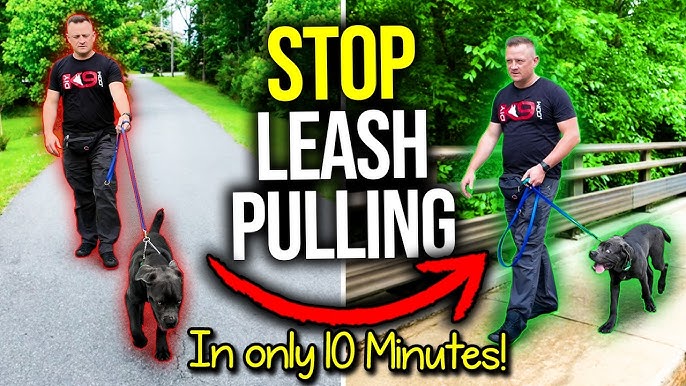
Leash training your dog can feel overwhelming, especially if your furry friend pulls, barks, or resists every time you try. But what if you could turn every walk into a calm, enjoyable experience—for both of you?
Learning how to leash train your dog the right way will give you control, build trust, and make outings stress-free. Keep reading, and you’ll discover simple, effective steps that anyone can follow to transform your walks and strengthen your bond with your dog.

Credit: www.youtube.com
Choosing The Right Leash
Choosing the right leash is a crucial step in leash training your dog. The leash you pick affects not only your control but also your dog’s comfort and willingness to walk beside you. A well-chosen leash can make walks safer and more enjoyable for both of you.
Types Of Leashes
There are several types of leashes available, each with its unique purpose. Standard leashes, usually 4 to 6 feet long, offer great control and are perfect for training.
Retractable leashes give your dog more freedom but can be harder to manage during training. Chain leashes are durable but heavy and often uncomfortable for dogs. Consider what fits your dog’s personality and your training style before deciding.
Leash Length And Material
The length of the leash plays a big role in training success. Shorter leashes keep your dog close and focused, which is essential when teaching good walking behavior.
Materials like nylon are lightweight and affordable, while leather leashes are sturdy and last longer. Think about your dog’s size and strength; a thick nylon leash might suit a large dog, while a softer material could be better for a smaller breed.
Selecting A Comfortable Collar Or Harness
Your dog’s comfort matters just as much as your control. Collars work well for dogs who don’t pull excessively, but harnesses distribute pressure more evenly and reduce strain on the neck.
I once switched from a collar to a harness with my energetic Labrador, and walks became more relaxed. Pay attention to fit—too tight can cause discomfort, too loose might let your dog slip out. Have you noticed how your dog reacts to different collars or harnesses during walks?

Credit: pupford.com
Preparing Your Dog
Preparing your dog for leash training sets the foundation for success. It helps your dog feel calm and confident. A smooth start makes walks enjoyable for both of you. Begin by introducing the leash in a safe, quiet space indoors. Use gentle steps to build trust and good habits.
Introducing The Leash Indoors
Let your dog see and sniff the leash. Attach it loosely to their collar without pulling. Allow your dog to walk around with the leash on. Keep sessions short and positive. Praise your dog for calm behavior. Repeat this several times daily to create comfort.
Building Positive Associations
Connect the leash with good things. Offer treats and kind words while the leash is on. Play favorite games or give toys during leash time. Avoid forcing your dog to wear the leash. Let your dog explore at their own pace. This builds trust and excitement about leash use.
Basic Obedience Commands
Teach simple commands before walking outside. Use words like “sit,” “stay,” and “come.” Practice these indoors without distractions. Reward your dog immediately for following commands. Strong obedience helps control your dog during walks. It also improves communication between you and your dog.
Starting Leash Training
Starting leash training sets the foundation for enjoyable walks and a strong bond between you and your dog. It’s important to begin in a calm, distraction-free space where your dog feels safe. This helps your dog focus on learning and builds positive associations with the leash.
First Steps In A Controlled Environment
Choose a quiet room or a fenced yard for your initial sessions. This limits distractions and prevents your dog from pulling or darting off. Let your dog wear the leash indoors to get used to the feeling without pressure.
Watch for signs of discomfort or resistance, and pause to give your dog time to adjust. Your goal is to make the leash a normal part of their day, not something scary or restrictive. How does your dog react when the leash first comes out?
Using Treats And Rewards
Treats work wonders in teaching your dog that walking on a leash means good things happen. Keep small, tasty treats handy and reward your dog often for calm behavior. This builds a strong connection between the leash and positive experiences.
Use treats to guide your dog’s attention back to you if they get distracted. Praising with a happy tone or gentle petting reinforces the message just as effectively. What kind of treats does your dog respond to best?
Encouraging Loose Leash Walking
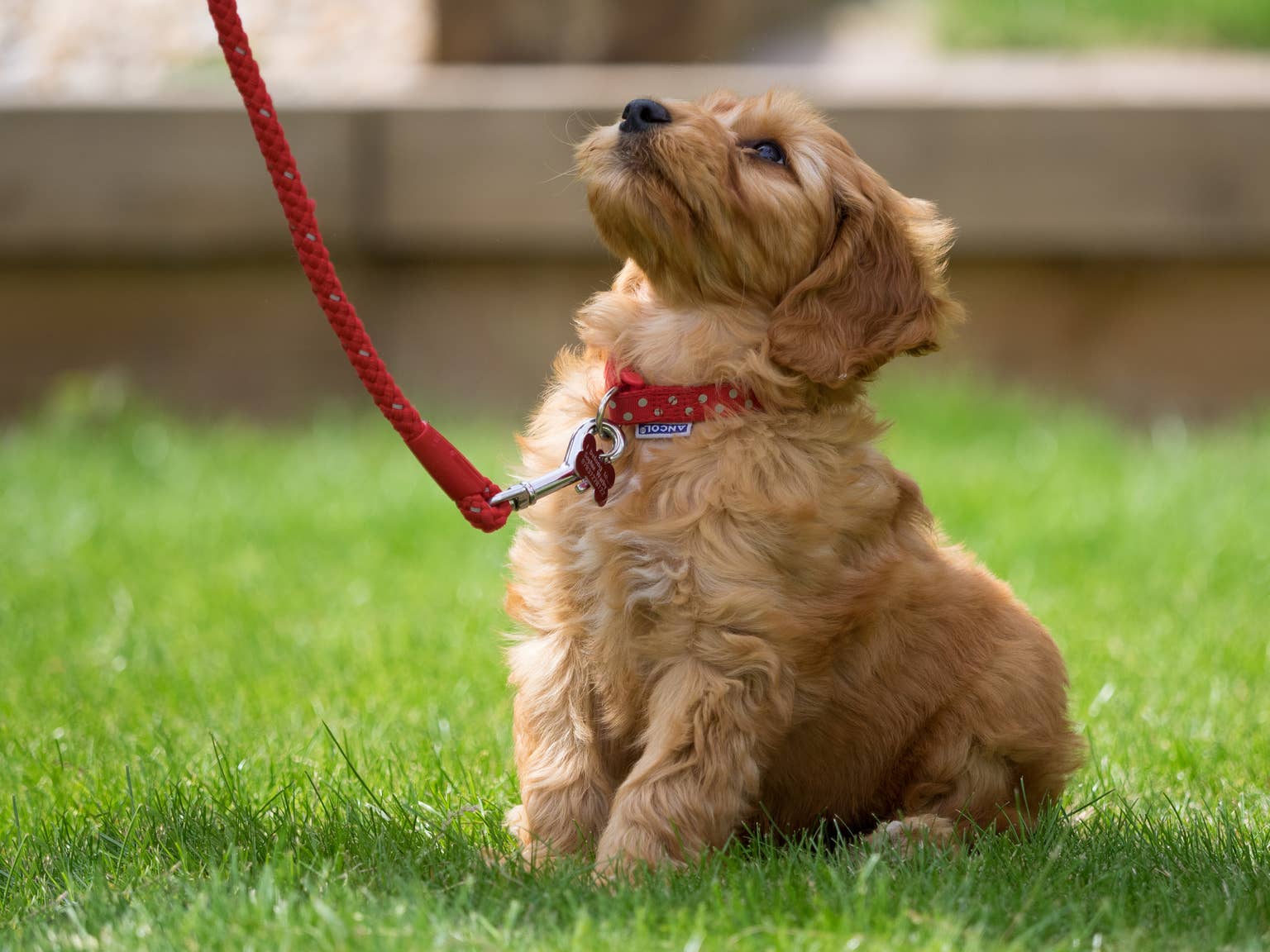
Loose leash walking means your dog walks beside you without pulling. Start by rewarding your dog when the leash is slack and they stay close. If they pull, stop walking immediately—this teaches them pulling doesn’t get them where they want to go.
Take short walks and gradually increase the time as your dog improves. Keep your pace steady and change directions occasionally to keep your dog attentive. Can you feel the difference when your dog walks calmly versus pulling?
Credit: pethelpful.com
Handling Common Challenges
Leash training can bring many challenges. Dogs may pull, get distracted, or feel scared. Handling these problems calmly helps your dog learn better. Patience and clear steps make training smoother and more fun for both of you.
Dealing With Pulling
Pulling is a common problem during leash training. Stop walking when your dog pulls. Stand still and wait until the leash is loose again. Praise your dog when it walks beside you calmly. Use treats to encourage good behavior. A short, gentle tug on the leash can redirect your dog’s attention. Keep sessions short and positive to avoid frustration.
Managing Distractions
Distractions can make leash training harder. Start training in a quiet place with few distractions. Gradually add more distractions as your dog improves. Use treats and praise to keep your dog focused. Stay calm and patient if your dog looks away. Keep the leash short but loose to control your dog without causing stress.
Addressing Fear Or Anxiety
Fear or anxiety can stop your dog from walking on a leash. Notice signs like shaking, hiding, or refusal to move. Use a soft voice and gentle touch to comfort your dog. Give your dog space if it feels overwhelmed. Try shorter walks and increase time slowly. Reward brave behavior with treats and kind words. Avoid forcing your dog to move too fast or far.
Increasing Difficulty Gradually
Increasing difficulty gradually helps your dog build confidence and skills. It avoids overwhelming your pet during leash training. Small challenges create steady progress. Your dog learns to stay calm and focused over time. This approach makes walks more enjoyable for both of you.
Practicing In Different Locations
Start leash training in a quiet place with few distractions. Once your dog is comfortable, try new spots. Parks, sidewalks, or quiet streets work well. Each place has unique sights and sounds. This teaches your dog to focus despite changes. It also helps your dog get used to varied environments.
Extending Walk Duration
Short walks at first build your dog’s endurance. Slowly increase the time spent walking each day. This helps your dog stay calm on longer walks. Avoid long walks too soon to prevent frustration. Gradual increases keep training fun and rewarding. Your dog learns to walk patiently over time.
Introducing Other Dogs And People
Allow your dog to see other dogs and people while on leash. Start from a distance where your dog feels safe. Gradually decrease the space as your dog stays calm. This helps your dog handle distractions without pulling. It improves social skills and leash manners. Always reward calm behavior near others.
Maintaining Good Leash Behavior
Maintaining good leash behavior is crucial for enjoyable walks and safe outings with your dog. It requires ongoing attention beyond initial training to ensure your dog remains calm, responsive, and well-mannered on the leash. Without consistent effort, even a well-trained dog can slip back into pulling or darting, making walks stressful for both of you.
Consistency In Training
Consistency is key to keeping your dog’s leash manners sharp. Use the same commands and signals every time you walk to avoid confusing your dog.
Try to enforce leash rules with everyone who walks your dog, including family members and friends. Mixed messages can lead to mixed results, making your training less effective.
Have you noticed how your dog reacts differently when you slack on leash rules? Staying consistent helps prevent unwanted behavior from sneaking back.
Regular Practice Sessions
Short, frequent practice sessions keep leash skills fresh and build your dog’s confidence. Aim for 5 to 10 minutes of focused leash work daily or several times a week.
Practice in various environments, like quiet streets, busy parks, or near other dogs, so your dog learns to stay calm despite distractions.
Think about your last walk—was your dog responsive even with new smells or noises? Regular practice prepares your dog for real-world challenges.
Recognizing And Reinforcing Progress
Celebrate small wins to encourage your dog’s good behavior on the leash. Praise, treats, or a favorite toy can motivate your dog to keep it up.
Keep a mental note or even a journal of improvements, such as fewer pulls or quicker responses to commands. Tracking progress helps you stay motivated too.
When you notice your dog walking politely without tension, reward them immediately. This positive feedback strengthens the habit faster than punishment ever will.
Frequently Asked Questions
How Do I Start Leash Training A Puppy?
Begin leash training indoors where there are fewer distractions. Attach the leash and let your puppy get accustomed to it. Use treats to encourage walking alongside you. Reward calm behavior and gradually move outdoors for more challenging experiences.
How Long Does Leash Training Take?
Leash training duration varies with each dog. Some may learn within weeks, while others take months. Consistency and patience are key. Regular short sessions and positive reinforcement can speed up the process.
What If My Dog Refuses To Walk On A Leash?
If your dog resists, try using treats to motivate them. Keep sessions short and positive. Ensure the leash is comfortable and not causing discomfort. Gradually increase walking distance as your dog becomes more comfortable.
Why Is My Dog Pulling On The Leash?
Dogs pull due to excitement or wanting to explore. Use a no-pull harness to reduce pulling. Practice stopping when pulling occurs and reward when walking calmly. Consistent training and patience will help in reducing this behavior.
Conclusion
Leash training your dog takes time and patience. Start slow and stay consistent every day. Celebrate small wins to keep your dog motivated. Use gentle guidance to build trust and good habits. Always keep walks positive and fun for both of you.
Soon, your dog will walk calmly by your side. Enjoy the bond that grows with each step together. Training well helps keep your dog safe and happy. Keep practicing, and success will follow naturally.

Emily Barker is the founder of ChillDogLife.com, a space dedicated to helping pup parents discover the best dog products, lifestyle tips, and cozy ideas for happier homes.
A lifelong dog lover, Emily combines her passion for pets with a knack for research to share trusted recommendations on everything from toys and furniture to health and everyday care.
Her goal is simple: to make life easier, stylish, and more joyful for dogs and the people who love them.




