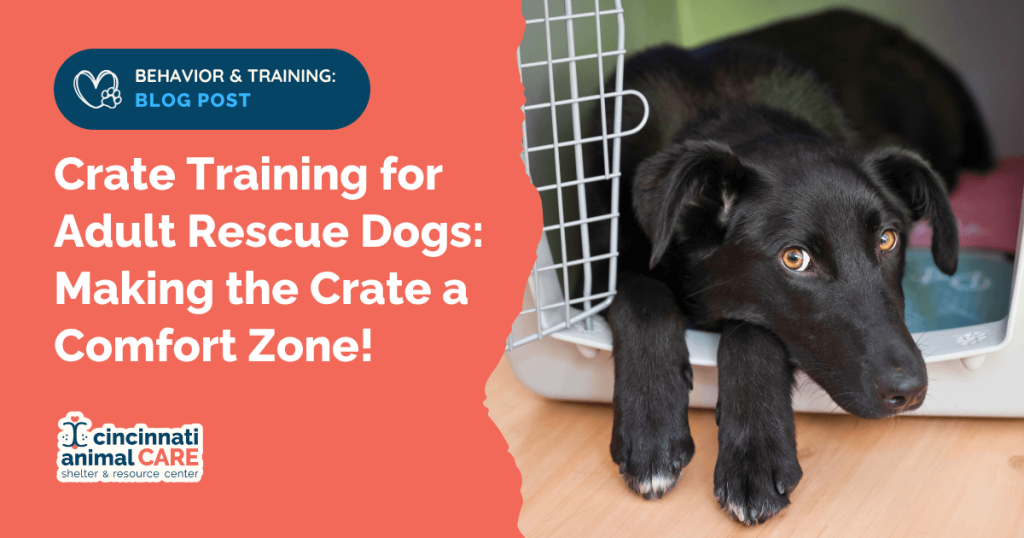
If you’ve just brought home an adult dog or want to improve your current dog’s behavior, kennel training can be a game-changer. It’s not just about giving your dog a safe space—it helps with house training, reduces anxiety, and keeps your home peaceful.
But where do you start? How do you get your adult dog comfortable with a kennel without stress or frustration? You’ll discover simple, step-by-step tips to make kennel training easy and effective for your furry friend. Keep reading, and you’ll soon see your dog happily settling into their new cozy spot.

Credit: www.monsterk9.com
Choosing The Right Kennel
Choosing the right kennel is key for successful training. The kennel must feel safe and inviting. A good kennel helps your dog adjust quickly and reduces stress. Consider size, material, and where you place it. Each factor affects your dog’s comfort and willingness to enter the kennel.
Size And Comfort
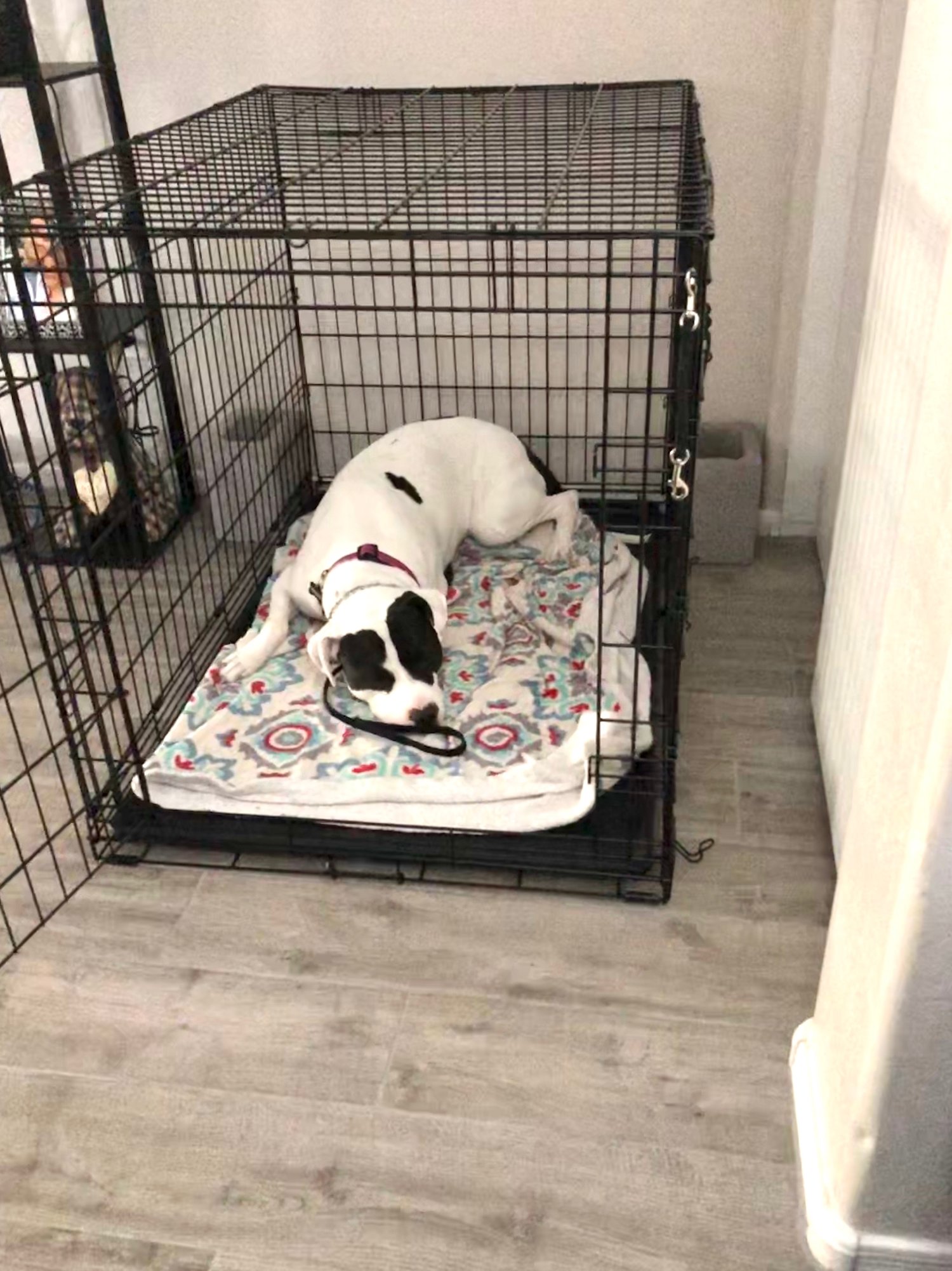
Pick a kennel that fits your dog’s size well. Your dog should stand, turn, and lie down easily. Too small feels cramped; too large feels unsafe. Add soft bedding for comfort. A cozy kennel encourages your dog to use it often.
Material And Durability
Choose a kennel made from strong, safe materials. Metal kennels are sturdy and easy to clean. Plastic kennels offer privacy and warmth. Avoid materials that can break or cause injury. Durability means the kennel lasts through training and beyond.
Location For The Kennel
Place the kennel in a quiet, low-traffic area. Avoid direct sunlight or drafty spots. The location should feel part of the family space. This helps your dog feel secure and less isolated. A good spot encourages your dog to go in willingly.
Credit: www.sadiesrulesk9training.com
Introducing The Kennel
Introducing the kennel helps create a safe, cozy space for your adult dog. Teaching your dog to enjoy the kennel takes patience and gentle guidance. Consistent practice builds comfort and trust in this new environment.
Introducing the Kennel Kennel training an adult dog can seem challenging at first. But it can become a rewarding experience for both you and your dog. Start by introducing the kennel in a positive manner. A comfortable and familiar kennel can become your dog's safe haven. It’s all about making the space inviting and welcoming.Making It Inviting
Create a cozy atmosphere inside the kennel. Use soft bedding and a familiar blanket. A comfortable space encourages your dog to relax. Keep the kennel in a quiet, low-traffic area. This helps your dog feel secure and undisturbed. Make sure the kennel is the right size. Your dog should be able to stand, turn, and lie down easily.Using Treats And Toys
Introduce treats and toys to make the kennel appealing. Place your dog’s favorite toys inside. This creates a positive association with the kennel. Use treats as a reward for entering the kennel. This encourages your dog to explore and stay inside. You can also try puzzle toys to keep your dog entertained.Allowing Exploration
Let your dog explore the kennel at their own pace. Keep the door open so they feel no pressure. Allow them to sniff and investigate the new space. This builds curiosity and reduces anxiety. Gradually increase the time spent inside the kennel. Use positive reinforcement to encourage longer stays.Establishing A Routine
Establishing a routine is key when kennel training an adult dog. Dogs thrive on predictability, and a steady schedule helps reduce anxiety and resistance. By setting clear patterns for feeding, bathroom breaks, and kennel time, you create a structure your dog can understand and trust.
Consistent Feeding Times
Feed your dog at the same times every day. This consistency helps regulate their digestion and signals when it’s time to eat and when it’s time to expect other activities, like bathroom breaks or kennel time.
For example, if you feed your dog twice a day at 7 AM and 6 PM, stick to those times. You’ll notice your dog becomes more settled and less restless, knowing when meals will come.
Regular Bathroom Breaks
Schedule bathroom breaks at predictable intervals, ideally right before kennel time. Adult dogs usually need to relieve themselves every 4 to 6 hours.
Try to take your dog outside just before placing them in the kennel. This reduces accidents and helps your dog associate kennel time with feeling comfortable and clean.
Scheduled Kennel Time
Decide on specific times for kennel stays that fit your daily rhythm. Start with short periods and gradually increase the duration as your dog adjusts.
For instance, you might begin with 15-minute sessions after a bathroom break, then slowly extend to an hour or more. Regular timing helps your dog see kennel time as a normal and safe part of their day.
Positive Reinforcement Techniques
Positive reinforcement techniques are essential when kennel training an adult dog. These methods build trust and encourage your dog to associate the kennel with comfort and safety. Using rewards and praise helps your dog learn at their own pace without fear or stress.
Rewarding Calm Behavior
Start by rewarding your dog when they enter or stay calm inside the kennel. Use treats, toys, or gentle petting as a reward immediately after your dog relaxes. This helps them connect the kennel with positive experiences.
If your dog shows signs of anxiety, wait for a moment of calm before giving a reward. This teaches them that staying calm brings good things. Have you noticed how small rewards can make a big difference in your dog’s attitude?
Using Verbal Praise
Words like “good boy” or “well done” can motivate your dog as much as treats. Use a happy tone to make your praise clear and encouraging. This verbal feedback helps your dog understand what behavior you want to see.
Try combining verbal praise with physical affection like a gentle pat or scratch behind the ears. Your dog will start to recognize that calm, quiet behavior earns your approval. How often do you celebrate small victories with your dog?
Avoiding Punishment
Never punish your dog for being anxious or reluctant about the kennel. Punishment can increase fear and make training harder. Instead, focus on patience and gentle encouragement.
If your dog acts out, try to understand the cause instead of reacting negatively. Redirect their energy into something positive, like a treat or a favorite toy inside the kennel. Can you imagine how much easier training becomes without fear getting in the way?
Handling Resistance And Anxiety
Dealing with resistance and anxiety is a key part of kennel training an adult dog. Your dog might feel unsure or scared about this new environment. Understanding and addressing these feelings early can make the process smoother for both of you.
Recognizing Stress Signals
Dogs show stress in many ways. Watch for signs like whining, pacing, drooling, or trying to escape the kennel. Some dogs may freeze or avoid eye contact, while others might bark or growl.
Noticing these signals helps you adjust your approach. Have you seen your dog freeze or try to hide when near the kennel? Recognizing these signs early can prevent bigger problems.
Gradual Increase Of Kennel Time
Start with very short periods inside the kennel. Let your dog explore it freely without closing the door at first. Slowly add time by closing the door for a few seconds and then opening it again.
This slow increase helps your dog build confidence. If your dog starts to panic, go back to shorter periods. How long can your dog stay calm before showing signs of stress?
Comfort Items And Calming Aids
Adding familiar items inside the kennel can make it feel safer. A favorite blanket or a piece of your clothing with your scent works well. These items can reduce anxiety by providing comfort.
Calming aids like pheromone sprays or soft music can also help. Try different options to see what relaxes your dog most. What small change could make your dog’s kennel experience more pleasant?
Nighttime Kenneling Tips
Getting your adult dog comfortable with a crate at night can be challenging but rewarding. Nighttime kenneling helps establish a safe space for your dog and supports better sleep for both of you. Let’s focus on how to make those nighttime hours calm and stress-free for your furry friend.
Setting A Sleep Schedule
Dogs thrive on routine, so setting a consistent sleep schedule is key. Try to put your dog in the kennel around the same time every night. This predictability helps your dog know what to expect and reduces anxiety.
Before bedtime, take your dog out for a bathroom break and some light exercise. This helps them settle down and reduces the chance of needing a midnight trip outside. Have you noticed how your dog’s behavior changes when their bedtime is irregular?
Dealing With Nighttime Whining
Whining is common when your dog is adjusting to the crate at night. It’s important not to rush to open the door immediately, as this can teach your dog that whining gets them out.
Instead, wait a few minutes before checking on them. You can soothe your dog by speaking calmly or offering a comforting item like a favorite toy or blanket. How do you usually respond when your dog whines at night?
Ensuring Safety And Comfort
Make sure the kennel feels like a cozy retreat rather than a prison. Add a soft bed or blanket to cushion the floor and keep your dog warm. Avoid placing the kennel in drafty or noisy areas.
Check that the crate is the right size—your dog should be able to stand, turn around, and lie down comfortably. Adding a water bowl attached inside the crate can help if your dog wakes up thirsty. What small changes could make your dog’s kennel feel more inviting tonight?
Troubleshooting Common Issues
Troubleshooting common issues during kennel training can feel frustrating, but understanding the root causes helps you guide your dog more effectively. Each dog reacts differently to the kennel environment, so patience and observation are key. Let’s look at some typical problems and how you can address them to make the process smoother for both you and your dog.
Chewing And Barking
Chewing on the kennel bars or barking loudly often signals anxiety or boredom. Try adding safe chew toys or puzzle feeders inside to keep your dog mentally occupied. If barking persists, assess whether your dog is getting enough exercise before kennel time—tired dogs are usually calmer.
Have you noticed if your dog barks more at certain times? This can give clues about what triggers their stress. Gradual desensitization by spending short periods in the kennel followed by praise can reduce these behaviors.
Accidents Inside The Kennel
Accidents happen, especially if the dog isn’t used to holding it for long periods. Make sure your dog has had a chance to relieve themselves right before entering the kennel. If accidents continue, shorten the kennel duration and increase bathroom breaks.
Sometimes, accidents are a sign of medical issues or stress. Monitoring your dog’s health and consulting a vet if accidents are frequent can prevent bigger problems.
Refusal To Enter
Your dog might avoid the kennel if it feels scary or uncomfortable. Avoid forcing them inside; instead, create positive associations by placing treats or favorite toys near and inside the kennel. Sit nearby and speak softly to build trust.
Does your dog willingly explore other new spaces? Use similar techniques to encourage kennel entry. Patience here pays off—forcing entry can create fear instead of comfort.
Maintaining Long-term Success
Maintaining long-term success in kennel training your adult dog requires ongoing attention and adjustments. It’s not just about getting your dog comfortable with the kennel initially, but also about keeping that comfort alive as time goes on. You want your dog to see the kennel as a safe, positive space no matter what changes life brings.
Regular Kennel Cleaning
Keeping the kennel clean is essential for your dog’s health and happiness. Dogs are sensitive to smells and dirt, and a dirty kennel can quickly become an unpleasant place. Clean bedding, remove any mess daily, and wipe down surfaces weekly to keep the environment inviting.
Have you noticed how your dog reacts to an unclean space? If they hesitate to enter or seem restless, it could be a sign to step up your cleaning routine. A fresh-smelling kennel encourages your dog to spend time there willingly.
Adapting As Your Dog Ages
As your dog grows older, their needs change, and so should the kennel setup. Older dogs may need softer bedding, easier access, and more frequent breaks outside. Watch for signs of discomfort or stiffness that suggest adjustments.
Think about how your dog’s mobility or health has changed. Have you tried adding orthopedic pads or placing the kennel in a warmer spot during winter? Small changes can make a big difference in keeping the kennel a comfortable retreat.
Integrating Kennel Time With Daily Life
Kennel time should fit naturally into your dog’s daily routine. Use the kennel for quiet time, naps, and safe space during busy moments. Make it a positive part of the day by offering treats or toys when your dog goes in.
Do you balance kennel time with plenty of exercise and social interaction? Too much time alone in the kennel can lead to anxiety, so pairing kennel use with daily walks and play helps your dog feel secure and happy overall.
Credit: www.purina.com
Frequently Asked Questions
How Long Does Kennel Training Take For Adult Dogs?
Kennel training duration varies by dog, but typically takes 1-3 weeks. Consistency and patience speed up the process. Some dogs may adjust faster, while others need more time to feel comfortable.
Can Adult Dogs Learn To Love Their Kennel?
Yes, adult dogs can learn to enjoy their kennel. Use positive reinforcement, treats, and comfort items. Gradually increase kennel time to create a safe, cozy space your dog will appreciate.
What Are Common Mistakes In Adult Dog Kennel Training?
Common mistakes include rushing the process, using punishment, and neglecting positive rewards. Avoid forcing your dog inside. Be patient, consistent, and use treats to encourage good behavior.
How To Make A Kennel Comfortable For An Adult Dog?
Add soft bedding, toys, and water to the kennel. Ensure proper ventilation and size. Familiar scents and gentle praise help your dog feel safe and relaxed inside.
Conclusion
Kennel training an adult dog takes time and patience. Start slow and stay consistent every day. Use treats and praise to encourage good behavior. Keep the kennel comfortable and safe for your dog. Never force your dog inside the kennel.
Small steps lead to big progress. Your dog will learn to enjoy the kennel. This helps with safety and comfort at home. Trust the process and celebrate small wins. Your efforts will build a happy, confident dog.

Emily Barker is the founder of ChillDogLife.com, a space dedicated to helping pup parents discover the best dog products, lifestyle tips, and cozy ideas for happier homes.
A lifelong dog lover, Emily combines her passion for pets with a knack for research to share trusted recommendations on everything from toys and furniture to health and everyday care.
Her goal is simple: to make life easier, stylish, and more joyful for dogs and the people who love them.




