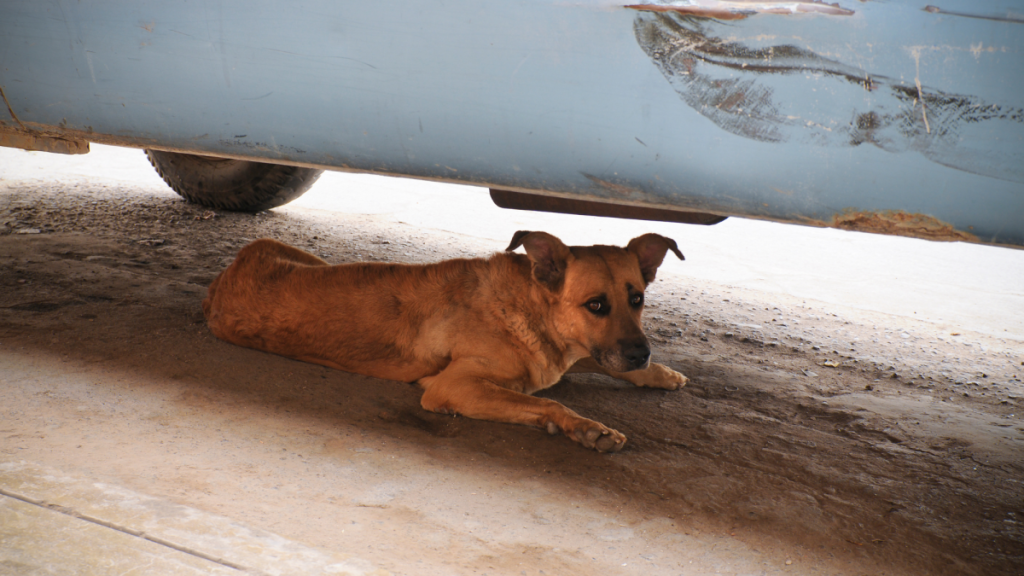
Have you ever come across a stray dog and wondered what to do next? It’s not always easy to know who to call or how to help.
You want to make sure the dog is safe, but you might worry about causing trouble or not doing the right thing. This guide will walk you through the simple steps to take and the right people to contact. By the end, you’ll feel confident and ready to act if you ever find yourself face-to-face with a stray dog in need.
Keep reading—you could make a real difference today.

Credit: www.nytimes.com
Identifying A Stray Dog
Identifying a stray dog is the first step to helping an animal in need. Recognizing the signs can guide you on what to do next. Not every dog without an owner looks the same. Some may seem lost, while others appear scared or hungry. Understanding these signs helps keep both you and the dog safe.
Signs A Dog Is Stray
- Dirty or matted fur showing neglect
- Thin body indicating lack of food
- No collar or identification tags
- Wandering alone without direction
- Visible injuries or signs of illness
- Fearful or anxious behavior around people
Assessing The Dog’s Behavior
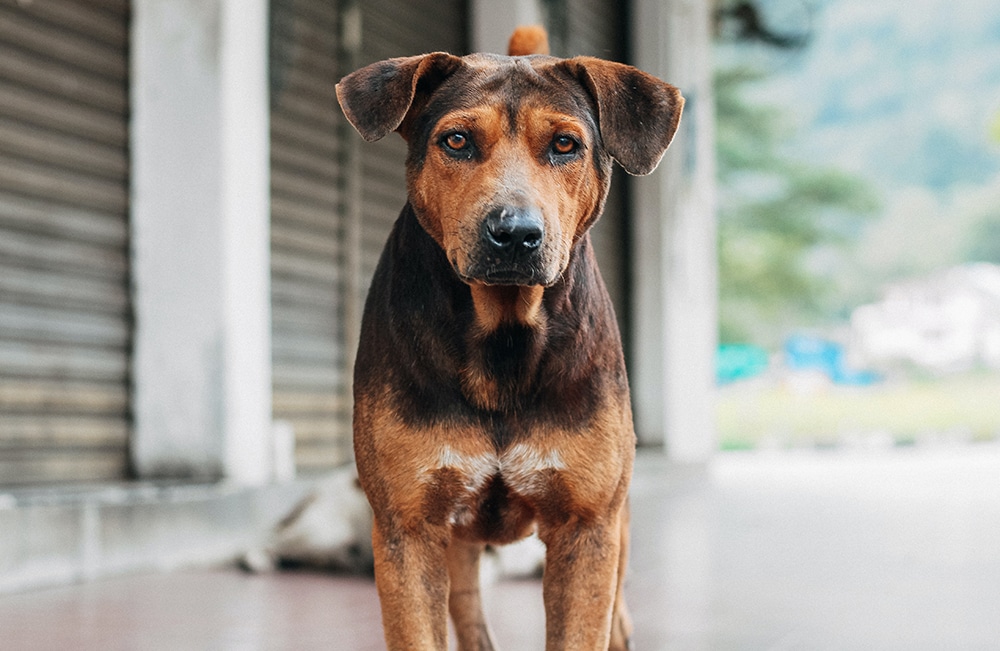
Observe the dog from a distance. Does it seem scared or aggressive? A frightened dog may growl or bark to protect itself. A friendly dog might approach you slowly or wag its tail. Avoid sudden moves or loud noises. Keep calm and patient. This helps the dog feel safer around you.
Safety Precautions
- Do not try to touch the dog immediately
- Avoid direct eye contact which may scare the dog
- Keep pets and children away from the stray dog
- Use food or water to gain the dog’s trust if safe
- Call local animal control or rescue groups for help
- Wear gloves if you must handle the dog
Credit: smoochie-pooch.com
Local Animal Control Services
Calling your local animal control is the best way to handle a stray dog safely. They have the tools and knowledge to help the animal and protect the community. Many towns provide quick response for lost or stray pets.
When you spot a stray dog wandering the streets, your heart might skip a beat. You might want to help, but feel unsure about where to start. That’s where local animal control services step in, acting as a bridge between stray animals and the safety they need. They play a crucial role in ensuring stray animals receive proper care, and also help maintain community safety.How Animal Control Helps
Animal control services are more than just a number you call. They are equipped to handle various situations involving stray dogs, from capturing them safely to providing temporary shelters. Their trained personnel understand animal behavior, ensuring that the process is stress-free for the animal. These services also work to reunite lost pets with their owners. They check for microchips or identification tags, increasing the chances of a happy reunion. Additionally, they can provide information on local shelters and rescue organizations that might offer adoption opportunities for unclaimed animals.Finding Contact Information
Finding the right number to call is easier than you might think. A quick search online for your city’s animal control services can yield the necessary contact details. Most local government websites have dedicated sections for animal services, often with phone numbers and email addresses. You can also check with local shelters or veterinarians. They typically have partnerships with animal control and can guide you to the right contact. If you’re ever in doubt, dialing the non-emergency police line can also direct you to the appropriate resources.What To Expect When You Call
When you call animal control, be prepared to provide specific details. Describe the dog’s location, appearance, and behavior as accurately as possible. This information helps them assess the situation and respond accordingly. Expect them to ask follow-up questions about the time and place where you saw the dog. They might also inquire if the dog seems injured or aggressive. Your detailed observations can make a significant difference in how quickly and effectively they can respond. Have you ever wondered about the impact of your call? Every report contributes to a safer community for both humans and animals. By taking a moment to reach out, you play a direct role in the welfare of stray animals in your area.Animal Shelters And Rescue Groups
Animal shelters and rescue groups are key helpers for stray dogs. They offer safety and care to lost animals. These organizations work hard to find homes for dogs without owners. They also help keep neighborhoods safe and healthy by managing stray animals properly.
Role Of Shelters
Shelters provide temporary homes for stray dogs. They feed, shelter, and care for animals until owners claim them or new homes are found. Shelters often check animals for health issues and vaccinate them. They also help control stray dog populations through safe methods.
Nonprofit Rescue Organizations
Rescue groups focus on saving dogs from dangerous situations. They operate on donations and volunteers. These groups often specialize in certain breeds or urgent cases. Rescue groups work closely with shelters and adopters to place dogs in loving homes. Their goal is to reduce euthanasia and improve animal welfare.
How To Report A Stray
To report a stray dog, contact your local animal shelter or rescue group. Provide details like location, description, and behavior of the dog. Some shelters have online forms or hotlines for quick reporting. Reporting helps animals get care faster and prevents accidents or harm.
Police And Emergency Contacts
Dealing with a stray dog can be confusing. Knowing who to call helps keep everyone safe, including the dog. Police and emergency contacts are key resources. They can respond quickly to urgent situations. Understanding when to contact them ensures the right help arrives fast.
When To Contact The Police
Call the police if the stray dog is aggressive or dangerous. They handle cases where people or animals face immediate harm. Also, contact them if the dog causes traffic problems or accidents. Police can control the situation and prevent injuries. They may also coordinate with animal control officers for safe capture.
Emergency Situations Involving Strays
Emergency calls are necessary if the stray dog is injured or sick. If the dog is in the middle of a busy road, call emergency services. They have tools and training to rescue animals safely. In cases of dog attacks or bites, police and emergency responders must be notified. Quick action can reduce risks and provide medical care.
Veterinarians And Animal Hospitals
Veterinarians and animal hospitals play a crucial role when you find a stray dog. They offer professional help to ensure the dog’s health and safety. These places have the tools to check the dog’s identity and provide urgent medical care. Acting quickly can make a big difference for the stray animal.
Checking For Identification
Veterinarians scan the dog for a microchip. This chip contains the owner’s contact details. They also check for ID tags on the collar. These steps help reunite the dog with its family. If no ID is found, vets may notify local shelters or animal control. This step is essential to find the dog’s home.
Immediate Medical Care
Stray dogs may suffer from injuries or illness. Animal hospitals provide quick health checks to spot problems. They offer treatment for wounds, infections, or parasites. Vaccinations and deworming may also be given. Medical care helps the dog recover and stay safe. Vets can advise on the next steps for the dog’s care or shelter placement.

Credit: www.reddit.com
Using Social Media And Community Resources
When you spot a stray dog, your first thought might be to call animal control. But don’t underestimate the power of social media and local community resources. These tools can quickly spread the word and connect the dog to its owner or a safe place.
Posting Lost And Found Notices
Creating clear and detailed lost and found posts can make a huge difference. Include a recent photo, the dog’s description, location, and your contact info. Pin the post to your profile and encourage friends to share it.
Think about how many eyes you can get on the post. Have you ever seen a lost pet reunited through a single shared post? That’s the kind of impact your notice can have.
Community Groups And Forums
Local Facebook groups, neighborhood apps like Nextdoor, and community forums are great places to report stray animals. These platforms connect you with neighbors who might recognize the dog or offer immediate help.
Join groups dedicated to lost pets in your area. Being active there not only helps now but also builds a network for future situations. What if someone near you is already searching for this dog?
Apps For Reporting Stray Animals
Specialized apps like PawBoost, Petfinder, or local animal shelter apps let you report strays quickly. They often send alerts to nearby users, shelters, and rescue groups.
Using these apps can speed up the process and reduce the chance the dog ends up in a shelter unnecessarily. Have you tried any of these apps before? They might be easier and faster than traditional methods.
Temporary Care And Safety Tips
Taking care of a stray dog temporarily requires calm and caution. Safety matters for both you and the dog. This section offers simple tips to help you provide short-term care. It also explains how to keep the dog safe while waiting for help.
How To Approach A Stray Dog
Move slowly and stay calm. Avoid sudden moves or loud noises. Let the dog see you and sniff your hand first. Watch the dog’s body language for signs of fear or aggression. Do not run or chase the dog. Speak softly and offer a gentle tone. Keep your hands low and visible.
Providing Food And Shelter Safely
Offer water and small amounts of dog-friendly food. Avoid giving human food that can harm dogs. Place the food and water in a quiet and safe spot. Use a box or blanket for shelter if the dog looks cold or tired. Avoid forcing the dog into a confined space. Stay near but give space for the dog to feel secure.
Avoiding Common Mistakes
- Do not try to grab or hold the dog quickly.
- Avoid loud noises or sudden movements.
- Never feed the dog chocolate, onions, or salty foods.
- Do not leave the dog alone near busy roads or other animals.
- Avoid giving the dog strong medicine or treatments.
- Do not assume the dog is friendly; always stay cautious.
Frequently Asked Questions
Who Should I Call About A Stray Dog Nearby?
You should contact your local animal control or animal shelter. They handle stray animals and ensure their safety. Some areas have specific stray dog hotlines you can call.
Can I Call The Police For A Stray Dog?
Yes, you can call the non-emergency police line if the dog is aggressive or in danger. They often coordinate with animal control.
What Information Should I Provide When Reporting A Stray Dog?
Give the dog’s location, appearance, behavior, and whether it seems injured. Clear details help responders find and assist the dog quickly.
Is It Safe To Approach A Stray Dog?
Approach cautiously, only if the dog seems calm. Avoid sudden movements and never corner the dog. Safety is important for both of you.
Conclusion
Stray dogs need help and care from people. Calling animal control or a local shelter is best. They have the tools and knowledge to keep dogs safe. You can also contact rescue groups or the police. Acting quickly can save a dog’s life.
Everyone can play a part in helping stray animals. Remember, kindness matters. Taking the right steps makes a difference for stray dogs and the community.

Emily Barker is the founder of ChillDogLife.com, a space dedicated to helping pup parents discover the best dog products, lifestyle tips, and cozy ideas for happier homes.
A lifelong dog lover, Emily combines her passion for pets with a knack for research to share trusted recommendations on everything from toys and furniture to health and everyday care.
Her goal is simple: to make life easier, stylish, and more joyful for dogs and the people who love them.




