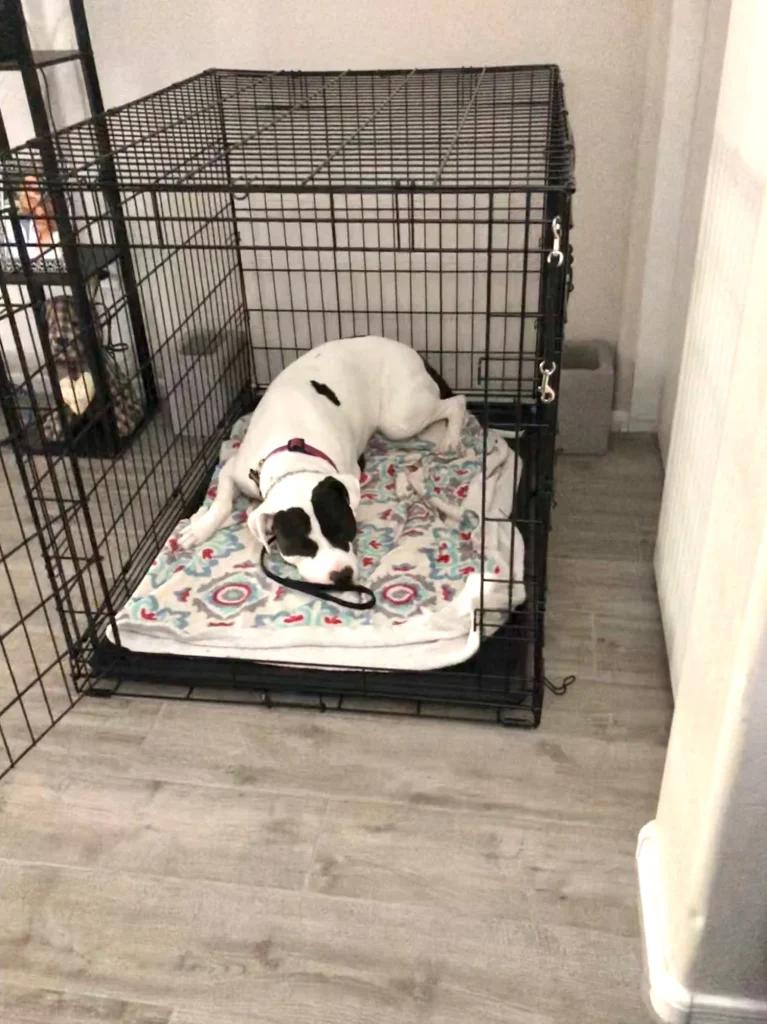
If you want your dog to feel safe and comfortable while giving yourself some peace of mind, kennel training is the answer. Imagine having a spot where your dog can relax and stay calm, whether you’re at home or away.
But how do you make sure your furry friend loves their kennel instead of fearing it? In this guide, you’ll discover simple, proven steps to kennel train your dog without stress or frustration. Keep reading, and you’ll soon have a happy dog who sees their kennel as a cozy retreat.

Credit: www.skipperspetproducts.com
Choosing The Right Kennel
Choosing the right kennel is key to successful dog training. It becomes your dog's safe space and comfort zone. The right kennel helps your dog feel secure and calm. Picking one with care ensures your dog enjoys time inside.
Size And Comfort
The kennel must fit your dog’s size perfectly. Too small feels cramped and uncomfortable. Too large may cause your dog to avoid it. Your dog should be able to stand, turn, and lie down easily.
Include soft bedding for extra comfort. Use washable materials to keep it clean. Comfort helps your dog accept the kennel as a cozy den.
Material And Durability
Choose a kennel made of strong, durable materials. Metal crates offer good ventilation and long life. Plastic kennels provide a cozy, enclosed space. Wood kennels look nice but need more care.
Check for smooth edges to avoid injuries. Durable kennels withstand chewing and rough use. Quality materials keep your dog safe and secure.
Safety Features
Look for secure locks that your dog cannot open. Avoid sharp corners or small gaps that trap paws. Ensure good ventilation to keep fresh air flowing.
Non-toxic paint and materials protect your dog’s health. A safe kennel prevents accidents and stress for your dog.

Credit: www.care.com
Introducing The Kennel
Introducing a kennel to your dog can be a pivotal moment in their training journey. It’s about creating a safe, comfortable space that they associate with positive experiences. The process requires patience, consistency, and a touch of creativity to make it inviting for your furry friend.
Making It Inviting
Start by choosing a kennel that is the right size for your dog. It should be large enough for them to stand, turn around, and lie down comfortably. Line it with a soft blanket or a bed to make it cozy.
Add some of your dog's favorite toys or chew items inside. This helps them associate the kennel with things they love. You might even consider placing a piece of your clothing in there, as your scent can be soothing to them.
Think about location. Place the kennel in a room where your family spends a lot of time. This keeps your dog from feeling isolated and helps them see the kennel as part of their home.
Using Positive Reinforcement
Encourage your dog to enter the kennel by using treats. Toss a few treats inside and praise them when they go in. This simple action builds a positive association with the space.
Whenever your dog enters the kennel voluntarily, reward them with a treat or verbal praise. Positive reinforcement strengthens the behavior you want to see repeated.
Consider using a specific command, like “kennel up,” each time they enter. Over time, they’ll learn to associate the command with the action, making the process smoother.
Gradual Exposure
Introduce your dog to the kennel in short sessions. At first, let them explore with the door open. This helps them get comfortable without feeling trapped.
As they become more at ease, start closing the door for brief periods while you remain in sight. Gradually increase the time they spend inside, ensuring they stay calm and relaxed.
If your dog shows signs of distress, scale back the time and try again later. Remember, patience is key, and each dog adapts at their own pace.
Have you noticed any specific tricks that work well with your dog during kennel training? Share your experiences to help fellow pet parents!
Establishing A Routine
Establishing a routine helps your dog feel safe and understand expectations. Dogs thrive on regular schedules, which makes kennel training easier and less stressful. A steady routine guides your dog through feeding, kennel time, and bathroom breaks. This predictability builds trust and encourages good behavior.
Consistent Feeding Times
Feed your dog at the same times each day. This consistency helps regulate their digestion and bathroom habits. Avoid feeding right before kennel time to prevent discomfort. Use feeding times to prepare your dog for the kennel routine.
Scheduled Kennel Time
Set specific times for your dog to be in the kennel. Start with short periods and slowly increase the duration. Keep these times consistent daily to build comfort and routine. Use calm tones and gentle praise to make kennel time positive.
Bathroom Breaks
Take your dog out for bathroom breaks before and after kennel time. Regular breaks prevent accidents inside the kennel. Watch for signs your dog needs to go. A consistent bathroom schedule supports kennel training success.
Handling Initial Resistance
Handling your dog’s initial resistance to kennel training can feel challenging. Your furry friend may not understand why they suddenly need to spend time in a confined space. But with the right approach, you can turn this resistance into cooperation and even comfort.
Dealing With Whining
Whining is a common response when your dog first encounters the kennel. It’s their way of expressing discomfort or asking for attention. Instead of immediately letting them out, try to observe if the whining is due to a real need like a bathroom break.
Respond calmly by waiting a few moments before opening the door. This teaches your dog that whining won’t always lead to freedom. You can also distract them with a favorite toy or a treat inside the kennel to shift their focus.
Avoiding Negative Associations
Your dog should associate the kennel with positive experiences, not punishment. Never use the kennel as a time-out spot after bad behavior. Instead, make it a cozy, inviting space where good things happen.
Try feeding your dog meals or giving special treats inside the kennel. Adding soft bedding and toys can also help. Think about whether your dog’s kennel placement is quiet and comfortable—this can make a big difference in how they feel about it.
Staying Patient And Calm
Patience is key when your dog resists kennel training. Dogs can sense your frustration, which might make them more anxious. Take deep breaths and keep your voice gentle to set a calm tone.
Remember, training is a process that takes time. Celebrate small wins like your dog entering the kennel voluntarily. Ask yourself: How can I make this experience better for my dog every day?
Encouraging Good Behavior
Encouraging good behavior is key to successful kennel training. It helps your dog feel safe and happy inside the kennel. Positive habits form faster with gentle guidance and clear signals. Patience and consistency make the process smoother for both you and your dog.
Rewarding Calmness
Calm behavior deserves praise. When your dog stays quiet and relaxed in the kennel, give gentle words or pets. This shows your dog that calmness brings positive attention. Avoid scolding if your dog whines or barks. Instead, wait for calm moments and reward them.
Using Treats And Toys
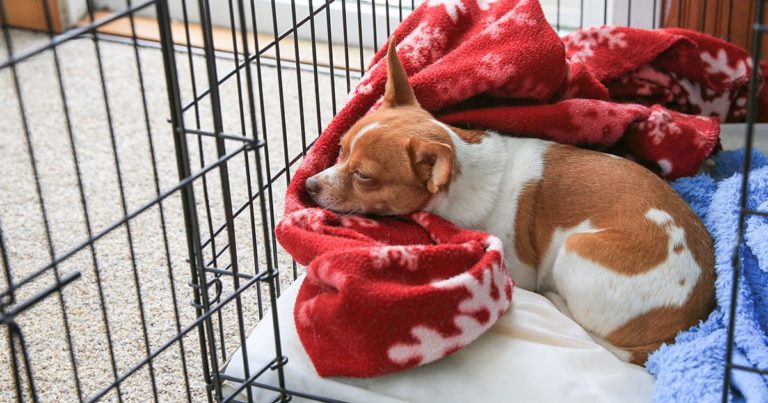
Treats and toys make kennel time enjoyable. Place favorite snacks inside the kennel to attract your dog. Use chew toys or soft blankets to comfort them. These items keep your dog busy and reduce anxiety. Rotate toys to keep interest high and prevent boredom.
Gradual Increase Of Kennel Duration
Start with short kennel stays. Let your dog get used to the space slowly. Increase time inside the kennel by a few minutes daily. Watch your dog’s reactions and adjust if they seem stressed. Consistent, gradual steps build trust and confidence in the kennel.
Credit: www.diamondpet.com
Troubleshooting Common Issues
Troubleshooting common issues during kennel training helps maintain progress. Many dogs face challenges that owners can fix with patience. Understanding the cause of each problem leads to better solutions.
Excessive Barking
Barking often means your dog feels stressed or bored. Check if the kennel is too small or uncomfortable. Provide chew toys or treats to keep your dog busy. Avoid giving attention during barking to prevent reinforcing the behavior.
Accidents Inside The Kennel
Accidents happen when dogs cannot hold their bladder. Make sure the kennel size allows enough space to stand and lie down, but not to use a bathroom corner. Set a regular schedule for bathroom breaks outside. Praise your dog when it goes outside.
Separation Anxiety
Separation anxiety causes whining, barking, or destructive behavior. Gradually increase the time your dog spends in the kennel. Use calm tones and reward your dog for staying quiet. Avoid long, sudden departures to reduce stress.
Maintaining Long-term Success
Keeping your dog comfortable and well-behaved in their kennel takes ongoing effort. Long-term success means more than just initial training—it requires consistent habits and attention to your dog’s changing needs. You want the kennel to remain a positive, safe spot that your dog willingly returns to.
Regular Cleaning
Clean the kennel frequently to keep it inviting and hygienic. Dogs notice smells and dirt quickly, so removing waste, hair, and odors helps maintain their comfort. Use pet-safe cleaning products to avoid irritating your dog’s skin or nose.
Think about how you feel when entering a messy room. Would you want to stay there? Your dog feels the same way. Regular cleaning shows your dog that the kennel is a pleasant place, not just a confinement area.
Adjusting Kennel Use Over Time
As your dog grows or their routine changes, adapt how you use the kennel. Puppies need shorter stays and more frequent breaks, while adult dogs can handle longer kennel times. Watch your dog’s behavior and energy levels to decide when it’s time to adjust.
If your dog starts to resist the kennel or shows signs of stress, consider changing the schedule or the amount of time inside. Sometimes, less is more. Are you paying attention to your dog’s signals?
Keeping The Kennel A Safe Space
Make the kennel a place your dog associates with safety and relaxation. Add cozy bedding, favorite toys, or a piece of your clothing to provide comfort. Avoid using the kennel as punishment, or your dog may develop negative feelings towards it.
Check the kennel regularly for any hazards like loose wires, sharp edges, or small objects your dog could swallow. Safety isn’t just about preventing accidents but also about making your dog feel secure. Would you want your dog to see their kennel as a refuge or a trap?
Frequently Asked Questions
How Long Does Kennel Training Usually Take?
Kennel training typically takes 1 to 3 weeks. Consistency and patience speed up the process. Each dog learns at its own pace.
What Size Kennel Is Best For My Dog?
Choose a kennel large enough for your dog to stand, turn, and lie down comfortably. Avoid oversized kennels to prevent accidents.
How Can I Make A Kennel Comfortable For My Dog?
Add soft bedding, favorite toys, and water inside the kennel. Keep the area quiet and positive to encourage comfort.
Is Kennel Training Stressful For Dogs?
If done gradually with positive reinforcement, kennel training is not stressful. It provides dogs a safe, cozy space they enjoy.
Conclusion
Kennel training your dog takes time and patience. Start slow and keep sessions short. Use treats and praise to encourage good behavior. Always make the kennel a safe, happy place. Consistency helps your dog feel secure and learn faster. Remember, every dog learns at their own pace.
Stay calm and positive throughout the process. Soon, your dog will enjoy their kennel as a cozy spot. This training builds trust and makes life easier for both of you. Keep practicing, and success will come.

Emily Barker is the founder of ChillDogLife.com, a space dedicated to helping pup parents discover the best dog products, lifestyle tips, and cozy ideas for happier homes.
A lifelong dog lover, Emily combines her passion for pets with a knack for research to share trusted recommendations on everything from toys and furniture to health and everyday care.
Her goal is simple: to make life easier, stylish, and more joyful for dogs and the people who love them.




