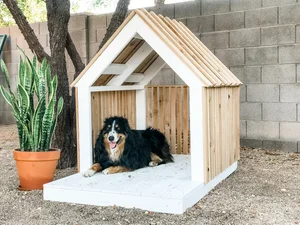
Are you thinking about building a safe and comfortable space for your furry friend? Making a dog kennel might seem tricky, but with the right steps, you can create a perfect shelter tailored just for your dog.
Imagine giving your pet a cozy spot to relax, protected from weather and noise. In this guide, you’ll discover simple, clear instructions that make building a dog kennel easy—even if you’re new to DIY projects. Keep reading, and by the end, you’ll have everything you need to make a kennel your dog will love.

Credit: www.youtube.com
Choosing The Right Location
Choosing the right location for your dog kennel is crucial to ensure your pet’s comfort and safety. The spot you pick can affect your dog’s health and happiness every day. Let’s look at key factors that help you find the perfect place.
Considering Shelter And Shade
Your dog needs protection from harsh weather. Choose a location that offers natural shade, like under a tree or near a building. This keeps your dog cool in summer and shields them from rain.
If natural shade isn’t available, plan to add a roof or cover. Think about the direction of the sun—placing the kennel on the north or east side often reduces heat exposure. Have you noticed how your dog reacts to sun exposure during the day? Use that observation to guide your choice.
Ensuring Proper Drainage
Standing water around the kennel invites pests and creates a muddy mess your dog will hate. Pick a spot with good drainage, ideally on a slight slope. Water should flow away from the kennel, keeping the area dry and clean.
If your yard is flat, consider adding gravel or a raised platform inside the kennel. This prevents water buildup and keeps your dog’s paws dry. Can you imagine how uncomfortable wet feet would be for your dog? Avoid that by thinking ahead.
Accessibility And Convenience
Make sure the kennel is easy for you to reach. You’ll need to clean it regularly, refill water, and check on your dog often. A location close to your house or garden path saves time and effort.
At the same time, avoid placing the kennel in a noisy or busy area. Dogs need peace to relax. Ask yourself: is this spot quiet enough for my dog to rest comfortably? Your daily routine and your dog’s comfort must both fit well in your choice.
Selecting Materials
Choose sturdy, weather-resistant wood or plastic for durability. Ensure materials are safe and comfortable for your dog’s health.
Selecting the right materials for building a dog kennel is crucial to ensure your furry friend’s comfort and safety. It’s important to choose materials that are durable, weather-resistant, and safe. Here, we dive into the best options for each category.Durable Wood Options
Choosing the right wood can make a significant difference in the longevity of your kennel. Cedar and redwood are excellent choices due to their natural resistance to decay and insects. If you’re on a budget, pressure-treated pine can be an affordable alternative, though you’ll need to ensure it’s safe for pets. When I built my dog’s kennel, I opted for cedar. It not only smells great but also held up well through rainy seasons. What wood are you considering, and how does it fit your climate?Weather-resistant Fabrics
Fabrics play a key role, especially if you’re adding a cover or soft elements to the kennel. Look for materials like canvas or heavy-duty polyester that can withstand various weather conditions. These fabrics are typically UV-resistant and water-repellent, ensuring your dog stays dry and comfortable. Once, I used a simple tarp as a temporary cover, and it quickly deteriorated. Investing in quality fabric saved me time and money in the long run. How do you plan to protect your kennel from the elements?Safe Fasteners And Tools
Using the right fasteners and tools is not just about stability but also safety. Stainless steel screws and bolts are perfect for resisting rust, ensuring the structure holds up over time. Avoid using nails, as they can loosen over time and pose a risk to your pet. Remember, the tools you choose can greatly impact the building process. A cordless drill and a reliable saw can make construction quick and precise. What tools do you have on hand, and are they up to the task? By selecting the appropriate materials, you’re not just building a kennel; you’re creating a safe haven for your dog. What choices will you make to ensure your dog’s comfort and safety?Designing The Kennel
Designing the kennel is the first key step in building a safe and cozy space for your dog. The kennel should provide enough room for movement and rest. It needs good airflow to keep the air fresh and reduce odors. Also, the design should allow easy cleaning to maintain hygiene. Thoughtful planning makes the kennel comfortable and practical for both you and your pet.
Sizing For Comfort
Choose kennel size based on your dog’s breed and size. The space must allow the dog to stand, turn, and lie down easily. Add extra room for comfort. Avoid making the kennel too small or too large. A perfect fit keeps your dog calm and happy.
Ventilation And Airflow
Good airflow prevents heat buildup and moisture inside the kennel. Use wire mesh or slats on some walls for natural ventilation. Place the kennel in a shaded area to avoid direct sun. Proper ventilation keeps your dog cool and healthy.
Easy Cleaning Features
Design the kennel floor with waterproof and smooth materials. Raised floors help drain water and dirt. Use removable trays or panels for quick cleaning. Keep surfaces non-porous to stop bacteria growth. Easy cleaning keeps the kennel fresh and safe.

Credit: www.youtube.com
Building The Kennel Frame
Building the kennel frame is the foundation of a sturdy and safe dog kennel. This structure needs to be strong enough to hold the walls and roof while providing ample space for your dog to move comfortably. Pay close attention to measurements and assembly to ensure your kennel lasts through all seasons.
Measuring And Cutting Wood
Start by measuring the area where you want to place your dog kennel. Decide on the size that will give your dog enough room to stand, turn around, and lie down comfortably. Mark the wood pieces clearly before cutting to avoid mistakes that can waste materials.
Use a saw to cut the wood accurately along the marks. Straight cuts are essential for a solid frame. If you’re new to cutting wood, consider practicing on scrap pieces first to get a feel for the tool.
Assembling The Base And Walls
Begin assembling the base by joining the cut wood pieces with screws or nails. A flat, stable base will prevent the kennel from wobbling and make it easier to attach the walls.
Next, build the walls by connecting vertical and horizontal wood pieces. Make sure the corners are square by checking with a carpenter’s square or by measuring diagonally. Walls that are perfectly aligned will support the roof properly and keep the kennel safe.
Adding Roof Support
Roof support is crucial for protecting your dog from rain and sun. Attach sturdy rafters across the top of the walls to create a strong skeleton for the roof. These supports need to be spaced evenly to hold the roofing material without sagging.
Consider the angle of the roof to allow water runoff. A sloped roof is better than a flat one because it prevents water from pooling and causing damage. Would you want your dog to enjoy a dry and cozy spot even during heavy rain?
Installing Doors And Windows
Installing doors and windows in your dog kennel is a crucial step that affects both comfort and security. These elements allow fresh air and natural light while keeping your dog safe inside. Paying attention to details like hinges, screens, and locks can make a big difference in how functional and durable your kennel becomes.
Secure Door Hinges
Your dog’s safety depends a lot on how well the door stays in place. Choose heavy-duty hinges made of rust-resistant materials like stainless steel or brass. These will hold up well against weather and frequent use.
Attach the hinges firmly to both the door and frame using long screws. Short screws might loosen over time, causing the door to sag or wobble. If you’ve ever noticed a door that’s hard to open or closes unevenly, it’s often because the hinges weren’t installed properly.
Protective Window Screens
Windows bring light and airflow but also invite bugs and debris. Adding protective screens made of durable mesh keeps your dog comfortable without letting pests in. Look for screens designed to resist tearing since dogs may scratch or push against them.
Install the screens securely inside the window frame with staples or small nails. Make sure there are no gaps or loose edges where your dog could escape or get stuck. Think about your dog’s behavior—if they tend to chew or scratch, a tougher screen material is worth the investment.
Locking Mechanisms
Locks on kennel doors aren’t just for keeping your dog inside—they also protect your pet from unwanted visitors. Choose a locking mechanism that’s simple for you to operate but difficult for your dog to figure out.
Padlocks, sliding bolts, or latch locks work well depending on your kennel’s design. I once installed a sliding bolt that was easy to use but sturdy enough to withstand my dog’s persistent nudging. Test your lock by trying to open it yourself with one hand to ensure convenience during daily use.
Weatherproofing And Insulation
Weatherproofing and insulation are crucial for building a dog kennel that protects your furry friend from harsh weather conditions. Without proper sealing and insulation, cold drafts, rain, and moisture can make the kennel uncomfortable or even unsafe. You want a space that stays warm in winter and cool in summer, ensuring your dog feels secure no matter the weather outside.
Applying Sealants And Paints
Start by sealing all gaps and cracks in the kennel’s structure with a high-quality, non-toxic sealant. This prevents cold air and moisture from sneaking inside. Use weather-resistant paint on the exterior to add an extra layer of protection against rain and sun damage.
Choose paints that are safe for pets and designed for outdoor use. I once overlooked sealing small cracks, and the kennel became damp after rain, making my dog uncomfortable. Don’t make the same mistake—seal thoroughly and check for missed spots.
Adding Insulation Materials
Insulation keeps the kennel’s temperature stable by reducing heat loss in winter and heat gain in summer. You can use foam boards, reflective insulation, or even straw bales to line the walls and floor. Make sure the insulation is covered with plywood or another durable material to protect it from chewing or moisture.
Think about your local climate when choosing insulation. In colder regions, thicker foam boards work best, while in warmer areas, reflective insulation can help keep things cool. Have you considered how insulation can directly improve your dog’s health and comfort?
Creating A Waterproof Roof
The roof is the kennel’s first defense against rain and snow. Use waterproof materials such as asphalt shingles, metal sheets, or waterproof tarps to cover the roof. Ensure the roof slopes away from the kennel to allow water to run off quickly and avoid pooling.
Adding an overhang can protect the entrance from direct rain. When I built a flat roof without proper drainage, water pooled and leaked inside. Avoid that by making the roof slightly angled and using materials designed to repel water.
Adding Comfort Features
Adding comfort features to a dog kennel creates a welcoming space for your pet. Comfort helps reduce stress and makes the kennel a favorite spot. Focus on soft bedding, fun toys, and smart food and water placement. These elements improve your dog’s wellbeing and happiness.
Soft Bedding Options
Choose bedding that is soft and supportive for your dog. Use materials like foam pads, fleece blankets, or cushioned mats. Washable covers keep the space clean and fresh. Change bedding regularly to avoid odors and dirt. Consider your dog’s size and sleeping style for the best fit.
Toys And Enrichment Items
Include toys that keep your dog busy and happy. Chew toys, puzzle feeders, and squeaky toys are great picks. Rotate toys to keep the kennel interesting. Enrichment items help prevent boredom and stress. Safe, durable toys work best to avoid choking hazards.
Food And Water Placement
Place food and water bowls in easy-to-reach spots inside the kennel. Use non-slip bowls to prevent spills. Keep water fresh and refill often. Position bowls away from bedding to maintain cleanliness. Regularly clean bowls to avoid bacteria buildup and keep your dog healthy.
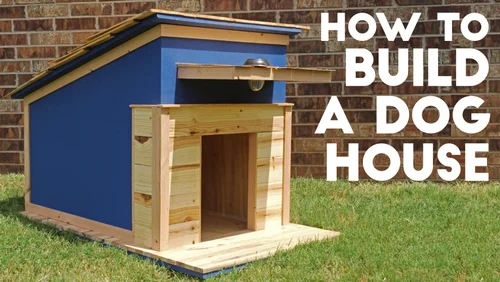
Credit: www.modernbuilds.com
Safety Considerations
Building a dog kennel is more than just assembling materials; safety must be your top priority. A secure environment protects your furry friend from injury and stress. Paying close attention to safety details ensures your kennel is a comfortable and worry-free space for your dog.
Avoiding Sharp Edges
Sharp edges on wood, metal, or wire can cause painful cuts or scratches. Always sand down wooden surfaces and file metal edges until they are smooth. Check corners and joints carefully—are there any nails or screws sticking out?
I once overlooked a small nail head in a DIY kennel, and my dog got a minor scratch. That taught me to double-check every inch before letting my dog inside. Would you want to risk your pet’s safety over something easily fixed?
Proper Ventilation Checks
Good airflow prevents overheating and reduces moisture buildup. Make sure your kennel has enough openings to let fresh air in without creating drafts that chill your dog. Position ventilation holes or mesh panels strategically—near the top and bottom—to encourage natural air circulation.
Have you ever noticed your dog panting excessively in a poorly ventilated space? Proper airflow keeps your dog cool and comfortable even during hot days. Use a thermometer to test if the kennel stays at a safe temperature throughout the day.
Regular Maintenance Tips
Safety doesn’t end once the kennel is built. Inspect the structure regularly for wear and tear. Look for loose screws, broken panels, or rusted metal that could harm your pet.
Cleaning the kennel frequently also reduces bacteria and pests that threaten your dog’s health. Keep a maintenance checklist handy and update it monthly—this habit helps catch problems early before they become serious.
Frequently Asked Questions
How Do I Choose The Right Size For A Dog Kennel?
Select a kennel size based on your dog's breed and comfort. Ensure enough space for standing, turning, and lying down. Measure your dog’s length and height to find the perfect fit. A properly sized kennel promotes safety and comfort during use.
What Materials Are Best For Building A Dog Kennel?
Use durable, weather-resistant materials like treated wood, metal, or PVC. These materials provide stability and protect against outdoor elements. Avoid toxic or sharp materials to ensure your dog’s safety and comfort. Proper material choice increases the kennel’s lifespan.
How Do I Ensure Proper Ventilation In A Dog Kennel?
Incorporate windows or vents on multiple sides for good airflow. Position openings to prevent direct wind exposure while allowing fresh air. Proper ventilation keeps your dog cool and reduces odors. Good airflow is essential for your dog’s health and comfort.
Can I Build A Dog Kennel Indoors?
Yes, indoor dog kennels can be built using lightweight materials. Ensure enough space for your dog to move comfortably. Use washable and non-toxic materials for easy cleaning and safety. Indoor kennels provide a cozy, secure area for your pet.
Conclusion
Building a dog kennel can be simple and fun. Use strong materials to keep your dog safe and comfortable. Make sure the kennel fits the size of your dog well. Add bedding for warmth and a shaded area for hot days.
Regular cleaning keeps the space fresh and healthy. With care and effort, your dog will enjoy their new home. A well-made kennel shows your love and keeps your pet happy. Start planning today and create a cozy space for your furry friend.

Emily Barker is the founder of ChillDogLife.com, a space dedicated to helping pup parents discover the best dog products, lifestyle tips, and cozy ideas for happier homes.
A lifelong dog lover, Emily combines her passion for pets with a knack for research to share trusted recommendations on everything from toys and furniture to health and everyday care.
Her goal is simple: to make life easier, stylish, and more joyful for dogs and the people who love them.




