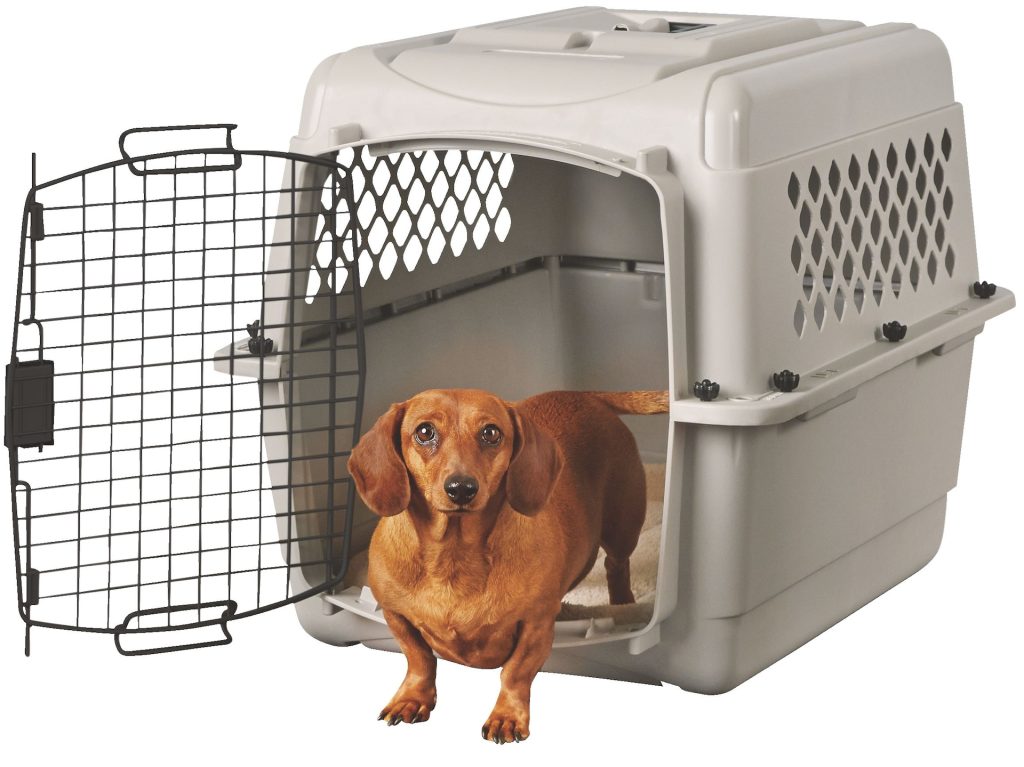
Are you wondering what a dog kennel really is and why it might be important for your furry friend? Whether you need a safe space for your dog at home or a place to leave them when you’re away, understanding what a dog kennel offers can make all the difference.
You’ll discover how a dog kennel can improve your pet’s comfort and safety, and help you feel more at ease. Keep reading to find out everything you need to know about dog kennels and how to choose the right one for your dog.
Purpose Of A Dog Kennel
A dog kennel serves several important purposes for both dogs and their owners. It is more than just a place to keep a dog. A kennel provides safety, comfort, and helps with training. Understanding these purposes can help owners choose the right kennel for their dogs.
Providing Safety And Security
A dog kennel offers a secure space where dogs are protected from dangers. It keeps them safe from traffic, other animals, and harmful objects. Kennels prevent dogs from wandering off and getting lost. This safety helps owners feel confident about their dog’s wellbeing.
Offering Comfort And Shelter
Kennels give dogs a cozy place to rest and relax. They shield dogs from bad weather like rain, wind, and extreme heat or cold. A well-designed kennel has soft bedding and enough space for the dog to move comfortably. This shelter supports the dog’s health and happiness.
Training And Behavior Management
Kennels are useful tools for training dogs. They teach dogs to stay in a specific area and develop good habits. Kennels help manage behaviors like chewing, barking, or jumping on furniture. Using a kennel encourages discipline and makes training easier for owners.
Types Of Dog Kennels
Understanding the different types of dog kennels can help you choose the best option for your pet’s comfort and safety. Each type serves a specific purpose, depending on your dog’s needs and your living situation. Let’s break down the most common types so you can make an informed choice.
Indoor Kennels
Indoor kennels are designed for use inside your home. They provide a safe, cozy space for your dog to rest or stay when you cannot supervise them directly. Many indoor kennels come with soft bedding and are made of materials like plastic or wire, which allow for good ventilation.
If you have a small living space, an indoor kennel can double as a training area or a private retreat for your dog. They’re especially useful for puppies or dogs that get anxious when left alone. Have you noticed your dog needing a quiet spot during busy household moments?
Outdoor Kennels
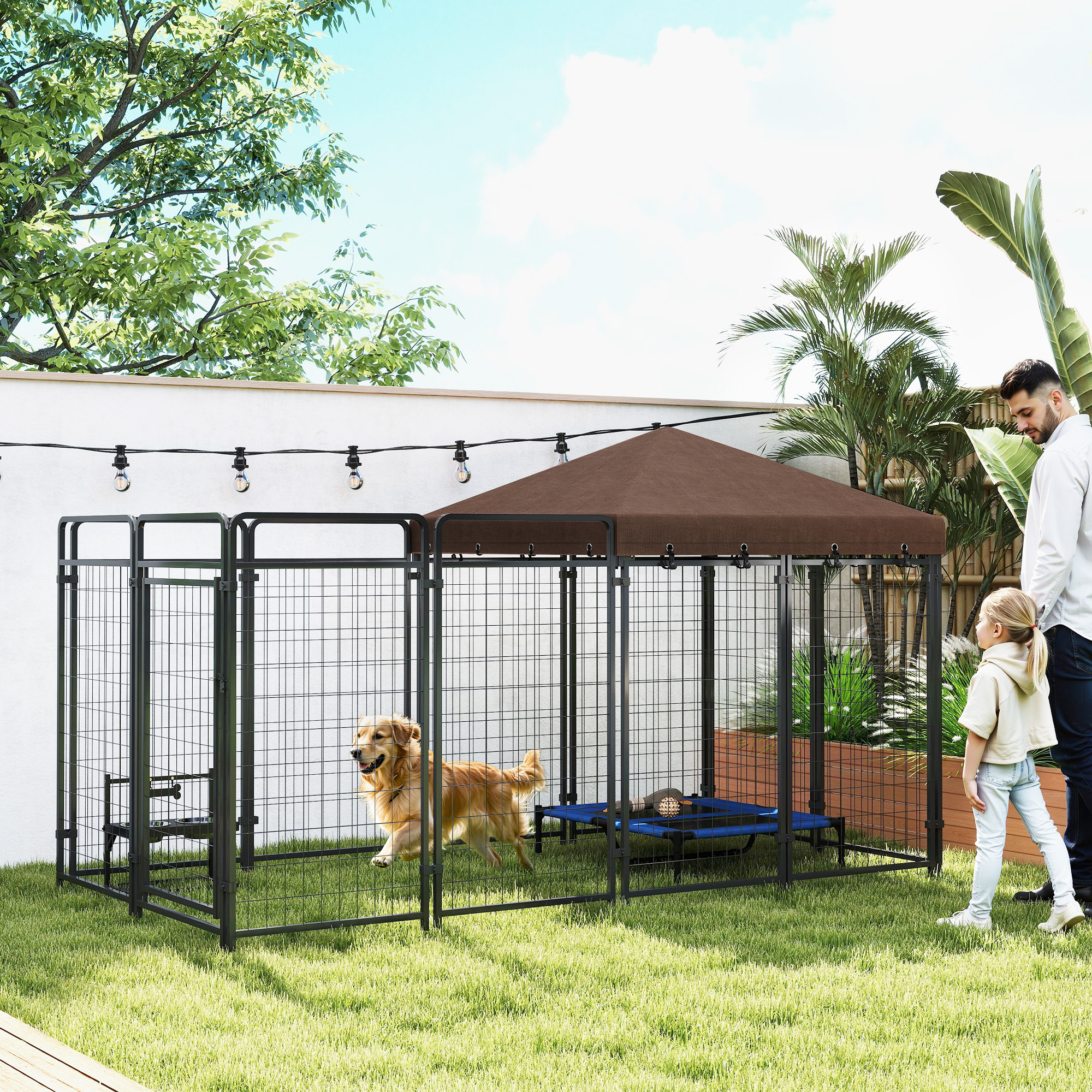
Outdoor kennels are built to withstand weather and offer more room for your dog to move around. These kennels are usually made from sturdy metal or wood and often come with a roof or covering for shade and rain protection. They’re ideal if you want your dog to enjoy fresh air safely.
When choosing an outdoor kennel, consider its size and security features. Does it have a solid base to prevent digging escapes? Is the fencing tall enough to keep your dog contained? Outdoor kennels can be a great solution if you want your dog to have freedom while staying secure.
Portable Kennels
Portable kennels are lightweight and easy to move, perfect for travel or temporary use. They often fold up for storage and can be made from fabric, mesh, or lightweight metal. If you take your dog on trips or to the park, a portable kennel offers a familiar space for them anywhere you go.
Think about how often you travel with your dog. Would having a portable kennel reduce stress for both of you during car rides or visits? These kennels can also help with training by setting clear boundaries in various environments.
Luxury And Customized Kennels
Luxury kennels go beyond basic functionality by adding comfort and style. These kennels might include features like heated floors, built-in feeders, and decorative designs that match your home. Customized kennels can be tailored to your dog’s size, breed, and specific needs.
If your dog has special requirements or you want a kennel that complements your home’s aesthetic, a luxury or custom kennel could be worth considering. Are you willing to invest in a kennel that feels like a second home for your pet?
Materials Used In Kennel Construction
Dog kennels come in many forms, shaped by the materials used in their construction. Choosing the right material affects durability, comfort, and safety for your pet. Each type of material offers unique benefits and some drawbacks. Understanding these materials helps select the best kennel for your dog’s needs.
Wood Kennels
Wood kennels provide a natural and warm environment. They are sturdy and offer good insulation against cold and heat. Wood is easy to customize with paint or stain. It requires regular maintenance to prevent rot and insect damage. Wood kennels often blend well with outdoor surroundings.
Metal Kennels
Metal kennels are strong and long-lasting. They resist chewing and scratching better than wood. Metal allows excellent ventilation, keeping dogs cool. Some metals may rust if not properly treated. Metal kennels are easy to clean but can get hot or cold depending on weather.
Plastic Kennels
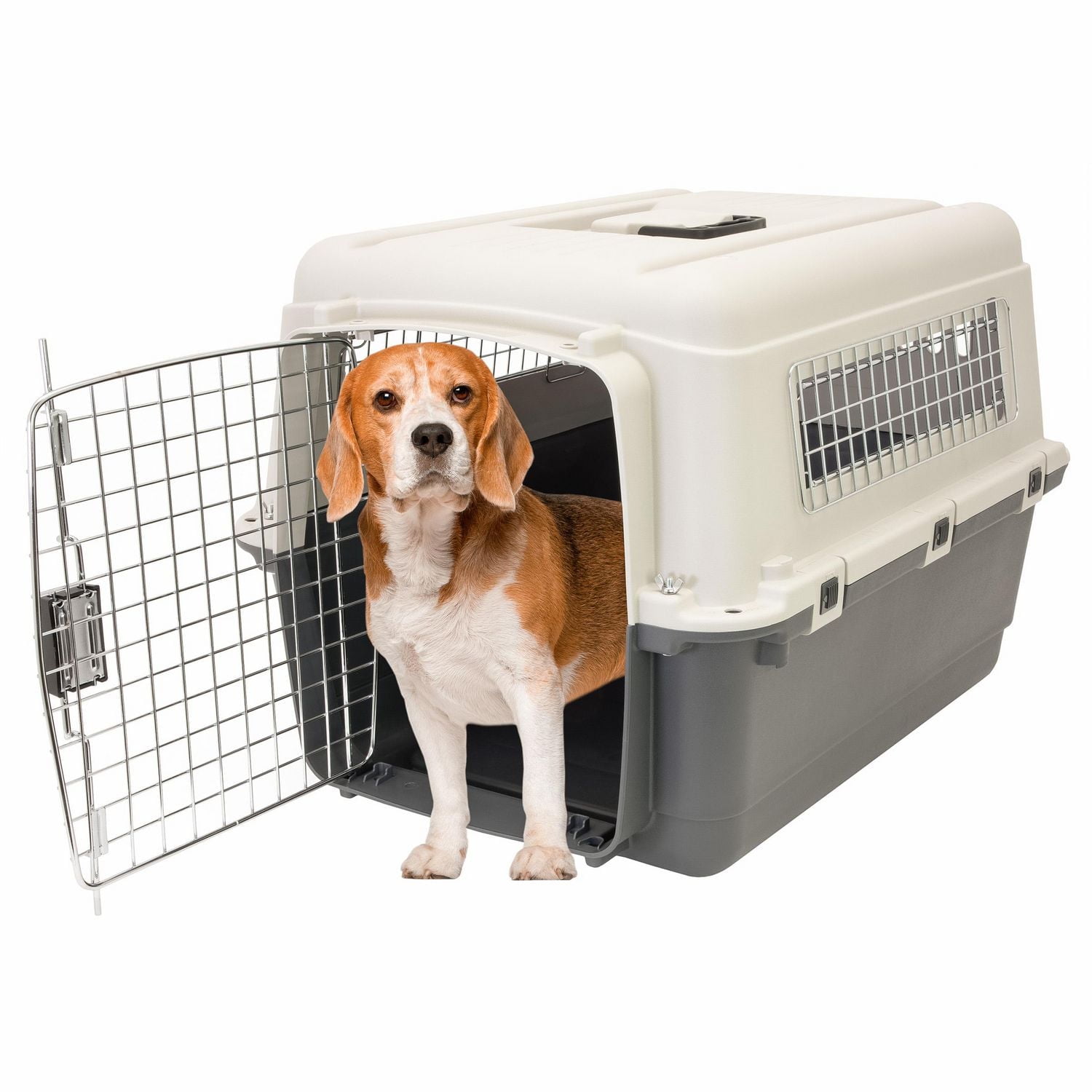
Plastic kennels are lightweight and portable. They resist weather and do not rust or rot. These kennels are easy to clean with soap and water. Plastic offers limited ventilation and can trap heat inside. They are suitable for indoor use or short outdoor stays.
Combination Materials
Some kennels use a mix of materials for the best features. For example, metal frames with wooden panels add strength and comfort. Plastic floors with metal sides improve cleanliness and durability. Combination kennels balance protection, comfort, and ease of maintenance.

Credit: www.amazon.ca
Choosing The Right Kennel Size
Choosing the right kennel size is essential for your dog's comfort and well-being. A kennel that’s too small can cause stress and restrict movement, while one that’s too large may not offer the security your dog needs. Understanding your dog’s size and habits will help you pick a kennel that feels like a safe, cozy space.
Measuring Your Dog
Start by measuring your dog from nose to tail and from the floor to the top of their head or ears. Add a few inches to these measurements to ensure your dog has enough room to sit, stand, and lie down comfortably.
Don’t forget to measure your dog while standing, as this gives you the best idea of the space they’ll need. You might think your dog fits perfectly in a kennel based on length alone, but height is just as important.
Allowing Space For Movement
Your dog needs space to move around inside the kennel, not just enough to fit. Think about how your dog behaves—do they like to stretch out or curl up tightly? This will influence the space they need.
A kennel that’s too tight can make your dog anxious. On the other hand, a kennel that’s too large might not give them the cozy feeling of a den. Strike a balance by choosing a size that allows comfortable movement without too much extra room.
Considerations For Multiple Dogs
If you have more than one dog, a single kennel might not be the best option. Dogs often prefer having their own space, especially when resting or sleeping.
However, if you want to house multiple dogs together, select a kennel that’s big enough for all of them to move around without crowding. Make sure there are separate bedding areas to prevent stress or conflicts.
Have you noticed how your dogs interact when confined together? Their behavior can guide you in deciding whether to buy one large kennel or several smaller ones.
Essential Features For Comfort
Creating a comfortable dog kennel goes beyond just providing a space for your pet. It’s about making that space inviting, safe, and cozy for your furry friend. Paying attention to specific features can make a big difference in how your dog feels inside the kennel every day.
Ventilation And Airflow
Proper ventilation is crucial to keep the air fresh and prevent moisture buildup inside the kennel. Good airflow helps regulate temperature, reducing the chances of overheating in summer or dampness in rainy weather. You might notice your dog becoming restless if the kennel feels stuffy—adding vents or mesh panels can solve this quickly.
Insulation And Weatherproofing
Insulation keeps the kennel warm during cold months and cool when it’s hot outside. Weatherproof materials protect your dog from rain, wind, and snow, ensuring they stay dry and comfortable. Think about using foam panels or insulated walls—these small additions create a cozy retreat that invites your dog to relax, no matter the weather.
Bedding And Flooring Options
Choosing the right bedding and flooring can prevent discomfort and health issues. Soft, washable bedding offers comfort while maintaining hygiene, and raised or insulated flooring protects your dog from cold or damp ground. Have you noticed your dog avoiding the kennel? It might be time to switch to a more inviting floor or add a cushioned bed that supports their joints.
Safety Tips For Kennel Use
Using a dog kennel can provide your pet with a safe and comfortable space, but it’s important to keep safety at the forefront. Understanding how to use the kennel properly prevents accidents and keeps your furry friend happy. Here are some essential safety tips to help you get the most out of your kennel without risking your dog’s well-being.
Preventing Escape And Injury
Check the kennel regularly for any weak spots or gaps where your dog might escape. Even small openings can become an exit route if your dog is determined enough.
Use secure latches and locks, especially if your dog is strong or clever. Loose doors or broken locks can lead to unexpected escapes, which can be dangerous outside.
Make sure there are no sharp edges or loose parts inside the kennel. These can cause cuts or injuries, especially if your dog likes to chew or scratch.
Maintaining Cleanliness
Clean the kennel frequently to avoid bacteria build-up and unpleasant odors. A dirty kennel can lead to infections or skin problems for your dog.
Use pet-safe cleaning products and rinse thoroughly to remove any harmful residues. Your dog’s sensitive nose will thank you for a fresh environment.
Remove soiled bedding and replace it with clean materials regularly. This keeps your dog comfortable and healthy during their time in the kennel.
Monitoring Temperature And Environment
Keep an eye on the temperature inside the kennel. Dogs can overheat quickly in hot weather or get too cold in chilly conditions.
Provide proper ventilation to ensure fresh air circulation. Poor airflow can cause discomfort and respiratory problems.
Consider the placement of the kennel—avoid direct sunlight or drafty areas. Your dog’s comfort depends on a stable and safe environment.
Setting Up A Cozy Kennel Space
Setting up a cozy kennel space is key for your dog’s comfort and happiness. A well-planned kennel feels safe and inviting. It helps your dog relax and enjoy their own spot. Small details create a warm and engaging environment. Focus on comfort, fun, and personalization to make the space special.
Adding Toys And Enrichment
Toys keep your dog busy and happy inside the kennel. Choose chew toys, puzzle toys, and soft toys. Rotate toys often to keep things fresh. Enrichment activities reduce boredom and stress. Include safe items that encourage chewing and play. This helps your dog stay active and mentally sharp.
Lighting Considerations
Light affects your dog’s mood and sleep. Natural light is best during the day. Position the kennel near a window if possible. Use soft, warm lighting at night to create calm. Avoid bright or flickering lights that may disturb your dog. A cozy glow helps your dog feel secure and relaxed.
Personalizing The Space
Personal touches make the kennel feel like home. Add a soft blanket or bed with your dog’s favorite scents. Use a name tag or custom sign outside the kennel. Include items that remind your dog of you. These small details build comfort and trust. A personalized kennel becomes a happy retreat for your dog.
Credit: www.aosom.ca
Maintenance And Cleaning
Maintaining and cleaning a dog kennel keeps your pet healthy and happy. A clean kennel prevents germs and bad smells. Regular care helps your dog enjoy a safe space. It also extends the kennel’s life. Simple daily tasks and deep cleaning ensure the kennel stays fresh.
Daily Cleaning Routine
Clear out leftover food and water every day. Remove waste and soiled bedding promptly. Wipe down surfaces with a damp cloth. Check for dirt on walls and floors. Let fresh air flow through the kennel. This routine stops germs from building up.
Deep Cleaning Techniques
Use pet-safe disinfectants weekly to clean all areas. Scrub floors, walls, and feeding bowls thoroughly. Wash bedding in hot water to kill bacteria. Rinse cleaning tools well to avoid chemicals. Allow the kennel to dry completely before reuse. Deep cleaning keeps the kennel hygienic and safe.
Preventing Pests And Odors
- Seal cracks and holes to block pests.
- Store food in airtight containers.
- Use natural deodorizers like baking soda.
- Remove waste daily to reduce smells.
- Check for signs of insects or rodents regularly.
Taking these steps avoids infestations and keeps the kennel smelling fresh.
Common Mistakes To Avoid
Setting up a dog kennel might seem straightforward, but many dog owners make avoidable mistakes that affect their pet’s comfort and safety. Understanding what to watch out for can save you time, money, and stress. Let’s look at some common pitfalls and how to avoid them.
Choosing The Wrong Size
Size matters more than you might think. A kennel that’s too small restricts your dog’s movement and can cause stress. On the other hand, an oversized kennel might make your pet feel insecure without proper bedding and setup.
Think about your dog’s breed, weight, and activity level. Would your dog comfortably stand, turn around, and lie down inside the kennel? If you have a growing puppy, consider a kennel with adjustable size or one that allows expansion.
Ignoring Weather Conditions
Weather plays a huge role in your dog’s well-being inside a kennel. A metal kennel left in the sun can become dangerously hot, while a poorly insulated kennel offers no protection in cold weather. This can lead to discomfort or even health issues.
Ask yourself: Is the kennel positioned in a shaded area? Does it have proper ventilation? Adding weatherproof covers or raised floors can help keep your dog safe and comfortable throughout the year.
Neglecting Regular Maintenance
Even the best kennel won’t last if you don’t maintain it regularly. Dirt, moisture, and wear can cause damage that compromises safety. Plus, a dirty kennel can lead to infections or allergies for your dog.
Make a habit of inspecting your kennel weekly. Look for sharp edges, loose parts, and signs of rust or mold. Cleaning the kennel frequently keeps it safe and inviting for your dog every day.
Credit: www.walmart.ca
Frequently Asked Questions
What Is The Purpose Of A Dog Kennel?
A dog kennel provides a safe and secure environment for dogs. It offers protection from harsh weather conditions and potential dangers. Kennels help in managing and training dogs effectively. They also ensure that dogs have their own space to rest and relax.
Are Dog Kennels Safe For Pets?
Yes, dog kennels are designed to be safe for pets. They are built with durable materials to withstand various weather conditions. Kennels also prevent dogs from escaping and encountering potential hazards. Properly maintained kennels ensure a healthy and comfortable environment for your pet.
How To Choose The Right Dog Kennel Size?
Choosing the right size is crucial for your dog’s comfort. Measure your dog’s height and length to ensure ample space. The kennel should allow your dog to stand, turn, and lie down comfortably. Consider your dog’s growth and activity level when selecting a kennel size.
Can Dog Kennels Help With Training?
Yes, dog kennels are effective tools for training. They create a controlled environment for teaching discipline and routines. Kennels help with housebreaking by establishing a designated area for your dog. They also assist in managing behavioral issues by providing a structured space.
Conclusion
A dog kennel provides a safe and comfortable space for your pet. It helps keep dogs secure and happy. Choosing the right kennel depends on your dog’s size and needs. A good kennel also offers protection from weather and gives your dog a quiet place to rest.
Overall, kennels support a pet’s well-being and your peace of mind. They make caring for dogs easier and more organized. A simple, sturdy kennel can improve your dog’s daily life.

Emily Barker is the founder of ChillDogLife.com, a space dedicated to helping pup parents discover the best dog products, lifestyle tips, and cozy ideas for happier homes.
A lifelong dog lover, Emily combines her passion for pets with a knack for research to share trusted recommendations on everything from toys and furniture to health and everyday care.
Her goal is simple: to make life easier, stylish, and more joyful for dogs and the people who love them.




