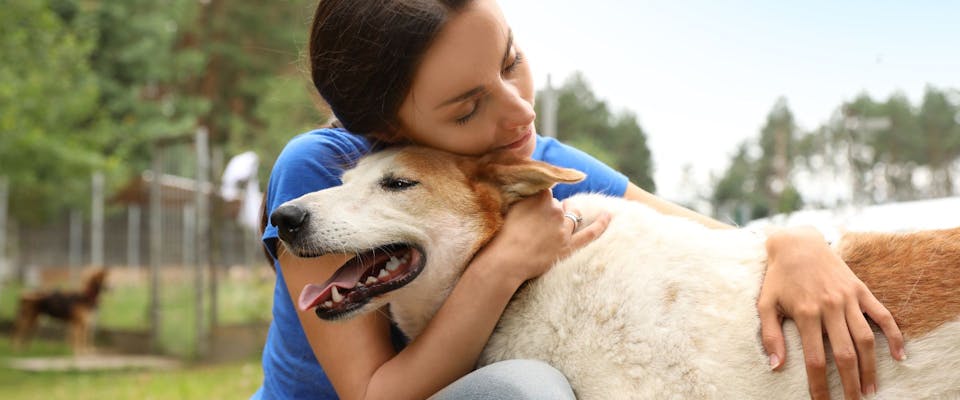
Bringing a rescue dog into your home is a wonderful experience, but housebreaking can feel overwhelming. You might wonder how to help your new furry friend learn where to go potty without stress or accidents.
The good news is, with the right approach, patience, and a few simple techniques, you can make housebreaking easier for both you and your dog. Ready to create a clean, happy space for your rescue? Keep reading to discover practical steps that really work.
Preparing Your Home
Preparing your home is a crucial first step in housebreaking a rescue dog. It sets the stage for your dog’s comfort and success. A well-prepared environment reduces stress and confusion for both of you.
Creating A Safe Space
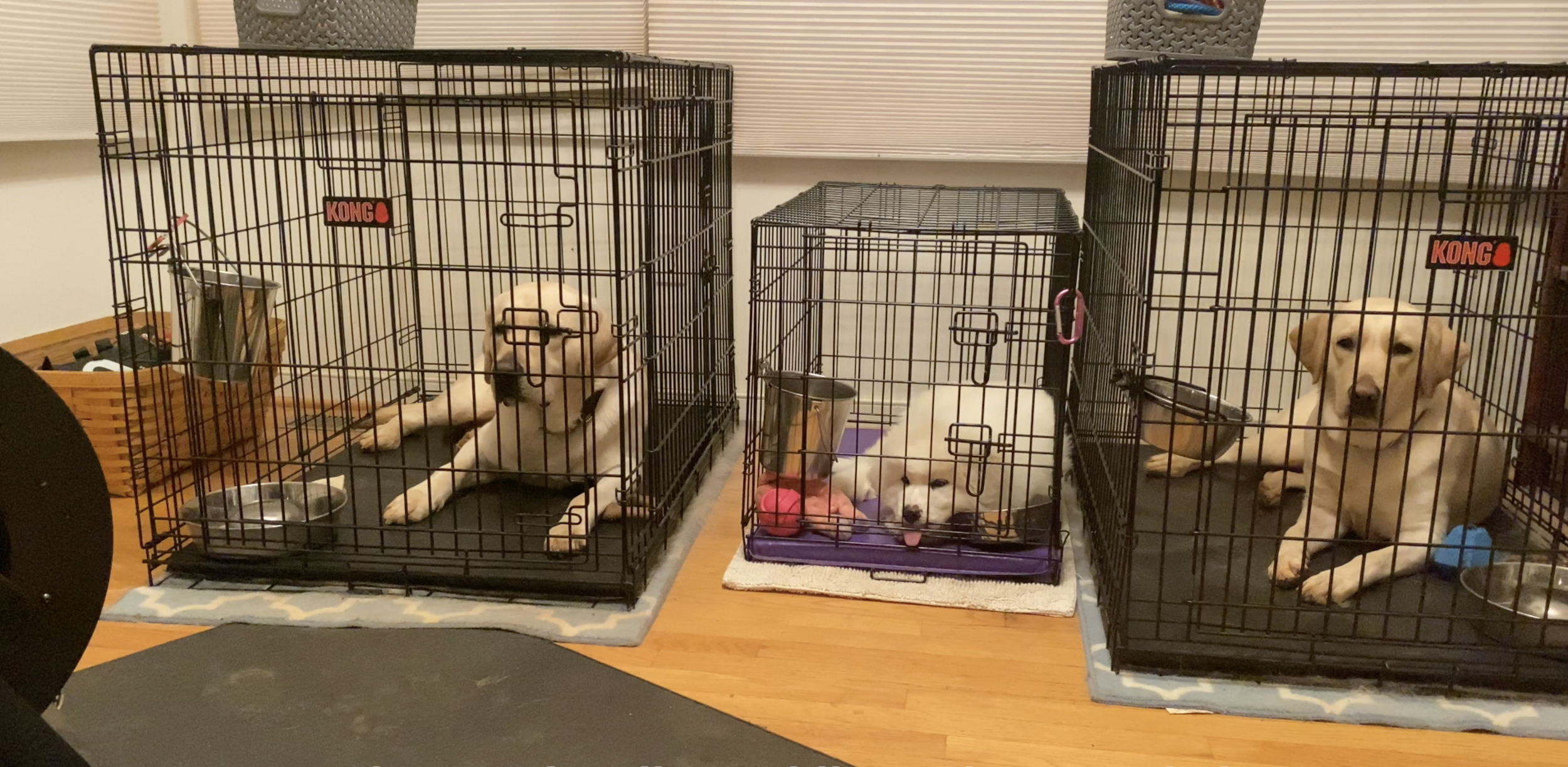
Your rescue dog needs a quiet, secure area to settle in. This space should be free from distractions and hazards. Think about a cozy corner or a small room where your dog can retreat and feel safe.
Use a crate or a playpen if your dog is crate-trained or open to it. This helps prevent accidents and teaches boundaries. Have a comfortable bed and some familiar-smelling blankets to ease your dog’s anxiety.
Ask yourself: Does this space feel welcoming to your dog? A calm environment encourages good behavior and quicker learning.
Gathering Necessary Supplies
Having the right supplies ready makes housebreaking smoother. Stock up on items like potty pads, cleaning sprays, and treats for rewards. These tools help reinforce good habits and manage accidents effectively.
Don’t forget essentials like a leash, collar, and ID tags for safe outdoor breaks. A schedule chart or notebook can also help track your dog’s progress and potty times.
Consider what your dog will need daily and prepare accordingly. Being organized helps you stay consistent and patient during training.
Credit: www.sadiesrulesk9training.com
Establishing A Routine
Creating a daily schedule helps your rescue dog learn where and when to go potty. Consistency builds good habits and reduces accidents inside the house. Regular feeding and bathroom breaks make training easier and more effective.
Establishing a Routine Creating a consistent routine is essential when housebreaking a rescue dog. It not only helps your new furry friend adapt to their new home but also builds a sense of security and trust. A well-structured routine paves the way for successful housebreaking by minimizing accidents and reinforcing good habits.Setting Consistent Feeding Times
Feeding your rescue dog at the same times each day is crucial. Dogs thrive on predictability, and knowing when they will eat reduces anxiety. Stick to a schedule that suits both your lifestyle and your dog’s needs, like feeding them in the morning and evening. This consistency helps you anticipate when your dog will need to go outside. After meals, puppies and adult dogs usually need a potty break within 15-30 minutes. By aligning feeding times with potty breaks, you can prevent accidents and reinforce bathroom habits.Scheduling Regular Potty Breaks
Regular potty breaks are the backbone of housebreaking. Take your rescue dog outside frequently, especially after waking up, eating, and playing. This not only reduces the chance of indoor accidents but also provides opportunities to praise and reward them for doing their business outside. Keep an eye on signs that your dog needs to go, like sniffing around or circling. By reacting quickly, you can guide them to the right spot and reinforce positive behavior. Ask yourself, how can you make these breaks enjoyable and rewarding for your dog?Recognizing Potty Signals
Recognizing potty signals is key to housebreaking a rescue dog. Dogs use body language and sounds to show they need to go outside. Learning these signals helps prevent accidents and builds trust. Watch closely to understand what your dog is trying to tell you.
Common Signs To Watch For
- Sniffing the floor or walls repeatedly
- Circling or pacing in one spot
- Whining or barking softly
- Sudden restlessness or fidgeting
- Going to the door or scratching at it
- Licking their private areas more than usual
Each dog shows different signs. Pay attention to what your rescue dog does before needing to potty.
Responding Quickly To Cues
Act fast when you see any potty signal. Take your dog outside immediately. Praise and reward them once they go outside. This helps your dog connect the signal with the right action.
Delay can confuse your dog and cause accidents inside. Consistency is important. The quicker you respond, the faster your dog learns.
Credit: www.trustedhousesitters.com
Effective Training Techniques
Training a rescue dog requires patience and the right techniques to build trust and encourage good habits. Effective training techniques focus on clear communication and consistency. These approaches help your dog understand what you expect, making housebreaking smoother for both of you.
Positive Reinforcement Methods
Rewarding your dog for good behavior motivates them to repeat it. Use treats, praise, or playtime immediately after your dog goes potty outside. This helps your dog connect the action with the reward.
Timing is key—give the reward right after the desired behavior. Avoid punishment, as it can confuse or scare your dog. Instead, celebrate small wins to build confidence and trust.
Using Crate Training
A crate provides a safe space for your dog and aids in housebreaking. Dogs naturally avoid soiling their sleeping area, which helps teach bladder control. Make the crate comfortable with bedding and toys to encourage your dog to spend time there.
Start with short periods in the crate and gradually increase the time. Always take your dog outside to potty before and after crate time. This routine helps your dog learn when and where to relieve themselves.
Managing Accidents Calmly
Accidents are part of the process. Instead of reacting with anger, stay calm and clean up the mess thoroughly to remove odors. This prevents your dog from returning to the same spot.
Ask yourself: How can I guide my dog better next time? Redirect their behavior by taking them outside more often or adjusting your schedule. Calm responses maintain your dog’s trust and keep training on track.
Building Trust And Patience
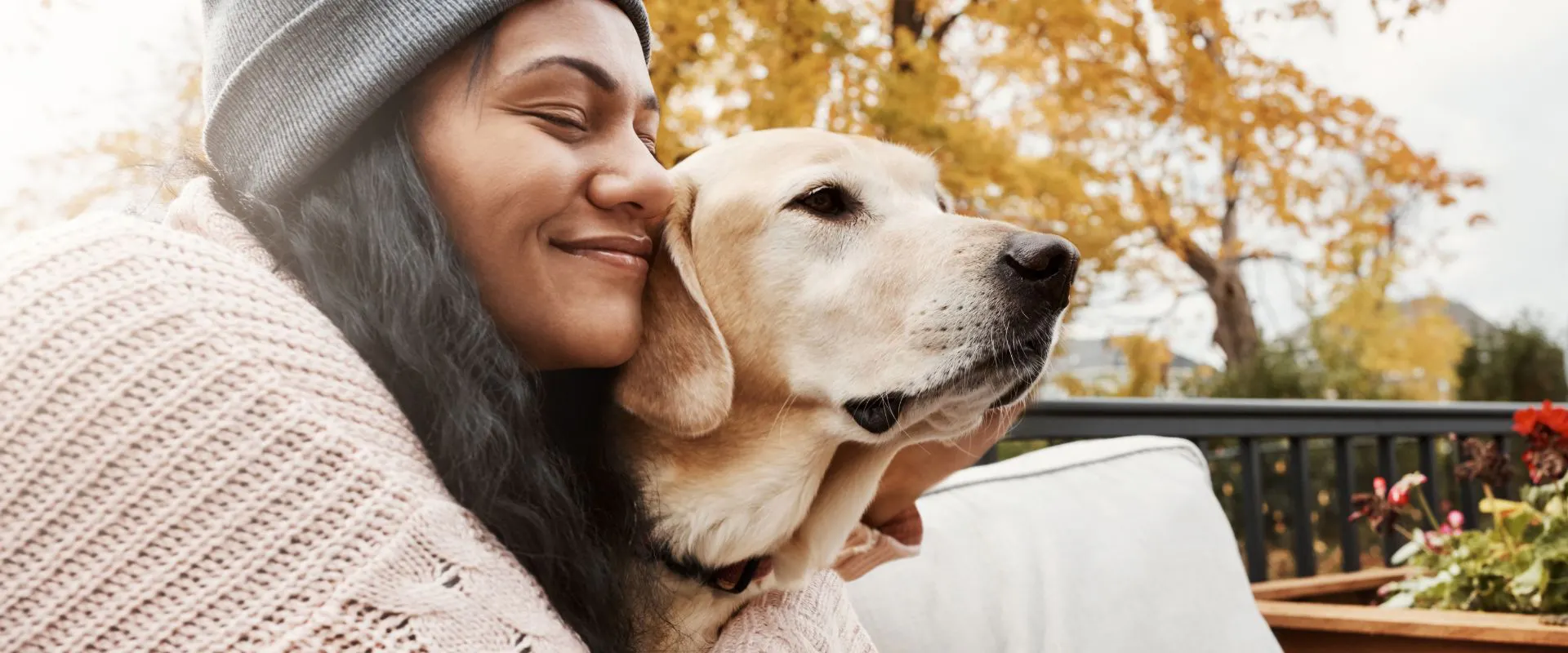
Building trust and patience is the foundation of housebreaking a rescue dog. These dogs often come with past experiences that make them cautious or fearful. Your calm and consistent approach can create a safe space where your dog feels understood and willing to learn.
Handling Setbacks
Setbacks are part of the process. If your dog has an accident inside, avoid punishment. Instead, stay calm and clean the area thoroughly to remove odors that might attract repeat accidents.
Ask yourself: How can I respond in a way that encourages progress rather than fear? Patience here means recognizing that accidents don’t erase progress. Celebrate small wins, like your dog signaling when they need to go outside.
Encouraging Confidence In Your Dog
Confidence changes everything in training. You can build it by giving your dog clear, gentle guidance and rewarding their successes. Use praise, treats, or playtime as motivation when they follow house rules.
Think about your dog’s unique personality. Are they shy or independent? Tailor your encouragement to what makes them feel safe. Offering a consistent routine helps your dog know what to expect and feel more secure.
Credit: woundedpawproject.org
Adapting To Your Dog’s Needs
Every rescue dog has a unique story that shapes how they respond to housebreaking. Adapting to your dog’s needs means paying close attention to their individual traits and circumstances. This approach increases your chances of success and builds trust between you and your new companion.
Considering Age And Background
Is your rescue dog a puppy or an adult? Puppies generally learn faster but need more frequent bathroom breaks. Adults may have habits from previous homes that require patience to change.
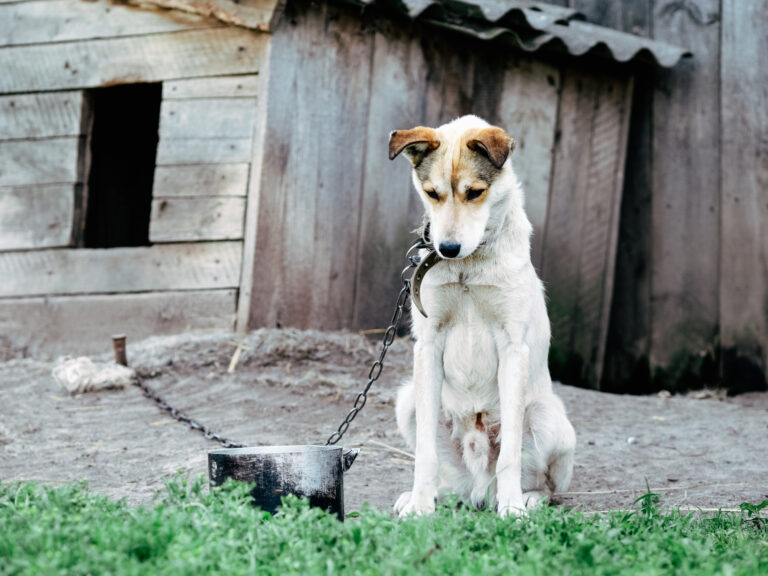
Dogs from neglectful or traumatic backgrounds might be fearful or confused about house rules. They may need extra reassurance and gentle guidance. Knowing your dog’s history helps you set realistic expectations and tailor your training.
Adjusting Training Pace
How quickly you move through housebreaking depends on your dog’s comfort level and progress. Some dogs catch on fast, while others need slow, consistent steps.
Watch for signs of stress or confusion. If your dog seems overwhelmed, slow down and reinforce small victories. Celebrate moments like sitting calmly outside or waiting patiently to go out.
Remember, your patience teaches your dog that they are safe and supported. What small step can you take today to meet your dog right where they are?
Frequently Asked Questions
How Long Does It Take To Housebreak A Rescue Dog?
Housebreaking a rescue dog typically takes 4 to 6 weeks. Consistency and patience are key to success. Individual dogs may vary depending on age and past experiences.
What Are The Best Housebreaking Techniques For Rescue Dogs?
Use positive reinforcement, establish a routine, and supervise closely. Take your dog outside frequently and reward them for eliminating outdoors. Avoid punishment to build trust and encourage good habits.
How Can I Handle Accidents During Housebreaking?
Clean accidents immediately with enzymatic cleaners to remove odor. Never punish your dog for accidents. Instead, reinforce outdoor elimination with praise and treats to encourage proper behavior.
Should I Crate Train My Rescue Dog For Housebreaking?
Yes, crate training helps control your dog’s environment and reduces accidents. Make the crate comfortable and never use it for punishment. It aids in establishing a consistent bathroom routine.
Conclusion
Housebreaking a rescue dog takes time and patience. Consistency helps your dog learn faster. Praise good behavior often to encourage them. Expect accidents; they are part of learning. Use a regular schedule for feeding and potty breaks. Stay calm and gentle during training sessions.
Your rescue dog will soon understand the rules. Building trust makes training easier and stronger. Enjoy the process and celebrate small wins. A happy, well-trained dog is worth the effort. Keep going—you both will succeed together.

Emily Barker is the founder of ChillDogLife.com, a space dedicated to helping pup parents discover the best dog products, lifestyle tips, and cozy ideas for happier homes.
A lifelong dog lover, Emily combines her passion for pets with a knack for research to share trusted recommendations on everything from toys and furniture to health and everyday care.
Her goal is simple: to make life easier, stylish, and more joyful for dogs and the people who love them.




