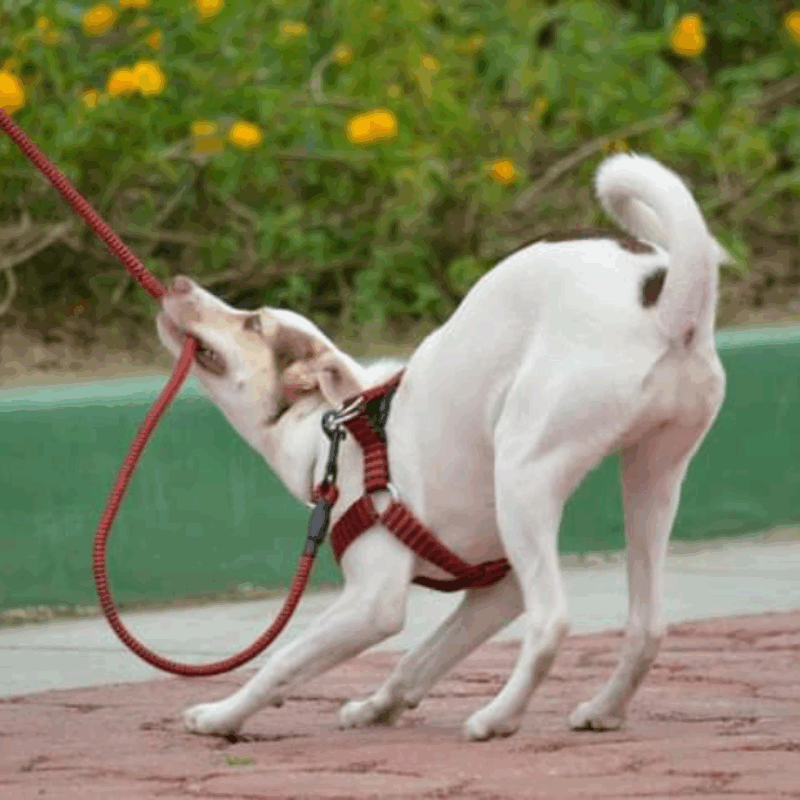
If your dog pulls on the leash every time you go for a walk, you know how frustrating it can be. It makes walks stressful, tiring, and sometimes even unsafe.
But what if you could change that? Imagine walking your dog calmly by your side, enjoying every step together without the constant tugging. You’ll discover simple and effective ways to stop your dog from pulling on the leash. By the end, you’ll have the tools you need to turn those frustrating walks into peaceful, happy strolls you both look forward to.
Keep reading—you and your dog deserve it.

Credit: www.youtube.com
Why Dogs Pull On Leash
Understanding why dogs pull on the leash is key to addressing the problem effectively. Pulling is not just a bad habit; it often reveals important clues about your dog’s feelings and motivations during walks. By recognizing these reasons, you can tailor your approach to make walks more enjoyable for both you and your dog.
Common Causes
Many dogs pull simply because they are excited. The world outside their home is full of interesting smells, sounds, and sights that grab their attention instantly.
Another common cause is a lack of proper leash training. Without clear guidance, dogs don’t know how to walk calmly beside you.
Sometimes, dogs pull due to high energy levels. If they haven’t had enough exercise before the walk, they might try to burn off energy by rushing ahead.
Behavioral Triggers
Dogs often pull when they spot something that triggers their instincts, like other dogs, squirrels, or even fast-moving cars. These triggers can cause a strong urge to chase or investigate.
Fear or anxiety can also make a dog pull. If your dog feels threatened or nervous, pulling may be their way of trying to escape the situation.
Think about your dog’s unique triggers during walks. Have you noticed specific things that make them pull more? Recognizing these can help you manage and reduce pulling effectively.
Choosing The Right Equipment
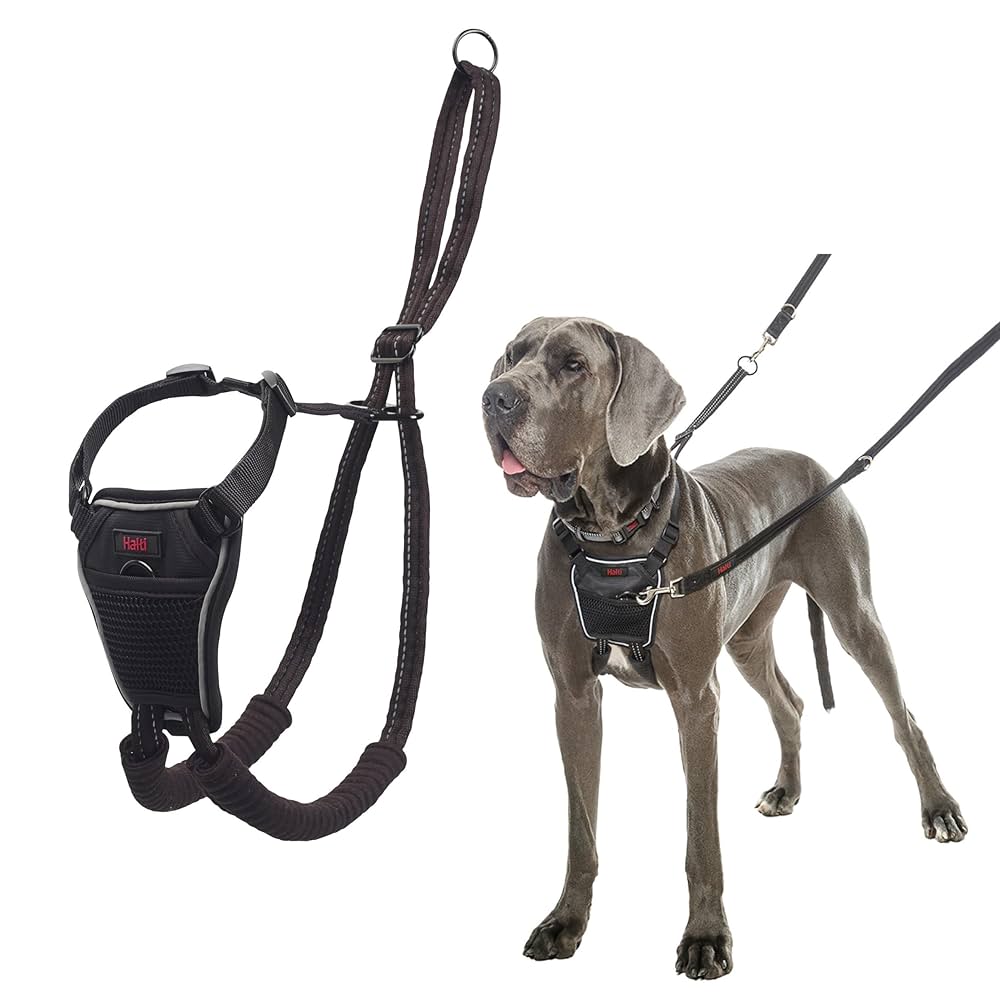
Choosing the right leash and collar helps control your dog’s pulling. A front-clip harness or head halter can reduce tension and improve walking. Proper gear makes training easier and safer for both you and your dog.
Choosing the right equipment is crucial when you’re working to stop your dog from pulling on the leash. The right tools can make the training process smoother and more effective. But with so many options available, how do you decide what’s best for you and your furry friend?Harness Vs Collar
A harness can be a game-changer if your dog loves to pull. It distributes pressure more evenly across your dog’s body, reducing strain on their neck. This can be especially beneficial for smaller breeds or dogs with respiratory issues. On the other hand, a collar is often easier to put on and can be effective for dogs that don’t pull excessively. However, for avid pullers, a collar might cause discomfort or even injury. Consider your dog’s behavior and health needs when making your choice.Leash Types
The type of leash you use can also impact your dog’s pulling behavior. A standard leash, typically 4 to 6 feet long, gives you more control and keeps your dog close. It’s a good option for training and everyday walks. Retractable leashes offer more freedom but can encourage pulling, as your dog learns they can get further away by pulling. Think about your walking environment and your dog’s habits. Is more freedom worth the potential for pulling? By carefully selecting the right equipment, you can set both you and your dog up for successful, enjoyable walks. What adjustments can you make today to improve your walking routine?Basic Training Techniques
Basic training techniques form the foundation for teaching your dog not to pull on the leash. These techniques focus on clear communication and consistent responses to your dog’s behavior. By practicing these simple steps regularly, you create a positive walking experience for both you and your dog.
Loose Leash Walking
Loose leash walking means your dog walks beside you without tension on the leash. Start by holding the leash with slack and rewarding your dog when it stays close without pulling.
If your dog begins to pull, stop walking immediately. Wait until your dog returns to your side or the leash slackens before moving forward again. This teaches your dog that pulling will not get them where they want to go faster.
Try using treats or a favorite toy as motivation to keep your dog’s attention near you. You’ll notice how much more enjoyable walks become when your dog learns to walk calmly beside you.
Stopping And Waiting
Stopping and waiting is a simple but powerful technique to discourage pulling. When your dog pulls, stop walking and stand still.
Wait patiently until your dog stops pulling and looks back at you or loosens the leash. This moment of waiting helps your dog understand that moving forward only happens when the leash is loose.
This method may take time and patience, especially with energetic dogs. However, it establishes clear boundaries and encourages your dog to pay attention to your pace, improving control during walks.
Positive Reinforcement Tips
Positive reinforcement is a powerful way to teach your dog not to pull on the leash. It focuses on rewarding good behavior rather than punishing bad habits. This approach builds trust and makes walks more enjoyable for both of you.
Using Treats Effectively
Treats can be a game-changer when training your dog to walk calmly. Choose small, soft treats that your dog loves and can eat quickly. This keeps your dog’s attention on you without interrupting the flow of the walk.
Timing is key. Give the treat immediately after your dog walks beside you without pulling. This helps your dog connect the reward with the good behavior.
You might wonder how often to give treats. Start by rewarding frequently, then gradually reduce treats as your dog gets better. This keeps your dog motivated without becoming dependent on constant rewards.
Praise And Rewards
Verbal praise and petting can be just as effective as treats. Use a happy, encouraging tone to say “good job” or “yes” when your dog walks nicely beside you. Your enthusiasm tells your dog they are doing the right thing.
Physical rewards like gentle pats or scratches behind the ears can reinforce calm behavior. Dogs often crave your attention, and giving it at the right moment strengthens your bond.
Have you noticed how your dog responds to your tone? Try to stay upbeat and consistent in your praise. This clarity helps your dog understand exactly what you want.
Consistency In Training
Consistency in training plays a key role in teaching your dog not to pull on the leash. Dogs learn best when they know exactly what is expected of them every time. Repeating the same commands and actions helps your dog understand the correct behavior. This steady approach builds good habits and reduces confusion.
Setting Clear Rules
Clear rules give your dog simple boundaries to follow. Decide on the leash manners you want, such as walking beside you or stopping when the leash tightens. Use the same words and signals each time. Avoid changing commands or allowing pulling sometimes. Consistency in rules helps your dog learn faster and respond better during walks.
Regular Practice Sessions
Short, regular training sessions work better than long, rare ones. Practice leash walking every day or several times a week. Keep sessions fun and positive to keep your dog interested. Use treats and praise to reward good behavior immediately. Regular practice strengthens your dog’s understanding and makes good leash manners a habit.
Handling Common Challenges
Handling common challenges while training your dog not to pull on the leash requires patience and a clear plan. Every walk presents unique obstacles that can test your training progress. Understanding these challenges helps you stay calm and respond effectively, turning frustrating moments into learning opportunities for both you and your dog.
Distractions During Walks
Distractions like other dogs, squirrels, or loud noises can easily pull your dog’s attention away from you. Instead of reacting by tightening the leash, try to redirect your dog’s focus with treats or a favorite toy. Consistently rewarding your dog for looking back at you can create a strong habit over time.
Think about a walk when your dog suddenly lunged toward a passing cyclist. You can use a simple cue like “watch me” to regain control. Practicing this cue regularly in low-distraction settings will prepare your dog to respond better during real distractions.
Dealing With Excitement
Excitement is a common reason dogs pull on the leash, especially when they see something new or reach their favorite park. When your dog gets overly excited, try slowing your pace or stopping to calm them down before moving forward. This teaches your dog that pulling won’t speed things up or get them what they want faster.
Have you noticed how your dog’s excitement can build quickly? Use this to your advantage by rewarding calm behavior before it escalates. A calm dog on a walk is more likely to stay by your side and enjoy the journey rather than drag you along.
Advanced Training Methods
Advanced training methods can make a big difference if your dog keeps pulling on the leash despite basic training. These techniques focus on deeper communication and stronger behavior reinforcement. They help you connect with your dog in a way that encourages calm, respectful walking.
Clicker Training
Clicker training uses a small device that makes a distinct sound to mark good behavior instantly. When your dog walks without pulling, click the device and reward with a treat right away. This clear signal helps your dog understand exactly which actions please you.
Start by associating the clicker sound with a treat, so your dog knows a click means a reward. Then, during walks, click and treat the moment your dog keeps the leash slack. Over time, your dog learns that walking nicely brings immediate rewards.
Have you noticed how quickly your dog picks up new tricks when training is clear and consistent? Clicker training can speed up leash training by making expectations obvious.
Professional Help
If advanced techniques feel overwhelming or progress stalls, consider hiring a professional dog trainer. Experts can assess your dog's behavior and tailor training strategies to your specific situation.
A trainer may introduce specialized tools like front-clip harnesses or head halters and demonstrate how to use them effectively. They also provide hands-on guidance, which can boost your confidence and your dog’s progress.
Think about the last time you tackled a tough problem with expert advice—how much smoother did things go? Professional trainers can do the same for your leash training challenges.
Credit: dogtraininggeek.com

Credit: pupford.com
Frequently Asked Questions
How Can I Stop My Dog From Pulling On The Leash?
Use consistent training with positive reinforcement. Teach your dog to walk beside you. Reward calm behavior and avoid tension on the leash.
What Tools Help Prevent Leash Pulling?
Front-clip harnesses, head halters, and no-pull collars can help control pulling. Choose one that fits comfortably and suits your dog’s size.
Why Does My Dog Pull On The Leash?
Dogs pull to explore or reach distractions. Lack of training or excess energy often causes pulling behavior during walks.
How Long Does Leash Training Usually Take?
Training time varies by dog, but consistent daily practice often shows results in 2-4 weeks.
Conclusion
Training your dog to stop pulling takes time and patience. Use gentle guidance and consistent rewards. Stay calm and keep walks short at first. Practice often in quiet places before busy areas. Your dog will learn to walk beside you.
Enjoy peaceful walks and stronger bonds together. Small steps lead to big improvements. Keep going—you both can do this!

Emily Barker is the founder of ChillDogLife.com, a space dedicated to helping pup parents discover the best dog products, lifestyle tips, and cozy ideas for happier homes.
A lifelong dog lover, Emily combines her passion for pets with a knack for research to share trusted recommendations on everything from toys and furniture to health and everyday care.
Her goal is simple: to make life easier, stylish, and more joyful for dogs and the people who love them.




