
Have you ever woken up to find dog poop on your bed and wondered, “Why does my dog do this?” It’s confusing, frustrating, and honestly, a bit gross. You love your dog, but this behavior feels like a mystery you can’t solve.
Understanding why your furry friend chooses your bed as their bathroom spot can help you stop it for good. Keep reading, because we’re about to uncover the surprising reasons behind this problem and share simple steps you can take right now to fix it.
Your bed—and your peace of mind—deserve it.
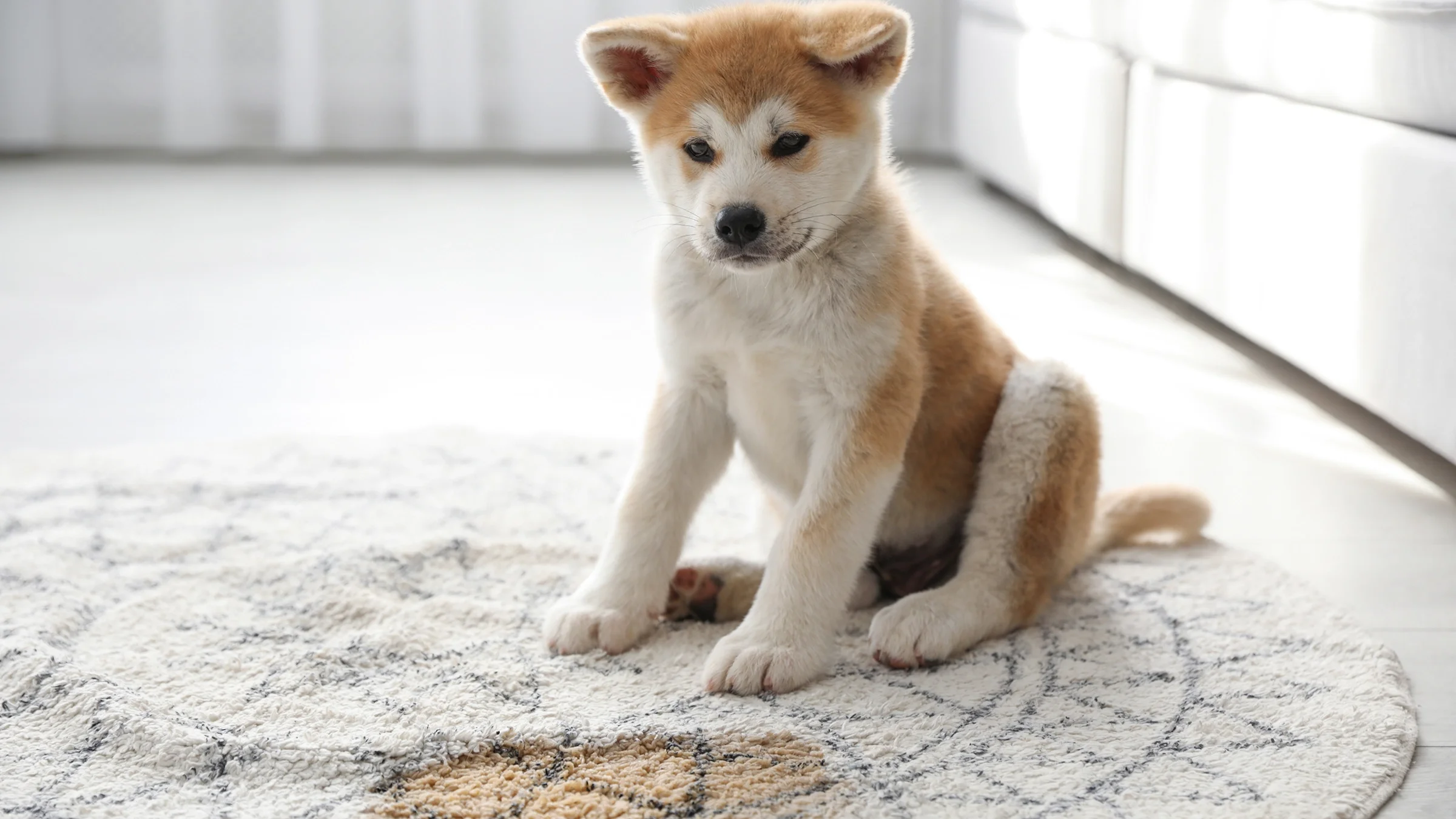
Credit: www.goodrx.com
Common Reasons Dogs Poop On Beds
Finding dog poop on your bed is frustrating and confusing. Dogs usually avoid soiling their sleeping places. Understanding the common reasons behind this behavior helps address the problem. Several factors, from health to habits, can cause this issue. Knowing these reasons guides you in finding the right solution quickly.
Medical Issues To Consider
Health problems can cause dogs to lose control of their bowels. Conditions like digestive issues, infections, or parasites may lead to accidents. Older dogs might face incontinence due to age. A vet visit helps rule out or treat medical causes. Early diagnosis prevents further problems and discomfort for your dog.
Behavioral Causes
Some dogs poop on beds due to behavior patterns. Lack of proper bathroom routine can confuse dogs about where to go. Dogs may also act out after punishment or neglect. Chewing and digging at the bed sometimes precede pooping, showing frustration. Observing your dog’s habits can reveal behavior triggers.
Anxiety And Stress Factors
Stress impacts dogs just like humans. Changes in environment or routine cause anxiety. Separation anxiety can lead to accidents when alone. Loud noises or new people might scare dogs. Providing comfort and a calm space reduces stress-related pooping on beds.
Marking Territory
Marking territory is a natural dog behavior. Pooping on your bed might be a way to claim the space. This behavior appears in unneutered males more often. It can also happen if a dog feels insecure or threatened. Neutering and positive reinforcement help manage this issue.
Lack Of Proper Training
Puppies or new dogs may not understand house rules yet. Without clear training, dogs don’t know where to relieve themselves. Inconsistent schedules confuse dogs about potty times. Training with patience and rewards encourages good habits. Setting a routine and using commands supports better behavior.
Credit: pethelpful.com
Identifying Your Dog’s Triggers
Dogs may poop on beds due to stress, anxiety, or changes in their environment. Recognizing what upsets your dog helps prevent accidents and keeps your bed clean. Watch for signs like fear, excitement, or confusion to identify these triggers.
Identifying why your dog poops on your bed can be challenging. Dogs communicate through their actions. Understanding their triggers helps in correcting this behavior.Changes In Environment
Dogs are sensitive to changes in their environment. Moving to a new house or rearranging furniture can stress them. Loud noises or new household members may also affect them. These changes can lead to unusual behavior, including pooping on the bed.Diet And Digestion
What your dog eats impacts their digestion. A sudden change in diet can upset their stomach. Poor digestion might make it hard for them to control bowel movements. Check if their food is suitable and consistent.Attention-seeking Behavior
Dogs crave attention from their owners. If they feel ignored, they might act out. Pooping on the bed can be a way to get noticed. Spend quality time with them to reduce this behavior.Separation Anxiety
Dogs can feel anxious when left alone. This anxiety may cause them to poop in inappropriate places. They might do this to cope with their distress. Training and comfort objects can help ease their anxiety.Practical Solutions To Stop Bed Pooping
Dealing with a dog pooping on your bed can be frustrating, but there are clear steps you can take to prevent this behavior. Understanding practical solutions helps you address the root causes and create a more comfortable environment for your pet. Let’s look at effective ways to stop bed pooping and restore peace in your home.
Veterinary Checkups And Treatments
Health issues often cause sudden changes in bathroom habits. Your dog might be experiencing digestive problems, infections, or anxiety-related conditions that lead to bed pooping.
Take your dog to the vet for a thorough checkup. Early diagnosis can guide appropriate treatments and prevent worsening behavior.
Consistent Potty Training
Even adult dogs benefit from a refresher on potty training, especially if bed pooping has become a habit. Set a regular schedule for bathroom breaks and stick to it.
Use clear commands and reward your dog immediately after they go outside. Consistency builds good habits and reduces indoor accidents.
Creating A Comfortable Space
Your dog might choose your bed because it feels safe and cozy. Providing a designated, comfortable area can redirect this behavior.
- Set up a soft bed or crate with familiar blankets.
- Place it in a quiet, low-traffic area.
- Encourage your dog to use this spot with treats and praise.
Would your dog prefer a space that smells like you? Sometimes adding a worn T-shirt can help.
Using Enzymatic Cleaners
Accidents leave scents that encourage repeat behavior. Regular household cleaners might not remove these odors completely.
Use enzymatic cleaners designed for pet messes to break down the smell at the source. This reduces the chance your dog will return to the same spot.
Positive Reinforcement Techniques
Focus on rewarding good behavior instead of punishing mistakes. When your dog uses the right spot, celebrate with treats, affection, or playtime.
Over time, your dog will associate outdoor bathroom breaks with positive experiences. This shift encourages lasting change without fear or confusion.
Preventing Future Incidents
Preventing your dog from pooping on the bed takes patience and care. Dogs need clear signals about where to go. Consistent habits help them learn quickly. Small changes in daily life can stop this behavior. Focus on routine, limits, health, and exercise to see results.
Establishing A Routine
Dogs thrive on regular schedules. Feed and take your dog outside at the same times daily. This helps control their bathroom habits. A steady routine reduces accidents. Praise your dog after they go outside. This positive feedback makes them want to repeat good behavior.
Limiting Bed Access
Keep your bedroom door closed or use baby gates. Prevent your dog from jumping on the bed unsupervised. Make the bed less inviting by removing blankets or pillows. Provide a cozy dog bed nearby. This gives them a clear, comfortable alternative place to rest.
Monitoring Your Dog’s Health
Changes in bathroom habits may signal health issues. Watch for diarrhea, constipation, or unusual behavior. Visit a vet for a check-up if problems persist. Treating health problems can stop accidents. Keep your dog’s diet consistent and healthy to support good digestion.
Providing Adequate Exercise
Exercise helps dogs release energy and stress. Take your dog for daily walks or play fetch. A tired dog is less likely to act out. Exercise also encourages regular bathroom breaks outside. This reduces the chance of indoor accidents.
When To Seek Professional Help
Dealing with a dog that poops on your bed can quickly become overwhelming. Sometimes, your best efforts to correct this behavior might not work, and that’s the moment to think about professional help. Understanding when to reach out can save you frustration and help your dog feel more comfortable and secure.
Behavioral Therapists
If your dog’s accidents seem tied to anxiety, fear, or stubborn habits, a behavioral therapist can offer targeted support. These specialists analyze your dog’s environment and routines to find triggers you might miss. Have you noticed if your dog poops on your bed during stressful times like loud noises or changes in routine? A behavioral therapist can teach you techniques to reduce stress and redirect your dog’s behavior effectively.
Behavioral therapy often involves:
- Customized training plans
- Positive reinforcement strategies
- Guidance on modifying your home environment
Veterinary Specialists
Sometimes, the problem isn’t just behavioral but medical. If your dog suddenly starts pooping on your bed after being clean for a long time, it’s time to visit a veterinary specialist. Health issues like gastrointestinal problems, infections, or neurological disorders can cause loss of control.
Veterinary specialists can conduct thorough exams and tests to rule out or treat medical causes. They also work closely with you to manage chronic conditions that might be influencing your dog’s habits. Can you recall any recent changes in your dog’s appetite, energy level, or bathroom habits that might hint at a health issue?

Credit: www.reddit.com
Frequently Asked Questions
Why Does My Dog Poop On My Bed Suddenly?
Dogs may poop on beds due to stress, illness, or lack of bathroom training. Anxiety or changes in routine can trigger this behavior. It’s important to consult a vet to rule out health issues and reinforce consistent house-training.
Can Medical Problems Cause Dogs To Poop Indoors?
Yes, medical issues like infections or digestive problems can cause indoor accidents. If your dog poops on the bed unexpectedly, consult a veterinarian promptly to diagnose and treat any underlying health concerns.
How Can I Stop My Dog From Pooping On My Bed?
Establish a strict bathroom routine and clean the bed area thoroughly. Use positive reinforcement for outdoor bathroom use. Address any stress or medical issues with professional help to prevent recurrence.
Is Anxiety A Reason For Dogs Pooping On Beds?
Yes, anxiety and stress often cause dogs to eliminate indoors, including beds. Triggers include changes in environment, separation anxiety, or fear. Identifying and reducing stressors helps manage this behavior effectively.
Conclusion
Dogs poop on beds for many reasons, like stress or health problems. Understanding your dog's behavior helps fix the problem. Watch for signs and keep a clean, calm space. Train your dog gently and give plenty of attention. If problems continue, talk to a vet or trainer.
Patience and care improve your dog’s habits. Your bond will grow stronger with time and effort. Small steps lead to big changes in behavior. Keep trying, and peace will return to your home.

Emily Barker is the founder of ChillDogLife.com, a space dedicated to helping pup parents discover the best dog products, lifestyle tips, and cozy ideas for happier homes.
A lifelong dog lover, Emily combines her passion for pets with a knack for research to share trusted recommendations on everything from toys and furniture to health and everyday care.
Her goal is simple: to make life easier, stylish, and more joyful for dogs and the people who love them.




