Your dog’s bed is their favorite spot to relax, but it can quickly become a magnet for dirt, hair, and odors. If you want to keep your furry friend healthy and happy, knowing how to clean a dog bed properly is a must.
Imagine giving your pet a fresh, cozy place to rest every day—wouldn’t that feel great? In this guide, you’ll discover simple, effective steps to make your dog’s bed look and smell like new. Ready to get started? Let’s dive in and make your dog’s space spotless!

Credit: theorganicmaids.com
Choose The Right Cleaning Method
Choosing the right cleaning method for your dog bed keeps it fresh and lasts longer. Different beds need different care. Fabric type, size, and stuffing all affect the cleaning process. Picking the correct way helps avoid damage and keeps your dog comfortable.
Check The Care Label
Start by reading the care label on the dog bed. The label shows washing instructions and fabric details. It tells if the bed can be machine washed or needs hand cleaning. Follow the label to protect the bed’s material and shape.
Machine Washable Beds
Many dog beds have removable covers that are machine washable. Use a gentle cycle with cold water. Choose pet-safe, mild detergent to avoid skin irritation. Wash covers separately from other clothes. Dry covers on low heat or air dry to prevent shrinking.
Hand Washing Techniques
Some dog beds cannot go in the washing machine. Use hand washing to clean these beds carefully. Fill a tub with warm water and mild detergent. Soak the bed and gently scrub stains with a soft brush. Rinse well to remove soap. Squeeze out water without twisting. Air dry completely before use.
Credit: pfoten.net
Remove Loose Dirt And Hair
Before diving into a deep clean, removing loose dirt and hair from your dog’s bed is essential. This step makes washing more effective and prevents clogging your washing machine. Plus, it helps keep your home cleaner and reduces allergens.
Vacuum The Bed
Using a vacuum cleaner with a brush attachment works wonders to lift dirt and hair from the fabric. Run the vacuum slowly over every inch, paying special attention to seams and corners where fur tends to gather. You’ll be surprised how much debris hides beneath the surface.
Do you notice a difference in how your vacuum performs after this? Regular vacuuming can extend the life of the bed and make your pet’s space much more comfortable.
Use A Lint Roller
A lint roller is a simple but powerful tool for grabbing stubborn pet hair that the vacuum misses. Roll it over the surface in multiple directions to catch loose hairs clinging to the fabric. Keep extra sheets handy—one pass might not be enough.
Try using the lint roller on your clothes after petting your dog. You’ll realize how effective it is, making it a must-have for pet owners.
Shake Out Debris
Take the dog bed outside and give it a vigorous shake. This helps dislodge dirt, crumbs, and hair trapped deep inside the stuffing. If possible, hang the bed and tap it against a hard surface for extra cleaning power.
Shaking out the bed is quick and frees up your vacuum from doing all the work. Have you ever been surprised by how much falls out during this step? It’s a great reminder that cleaning doesn’t always have to be complicated.
Pre-treat Stains And Odors
Pre-treating stains and odors is key to a fresh dog bed. This step loosens dirt and breaks down smells before washing. It helps remove tough spots and keeps the bed smelling clean longer. Taking time to treat areas saves effort later and protects the fabric.
Spot Clean With Detergent
Use a mild detergent to target stains directly. Apply a small amount on the stain. Gently rub with a soft cloth or brush. Let it sit for 10 to 15 minutes. Rinse with warm water to remove soap and dirt. Repeat if the stain remains visible.
Use Baking Soda For Odors
Baking soda is a natural deodorizer. Sprinkle it generously over the dog bed surface. Allow it to sit for at least 30 minutes or overnight. Vacuum the baking soda completely. This removes odors without harsh chemicals and freshens the fabric naturally.
Natural Cleaning Alternatives
Vinegar and lemon juice work well for stains and smells. Mix equal parts water and white vinegar in a spray bottle. Spray the mixture on affected areas and blot with a cloth. Lemon juice helps break down stains and adds a fresh scent. Test these on a small area first to avoid damage.
Wash The Bed Properly
Remove all covers and shake off loose dirt before washing. Use mild detergent and cold water to keep the bed fresh and soft. Dry thoroughly to prevent mold and odors.
Cleaning a dog bed might seem simple, but ensuring it’s done right can make a world of difference in your furry friend’s comfort and health. A well-washed bed not only smells fresh but also helps in keeping unwanted bacteria and allergens at bay. Let’s dive into how you can wash the bed properly and make it a cozy haven for your pup.Select The Right Detergent
Choosing the correct detergent is crucial. Opt for a pet-safe detergent that is free from dyes and fragrances. Many regular detergents can irritate a dog’s sensitive skin, so it’s worth selecting a product specifically designed for pets. If you’re unsure, a gentle baby detergent can also be a safe alternative.Set The Appropriate Water Temperature
Always check the washing instructions on the dog bed’s label. Most fabrics do best in warm water, which effectively kills germs while being gentle on the material. However, if your dog’s bed is heavily soiled, hot water can provide a more thorough clean.Avoid Harsh Chemicals
Harsh chemicals may promise a deeper clean, but they can leave harmful residues. Avoid bleach and other strong cleaning agents. Instead, consider adding a cup of white vinegar to the rinse cycle. It naturally eliminates odors without posing risks to your pet’s health. Remember that your dog’s comfort and safety come first. How often do you wash your dog’s bed, and have you noticed any difference in their comfort or health? Share your thoughts in the comments!Dry The Bed Thoroughly
Drying your dog’s bed thoroughly is key to keeping it clean and fresh. A wet bed can hold dirt, bacteria, and unpleasant smells. It also risks damaging the bed’s materials. Proper drying keeps your dog’s resting area safe and comfortable. Choose the right drying method based on the bed’s fabric and size. Here are some helpful tips for air drying, using a dryer, and preventing mold and mildew.
Air Drying Tips
Air drying is gentle and works well for many dog beds. Find a sunny spot with good air flow. Hang the bed over a railing or lay it flat on a clean surface. Flip the bed regularly to speed drying. Avoid damp or shaded areas. Outdoor air and sunlight help kill bacteria and remove odors. For thicker beds, allow extra time to dry fully inside.
Using A Dryer Safely
Check the care label before using a dryer. Many dog beds can be tumble dried on low heat. Use dryer balls or clean tennis balls to keep filling fluffy. Avoid high heat to prevent shrinking or melting. Remove the bed promptly once dry. Overdrying can damage fabric and stuffing. If unsure, air drying is safer for delicate beds.
Prevent Mold And Mildew
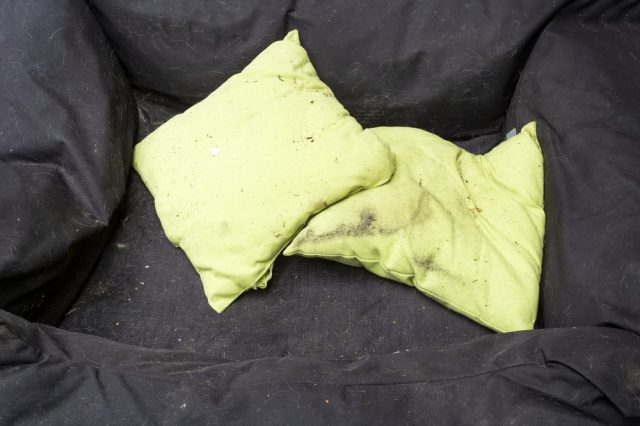
Mold and mildew grow in damp, warm places. Never put a wet dog bed in a closed space like a laundry basket. Dry the bed completely before placing it back in your home. Store the bed in a dry spot with good air circulation. Regular cleaning and drying reduce mold risk. Watch for musty smells or dark spots as signs of mildew.
Maintain A Clean Dog Bed Regularly
Maintaining a clean dog bed regularly is key to ensuring your furry friend stays healthy and comfortable. A clean bed prevents odors, reduces allergens, and keeps your pet happy. It also extends the life of the bed, saving you money and effort in the long run.
Establish A Cleaning Schedule
Set a specific day each week to clean your dog’s bed. Consistency makes it easier to keep up with the task without feeling overwhelmed. Think about your dog’s habits—if they spend most time outdoors, you might need to clean the bed more often.
I noticed my dog’s bed started smelling before I made cleaning a routine. Once I committed to washing it every seven days, the smell disappeared and my dog seemed more relaxed. What’s your current cleaning routine, and could it use an upgrade?
Use Removable Covers
Choose a dog bed with a removable, machine-washable cover. This makes cleaning much faster and more effective. You can wash the cover frequently without disturbing the inner cushioning.
If your dog bed doesn’t have a removable cover, consider buying one separately or investing in a new bed designed for easy cleaning. This small change can save you hours of scrubbing and spot-cleaning.
Keep The Area Around The Bed Clean
Vacuum or sweep around the dog bed regularly to remove hair, dirt, and dust. This prevents debris from settling back onto the bed and keeps the whole space fresh. Also, wipe down nearby surfaces where your dog likes to lie.
By maintaining a clean environment, you reduce the chances of pests and allergens affecting your dog’s bed. How often do you clean the space around your pet’s resting spot? Try adding this simple step to your routine and see the difference it makes.

Credit: www.yahoo.com
Frequently Asked Questions
How Often Should I Clean My Dog Bed?
You should clean your dog bed every 1 to 2 weeks. Frequent cleaning removes dirt, odors, and allergens. It keeps your pet healthy and comfortable. If your dog sheds a lot or has allergies, clean more often.
What Is The Best Way To Wash A Dog Bed?
Remove the cover and wash it separately in cold water. Use mild detergent and avoid harsh chemicals. For the inner cushion, spot clean or hand wash if machine washing isn’t recommended. Always air dry completely before use.
Can I Use Bleach To Clean A Dog Bed?
Avoid using bleach as it can irritate your dog’s skin and respiratory system. Instead, use pet-safe detergents or natural cleaners like vinegar and baking soda. These clean effectively without harmful chemicals.
How Do I Remove Odors From A Dog Bed?
Sprinkle baking soda on the bed and let it sit for 15 minutes. Vacuum thoroughly to remove odors. Washing with mild detergent and adding white vinegar to the rinse cycle also helps eliminate smells.
Conclusion
Cleaning your dog’s bed keeps it fresh and comfortable. Regular washing removes dirt, hair, and odors. Use gentle soap and warm water for best results. Dry the bed completely to prevent mold or smell. A clean bed helps your dog stay healthy and happy.
Make cleaning part of your routine. Your dog will thank you with wagging tails and happy snoozes. Simple care makes a big difference in your pet’s life.

Emily Barker is the founder of ChillDogLife.com, a space dedicated to helping pup parents discover the best dog products, lifestyle tips, and cozy ideas for happier homes.
A lifelong dog lover, Emily combines her passion for pets with a knack for research to share trusted recommendations on everything from toys and furniture to health and everyday care.
Her goal is simple: to make life easier, stylish, and more joyful for dogs and the people who love them.




