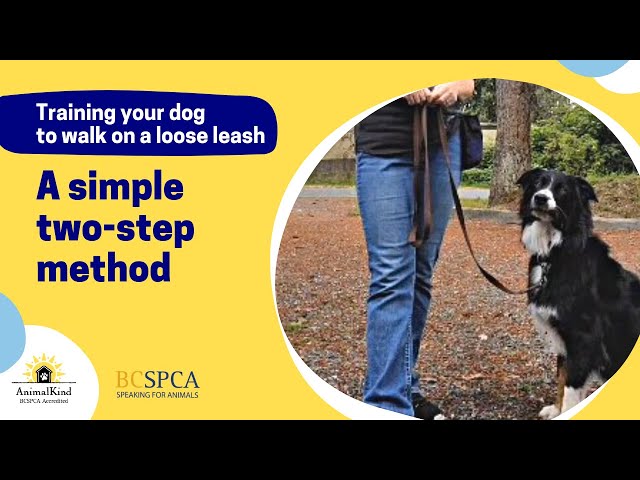
Getting your dog to walk calmly on a leash can feel like a challenge. You might have tried pulling, tugging, or even stopping every few steps, only to end up frustrated.
But what if you could turn your walks into a peaceful, enjoyable experience for both you and your furry friend? You’ll discover simple, effective tips that make leash walking easy and fun. Keep reading, and soon your dog will walk right beside you, tail wagging and ready to explore.

Credit: pupford.com
Choosing The Right Leash And Collar
Choosing the right leash and collar is key to making leash training a positive experience for both you and your dog. The right gear ensures safety, comfort, and control during walks. It also helps your dog feel secure and willing to follow your lead.
Types Of Leashes
Leashes come in various materials and designs, each suited for different needs. Nylon leashes are lightweight and durable, ideal for everyday walks. Leather leashes offer a strong grip and last long but can be heavier for small dogs.
Consider a retractable leash if your dog needs more freedom, but be cautious as they can reduce control. A standard fixed-length leash, about 4 to 6 feet long, gives you better control during training. Reflective leashes add safety for nighttime walks.
Selecting A Comfortable Collar
Your dog’s collar should never cause discomfort or harm. Soft, padded collars work well for dogs with sensitive skin. Nylon collars are affordable and come in many colors, but check for rough edges that might irritate your dog.
For dogs that pull, a front-clip harness can reduce strain on their neck. Avoid choke chains or prong collars unless advised by a professional trainer. Think about how your dog reacts—does your dog shake or scratch at the collar? That’s a sign it’s time to try a different style.
Fitting The Collar Properly
A collar that’s too tight can choke, while one that’s too loose can slip off during walks. You should be able to fit two fingers comfortably between the collar and your dog’s neck. Adjust the collar as your dog grows or if their weight changes.
Check the fit regularly, especially with puppies who grow fast. Watch your dog’s behavior; if they seem irritated or try to remove the collar often, reassess the fit. Proper fitting keeps your dog safe and makes leash training smoother.
Introducing The Leash To Your Dog
Introduce the leash gently, letting your dog sniff and get used to it. Use treats and praise to make walking a happy experience. Keep sessions short and calm to build confidence.
Introducing a leash to your dog is an important step. It sets the foundation for enjoyable walks together. A gentle approach ensures your dog feels comfortable and secure. Patience and encouragement play key roles in this process.Letting Your Dog Explore The Leash
Begin by letting your dog sniff the leash. Place it on the floor and allow them to explore. This helps familiarize your dog with the new object. Praise your dog for showing curiosity. A calm introduction reduces anxiety and builds interest.Using Positive Reinforcement
Positive reinforcement is crucial for leash training. Use treats and verbal praise to encourage good behavior. Reward your dog for calmness around the leash. This creates a positive association. Consistent rewards help your dog understand the leash is a good thing.Short Leash Sessions Indoors
Start with short leash sessions indoors. Clip the leash to your dog’s collar. Allow them to walk around freely. Keep sessions brief, around 5 minutes. Gradually increase the time as your dog becomes comfortable. Indoors offers a safe space for initial leash practice.Teaching Basic Commands
Teaching your dog basic commands is the foundation of leash training. These commands help you communicate clearly and keep your dog safe during walks. With patience and consistency, your dog will learn to listen and follow your lead.
Sitting And Staying
Start with teaching your dog to sit and stay before putting on the leash. This command helps your dog remain calm at the door and prevents sudden lunges. Use treats and gentle praise to encourage your dog to hold the position for a few seconds.
Practice in short sessions, gradually increasing the time your dog stays seated. This control builds focus and makes leash walking less stressful for both of you.
Responding To ‘come’
The ‘come’ command is essential for safety during walks, especially if your dog pulls or gets distracted. Call your dog enthusiastically by name and reward them immediately when they come to you. Keep the tone positive and avoid punishment if they don’t respond right away.
Try practicing ‘come’ indoors and in a fenced yard first, then use it during leash walks. This helps your dog understand that coming to you is always a good choice.
Walking By Your Side
Teaching your dog to walk by your side makes leash walks enjoyable and safe. Use a short leash and hold treats at your side to guide your dog. When your dog stays close, reward them frequently to reinforce this behavior.
If your dog pulls ahead, stop walking and wait calmly until they return to your side. This shows your dog that pulling will not get them where they want to go. Consistency here turns walking into a cooperative activity.

Credit: www.youtube.com
Starting Leash Walks Outside
Starting leash walks outside can feel overwhelming for both you and your dog. It’s a new environment full of sights, sounds, and smells that can easily distract your furry friend. Getting off on the right foot means creating a calm, encouraging experience that builds confidence and trust.
Choosing A Quiet Location
Select a place with minimal foot traffic and few distractions. Parks during early mornings or quiet residential streets are often ideal. This helps your dog focus on you instead of every passerby or noise.
I remember taking my puppy to a nearby empty parking lot at dawn. The calm environment made it easier for her to learn leash walking without pulling or darting off. What quiet spots do you have nearby that could serve as your training ground?
Keeping Walks Short And Positive
Start with brief sessions—around 5 to 10 minutes—to keep your dog’s attention sharp and spirits high. End each walk on a positive note before your dog gets tired or frustrated. This creates a desire to go out again next time.
Use plenty of praise and treats for calm walking. If your dog pulls or gets anxious, pause and wait for them to settle before moving forward. How do you reward your dog for good behavior during walks?
Dealing With Distractions
Distractions will happen, so prepare to manage them calmly. If your dog notices another dog or a loud noise, redirect their focus with a favorite toy or treat. Practicing “look” or “watch me” commands can help regain their attention quickly.
Don’t punish your dog for reacting; instead, guide them gently back to walking calmly. Over time, your dog will learn to stay composed even in distracting situations. What distraction challenges have you faced, and how did you handle them?
Handling Pulling And Resistance
Handling pulling and resistance is one of the most common challenges you’ll face when teaching your dog to walk politely on a leash. It requires patience and consistent responses to guide your dog toward better behavior. Instead of reacting with frustration, use clear, calm techniques that communicate what you expect from your furry friend.
Stopping When Your Dog Pulls
Whenever your dog pulls ahead, stop walking immediately. Stand still and wait for your dog to return to your side or loosen the leash naturally. This pause teaches your dog that pulling doesn’t get them where they want to go faster.
It’s tempting to keep moving, but stopping breaks the habit of pulling by showing your dog that forward progress only happens when the leash is slack. You might feel awkward at first, but your dog will quickly learn the connection between pulling and no movement.
Changing Directions
If your dog resists or pulls in one direction, try changing your walking path suddenly. Turn left, right, or even walk backward to grab your dog’s attention. This unexpected shift makes your dog focus on you instead of pulling toward distractions.
This technique turns the walk into a game of follow-the-leader, making your dog more aware of your cues. It also reduces their stubbornness by keeping them guessing what you’ll do next.
Rewarding Loose-leash Walking
Positive reinforcement works wonders for encouraging loose-leash walking. Carry treats or a favorite toy and reward your dog the moment the leash slackens. Immediate rewards help your dog connect good behavior with positive outcomes.
Don’t wait too long to give the reward—timing is crucial. Celebrating small wins keeps your dog motivated and makes walks enjoyable for both of you.

Credit: www.youtube.com
Building Consistency And Patience
Teaching a dog to walk on a leash requires steady effort. Building consistency and patience helps your dog learn better. It creates a routine that your dog understands. Patience reduces stress for both you and your pet. Small steps lead to big progress.
Setting A Routine
Choose a regular time for walks every day. Dogs feel safe with a schedule. Use the same leash and collar to create familiarity. Start in a quiet place with few distractions. Consistent timing helps your dog expect and prepare for walks.
Gradually Increasing Walk Duration
Begin with short walks to keep your dog calm. Slowly add more time as your dog gets comfortable. Watch your dog’s body language to avoid stress. Increase distance in small steps to build confidence. This approach makes walks enjoyable and not overwhelming.
Staying Calm And Encouraging
Keep your voice gentle and positive during walks. Avoid pulling or sudden movements that scare your dog. Praise your dog with soft words and treats often. Calm behavior helps your dog stay relaxed and focused. Encouragement builds trust and a good walking habit.
Troubleshooting Common Problems
Leash walking problems can make outings stressful for you and your dog. Recognizing common challenges helps improve the experience. Fixing these issues takes patience and simple techniques. Understanding your dog’s feelings and reactions is key. Below are solutions for some frequent leash walking problems.
Fear Of The Leash
Some dogs feel scared by the leash. They may freeze, pull back, or try to hide. Start by letting your dog see and sniff the leash in a calm place. Use treats to create a positive link with the leash. Put the leash on gently and praise your dog often. Keep sessions short and fun. Slowly increase the time your dog wears the leash before going outside.
Distractions And Overexcitement
Dogs often get excited or distracted during walks. They might jump, pull, or chase after things. Teach your dog to focus on you with simple commands like “look” or “sit.” Bring treats and reward calm behavior. Stop walking if your dog pulls too hard. Resume only when your dog is calm and focused. Choose quiet routes to reduce distractions at first.
Aggression On Walks
Aggression can appear when dogs meet others or see strange things. Keep distance from triggers that cause aggressive behavior. Use a firm but calm voice to control your dog. Teach “leave it” or “heel” to redirect your dog’s attention. Avoid forcing your dog toward stressful situations. Consult a professional trainer if aggression continues or worsens.
Frequently Asked Questions
How Do I Start Leash Training My Dog?
Begin leash training indoors with a lightweight leash. Let your dog get used to the leash first. Use treats and praise for positive reinforcement. Gradually practice walking in short sessions. Increase outdoor time as your dog gains confidence and comfort.
Why Does My Dog Pull On The Leash?
Dogs pull due to excitement, lack of training, or trying to explore. It can also be a habit. Consistent training with rewards for walking calmly helps reduce pulling. Using proper equipment like a no-pull harness can also improve leash behavior.
How Long Should Initial Leash Walks Be?
Start with short 5 to 10-minute walks to keep your dog focused. Gradually increase the duration as your dog learns to walk calmly. Frequent, brief sessions help build good habits without overwhelming your dog.
What Equipment Is Best For Leash Training?
A standard flat collar or a no-pull harness works well. Avoid retractable leashes as they encourage pulling. Choose a lightweight, sturdy leash around 4 to 6 feet long. Comfort and control are key for effective training.
Conclusion
Teaching your dog to walk on a leash takes time and patience. Start slow and stay consistent with training sessions. Praise your dog often to encourage good behavior. Use a comfortable leash and harness for better control. Remember, every dog learns at its own pace.
Enjoy the walks and build a strong bond with your pet. Keep practicing, and leash walking will become easier for both of you. Simple steps lead to great results. Stay calm and have fun during your walks together.

Emily Barker is the founder of ChillDogLife.com, a space dedicated to helping pup parents discover the best dog products, lifestyle tips, and cozy ideas for happier homes.
A lifelong dog lover, Emily combines her passion for pets with a knack for research to share trusted recommendations on everything from toys and furniture to health and everyday care.
Her goal is simple: to make life easier, stylish, and more joyful for dogs and the people who love them.




