
Getting the right harness for your dog starts with one simple step: measuring them correctly. If you’ve ever struggled with a harness that’s too tight or too loose, you know how frustrating it can be.
But don’t worry—measuring your dog doesn’t have to be tricky or time-consuming. In this guide, you’ll learn exactly how to measure your dog for a harness, ensuring a perfect fit that keeps your furry friend comfortable and secure. Keep reading, and you’ll never have to guess the right size again.
Choosing The Right Harness
Choosing the right harness for your dog is essential for comfort and control. A well-chosen harness fits your dog’s body shape and activity level. It helps prevent injuries and improves walking experience. Consider your dog’s size, breed, and behavior when selecting a harness.
Types Of Harnesses
There are various harness types to suit different dogs and needs. Each type offers unique features and benefits.
- Back-clip harness:The leash attaches on the back. Good for small and calm dogs.
- Front-clip harness:The leash clips on the chest. Helps reduce pulling during walks.
- Dual-clip harness:Has both front and back clips. Offers versatility for training and walking.
- Step-in harness:Easy to put on. Ideal for dogs that dislike overhead harnesses.
- Vest harness:Covers more of the dog’s body. Provides extra comfort and support.
Benefits Of A Proper Fit
A properly fitting harness keeps your dog safe and comfortable. It prevents chafing and skin irritation. A snug fit stops the dog from slipping out. It also distributes pressure evenly across the chest and shoulders.
Good fit improves your control during walks. It reduces stress on your dog’s neck and spine. This is especially important for small breeds and dogs with health issues. A well-fitted harness helps your dog move naturally and enjoy walks more.

Credit: www.amazon.ca
Tools Needed For Measurement
Measuring your dog for a harness might seem like a straightforward task, but ensuring you have the right tools can make a world of difference. The right tools not only simplify the process but also enhance accuracy, ensuring a snug and comfortable fit for your furry friend. Let’s delve into the essentials and optional accessories that can aid in this task.
Measuring Tape Essentials
A flexible measuring tape is your best friend when it comes to capturing your dog’s dimensions. It’s important to use a soft tape, similar to the ones used by tailors, as they contour easily around your dog’s body. You might already have one in your sewing kit, but if not, they are readily available in most craft or department stores.
Accuracy is key. Hold the tape snugly but not too tight, ensuring it lies flat against your dog’s fur. Measure around the widest part of the chest, just behind the front legs, and don’t forget the neck. Double-check your measurements for peace of mind.
Optional Accessories
While a measuring tape is essential, there are a few optional accessories that might make the process smoother. A harness fitting guide can be a handy reference to compare your measurements with standard harness sizes. These guides are often available online for free.
If your dog is a bit wiggly, a friend or family member can be a great help. They can keep your dog still or distract them with a treat while you focus on measuring. A small notebook or smartphone can also be useful for jotting down measurements so you don’t forget them.
Have you ever considered using a soft brush? While not directly related to measuring, brushing your dog before taking measurements can calm them and make the process more enjoyable for both of you.
Preparing Your Dog
Preparing your dog before measuring for a harness is important. It helps your dog stay calm and still. This makes measuring easier and more accurate. A relaxed dog is happy to cooperate. Small steps can make a big difference.
Calming Techniques
Start with a quiet space free from distractions. Speak softly to your dog to create comfort. Gentle petting soothes nerves and builds trust. Try offering a favorite treat as a reward. Take deep breaths and stay patient. Your calm attitude will help your dog relax.
Positioning Your Dog
Have your dog stand or sit on a flat surface. Keep your dog steady by holding the collar gently. Use a helper if your dog moves too much. Position your dog so you can reach the chest and neck easily. Make sure your dog feels secure and safe. This helps get precise measurements for the harness.
Measuring Neck Size
Measuring your dog’s neck size accurately is key to choosing a harness that fits comfortably and safely. An ill-fitting harness can cause discomfort or even injury, so getting this measurement right matters.
Before you start, find a flexible measuring tape or a piece of string you can mark and then measure with a ruler. Make sure your dog is calm and standing naturally to get the most accurate reading.
Locate The Neck Area To Measure
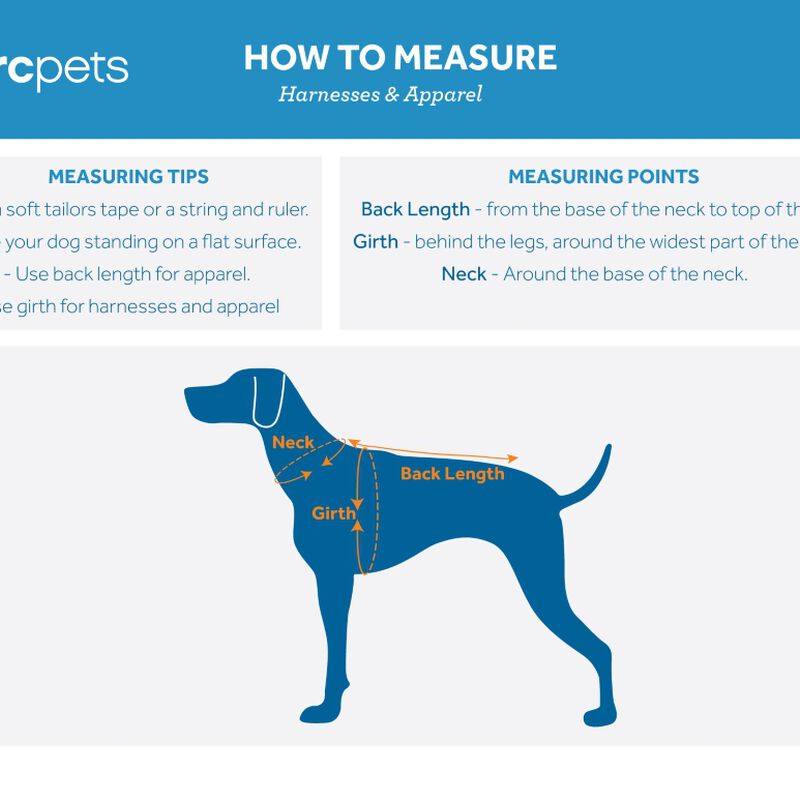
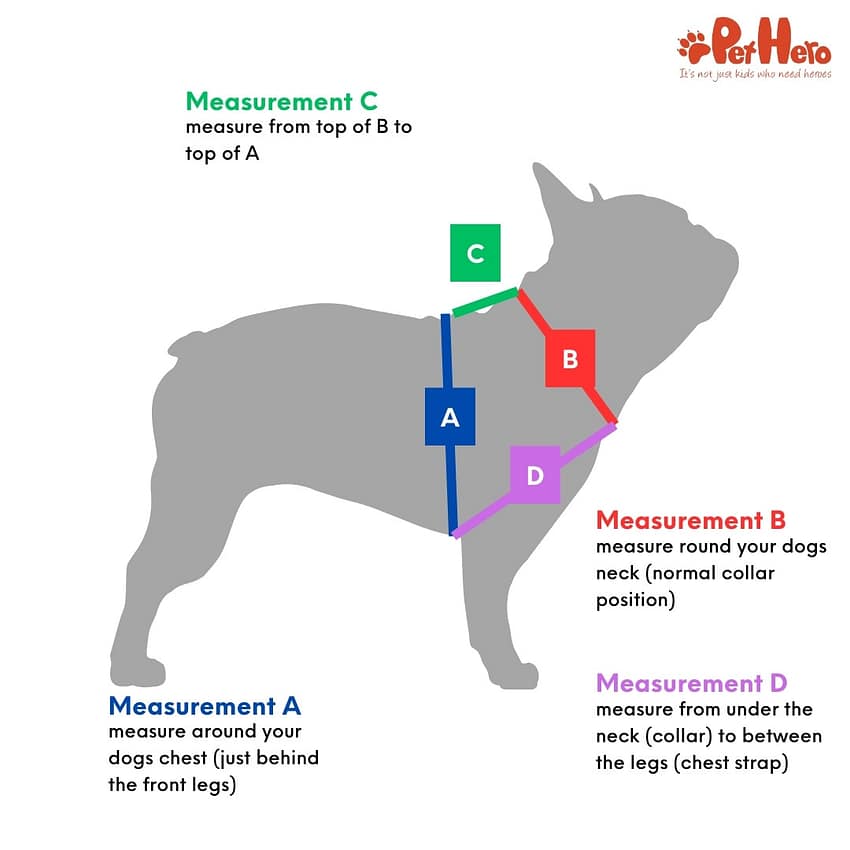
Measure around the base of your dog’s neck where the collar usually sits. This spot is generally right above the shoulders and below the head.
A common mistake is measuring too high near the throat or too low on the shoulders, which can lead to a poor fit. If you’re unsure, gently feel for the bony area at the base of the neck to help guide your tape placement.
How To Measure The Neck Size
- Wrap the measuring tape or string snugly around the base of the neck.
- Make sure it’s not too tight—there should be enough room to fit one or two fingers underneath.
- Note the measurement in inches or centimeters.
Remember, this isn’t just about size but comfort. If your dog is squirming, take breaks and try again. A patient approach helps get a better measurement.
Adjusting For Comfort And Growth
Adding about half an inch to one inch to the neck measurement usually allows for breathing room and movement. This slight extra space prevents the harness from choking your dog during walks.
If your dog is still growing, consider adding a bit more to accommodate future size changes. You don’t want to buy a harness that’s too tight in a month.
Common Mistakes To Avoid
- Using a rigid ruler instead of a flexible tape can give inaccurate measurements.
- Measuring over thick fur without accounting for it can lead to a harness that’s too loose.
- Not measuring more than once to confirm accuracy can cause problems later.
Have you ever bought a harness only to find it uncomfortable for your dog? Measuring the neck size carefully helps prevent that frustration. It’s a small step that makes a big difference in your dog’s comfort and safety.
Measuring Chest Girth
Measuring the chest girth is the key to finding the perfect harness size for your dog. This measurement shows the widest part of your dog’s ribcage. A harness that fits well keeps your dog comfortable and secure during walks.
Use a flexible measuring tape or a piece of string you can mark. Wrap it around the chest, just behind the front legs. Make sure the tape or string lies flat and snug, but not too tight.
Note the measurement in inches or centimeters. Double-check it to avoid errors. This size helps pick a harness that fits without pinching or slipping.
Tools Needed For Measuring Chest Girth
- Flexible tape measure
- Pen and paper for notes
- Helper to hold your dog steady (optional)
- Soft string (if no tape measure available)
How To Position Your Dog
- Have your dog stand on all fours.
- Keep your dog calm and relaxed.
- Ask a helper to hold your dog steady.
- Avoid measuring if your dog is sitting or lying down.
Common Mistakes To Avoid
- Measuring too loose or too tight.
- Measuring too far forward or back.
- Using a rigid ruler instead of flexible tape.
- Not measuring twice to confirm size.
Measuring Back Length
Measuring your dog’s back length is key for a proper harness fit. This measurement ensures the harness covers your dog’s body comfortably and safely. A wrong back length can cause chafing or restrict movement. Take this step carefully for a happy, comfortable dog.
Identify The Start And End Points
Locate the base of your dog’s neck. This is where the neck meets the shoulders. The end point is at the base of the tail. This spot is where the tail starts on your dog’s back.
Use A Soft Measuring Tape
A flexible tape measure works best. It molds to your dog’s body shape. Avoid rigid rulers as they give inaccurate results. Keep the tape flat against the fur for a true length.
Measure Along The Spine
Place the tape at the neck base. Stretch it along the spine to the tail base. Do not pull the tape tight. Follow the natural curve of your dog’s back.
Record The Measurement
Note the length in inches or centimeters. Double-check by measuring twice. Accuracy helps you choose the correct harness size. Write it down for easy reference.
Tips For An Accurate Measurement
- Have your dog stand straight and still.
- Ask someone to help hold your dog.
- Measure on a calm dog for best results.
- Measure over the fur, not skin.
Tips For Accurate Measurements
Getting your dog's harness size right is crucial for comfort and safety. Accurate measurements make all the difference between a harness that fits snugly and one that causes discomfort or slips off. Here are some practical tips to help you measure your dog correctly every time.
Avoiding Common Mistakes
Many dog owners make the mistake of measuring their pet while they are moving or excited. Your dog should be calm and standing still for the most accurate results. Measuring a squirming dog can lead to sizes that are too loose or too tight.
Another common error is measuring over thick fur without considering how the harness will sit on the coat. Press the tape measure gently against the fur to get a realistic size, but don’t compress the fur too much. This ensures the harness fits comfortably without being restrictive.
Using a flexible tape measure instead of a rigid ruler is essential. A soft tape wraps easily around your dog’s body contours, giving you precise measurements. Avoid using a string or cord unless you can then measure it against a ruler.
Double Checking Measurements
It’s easy to get one measurement wrong, so always measure twice. Take your dog’s girth and neck size more than once to confirm the numbers are consistent. If measurements differ, use the larger size to avoid tightness.
Ask someone to help hold your dog still while you measure, or take photos of the measurement points. This helps you remember exactly where to place the tape and avoids guesswork later. Have you ever struggled to fit a harness only to realize the size was off by a small margin? Double checking helps prevent that.
After recording your measurements, compare them with the harness size chart carefully. Each brand can size differently, so don’t assume your dog’s size is universal. Double checking here ensures the harness you order will fit right the first time.
Credit: www.renspets.com
Adjusting The Harness For Comfort
Adjusting the harness for comfort is essential to keep your dog happy and safe. A harness that fits well prevents chafing and allows natural movement. Taking time to fine-tune the straps ensures your dog enjoys walks without discomfort or restriction.
Fitting The Straps
Start by loosening all straps before putting the harness on your dog. Adjust the straps so the harness sits snugly but not tight. There should be enough room to fit two fingers between the harness and your dog’s body. Check the chest and belly straps to avoid pinching or rubbing. Make sure the harness sits evenly on both sides for balanced support.
Checking For Mobility
Observe your dog walking and running with the harness on. The harness should not limit front leg movement or cause awkward gait. Watch for signs like limping or hesitation. The dog should be able to turn and lie down comfortably. If movement looks restricted, loosen the straps slightly and test again.
When To Replace The Harness
Knowing when to replace your dog’s harness is crucial for their comfort and safety. A worn or ill-fitting harness can cause discomfort, skin irritation, or even injury. Regular checks help you catch problems early and keep your dog happy during walks.
Signs Of Wear And Tear
Look closely at the fabric and stitching. Frayed straps, loose threads, or broken buckles mean it’s time for a new harness. Worn parts can fail during a walk, risking your dog’s safety.
Changes In Your Dog’s Size
Puppies grow fast. Adult dogs can also gain or lose weight. A harness that fits well today might become too tight or loose later. Measure your dog regularly and replace the harness if it no longer fits properly.
Discomfort Or Skin Issues
Watch your dog’s behavior and skin condition. Scratches, redness, or bald spots under the harness show irritation. Your dog may also try to bite or rub the harness area. These signs mean the harness may be hurting them and needs replacement.
Outdated Harness Technology
New harness designs often offer better comfort and safety. If your harness is old, consider upgrading to one with improved padding, reflectors, or easier adjustments. This helps ensure your dog’s well-being during walks.
Credit: pethero.co.za
Frequently Asked Questions
How Do I Measure My Dog For A Harness?
Measure your dog’s chest girth around the widest part, usually behind the front legs. Also, measure the neck circumference where the collar sits. Use a flexible tape measure and ensure it’s snug but not tight for an accurate fit.
What Tools Are Needed To Measure A Dog For Harness?
You only need a flexible measuring tape to measure your dog’s chest and neck. Avoid rigid rulers as they don’t contour to the dog’s body. A helper can make measuring easier and more accurate, especially for energetic dogs.
Why Is Accurate Harness Measurement Important?
Proper harness measurement ensures comfort and safety for your dog. A well-fitted harness prevents chafing, slipping, and escape. It also distributes pressure evenly, reducing strain on the dog’s neck and body during walks.
How Often Should I Measure My Dog For Harness?
Measure your dog before every new harness purchase. Also, re-measure periodically if your dog is still growing or gaining weight. Regular checks ensure the harness remains a perfect, comfortable fit over time.
Conclusion
Measuring your dog for a harness keeps them safe and comfortable. Use a soft tape to get accurate sizes around the chest and neck. Take your time and measure twice to avoid mistakes. A well-fitted harness stops pulling and chafing during walks.
Remember, every dog’s shape is different, so measuring is key. This simple step helps you choose the best harness for your pet. Enjoy happy, safe walks with your dog every day.

Emily Barker is the founder of ChillDogLife.com, a space dedicated to helping pup parents discover the best dog products, lifestyle tips, and cozy ideas for happier homes.
A lifelong dog lover, Emily combines her passion for pets with a knack for research to share trusted recommendations on everything from toys and furniture to health and everyday care.
Her goal is simple: to make life easier, stylish, and more joyful for dogs and the people who love them.




