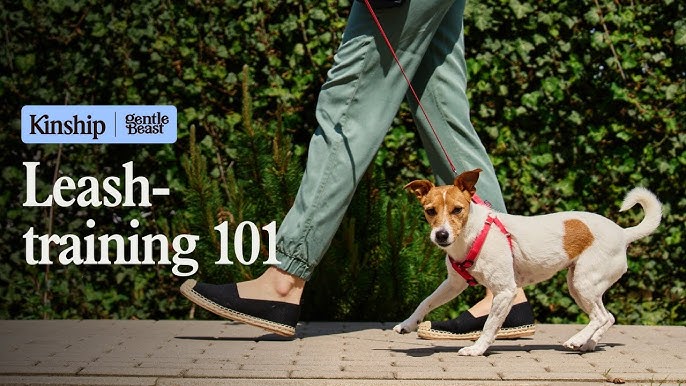
Teaching your dog to walk calmly on a leash can change the way you both enjoy your time outside. If your dog pulls, lunges, or gets distracted, it can make walks stressful for you and unsafe for them.
But imagine going on a peaceful walk where your dog stays close, listens to you, and you both enjoy every step. You’ll discover simple, effective ways to train your dog to walk on a leash without frustration. By the end, you’ll feel confident and ready to take control of those walks—making each outing a positive experience for you and your furry friend.
Keep reading, because your perfect walk is just a few steps away.
Choosing The Right Leash And Collar
Choosing the right leash and collar is key to a good walking experience. The right tools keep your dog safe and comfortable. They also make training easier and more effective. Picking the best leash and collar helps your dog learn faster.
Types Of Leashes
Leashes come in many styles. Each has a special use and feel.
- Standard Leash:Usually 4 to 6 feet long. Gives good control.
- Retractable Leash:Allows more freedom. You can adjust length.
- Chain Leash:Strong and durable. Good for strong dogs.
- Martingale Leash:Tightens when dog pulls. Safe for dogs who slip out.
Choose a leash that suits your dog’s size and strength. The leash should feel good in your hand.
Selecting A Comfortable Collar
The collar must fit well and feel soft. It should not hurt or irritate your dog’s neck.
- Flat Collar:Common and simple. Fits snugly without choking.
- Martingale Collar:Helps prevent slipping out. Tightens gently when pulled.
- Harness:Wraps around the body. Good for dogs with neck issues.
Measure your dog’s neck before buying. The collar should allow two fingers between the collar and neck. This ensures comfort and safety.
Preparing Your Dog For Leash Training
Preparing your dog for leash training sets the foundation for successful walks. It’s about making your dog comfortable with the gear before hitting the outdoors. This phase helps reduce anxiety and builds positive associations with the leash and collar.
Introducing The Collar Indoors
Start by letting your dog wear the collar inside the house. Choose a lightweight collar to avoid discomfort. Let your dog explore with it on, and watch their reactions closely.
If your dog tries to remove the collar, distract them with treats or play. Praise calm behavior to create a positive connection. Keep the collar on for short periods initially, then gradually increase the time as your dog gets used to it.
Familiarizing With The Leash
Attach the leash to the collar while indoors to help your dog get used to the feel. Hold the leash loosely and allow your dog to walk around freely. This reduces the pressure and helps your dog associate the leash with freedom, not restraint.
Try gently dragging the leash behind your dog, so they become aware of its presence without feeling pulled. Reward your dog for staying calm and following you during this process. Have you noticed how your dog reacts when they see the leash? Their body language can guide your next steps.
Starting Leash Training Indoors
Starting leash training indoors helps your dog learn without distractions. It creates a calm space for your dog to get used to the leash. This controlled setting makes the first lessons easier and more fun for both of you.
Encouraging Walking With Treats
Treats motivate your dog to walk beside you. Hold a treat close to your dog’s nose to guide the steps. Reward your dog often to build a positive connection with walking on a leash.
- Use small, soft treats for quick rewards.
- Give a treat each time your dog follows your lead.
- Keep your voice happy and encouraging.
This approach helps your dog focus on walking and enjoying the process.
Using Commands For Guidance
Simple commands help your dog understand what you want. Use clear words like “let’s go” or “walk” to signal movement. Repeat commands consistently during your indoor sessions.
- Say the command before you start walking.
- Praise your dog when it responds well.
- Keep commands short and easy to remember.
Commands give your dog clear instructions and build good habits early on.
Moving Training Outdoors
Moving leash training outdoors is an important step for your dog’s learning. It helps your dog get used to real-world sights and sounds. Training outside builds good habits in a natural setting. This stage requires patience and small steps. Start slow and stay consistent for best results.
Choosing A Quiet Area
Select a calm place with few people and animals. Parks early in the morning work well. Avoid busy streets or noisy playgrounds at first. A quiet spot lets your dog focus on you. It reduces stress and distractions. Bring treats and a short leash for control. Make sure the area is safe and clean.
Handling Distractions
Distractions can be tempting for your dog. Birds, cars, and other dogs may grab attention. Stay close and keep leash short but loose. Use a cheerful voice to bring your dog’s focus back. Stop walking if your dog pulls or looks away. Reward your dog with treats or praise for good behavior. Gradually increase distractions as your dog improves. This builds strong leash manners outdoors.
Correcting Pulling And Lunging
Correcting pulling and lunging is key to a calm, controlled leash walk. If your dog pulls or lunges, it often means they’re excited or anxious about something ahead. Tackling this behavior early not only protects your dog from injury but also makes walks more enjoyable for both of you.
Stopping And Waiting Technique
This technique helps your dog learn that pulling leads to no forward movement. The moment your dog pulls, stop walking immediately. Stand still and wait until the leash slackens.
Once the leash is loose, resume walking. This teaches your dog that pulling only delays the walk. I tried this with my own dog, and within a week, she started checking the leash tension before moving forward.
Patience is crucial here. Don’t rush to move until your dog calms down. How often do you think your dog notices when you stop walking?
Changing Direction Method
Dogs often pull toward what interests them. Changing direction suddenly can interrupt this focus. When your dog lunges or pulls, calmly turn and walk the opposite way.
This surprises your dog and shifts their attention back to you. It also teaches them that pulling won’t get them where they want to go. I’ve seen this work well, especially in dogs eager to chase squirrels or other distractions.
Consistency is key—keep changing direction every time pulling happens. How might your dog’s behavior change if you always controlled the walk’s pace and direction?

Credit: www.youtube.com
Building Consistency And Patience
Building consistency and patience is the backbone of teaching your dog to walk calmly on a leash. Dogs learn best when they experience regular, predictable training sessions that help them understand what you expect. It’s easy to get frustrated, but remember that steady progress, no matter how small, leads to lasting results.
Short And Frequent Sessions
Keep training sessions brief but regular. Dogs, especially puppies, have short attention spans. Ten to fifteen minutes a few times a day works much better than one long session once in a while.
Try to make each walk a mini training opportunity. This repeated practice helps your dog connect the leash with positive experiences and good behavior. Have you noticed how your dog responds differently after a few days of consistent practice?
Rewarding Good Behavior
Immediate rewards make a huge difference. Use treats, praise, or a favorite toy right when your dog walks nicely beside you. This clear connection between behavior and reward encourages them to repeat it.
Be patient if your dog gets distracted or pulls. Instead of pulling back, stop walking and wait for your dog to calm down and return to your side. This teaches your dog that pulling won’t get them where they want to go. What reward does your dog respond to best during training?
Troubleshooting Common Issues
Teaching your dog to walk calmly on a leash can be challenging, especially when unexpected issues arise. Troubleshooting these common problems early helps you build a better bond and makes walks more enjoyable for both of you. Let’s look at how to handle fear, anxiety, and overexcitement during leash training.
Fear Or Anxiety On Leash
If your dog seems scared or anxious when the leash comes out, it’s important to address their feelings gently. Some dogs associate the leash with confinement or uncomfortable experiences. Try letting your dog sniff and explore the leash while giving treats to create positive connections.
Start with short, calm sessions indoors before moving outside. If your dog freezes or pulls back, don’t force them forward. Instead, stay patient and reward any small step toward walking calmly. Ask yourself: What might be frightening your dog—strange sounds, busy streets, or something else?
Using a well-fitting harness can also reduce physical discomfort that sometimes causes anxiety. Keep your voice calm and steady, and avoid sudden movements. Over time, your dog will learn to feel safe and secure on the leash.
Overexcitement And Jumping
When your dog gets too excited on a leash, it can lead to jumping, pulling, or barking. This behavior often happens because your dog wants to greet people or explore everything at once. To manage this, focus on teaching your dog to stay calm before and during the walk.
Try stopping immediately when your dog starts pulling or jumping. Wait until they settle down, then reward with a treat or gentle praise. Consistency is key—your dog needs to understand that calm behavior earns rewards, not excitement.
Using short training sessions to practice “sit” or “heel” commands can help redirect your dog’s energy. Have you noticed any triggers that make your dog more excited? Identifying these can help you prepare and control the walk better.

Credit: www.youtube.com

Credit: www.youtube.com
Frequently Asked Questions
How Do I Start Leash Training My Dog?
Begin by letting your dog wear the leash indoors. This helps them get used to the feel. Gradually introduce short walks around the house. Reward your dog with treats and praise for staying calm and not pulling. Consistency and patience are key to successful leash training.
Why Does My Dog Pull On The Leash?
Dogs often pull on the leash out of excitement or to explore faster. To prevent pulling, stop walking when your dog pulls. Teach them to walk beside you by rewarding them when they do. Consistency and positive reinforcement help in reducing leash pulling behavior over time.
How Long Does Leash Training Take?
Leash training duration varies, typically taking a few weeks. Consistency and daily practice are essential. Some dogs may learn faster, while others need more time. Celebrate small victories and be patient. Each dog is unique, so adjust your approach based on their progress and temperament.
What Type Of Leash Is Best For Training?
A standard 4 to 6-foot leash is ideal for training. It offers control and safety during walks. Avoid retractable leashes, as they encourage pulling. Opt for a comfortable, durable material that suits your dog’s size. A harness can also provide better control and reduce strain on your dog’s neck.
Conclusion
Teaching your dog to walk on a leash takes time and patience. Start slow and keep practice sessions short. Use treats and praise to encourage good behavior. Stay calm and consistent during each walk. Dogs learn best with gentle guidance and clear rules.
Soon, walks will become enjoyable for both of you. Remember, every dog learns at its own pace. Keep practicing regularly and stay positive. Walking together builds trust and strengthens your bond. Enjoy the journey of training your dog to walk well on leash.

Emily Barker is the founder of ChillDogLife.com, a space dedicated to helping pup parents discover the best dog products, lifestyle tips, and cozy ideas for happier homes.
A lifelong dog lover, Emily combines her passion for pets with a knack for research to share trusted recommendations on everything from toys and furniture to health and everyday care.
Her goal is simple: to make life easier, stylish, and more joyful for dogs and the people who love them.




