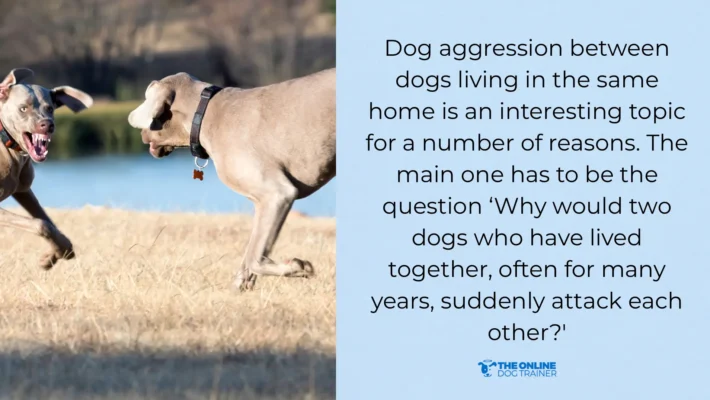
Are you struggling to manage your dog’s aggressive behavior? You’re not alone.
Aggression in dogs can be scary and stressful, but the good news is that you can take steps to change it. Understanding why your dog acts this way and learning simple, effective techniques can make a huge difference. You’ll discover practical tips that help you regain control, build trust, and create a calmer, happier environment for both you and your furry friend.
Keep reading—you’re closer than you think to a peaceful relationship with your dog.

Credit: theonlinedogtrainer.com
Recognizing Aggressive Behavior
Aggressive behavior in dogs can be dangerous. It is important to spot signs early. Recognizing these signs helps keep everyone safe.
Understanding why a dog acts aggressively is the first step to curbing this behavior. Watch your dog closely to identify triggers and signs.
Common Signs Of Aggression
Dogs show aggression in many ways. Some signs are easy to spot, while others are subtle. Knowing these signs can help prevent attacks.
- Growling or snarling
- Baring teeth
- Stiff body posture
- Raised hackles (hair on back stands up)
- Intense staring
- Snapping or biting
- Excessive barking or lunging
Triggers And Causes
Aggression often starts because of certain triggers. These triggers cause fear, pain, or stress in dogs. Knowing them helps prevent aggressive episodes.
| Trigger | Cause |
| Fear | Feeling threatened or unsafe |
| Protectiveness | Guarding territory or possessions |
| Pain | Injury or illness causing discomfort |
| Frustration | Blocked from reaching a goal |
| Social conflict | Disputes with other dogs or people |
Preventing Aggression Early
Stopping aggressive behavior in dogs begins early in life. It is easier to prevent problems than fix them later.
Good habits start with socialization and training. These build a calm, confident dog.
Socialization Techniques
Socialization helps dogs feel safe around people and other animals. It lowers fear and aggression.
- Introduce your dog to different places and sounds
- Let your dog meet many kinds of people and dogs
- Use treats to reward calm behavior during new experiences
- Keep meetings short and positive
- Watch your dog for signs of stress or fear
Consistent Training Methods
Training with clear rules helps dogs learn good behavior. Consistency is key to avoid confusion.
| Training Tip | Why It Helps |
| Use the same commands every time | Dog understands what you want |
| Reward calm and gentle actions | Encourages positive behavior |
| Set clear limits on biting and growling | Stops aggressive habits early |
| Practice daily short training sessions | Keeps dog focused and learning |
| Be patient and gentle with corrections | Builds trust and respect |
Managing Aggression Safely
Aggressive behavior in dogs can be dangerous for both the dog and people around. Managing aggression requires care and the right approach.
Safe management helps prevent harm and supports your dog’s well-being. It is important to understand how to handle aggression calmly and effectively.
Using Positive Reinforcement
Positive reinforcement means rewarding good behavior. This encourages your dog to repeat calm and friendly actions.
Use treats, praise, or toys to reward your dog when it shows calm behavior. This helps reduce aggressive reactions over time.
- Give rewards immediately after good behavior
- Be consistent with your rewards
- Train in a quiet, safe space
- Keep training sessions short and positive
Avoiding Punishment Pitfalls
Punishing aggressive behavior can make the problem worse. Dogs may become more fearful or defensive.
Avoid yelling, hitting, or using harsh tools. These actions can increase your dog’s stress and aggression.
- Do not punish out of anger
- Focus on redirecting behavior instead
- Use calm and firm commands
- Seek professional help if needed
Seeking Professional Help
Dealing with aggressive behavior in dogs can be tough. Sometimes, you need help from experts.
Professional trainers and behaviorists have tools to manage and reduce aggression safely.
When To Consult A Trainer
If your dog shows sudden or repeated aggression, it is time to see a trainer. Early help stops problems from growing.
Signs to watch for include growling, biting, or lunging at people or other dogs. Trainers can assess the cause and create a plan.
- Dog bites or snaps often
- Aggression happens without clear reasons
- Dog reacts badly to visitors or family
- Owner feels unsafe managing the dog
- Other training efforts do not work
Behavioral Therapy Options
Behavioral therapy helps dogs change how they react. Experts use different methods based on the dog’s needs.
Common therapies include training, desensitization, and counter-conditioning. These help dogs stay calm and friendly.
- Positive Reinforcement:Reward good behavior to encourage it.
- Desensitization:Slowly expose the dog to triggers in small steps.
- Counter-Conditioning:Change the dog’s emotional response to triggers.
- Management Tools:Use muzzles or barriers to keep everyone safe.
Creating A Calm Environment
A calm environment helps reduce aggressive behavior in dogs. Dogs feel safer and less threatened.
Creating peace around your dog supports better behavior and less stress.
Reducing Stress Factors
Stress makes dogs more likely to act aggressively. It is important to limit things that upset your dog.
Common stress factors include loud noises, crowded spaces, and sudden changes in the home.
- Keep your home quiet and peaceful
- Avoid loud sounds or sudden noises
- Give your dog a safe space to retreat
- Limit visits from strangers or too many people
- Watch your dog’s body language to spot stress
Establishing Routine And Boundaries
Dogs feel calm when they know what to expect. A daily routine helps them feel secure.
Clear boundaries teach dogs what is allowed and what is not. This lowers confusion and frustration.
- Feed and walk your dog at the same times each day
- Set rules for where your dog can go in the house
- Use consistent commands for behavior
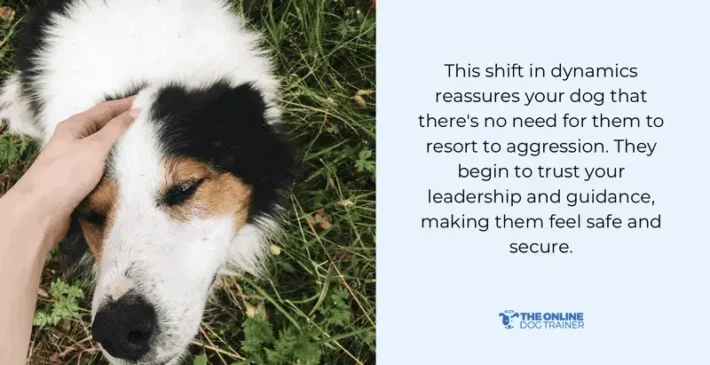
- Reward calm and good behavior regularly
- Ignore or redirect unwanted aggressive actions
Credit: theonlinedogtrainer.com
Tools And Aids For Control
Managing aggressive behavior in dogs requires the right tools. These aids help control and calm your pet effectively.
Using specific products can make handling aggressive dogs safer. Here, we explore useful tools and calming aids.
Harnesses And Muzzles
Harnesses and muzzles are essential for controlling aggressive dogs. They provide safety for both the dog and others around.
- Choose a comfortable harness that fits well.
- Use muzzles during walks to prevent biting.
- Regularly check for wear and tear on these tools.
Calming Products And Supplements
Calming products can reduce stress and anxiety in aggressive dogs. These products help create a more relaxed environment.
| Product Type | Benefit |
| Calming Chews | Reduces anxiety |
| Aromatherapy | Promotes relaxation |
| Herbal Supplements | Supports calm behavior |

Credit: www.dwdogtraining.com
Frequently Asked Questions
What Causes Aggressive Behavior In Dogs?
Aggression in dogs often stems from fear, territorial instincts, pain, or lack of socialization. Genetics and past trauma can also contribute. Identifying the cause helps in applying the right behavior modification techniques and training methods to curb aggression effectively.
How Can I Safely Approach An Aggressive Dog?
Approach slowly and avoid direct eye contact. Speak calmly and avoid sudden movements. Give the dog space and observe body language to prevent escalation. Use treats or toys to create positive associations and build trust over time.
What Training Methods Reduce Dog Aggression?
Positive reinforcement training is most effective. Reward calm and non-aggressive behaviors consistently. Avoid punishment as it may increase fear or aggression. Professional obedience training and socialization play key roles in reducing aggressive tendencies in dogs.
When Should I Consult A Professional For Dog Aggression?
Seek professional help if aggression persists or worsens. Consult a veterinarian to rule out medical causes. A certified dog behaviorist or trainer can design a tailored behavior modification plan for safety and long-term improvement.
Conclusion
Controlling aggressive behavior in dogs takes time and patience. Consistent training helps your dog feel safe and calm. Positive reinforcement encourages good actions, making bad habits fade. Understanding your dog’s triggers prevents many problems before they start. Seek help from a professional if needed.
Remember, a calm dog creates a happy home. Keep working gently and stay patient. Your effort will bring peace to both you and your dog.

Emily Barker is the founder of ChillDogLife.com, a space dedicated to helping pup parents discover the best dog products, lifestyle tips, and cozy ideas for happier homes.
A lifelong dog lover, Emily combines her passion for pets with a knack for research to share trusted recommendations on everything from toys and furniture to health and everyday care.
Her goal is simple: to make life easier, stylish, and more joyful for dogs and the people who love them.




