Is your dog acting differently lately? You might be noticing changes in your furry friend’s behavior as they get older.
Understanding aging dog behavior is key to giving your pet the care and love they deserve. This article will help you recognize those changes and show you how to respond in ways that keep your dog happy and comfortable. Keep reading to learn what to expect and how you can support your loyal companion through their golden years.

Credit: www.purina.com
Changes In Senior Dog Behavior
As dogs grow older, their behavior often changes. These changes can be due to aging in their body and mind.
Understanding these changes helps owners care for their senior dogs better.
Physical Signs Of Aging
Senior dogs may show physical signs like slower movement and less energy. Their senses, like hearing and sight, may weaken. Joint stiffness and aches are common.
- Slower walking and running
- Decreased energy
- Weaker hearing and vision
- Stiff or sore joints
- Changes in appetite
Cognitive Shifts
Older dogs can have trouble remembering things. They may seem confused or less aware of their surroundings. Sometimes, they forget training or routines.
| Behavior | Description |
| Disorientation | Getting lost in familiar places |
| Memory Loss | Forgetting commands or routines |
| Sleep Changes | Sleeping more or less than usual |
| Decreased Attention | Less focus during play or training |
Emotional And Social Changes
Senior dogs may show new emotions. They can be more anxious or clingy. Some dogs want less contact, while others seek more attention. Their social habits may shift.
Common emotional and social changes include:
- Increased anxiety or nervousness
- More need for comfort and closeness
- Reduced interest in playing with other dogs
- Changes in how they respond to family members
Credit: www.dwdogtraining.com
Health Challenges Impacting Behavior
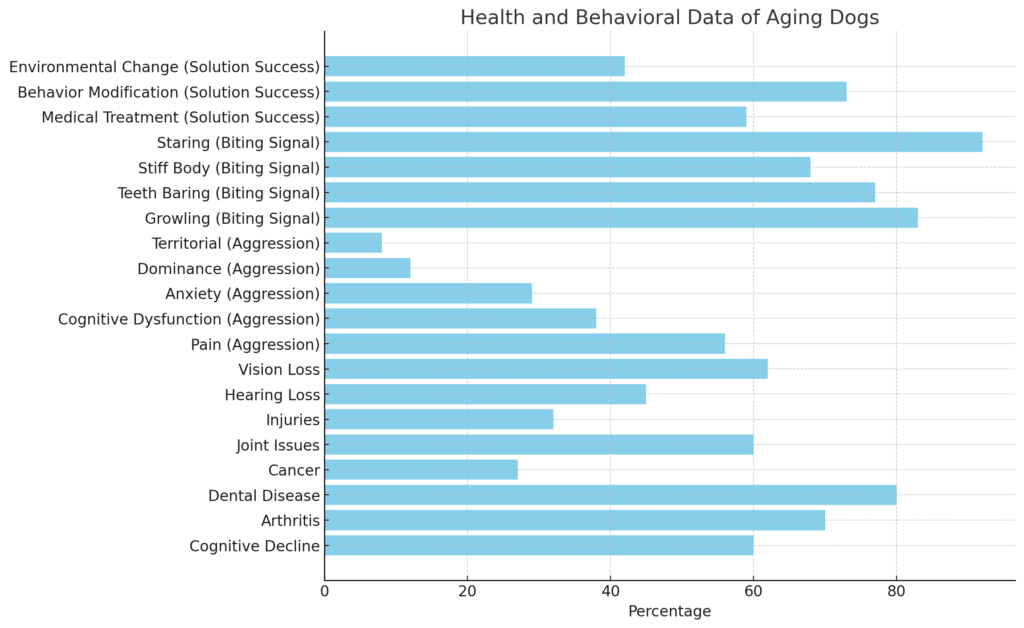
As dogs grow older, their health changes can affect how they behave. Aging dogs may act differently because of health problems.
Understanding these health challenges helps pet owners care for their senior dogs better and spot issues early.
Common Age-related Illnesses
Older dogs often face illnesses that change their mood and actions. These illnesses can make dogs tired, confused, or less active.
Some common problems include arthritis, kidney disease, and cognitive decline. These affect how dogs feel and behave daily.
- Arthritis causes stiffness and less movement
- Kidney disease can cause weakness and nausea
- Cognitive decline leads to confusion and forgetfulness
- Heart disease may cause tiredness and anxiety
Pain And Discomfort
Pain is a big reason for behavior changes in aging dogs. Dogs may grow irritable or hide when they hurt.
Pain can come from joint problems, injuries, or other health issues. It makes dogs less playful and less social.
- Growling or snapping when touched
- Less interest in walks or play
- Changes in eating or sleeping habits
- Restlessness or pacing
Sensory Decline Effects
Older dogs often lose some senses like sight, hearing, or smell. This affects how they react to their surroundings.
Sensory decline may make dogs more anxious or confused. They might bump into things or not respond to calls.
- Not hearing commands well
- Difficulty seeing in low light
- Reduced smell affects appetite and interest
- Startling easily due to sudden sounds
Adapting Your Home Environment
As dogs get older, their behavior and needs change. Adjusting your home helps them feel safe and comfortable.
Small changes in the environment can improve your aging dog’s quality of life and reduce stress.
Creating Comfort Zones
Comfort zones give your dog a quiet place to rest and relax. These areas should be cozy and easy to reach.
Use soft beds and blankets to make these spots inviting. Avoid noisy or busy areas of the home.
- Place beds near your dog’s favorite spots
- Keep the area free from drafts or loud sounds
- Add familiar toys or items with your scent
Safety Measures For Mobility
Older dogs may have trouble moving around. Make your home safer by reducing slip and trip hazards.
Use non-slip mats on slippery floors and clear clutter from walkways to prevent falls.
- Place ramps or steps near furniture or cars
- Keep floors dry and clean
- Use baby gates to block stairs or unsafe rooms
Adjusting Feeding And Sleeping Areas
Make feeding and sleeping spots easy to find and reach. Older dogs may move slower or have joint pain.
Raise food bowls to reduce neck strain. Provide a soft, supportive bed for better rest.
- Place bowls on a stable surface
- Choose orthopedic beds for joint support
- Keep these areas quiet and calm
Behavioral Support Strategies
As dogs age, their behavior can change. These changes may confuse or stress them.
Using support strategies helps older dogs stay calm and happy. It also makes care easier for owners.
Consistent Routine Benefits
Older dogs feel safer with a steady daily schedule. Predictable routines reduce stress and confusion.
- Feed meals at the same times each day
- Keep regular walk and play times
- Maintain a consistent sleeping area
- Use the same commands during training
Positive Reinforcement Techniques
Reward good behavior to encourage it. Older dogs respond well to praise and treats.
- Use small, soft treats to reward
- Praise your dog with a happy voice
- Give pets and gentle strokes as rewards
- Avoid punishment, it can cause fear
Managing Anxiety And Confusion
Anxiety and confusion are common in aging dogs. Calm environments help ease these feelings.
| Strategy | Description |
| Quiet Space | Provide a calm, cozy area free from noise |
| Soothing Sounds | Play soft music or white noise to relax your dog |
| Gentle Touch | Use slow strokes to calm your dog during anxious moments |
| Regular Vet Checks | Monitor health to rule out medical causes of confusion |
Nutrition And Exercise Tips
Aging dogs need special care in nutrition and exercise. Proper diet and activity help keep them healthy and happy.
This guide covers diet changes, exercise plans, and hydration tips for older dogs.
Diet Adjustments For Aging Dogs
Older dogs need fewer calories but more nutrients. Adjust their diet to support joint health and digestion.
- Feed high-quality protein for muscle maintenance
- Include fiber for better digestion
- Reduce fat to prevent weight gain
- Add omega-3 fatty acids for joint health
- Offer smaller, more frequent meals
Suitable Exercise Plans
Exercise keeps aging dogs active and prevents stiffness. Choose low-impact activities that match their energy level.
| Exercise Type | Duration | Benefits |
| Leisurely Walks | 15-30 minutes | Improves circulation and mood |
| Swimming | 20 minutes | Supports joints without strain |
| Gentle Fetch | 10-15 minutes | Maintains muscle tone |
| Stretching Exercises | 5-10 minutes | Increases flexibility |
Hydration Importance
Water helps regulate body temperature and supports organ function. Older dogs may drink less, so encourage hydration.
Tips to keep your dog hydrated:
- Provide fresh water several times a day
- Use water fountains to attract drinking
- Add water or broth to dry food
- Offer ice cubes as treats
When To Seek Veterinary Advice
Aging dogs may show changes in behavior and health. Knowing when to seek veterinary advice is crucial. Early detection can prevent serious health issues.
Monitoring your dog's behavior helps in identifying potential problems. Regular check-ups can ensure your pet stays healthy and comfortable.
Recognizing Warning Signs
Watch for changes in your dog's behavior. These can be signs of health problems. Look for decreased appetite, increased sleeping, or difficulty moving.
- Limping or stiffness
- Sudden weight gain or loss
- Unusual aggression or anxiety
- Changes in bathroom habits
Regular Health Screenings
Regular health screenings are important for aging dogs. These check-ups help identify issues early. Vets can offer advice on diet and exercise.
Plan to visit the vet at least once a year. More frequent visits may be needed for older dogs.
Medication And Therapy Options
Older dogs may need medication for pain or chronic conditions. Therapies like physical therapy can help with mobility.
- Joint supplements
- Pain relief medications
- Hydrotherapy sessions
- Acupuncture treatments

Credit: tullystraining.com
Frequently Asked Questions
What Are Common Signs Of Aging In Dogs?
Common signs include slower movement, reduced energy, graying fur, and changes in appetite. Older dogs may also show stiffness or joint pain.
How Does Aging Affect Dog Behavior?
Aging can cause dogs to become less active, more anxious, or forgetful. They may also sleep more and show less interest in play.
Can Aging Dogs Develop Cognitive Issues?
Yes, older dogs can experience cognitive decline, similar to dementia. Symptoms include confusion, disorientation, and changes in interaction with family.
How To Support An Aging Dog’s Mental Health?
Provide regular gentle exercise, mental stimulation, and a consistent routine. Positive interaction and a calm environment help maintain mental well-being.
Conclusion
Aging changes your dog’s behavior in many ways. Watch for signs like less energy or more sleep. These changes are normal but need care. Give your dog a calm, safe space to rest. Keep regular vet visits to catch problems early.
Stay patient and gentle with your older dog. They still need love and attention every day. Understanding their new needs helps keep them happy. Aging is part of life for your furry friend. Care and kindness make their golden years better.

Emily Barker is the founder of ChillDogLife.com, a space dedicated to helping pup parents discover the best dog products, lifestyle tips, and cozy ideas for happier homes.
A lifelong dog lover, Emily combines her passion for pets with a knack for research to share trusted recommendations on everything from toys and furniture to health and everyday care.
Her goal is simple: to make life easier, stylish, and more joyful for dogs and the people who love them.




