Have you ever noticed your dog suddenly licking their lips, scratching themselves, or yawning at odd moments? These little actions might seem random, but they actually hold important clues about how your dog feels.
This is called displacement behavior, and understanding it can help you connect better with your furry friend. You’ll discover what displacement behavior means, why your dog does it, and how you can respond to keep your pet calm and happy.
Keep reading—your dog’s next move might be trying to tell you something important!

Credit: sportypaws.com.au
What Are Displacement Behaviors
Displacement behaviors are actions dogs do when they feel confused or stressed. These behaviors seem out of place or unrelated to what is happening.
They help dogs manage their emotions and avoid conflicts. Understanding these signals can improve how we read our dogs’ feelings.
Definition And Examples
Displacement behaviors are small actions dogs use to calm themselves or show discomfort. These can include licking lips, yawning, or scratching.
- Licking their nose or lips
- Yawning without being tired
- Scratching or shaking off
- Turning their head away
- Sniffing the ground
Why Dogs Use Them
Dogs use displacement behaviors to reduce stress or avoid fights. These actions help them feel safer or calm down in tricky situations.
| Reason | Example Behavior | Purpose |
| Stress | Licking lips | Calm nerves |
| Uncertainty | Yawning | Show discomfort |
| Avoiding conflict | Turning head away | Signal no threat |
Credit: pethelpful.com
Common Displacement Signals In Dogs
Displacement behaviors are actions dogs use to calm themselves. These signals show that a dog feels confused, stressed, or unsure.
Understanding these signs helps dog owners respond calmly and avoid conflicts. Here are some common displacement signals.
Yawning And Lip Licking
Yawning is not always a sign of tiredness in dogs. It often means the dog feels nervous or stressed.
Lip licking is another common signal. Dogs lick their lips to calm themselves or others around them.
- Yawning helps reduce tension
- Lip licking shows discomfort or uncertainty
- Both signals can appear during stressful situations
Scratching And Sniffing
Dogs may scratch themselves when they feel uneasy, even if they are not itchy. This helps distract from stress.
Sniffing the ground or nearby objects is another way dogs cope with tension. It gives them a moment to focus elsewhere.
- Scratching can be a calming action
- Sniffing redirects attention from stress
- Both show the dog is trying to relax
Turning Away And Paw Lifting
Turning the head or body away avoids direct confrontation. Dogs use this to show they mean no harm.
Paw lifting is a subtle sign of uncertainty. The dog may lift one paw to signal hesitation or stress.
- Turning away calms tense situations
- Paw lifting shows doubt or nervousness
- Both help dogs communicate without aggression
Causes Of Hidden Stress In Dogs
Dogs can experience stress that is not always easy to see. Understanding hidden stress helps in taking better care of your pet.
Various factors contribute to stress in dogs. These can be environmental, social, or health-related.
Environmental Triggers
The environment plays a big role in a dog’s stress level. Changes in surroundings can cause anxiety.
- Loud noises like fireworks or thunderstorms
- Moving to a new home
- Unfamiliar smells and sounds
Social Interactions
Social interactions can also trigger stress. Dogs are sensitive to how they interact with people and other animals.
| Social Trigger | Stress Level |
| Meeting new people | High |
| Introduction to other dogs | Moderate |
| Separation from owner | Very High |
Health-related Factors
Health issues can be a hidden source of stress. Regular check-ups help in identifying these problems early.
Credit: www.youtube.com
Interpreting Displacement Behavior
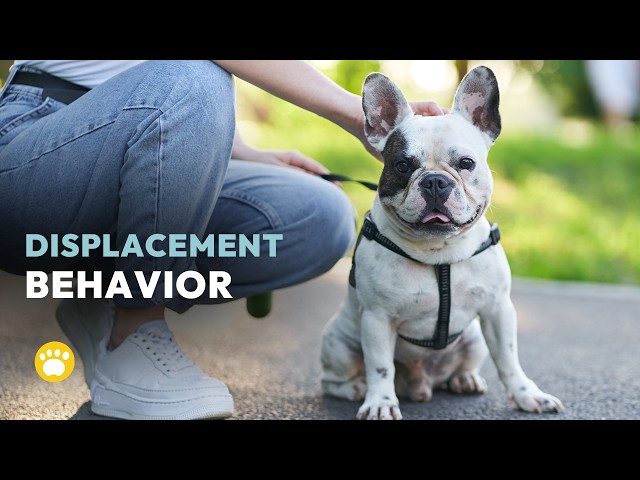
Displacement behavior in dogs is a way they act when they feel confused or stressed. These actions help dogs calm down or avoid conflict.
Understanding these behaviors can help owners respond better to their dogs’ needs and feelings.
Context Matters
The situation around a dog is key to understanding displacement behavior. The same action can mean different things in different places or times.
For example, a dog licking its lips might be nervous before meeting a stranger but relaxed after eating.
- Look at what is happening around the dog
- Notice who or what the dog is near
- Think about the dog’s recent experiences
Recognizing Subtle Signs
Displacement behaviors are often small and easy to miss. These subtle signs show a dog’s inner feelings without loud actions.
Common subtle signs include yawning, scratching, or looking away. These can mean the dog feels unsure or stressed.
- Yawning when not tired
- Scratching without itch
- Turning head or looking away
- Sniffing the ground suddenly
How To Respond To Displacement Signals
Dogs use displacement behaviors to cope with stress or confusion. These signals help them manage uncomfortable feelings.
Understanding how to respond calmly can improve your dog’s comfort and reduce stress.
Reducing Stress Triggers
Identify what causes your dog to feel uneasy or confused. Avoid situations that make your dog nervous or scared.
Keep your dog’s environment calm and predictable to lower stress levels.
- Limit loud noises or sudden movements
- Keep interactions gentle and slow
- Provide a safe space for your dog to retreat
- Maintain a regular feeding and walking schedule
Calming Techniques
Use calming methods to help your dog feel more relaxed. Speak in a soft voice and use gentle petting.
Offer chew toys or distractions to redirect their focus from stress.
- Practice slow, deep breathing near your dog
- Play soothing music or white noise
- Use calming scents like lavender (safe for dogs)
- Give your dog time to settle without pressure
When To Seek Professional Help
If your dog shows frequent displacement behaviors, consult a vet or trainer. Persistent stress could signal deeper issues.
Professional advice can guide you to manage your dog's anxiety effectively.
- Signs of extreme fear or aggression
- Displacement signals last for long periods
- Behavior disrupts daily life or safety
- Difficulty calming your dog at home
Preventing Stress In Dogs
Dogs use displacement behaviors to cope with stress. These actions help them feel calmer. Preventing stress can reduce these behaviors.
Understanding how to keep your dog relaxed improves their health and happiness. Use simple ways to create a safe and calm life for your pet.
Creating A Safe Environment
Dogs feel less stressed in a safe and quiet space. Give your dog a place to rest and hide. Avoid loud noises and sudden changes.
- Provide a cozy bed in a quiet room
- Keep a routine for feeding and walking
- Remove any harmful or scary objects
- Use soft lighting and calm sounds
- Allow your dog to have alone time
Positive Training Approaches
Use kindness and patience when training your dog. Avoid harsh punishments that cause fear. Reward good behavior with treats and praise.
- Start with short training sessions
- Use clear commands and simple words
- Give treats immediately after good actions
- Ignore unwanted behavior calmly
- Repeat training daily for consistency
Regular Health Checkups
Stress can come from health problems. Visit the vet often to catch any issues early. Keep vaccinations and parasite control up to date.
| Health Check | Purpose | How Often |
| General Exam | Detect illness early | Once or twice a year |
| Vaccinations | Prevent diseases | As recommended by vet |
| Dental Care | Keep teeth healthy | At least once a year |
| Parasite Control | Protect from fleas and ticks | Monthly or seasonal |
Frequently Asked Questions
What Is Displacement Behavior In Dogs?
Displacement behavior in dogs is an action shown during stress or conflict. It helps the dog calm down. Common signs include yawning, scratching, or licking. These behaviors redirect the dog’s emotional tension. Understanding this helps improve communication with your pet.
Why Do Dogs Show Displacement Behavior?
Dogs show displacement behavior to relieve anxiety or confusion. It acts as a coping mechanism during conflicting emotions. This behavior prevents aggression or fear from escalating. Recognizing these signs helps owners address their dog’s emotional needs effectively.
How Can I Stop My Dog’s Displacement Behavior?
You can reduce displacement behaviors by creating a calm environment. Avoid stressful situations and use positive reinforcement. Training and socialization build confidence in your dog. Consult a professional if behaviors persist or worsen.
Is Displacement Behavior Harmful To Dogs?
Displacement behavior is not harmful; it’s a natural stress response. However, frequent signs may indicate ongoing anxiety. Monitoring your dog’s behavior can prevent stress-related health issues. Early intervention ensures your dog’s well-being and comfort.
Conclusion
Displacement behavior in dogs shows how they handle stress and confusion. Watching these actions helps you understand your dog’s feelings better. These behaviors are normal and signal your dog’s inner thoughts. Stay calm and patient when your dog shows displacement actions.
This helps build trust and a stronger bond. Knowing these signs keeps your dog happy and safe. Simple attention to behavior improves your pet’s well-being every day. Keep learning to support your dog in all situations.

Emily Barker is the founder of ChillDogLife.com, a space dedicated to helping pup parents discover the best dog products, lifestyle tips, and cozy ideas for happier homes.
A lifelong dog lover, Emily combines her passion for pets with a knack for research to share trusted recommendations on everything from toys and furniture to health and everyday care.
Her goal is simple: to make life easier, stylish, and more joyful for dogs and the people who love them.




