
Have you ever noticed your dog nibbling on its bed and wondered why? It can be confusing and even a little worrying to see your furry friend chewing on something that’s meant to be comfy and safe.
But don’t worry—your dog’s nibbling behavior has reasons behind it, and understanding them can help you keep your pet happy and healthy. You’ll discover the surprising causes of this habit and learn simple ways to address it. Keep reading to find out what your dog is really trying to tell you!
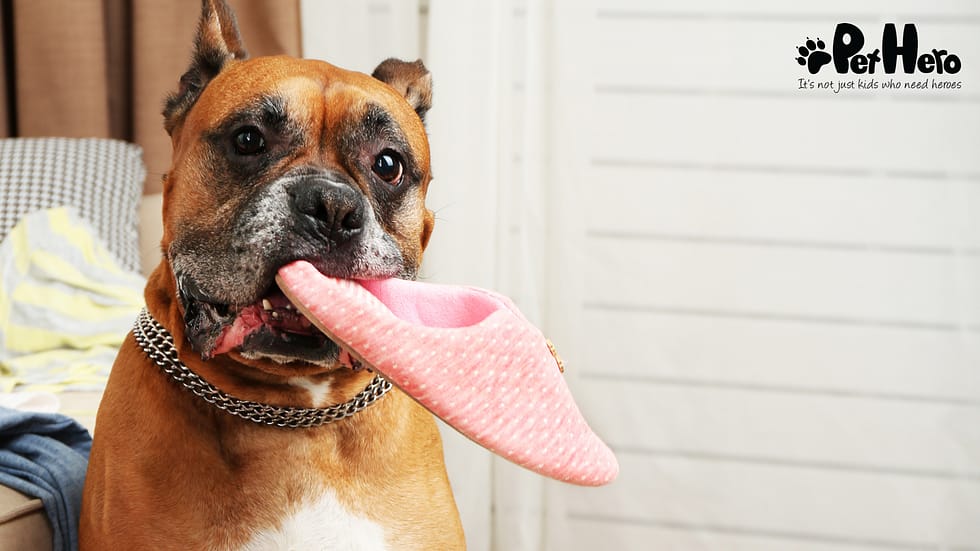
Credit: pethero.co.za
Common Reasons For Bed Nibbling
Noticing your dog nibbling on its bed can be puzzling. This behavior might seem harmless, but it often signals something deeper. Understanding the common reasons behind bed nibbling can help you address your dog’s needs better.
Natural Instincts And Comfort
Your dog’s bed is more than just a resting spot. Nibbling can stem from instinctual behaviors like digging or nesting. Dogs in the wild often nibble or rearrange their sleeping area to create a cozy, safe environment.
Have you observed your dog rearranging its bed before settling down? This simple act is often comforting and calming for them, rooted in their natural instincts.
Boredom And Lack Of Stimulation
Dogs need mental and physical activity to stay happy. If your dog nibbles on its bed frequently, it might be a sign of boredom. Without enough stimulation, your dog looks for ways to entertain itself.
Try increasing playtime or introducing new toys. You might find that nibbling decreases when your dog’s mind is engaged.
Anxiety And Stress Relief
Nibbling can also be a coping mechanism for anxiety or stress. Changes in environment, loud noises, or separation can trigger this behavior. Your dog might nibble to soothe itself and release tension.
Ask yourself if recent events could have unsettled your dog. Offering comfort and a secure space can reduce stress-induced nibbling.
Teething And Oral Discomfort
Young dogs and puppies often nibble due to teething pain. The pressure on their gums can make them seek relief through chewing or nibbling. Older dogs might also nibble if they have dental problems.
If your dog’s nibbling seems focused on the bed’s fabric, consider checking their teeth. Providing appropriate chew toys can ease discomfort and protect your dog’s bed.
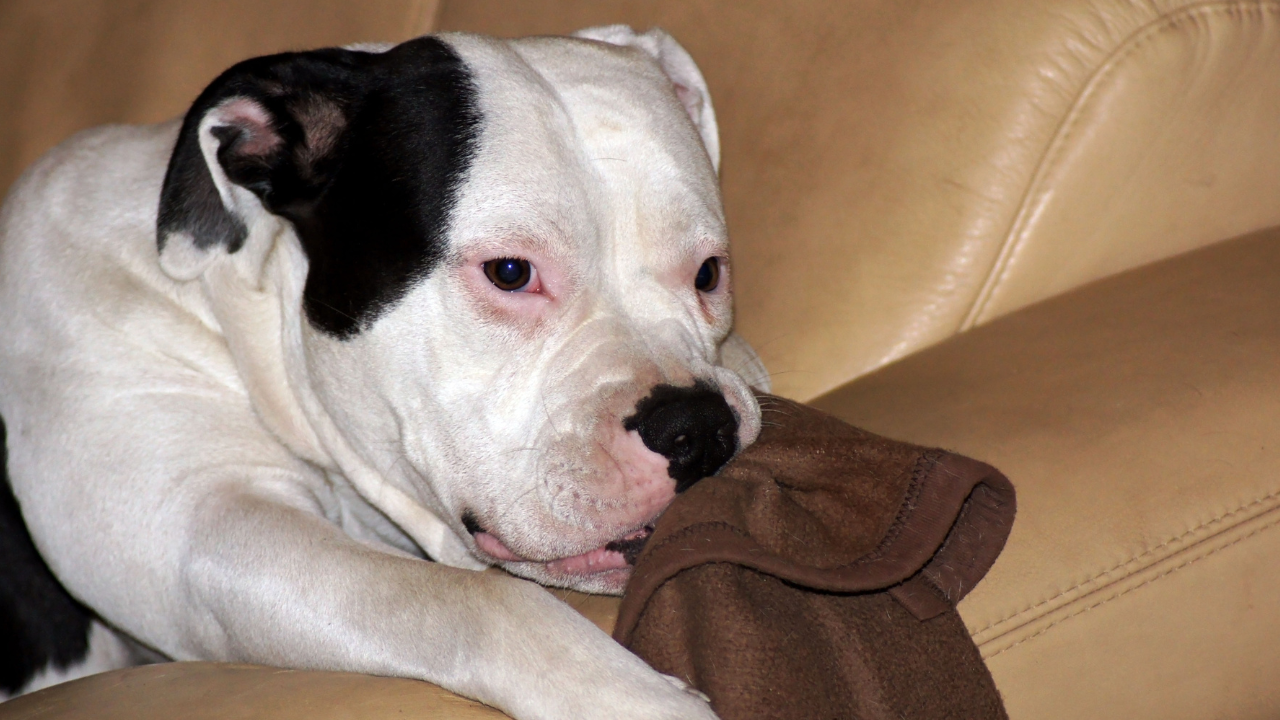
Credit: pethelpful.com
Health Issues Linked To Chewing
Chewing on their bed might seem like a harmless quirk, but it can sometimes signal underlying health problems in your dog. Understanding these health issues can help you address the root cause and improve your dog’s comfort and well-being. Have you ever noticed your dog nibbling more when they’re itchy or restless? This behavior might be more than just boredom.
Allergies And Skin Irritations
Dogs often chew their beds if they feel itchy from allergies or skin irritations. Allergies can come from food, pollen, or even materials in the bedding itself. When your dog can’t scratch certain spots easily, they might nibble on their bed to relieve the itch.
If you spot red, flaky skin or hair loss near the chewing area, allergies could be the culprit. You might want to check if your dog’s bed is made of hypoallergenic material or wash it more frequently to reduce allergens. Have you tried changing your dog’s diet or environment to see if the chewing stops?
Dental Problems
Dental pain can make your dog chew on soft objects like their bed to soothe sore gums. Issues like tooth decay, gum disease, or broken teeth often cause discomfort. If your dog suddenly starts nibbling more than usual, a dental check-up is a good idea.
Look for signs like bad breath, drooling, or difficulty eating alongside the bed chewing. Sometimes, dogs use chewing as a way to massage their gums and reduce pain. Have you noticed your dog avoiding their regular food or pawing at their mouth?
Gastrointestinal Concerns
Chewing can also be linked to stomach or digestive problems. Dogs may nibble on their beds when they feel nauseous or have an upset stomach. This odd behavior might help them cope with discomfort in their tummy.
If your dog shows signs like vomiting, diarrhea, or loss of appetite along with bed chewing, a vet visit is necessary. Sometimes, chewing can indicate that your dog is trying to distract themselves from nausea or pain. Have you considered whether changes in diet or stress could be affecting your dog’s digestion?
Behavioral Triggers To Consider
Dogs nibbling their beds can show different behaviors. Understanding these triggers helps to know why your dog acts this way. Some actions are linked to how dogs communicate or feel safe.
Attention-seeking Actions
Nibbling can be a way for dogs to get noticed. They may feel lonely or bored and want your focus. This behavior often increases if the dog feels ignored. Dogs learn that nibbling their bed brings you closer or starts playtime.
Territorial Marking
Dogs use their mouth to mark their space. Nibbling their bed can spread their scent and claim it as their own. This is a natural instinct to protect their safe spot. It helps them feel secure in their environment.
Habit Formation And Repetition
Nibbling may start as a small habit and grow over time. Repeating the action makes it a comfort routine for the dog. This behavior can help reduce stress or anxiety. Dogs often find comfort in familiar patterns like this.
How To Manage And Redirect Nibbling
Managing and redirecting your dog’s nibbling behavior helps keep their bed safe and your home peaceful. Understanding how to guide your dog’s energy and focus is key. Simple actions make a big difference in reducing unwanted nibbling.
Providing Appropriate Chew Toys
Offer your dog a variety of chew toys. Toys made of rubber, nylon, or soft fabric work well. Rotate toys often to keep your dog interested. Chew toys satisfy natural urges and protect your bed from damage.
Increasing Physical And Mental Exercise
Give your dog more chances to run and play. Walks, fetch, and agility games help burn energy. Mental games like puzzle feeders or training sessions stimulate the mind. A tired dog is less likely to nibble on things.
Creating A Calm Environment
Keep your dog’s resting area quiet and cozy. Soft lighting and a comfortable bed encourage relaxation. Avoid loud noises and sudden movements near their space. A calm environment reduces stress that may cause nibbling.
Using Positive Reinforcement
Praise your dog when they chew toys, not the bed. Use treats and kind words to reward good behavior. Redirect nibbling gently to a toy without scolding. Positive reinforcement builds trust and encourages better habits.
When To Consult A Veterinarian Or Trainer
Recognizing when to seek expert advice helps protect your dog's health and happiness. Persistent nibbling on their bed might signal something more serious. Understanding key signs guides timely action.
Signs Of Underlying Medical Issues
Watch for sudden changes in behavior or appetite. Excessive licking or nibbling may indicate allergies or skin irritation. Limping or sensitivity around the mouth can suggest dental problems. Unusual drooling or pawing at the face also need attention. These signs require a vet’s examination to rule out illness or discomfort.
Persistent Or Destructive Chewing
Chewing that damages the bed or household items is a concern. If nibbling worsens despite toys and distractions, it might reflect anxiety or boredom. Constant chewing can harm teeth and gums, leading to pain. A professional can help identify if the chewing is a symptom of stress or other behavioral issues.
Professional Behavioral Support
Trainers and behaviorists offer strategies to curb unwanted nibbling. They assess triggers and teach alternative habits. Training can reduce anxiety and improve your dog’s comfort. Early intervention prevents bad habits from becoming permanent. Experts tailor plans to fit your dog’s unique needs and personality.

Credit: dope.dog
Frequently Asked Questions
Why Does My Dog Chew Its Bed?
Dogs chew their beds for comfort or to relieve anxiety. It might also be due to boredom or teething. Providing chew toys and regular exercise can help reduce this behavior. Monitor your dog's behavior to identify any underlying issues.
Is Bed Nibbling A Sign Of Stress?
Yes, bed nibbling can indicate stress or anxiety in dogs. Changes in their environment or routine might trigger this behavior. Providing a consistent routine and a safe space can help alleviate stress. Consult a veterinarian if the behavior persists.
How Can I Stop My Dog From Nibbling?
To stop nibbling, provide appropriate chew toys and engage your dog in regular physical activities. Training commands such as “leave it” can redirect their attention. Consistency and patience are key. If the issue continues, seek professional advice.
Are There Health Concerns With Bed Nibbling?
Excessive bed nibbling can lead to dental issues or ingesting harmful materials. It’s essential to ensure your dog's safety by providing durable, non-toxic bedding. Regular veterinary check-ups can help address any health concerns related to this behavior.
Conclusion
Dogs nibble their beds for many reasons. Sometimes, they feel bored or stressed. Other times, they want to make their space more comfortable. Watching your dog closely helps you understand their behavior better. Try giving them toys or extra attention.
A happy dog chews less and rests more. Remember, small changes can improve your dog’s comfort and mood. Keep caring and observe what works best for your furry friend. This way, you build a stronger bond with your pet every day.

Emily Barker is the founder of ChillDogLife.com, a space dedicated to helping pup parents discover the best dog products, lifestyle tips, and cozy ideas for happier homes.
A lifelong dog lover, Emily combines her passion for pets with a knack for research to share trusted recommendations on everything from toys and furniture to health and everyday care.
Her goal is simple: to make life easier, stylish, and more joyful for dogs and the people who love them.




