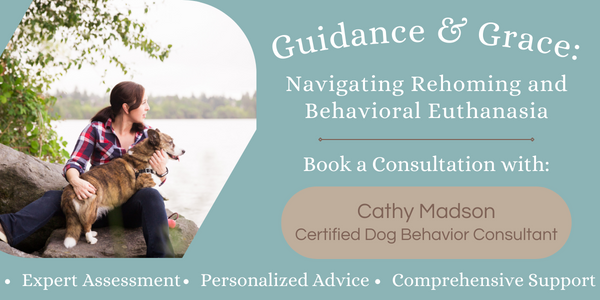
Facing tough decisions about your dog’s behavior can feel overwhelming. When your furry friend’s actions become dangerous or uncontrollable, you might wonder if behavioral euthanasia is the right path.
This topic is heavy, but understanding it clearly can help you make the best choice for your pet’s well-being and your peace of mind. Keep reading to learn what behavioral euthanasia means, when it might be necessary, and how to approach this difficult situation with compassion and care.
Your dog deserves that clarity—and so do you.

Credit: zoeta-dogsoul.com
Recognizing Behavioral Issues
Dogs may show signs of behavioral problems at any age. These issues can affect their quality of life and safety.
It is important to spot these behaviors early. Understanding the signs helps owners make better choices for their pets.
Common Problem Behaviors
Some behaviors are normal but may become a problem if they happen too often or too strong. These include:
- Excessive barking or howling
- Destructive chewing or digging
- Fear or anxiety around people or other animals
- Repeated aggression or growling
- House soiling or not following commands
When Behavior Becomes Dangerous
Dangerous behavior can harm the dog, family, or others. It needs quick attention and sometimes tough decisions.
| Behavior | Possible Risk | Signs to Watch |
| Biting | Injury to people or pets | Snapping, lunging, growling |
| Severe aggression | Escalation to attacks | Unprovoked attacks, intense staring |
| Self-harm | Physical injury to dog | Chewing skin, scratching wounds |
| Escaping | Lost or hit by cars | Jumping fences, running away |
Impact On Family And Pets
Behavioral problems affect everyone in the home. Stress and fear can grow if issues are not solved.
Signs that behavior harms the family include:
- Children afraid to be near the dog
- Other pets hiding or acting scared
- Family members feeling unsafe
- Damage to home or belongings
- Loss of trust between dog and owner

Credit: www.amazon.com.be
Evaluating Treatment Options
Choosing the right treatment for a dog with behavioral issues takes careful thought. Each option has benefits and challenges.
Understanding different methods helps pet owners and professionals decide what works best for the dog’s well-being.
Behavioral Therapy Approaches
Behavioral therapy uses training and exercises to change unwanted actions. This method focuses on rewards and gentle corrections.
- Positive reinforcement to encourage good behavior
- Desensitization to reduce fear or anxiety triggers
- Counter-conditioning to replace negative responses with positive ones
- Consistency in commands and routines
Medication For Behavioral Problems
Sometimes, medicine helps manage anxiety, aggression, or compulsive behavior. It is not a cure but supports other treatments.
| Medication Type | Purpose | Common Side Effects |
| Anti-anxiety drugs | Reduce stress and fear | Sleepiness, dry mouth |
| Antidepressants | Improve mood and reduce aggression | Loss of appetite, lethargy |
| Anti-compulsive drugs | Control repetitive behaviors | Digestive upset, dizziness |
Role Of Professional Trainers
Trainers help guide owners and dogs through behavior change. They teach proper techniques and create plans tailored to the dog.
Professional trainers offer:
- Personalized training sessions
- Support with problem behaviors
- Advice on consistency and timing
- Tools for long-term success
When Euthanasia Becomes Considered
Deciding on euthanasia for a dog is a hard choice. It often comes after careful thought about the dog’s health and comfort.
Owners may consider euthanasia when their dog’s quality of life is very low or when pain cannot be managed.
Signs It’s Time To Decide
Dogs show signs when they are suffering or near the end of life. Watch for changes in behavior and health.
Signs include loss of appetite, difficulty breathing, and inability to move or stand. These indicate serious problems.
- Loss of interest in favorite activities
- Chronic pain that does not improve
- Severe weight loss or muscle loss
- Frequent vomiting or diarrhea
- Confusion or disorientation
Balancing Quality Of Life
Quality of life is about comfort, happiness, and freedom from pain. It helps guide the euthanasia decision.
Owners should look at how much their dog enjoys daily life and if it can still do things it loves.
- Can the dog eat and drink normally?
- Is the dog able to walk or move comfortably?
- Does the dog respond to people and play?
- Is the dog free from constant pain?
- Does the dog sleep well and rest peacefully?
Ethical And Emotional Factors
Choosing euthanasia brings strong feelings. Owners want to do what is best for their dog.
It is important to consider the dog’s suffering and the impact on the family. Talking with a vet helps.
- Think about the dog’s pain and distress
- Consider the emotional toll on family members
- Discuss options and prognosis with a veterinarian
- Respect the dog’s dignity and comfort
- Make a choice that feels right and caring
Making Compassionate Choices
Deciding on euthanasia for a dog is never easy. It is a deeply emotional choice that requires care and thought.
Understanding your dog’s behavior and quality of life helps make the right decision. Compassion guides this process.
Involving The Whole Family
Every family member may feel differently about euthanasia. Including everyone helps share feelings and thoughts.
Talking openly creates support and respects each person’s bond with the dog. It eases the emotional burden.
- Hold a family meeting to discuss feelings
- Encourage children to express their emotions
- Respect each person’s view on the dog’s behavior
- Decide together on the best path forward
Consulting Veterinarians And Specialists
Veterinarians can explain the dog’s health and behavior clearly. They offer advice based on experience.
Specialists in animal behavior can help understand difficult actions and pain signs. Their input is valuable.
- Ask about the dog’s pain and comfort levels
- Request behavior evaluations if needed
- Discuss all treatment options before deciding
- Get a clear prognosis for quality of life
Preparing For The Decision
Preparing emotionally and practically helps ease the process. It gives you time to say goodbye properly.
Gather memories, favorite toys, and a quiet space for comfort. Plan the timing that feels right for your dog.
- Create a calm, familiar environment
- Allow family members to be present if they want
- Have tissues and comfort items ready
- Discuss what will happen during and after euthanasia
Coping With Loss
Losing a dog due to behavioral euthanasia is deeply painful. It brings complex emotions for pet owners.
Understanding grief and finding ways to cope can help ease this difficult time.
Grieving After Behavioral Euthanasia
Grief after euthanasia can feel overwhelming. Feelings of sadness, guilt, or relief may come.
- Allow yourself to feel all emotions without judgment
- Talk about your feelings with trusted friends or family
- Write down memories to help process your loss
- Avoid rushing the grieving process; healing takes time
Support Resources For Pet Owners
Support can make grief easier. Several resources offer comfort and guidance.
| Resource | Description |
| Pet Loss Support Groups | Meet others who understand your pain |
| Counseling Services | Professional help for coping with grief |
| Online Forums | Share stories and advice with pet owners |
| Books and Articles | Information on pet loss and healing |
Honoring Your Dog’s Memory
Finding ways to honor your dog helps keep their memory alive. It can bring comfort and peace.
Consider these ideas:
- Create a photo album or scrapbook
- Plant a tree or flower in their memory
- Make a donation to an animal charity
- Hold a small memorial with friends or family

Credit: www.petscare.com
Frequently Asked Questions
What Is Dog Behavioral Euthanasia?
Dog behavioral euthanasia is the humane ending of a dog’s life due to severe behavioral issues. It is considered when aggression or anxiety poses risks to people or other animals. This decision is made after exhausting all behavioral treatments.
When Is Dog Behavioral Euthanasia Recommended?
It is recommended when a dog’s behavior is dangerous and uncontrollable despite training and medication. If the dog poses serious harm risks, euthanasia may be the safest option for all involved.
How Is Behavioral Euthanasia Performed In Dogs?
Behavioral euthanasia is performed by a veterinarian using a painless injection. The process is quick, peaceful, and designed to minimize suffering for the dog.
Can Dog Behavior Improve After Euthanasia Decision?
Once euthanasia is decided, improvement is unlikely as the dog’s condition is severe. The decision is based on thorough evaluation and failed treatments.
Conclusion
Deciding on behavioral euthanasia for a dog is very hard. It is a choice made with love and care. Understanding your dog’s pain and safety matters most. Talk openly with your vet and family. Focus on your dog’s comfort and quality of life.
Remember, this decision shows deep respect for your pet. Trust your heart and knowledge to guide you. Caring for your dog means making tough but kind choices.

Emily Barker is the founder of ChillDogLife.com, a space dedicated to helping pup parents discover the best dog products, lifestyle tips, and cozy ideas for happier homes.
A lifelong dog lover, Emily combines her passion for pets with a knack for research to share trusted recommendations on everything from toys and furniture to health and everyday care.
Her goal is simple: to make life easier, stylish, and more joyful for dogs and the people who love them.




