
Are you ready to make a real difference in a dog’s life? Fostering a dog near you is a wonderful way to provide a loving temporary home and help a furry friend find their forever family.
But where do you start? How do you find the right dog to foster, and what does it really take to care for one? This guide will walk you through everything you need to know to become the perfect foster pet parent.
Keep reading, and discover how you can change a dog’s world—and yours—one paw at a time.

Credit: www.oaklandanimalservices.org
Benefits Of Dog Fostering
Fostering a dog near you opens up a world of benefits that go far beyond simply providing a temporary home. It’s a unique opportunity that allows you to make a real difference in a dog’s life while gaining valuable experience and connecting with your community. If you’re wondering why fostering matters, consider the powerful impact it has on both the dogs and the people involved.
Helping Dogs In Need
Fostering gives vulnerable dogs a safe place to recover from trauma, illness, or abandonment. Your home becomes a stepping stone toward their forever family. Imagine the relief a scared, homeless dog feels when it experiences kindness and stability—your care can literally save lives.
Have you thought about how many dogs wait in shelters because they lack temporary homes? By fostering, you free up space and resources, making room for more animals in urgent need. It’s a hands-on way to fight overcrowding and improve animal welfare in your area.
Gaining Experience With Pets
Fostering sharpens your skills in dog care, training, and behavior management. You get to observe different breeds and temperaments closely, learning what works best for each dog. This hands-on experience is invaluable if you’re considering adopting your own pet or pursuing a career with animals.
What’s more, fostering teaches patience and empathy—qualities that improve your bond with any pet you care for. You’ll also gain confidence in handling medical needs or emergencies, which many pet owners find intimidating at first.
Strengthening Community Bonds
Fostering connects you with local rescue groups, veterinarians, and fellow animal lovers. These relationships build a support network that enriches your social life and broadens your perspective on community involvement.
Have you noticed how shared causes bring people together? By fostering, you become part of a team dedicated to improving lives. This sense of purpose can make your neighborhood feel more like home.
Finding Local Foster Opportunities
Finding local foster opportunities helps dogs find safe homes quickly. It also gives you a chance to care for a dog in need. Many places need foster homes for dogs of all sizes and ages. Knowing where to connect makes the process easier and more rewarding.
Connecting With Animal Shelters
Animal shelters often seek foster homes to reduce overcrowding. Shelters provide basic training and supplies to new fosters. Visit or call your nearby shelter to ask about foster programs. Staff can guide you through the application and approval steps. Shelters appreciate foster families who offer love and care during a dog’s transition.
Exploring Rescue Groups
Rescue groups focus on specific breeds or types of dogs. These groups rely heavily on foster homes to care for dogs before adoption. Join local rescue group meetings or follow their social media pages. Rescue volunteers can answer questions and share foster opportunities. Many rescues provide medical care and support for foster dogs.
Using Online Platforms
Online platforms list foster opportunities near your location. Use websites dedicated to pet adoption and fostering to find openings. Create a profile and specify your preferences and experience. These platforms match you with dogs needing temporary homes. They also offer resources and tips for new foster caregivers.
Preparing Your Home For A Foster Dog
Preparing your home for a foster dog creates a welcoming and secure environment. This step helps the dog feel comfortable and safe from day one. Simple changes can make a big difference in the dog's behavior and adaptation.
Creating A Safe Space
Choose a quiet area in your home for the dog’s space. Use a comfortable bed or crate to give a sense of security. Remove any sharp or dangerous objects nearby. Make sure the space is free from loud noises or heavy foot traffic. This space should be easy for the dog to access and leave as needed.
Gathering Necessary Supplies
Prepare essentials before the dog arrives. Some important items include:
- Food and water bowls
- Leash and collar
- Dog bed or crate
- Toys for chewing and playing
- Cleaning supplies for accidents
Having these items ready helps reduce stress for both you and the dog.
Setting Boundaries And Rules
Decide house rules early to maintain consistency. Choose areas where the dog can and cannot go. Explain rules to everyone in the household. Keep feeding and walking times regular and clear. Consistent rules help the dog adjust faster and behave well.
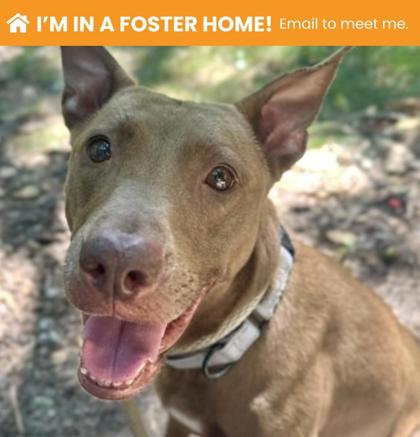
Credit: www.barcs.org
Caring For Your Foster Dog
Caring for your foster dog is a rewarding experience. It needs patience, love, and attention. Every dog has unique needs. Knowing how to meet those needs builds trust and comfort. This section covers key areas to help your foster dog thrive.
Feeding And Nutrition Tips
Choose high-quality dog food suited to your dog's age and size. Follow feeding guidelines on the packaging. Offer meals at regular times daily. Avoid giving table scraps or harmful foods. Provide fresh water at all times. Monitor your dog’s weight and adjust food as needed.
Exercise And Socialization
Exercise keeps your foster dog healthy and happy. Daily walks or play sessions help burn energy. Introduce your dog slowly to new people and animals. Use calm, gentle encouragement to build confidence. Socialization prevents fear and anxiety. Respect your dog’s comfort level during new experiences.
Monitoring Health And Behavior
Watch for signs of illness like coughing, vomiting, or lethargy. Check your dog’s coat, eyes, and ears regularly. Note changes in appetite or bathroom habits. Observe behavior for signs of stress or fear. Report health concerns to the foster organization promptly. Keep a daily journal to track your dog’s progress.
Communicating With Rescue Organizations
Clear and regular communication with rescue organizations helps ensure the foster dog’s well-being. It builds trust and creates a smooth fostering experience. Share updates, ask questions, and follow guidelines to support the dog’s care and adoption process.
Reporting Progress And Challenges
Provide frequent updates about the dog’s behavior and health. Mention any improvements or new habits. Share challenges like anxiety or eating issues openly. Rescue groups can offer advice or resources to help solve problems quickly.
Scheduling Veterinary Visits
Coordinate with the rescue to plan vet appointments. Keep them informed about vaccination and check-up dates. Report any health concerns or injuries immediately. This ensures the dog gets the right medical care on time.
Coordinating Adoption Efforts
Work closely with the rescue to prepare the dog for adoption. Share photos and videos to attract potential adopters. Help arrange meet-and-greet sessions when possible. Clear communication speeds up finding a loving home for the dog.
Handling Common Challenges
Handling common challenges is part of fostering a dog near you, but it doesn’t have to be overwhelming. Every foster dog brings a unique set of needs and behaviors, which means your approach should be flexible and patient. Understanding these challenges and preparing for them can make your fostering experience smoother and more rewarding.
Dealing With Separation Anxiety
Separation anxiety is common in foster dogs, especially those adjusting to a new environment. You might notice pacing, whining, or destructive behavior when you leave the room. To help, start by leaving your dog alone for very short periods, gradually increasing the time.
Offering a special toy or treat only when you go away can create a positive association with your absence. Have you tried playing calm music or leaving a piece of your clothing with your scent? These small comforts can reduce stress and build trust over time.
Managing Behavioral Issues
Behavioral challenges like barking, jumping, or house-soiling can test your patience. Instead of reacting harshly, focus on consistent training and clear communication. Use positive reinforcement to reward good behavior and gently redirect unwanted actions.
Keep a journal of behavior patterns to identify triggers. For example, does the dog bark more when visitors arrive or during thunderstorms? Understanding what sets off these behaviors helps you plan effective responses. Remember, behavior is a form of communication—what is your foster dog trying to tell you?
Balancing Foster Care And Personal Life
Fostering a dog demands time and energy, which can clash with your personal schedule. Setting a routine benefits both you and your foster dog, making daily activities predictable and less stressful. Plan walks, feeding, and playtime at consistent times each day.
Don’t hesitate to ask for help from friends or local foster networks when life gets busy. Can you set boundaries to protect your own time while still providing quality care? Finding this balance keeps you motivated and ensures your foster dog gets the attention it deserves.
Tips For A Successful Foster Experience
Fostering a dog near you can be a deeply rewarding experience, but it also requires thoughtful effort to ensure it goes smoothly for both you and the dog. Success in fostering comes down to building a strong connection, sharing the dog’s journey, and maintaining a calm mindset throughout the process. These tips will help you create a nurturing environment where your foster dog can thrive.
Building Trust With Your Foster Dog
Trust doesn’t happen overnight. Spend quiet moments near your foster dog without pushing for interaction—just being present can help them feel safe. Let the dog approach you on their terms, offering gentle praise and treats when they do.
Establishing a routine can also build security. Feeding, walks, and playtime at consistent times create predictability, which helps reduce anxiety. Have you noticed how dogs settle faster when they know what to expect next?
Documenting And Sharing Stories
Keeping a journal or photo album of your foster dog’s progress is more than just a memory keeper—it’s a powerful tool for adoption. Share these stories on social media or with the rescue group to highlight your foster dog’s personality and growth.
Detail small wins like the first time they wag their tail or relax during a car ride. These moments show potential adopters the dog’s true character and readiness for a forever home.
Staying Patient And Positive
Fostering can be challenging, especially when a dog is scared or hesitant. Your calm and positive attitude can be contagious and help the dog feel more confident. Ask yourself how you manage frustration in tough moments—your mindset can make all the difference.
Celebrate progress, no matter how small, and remind yourself that every step forward is a victory. Patience is key; many foster dogs just need time to adjust and show their best selves.

Credit: www.azhumane.org
Frequently Asked Questions
How Do I Start Fostering A Dog?
To start fostering, contact local shelters or rescue groups. They provide guidance and support. Complete an application and home check. Be prepared to provide love, care, and basic training. Fostering helps dogs find permanent homes.
What Are The Benefits Of Fostering A Dog?
Fostering offers several benefits. You provide a temporary home for a dog in need. It’s rewarding to help dogs find forever homes. Fostering also offers companionship and an opportunity to learn about dog care.
How Long Does Dog Fostering Usually Last?
Fostering duration varies. It can range from a few weeks to several months. The length depends on the dog’s needs and the adoption process. Discuss with the shelter to understand specific timeframes.
What Supplies Do I Need For Dog Fostering?
Basic supplies include food, water bowls, a leash, collar, and bed. Toys and grooming tools are also helpful. Some shelters provide supplies, so check with them. Ensure your home is safe and welcoming.
Conclusion
Fostering a dog near you helps save lives and brings joy. It gives dogs a safe place before they find homes. You learn about dog care and build a strong bond. Many shelters welcome foster families with open arms. Start small, and see how much you enjoy it.
Your kindness makes a big difference for a furry friend. Helping dogs in your community feels rewarding and meaningful. Consider fostering and become a hero to a dog today.

Emily Barker is the founder of ChillDogLife.com, a space dedicated to helping pup parents discover the best dog products, lifestyle tips, and cozy ideas for happier homes.
A lifelong dog lover, Emily combines her passion for pets with a knack for research to share trusted recommendations on everything from toys and furniture to health and everyday care.
Her goal is simple: to make life easier, stylish, and more joyful for dogs and the people who love them.




