Have you ever wondered what your dog is really trying to tell you? Understanding the behavior of dogs can unlock a whole new level of connection between you and your furry friend.
When you learn to read their body language, sounds, and actions, you’ll know exactly how they feel and what they need. This isn’t just about training—it’s about building trust and deepening your bond. Keep reading, and you’ll discover simple ways to recognize your dog’s moods, prevent problems, and make your time together even more rewarding.
Your dog is talking—are you ready to listen?

Credit: pupford.com
Canine Communication
Dogs use many ways to communicate with each other and with humans. Understanding these signals helps us know what they feel and want.
They do not speak with words but use their body, sounds, and smells to send messages. These signs are important for their safety and social life.
Body Language Signals
Dogs show their feelings by moving their bodies. Watching these signs helps us understand if they are happy, scared, or angry.
- Tail wagging:Usually means excitement or friendliness.
- Raised hackles:Can show fear or aggression.
- Relaxed ears:Indicates calmness and comfort.
- Stiff posture:May mean alertness or threat.
- Yawning or licking lips:Shows stress or nervousness.
Vocalizations And Their Meanings
Dogs use sounds like barks, growls, and whines to express their feelings. Each sound has a different meaning depending on the situation.
| Sound | Meaning |
| Bark | Alert or attention-seeking |
| Growl | Warning or threat |
| Whine | Stress or need for help |
| Howl | Long-distance communication |
| Yelp | Pain or surprise |
Scent And Its Role
Dogs use their strong sense of smell to share information. They leave scent marks to show territory or identify themselves.
Scent is a key part of dog communication. Here are some ways dogs use scent:
- Marking territory with urine
- Sniffing other dogs to learn about them
- Detecting emotions through sweat and breath
- Finding food and tracking prey
Common Dog Behaviors
Dogs display a range of behaviors that help them communicate. Understanding these behaviors can improve the bond between you and your dog.
From playing to showing signs of stress, each behavior has a purpose. Knowing what your dog is trying to convey can make interactions smoother.
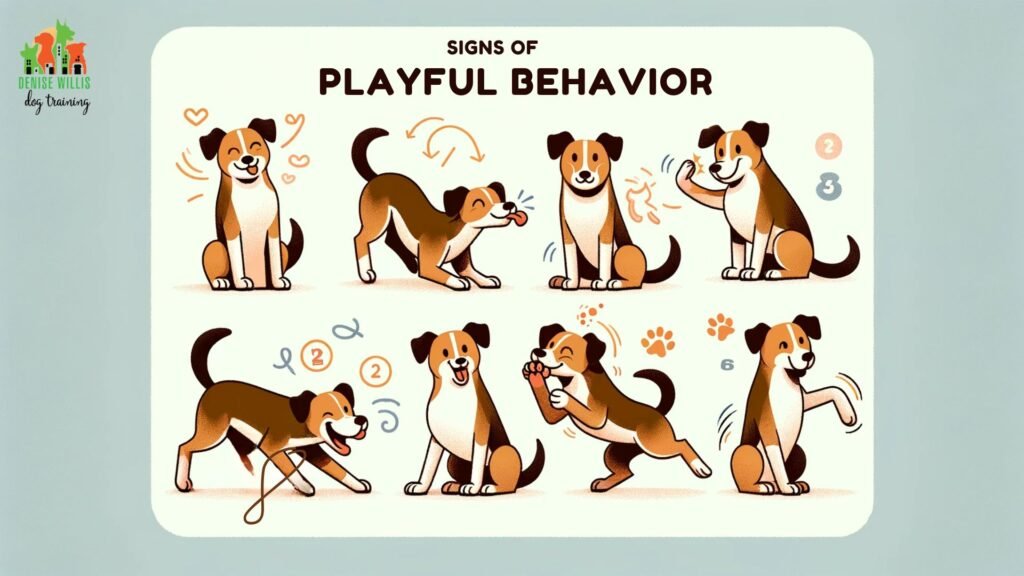
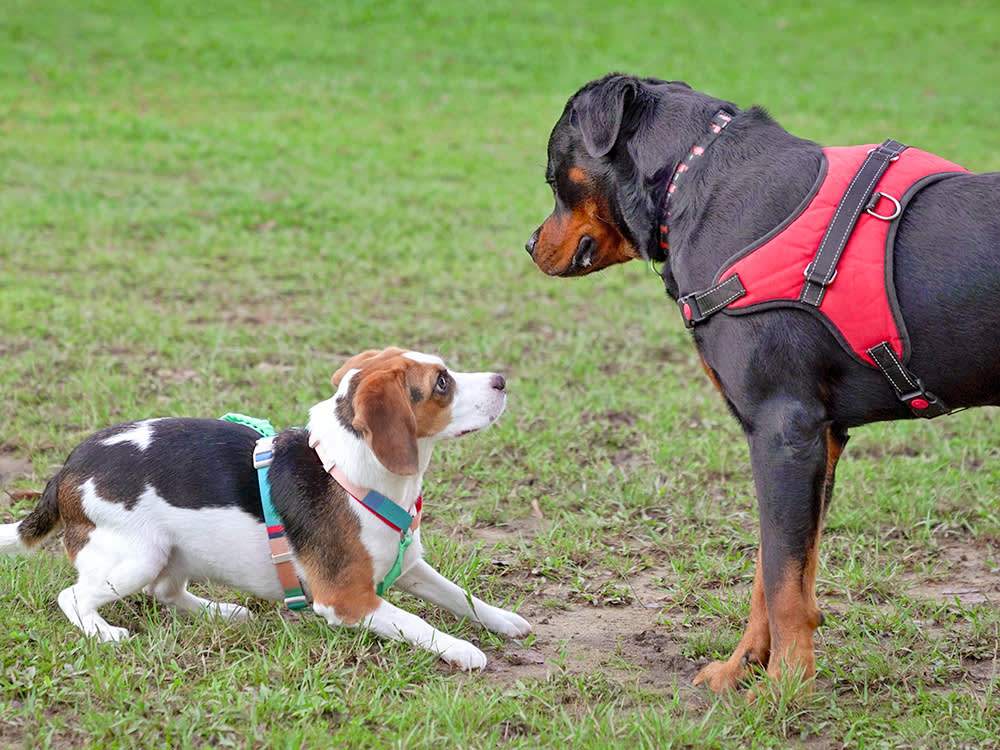
Play And Social Interaction
Dogs love to play. It helps them learn and socialize. Play includes activities like fetching, chasing, and tug-of-war.
Social interaction is important for dogs. It teaches them how to behave with other animals and humans. Dogs use body language and sounds to communicate during play.
- Wagging tail shows happiness
- Bowing position invites others to play
- Barking can mean excitement
Territorial Actions
Dogs are territorial animals. They often mark their territory by urinating on objects. This behavior is common in both male and female dogs.
Barking at strangers or new animals is another territorial action. It is their way of protecting their space from perceived threats.
- Sniffing around the yard
- Marking with urine
- Barking at intruders
Signs Of Stress And Anxiety
Dogs can feel stressed or anxious just like humans. Common signs include excessive panting, whining, or hiding.
Recognizing these signs can help you comfort your dog. Sometimes, dogs show stress by pacing or licking their paws repeatedly.
- Panting and drooling
- Whining or barking
- Hiding or avoiding contact
Training And Learning
Dogs learn new things through training. Training helps them behave well and understand commands.
Good training makes dogs happy and safe. It builds a strong bond between dogs and owners.
How Dogs Learn
Dogs learn by watching and repeating actions. They remember what happens after they act.
They use their senses to understand the world. Dogs learn best with clear signals and rewards.
Positive Reinforcement Techniques
Positive reinforcement means giving rewards for good behavior. It encourages dogs to repeat the action.
Treats, praise, and petting are common rewards. They help dogs feel happy and motivated.
- Give treats immediately after the good action
- Use calm and happy voice for praise
- Keep training sessions short and fun
- Be consistent with commands and rewards
Avoiding Common Mistakes
Do not punish dogs for mistakes. Punishment can cause fear and confusion.
Avoid giving mixed signals. Always use the same words and gestures for commands.
- Do not train when tired or angry
- Do not reward bad behavior
- Do not expect too much too soon
- Do not skip practice sessions
Breed-specific Traits
Dogs show different behaviors based on their breeds. These traits come from their history and jobs.
Understanding breed traits helps owners care for dogs better. It also improves training and bonding.
Herding And Working Dogs
Herding dogs are smart and alert. They like to control the movement of animals or people.
Working dogs are strong and loyal. They do tasks like pulling, guarding, and rescue work.
- Herding dogs need mental and physical exercise
- Working dogs respond well to clear commands
- Both types are protective of their family
Companion Breeds
Companion breeds focus on being friendly and social. They enjoy spending time with people.
These dogs often have calm behavior. They do well in homes and apartments.
- Companion dogs like gentle play and cuddling
- They usually get along well with children
- They may bark less than working breeds
Guard And Protection Dogs
Guard dogs are alert and watchful. They protect homes and families from threats.
Protection breeds show strong loyalty. They can be trained to follow strict commands.
- Guard dogs bark to warn of danger
- They need early socialization to control aggression
- They form strong bonds with their owners
Emotional Intelligence In Dogs
Dogs have a special ability to understand feelings. They can sense moods in humans and other animals. This skill helps them live closely with people.
Studying emotional intelligence in dogs shows how they connect with us. Their feelings guide their actions and help them respond well.
Recognizing Human Emotions
Dogs can read human faces and voices. They notice when a person is happy, sad, or angry. This helps dogs decide how to act.
- Dogs watch our eyes and mouth movements.
- They listen to the tone of our voice.
- They sense changes in our body language.
- These clues tell dogs what we are feeling.
Empathy And Bonding
Dogs feel empathy by sharing emotions with people. This feeling builds strong bonds between dogs and their owners. Empathy helps dogs comfort us in tough times.
| Behavior | What It Shows |
|---|---|
| Leaning on owner | Seeking closeness and comfort |
| Whining or nuzzling | Showing concern or sadness |
| Tail wagging | Expressing happiness and calm |
| Looking into eyes | Building trust and connection |
Behavioral Responses To Emotions
Dogs change their behavior based on feelings they sense. They may act differently if a person is upset or joyful.
- Dogs offer comfort by staying close during sadness.
- They play more when people are happy.
- Dogs may protect owners if they sense fear.
- They avoid conflict when they sense anger.
Credit: www.kinship.com
Health And Behavior
A dog’s health greatly affects how it acts every day. Good health helps dogs stay happy and active. Poor health can change their behavior in many ways.
Understanding the link between health and behavior helps owners care for their pets better. This guide covers three key areas that show this connection clearly.
Impact Of Physical Health
Physical health problems can cause changes in a dog’s mood and actions. Pain or illness might make dogs less social or more aggressive.
- Dogs in pain may hide or avoid contact.
- Illness can reduce energy and interest in play.
- Some health issues cause restlessness or pacing.
- Proper medical care often improves behavior.
Behavioral Changes With Age
As dogs grow older, their behavior shifts naturally. Aging can bring slower movements and less excitement.
| Age Range | Common Behavioral Changes |
|---|---|
| Puppy (0-1 year) | High energy, curious, may chew or nip |
| Adult (1-7 years) | Stable behavior, active, social |
| Senior (7+ years) | Slower, less active, may show confusion |
Common Behavioral Disorders
Some dogs develop behavioral problems that affect their well-being. These can be caused by genetics, health, or environment.
Here are common behavioral disorders in dogs:
- Separation anxiety:Stress when left alone.
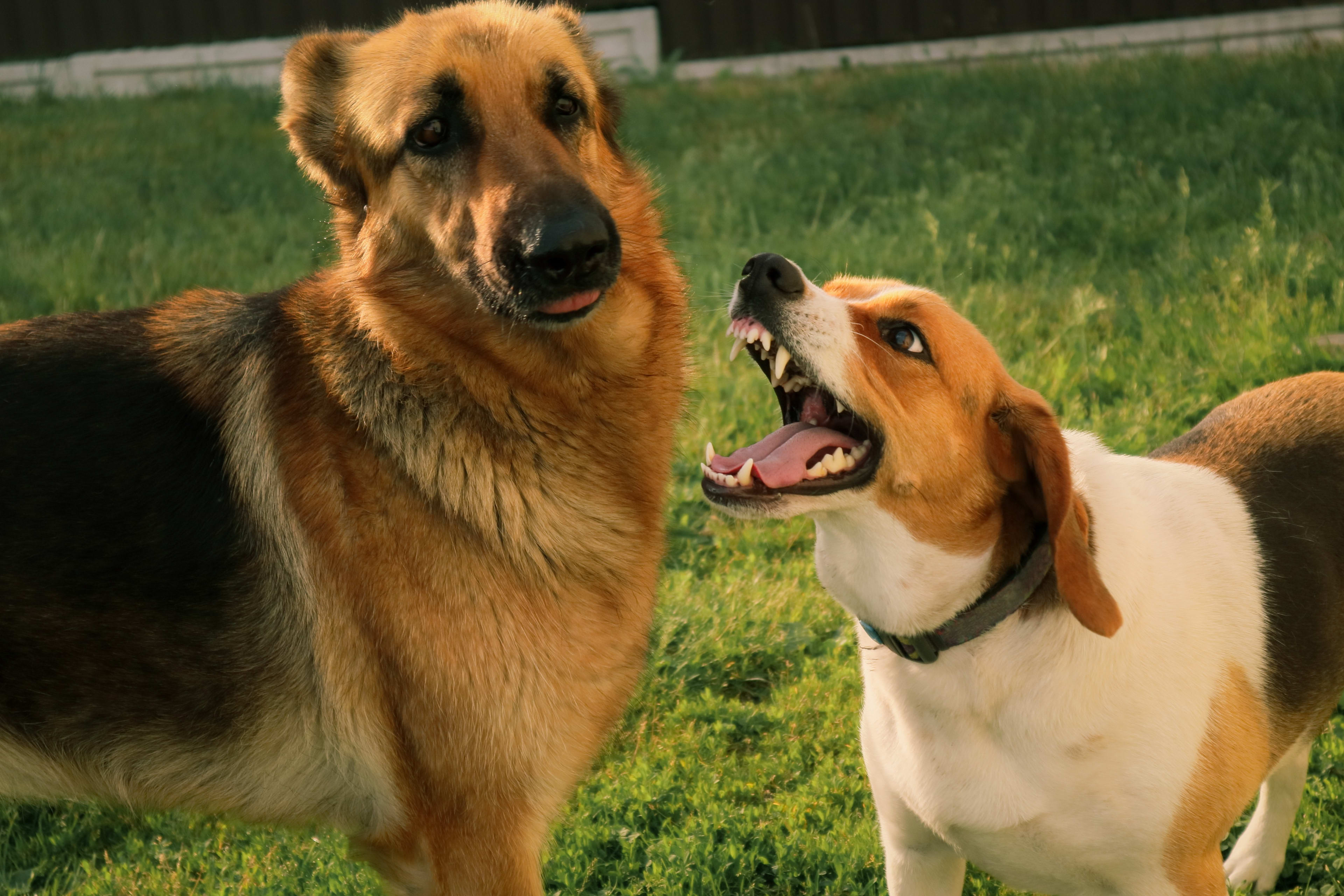
- Aggression:Hostile or threatening behavior.
- Obsessive-compulsive behavior:Repetitive actions like licking.
- Phobias:Fear of loud noises or new places.
Credit: pethelpful.com
Frequently Asked Questions
Why Do Dogs Wag Their Tails?
Dogs wag their tails to communicate emotions. A wagging tail often shows happiness or excitement. Tail position and speed also convey specific feelings like nervousness or aggression.
How Do Dogs Show Affection?
Dogs show affection through licking, nuzzling, and leaning against you. They may also follow you closely or bring toys to share. These behaviors indicate trust and bonding.
What Causes Aggressive Behavior In Dogs?
Aggression in dogs can stem from fear, pain, or territorial instincts. Lack of socialization and poor training also contribute. Identifying triggers helps manage and reduce aggressive behavior.
How Can I Understand My Dog’s Body Language?
Observe your dog’s posture, tail, ears, and eyes. Relaxed body signals comfort, while stiff posture and raised hackles indicate stress or aggression. Learning these cues improves communication.
Conclusion
Dogs show many behaviors that tell us how they feel. Watching their actions helps us understand their needs and moods. Each dog is unique, so learning their signals builds trust. Caring for a dog means paying attention to these signs daily.
This knowledge makes life better for both dogs and owners. Enjoy the special bond that grows from understanding your dog well.

Emily Barker is the founder of ChillDogLife.com, a space dedicated to helping pup parents discover the best dog products, lifestyle tips, and cozy ideas for happier homes.
A lifelong dog lover, Emily combines her passion for pets with a knack for research to share trusted recommendations on everything from toys and furniture to health and everyday care.
Her goal is simple: to make life easier, stylish, and more joyful for dogs and the people who love them.




