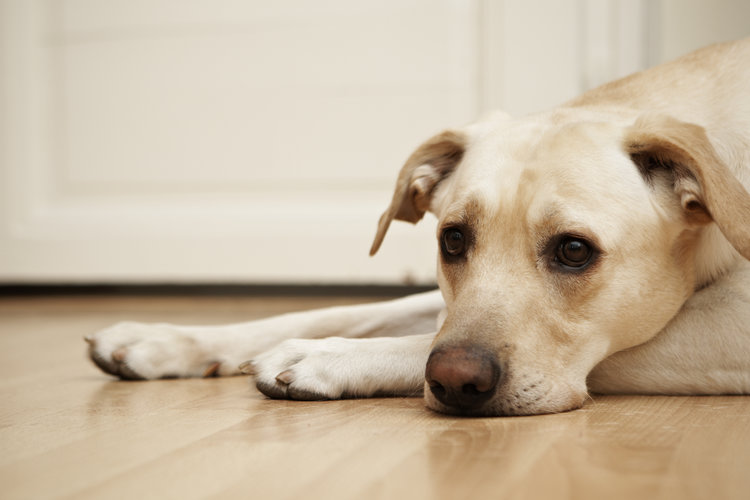
Have you noticed your dog acting differently lately? Maybe your playful pup is suddenly more withdrawn, or your calm companion has started barking more than usual.
These behavior changes in dogs can be confusing and even worrying for you. Understanding why your dog’s behavior shifts is key to keeping them happy and healthy. You’ll discover the common reasons behind these changes and learn simple ways to respond.
Keep reading to ensure you’re giving your furry friend the care they truly need.
Common Behavior Changes
Dogs may show different behaviors as they grow or face new situations. These changes can tell us about their health or feelings.
It is important to notice these behaviors early. Understanding them helps keep dogs happy and safe.
Increased Aggression
Some dogs may become more aggressive without clear reasons. This can include growling, snapping, or biting.
Aggression can be caused by pain, fear, or stress. Watch for signs and consult a vet if needed.
Excessive Barking
Barking more than usual can mean your dog is anxious or bored. It may also signal illness or discomfort.
- Alerting to sounds or strangers
- Seeking attention
- Expressing stress or pain
- Reacting to changes in the environment
Withdrawal And Hiding
A dog that hides or avoids people may feel scared or sick. This behavior shows they want to be alone.
- Staying in one quiet spot for long periods
- Ignoring calls or treats
- Not playing or moving much
Changes In Eating Habits
| Change | Possible Cause | What to Do |
| Eating less | Pain, illness, stress | Visit the vet for a checkup |
| Eating more | Stress, boredom, health issues | Monitor diet and exercise |
| Refusing food | Dental problems, nausea | Check teeth and health condition |
Causes Behind Behavior Shifts
Dogs can show changes in behavior due to many reasons. Understanding these causes helps to manage and care for your pet better.
It’s important to note what factors might be influencing your dog’s actions. Let’s explore some common causes.
Health Issues
Health problems can lead to behavior changes in dogs. Pain or discomfort might make a dog act differently.
Regular vet visits help detect and treat health issues early. Look for signs like limping, whining, or changes in appetite.
- Sudden aggression or fearfulness
- Lethargy or excessive sleep
- Change in eating habits
Environmental Stressors
Changes in the environment can stress dogs. Loud noises or new places can cause anxiety.
Try to keep your dog’s environment stable. If changes are necessary, introduce them slowly.
- New family member or pet
- Moving to a new home
- Loud construction noises
Aging Effects
As dogs age, they may experience changes in behavior. Older dogs might become less active or more anxious.
Providing comfort and routine helps older dogs feel secure. Monitor their health closely as they age.
- Decreased energy levels
- Increased vocalization
- Confusion or disorientation
Changes In Routine
Dogs thrive on routine. A change in their daily schedule can cause stress and behavioral shifts.
Keep feeding, walking, and playtime consistent. Gradual adjustments are easier for dogs to handle.
- Altered feeding times
- Different walking schedules
- New play routines
Recognizing Stress In Dogs
Dogs show stress in many ways. Learning to spot these signs helps you care for your pet better.
Stress can affect a dog’s health and behavior. Watch for changes to keep your dog safe and happy.
Body Language Signals
Body language is a clear way dogs show stress. Look for signals in their posture and movements.
- Tucked tail or low tail position
- Flattened ears close to the head
- Avoiding eye contact or wide eyes
- Lip licking or yawning without tiredness
- Raised hackles along the back
Vocalizations
Dogs use sounds to express stress. Pay attention to changes in their usual vocal patterns.
| Vocalization | What It Means |
| Whining | Discomfort or anxiety |
| Barking | Alert or distress |
| Growling | Fear or warning |
| Howling | Loneliness or stress |
Destructive Behaviors
Stress can cause dogs to act out. Destructive behaviors often show when dogs feel upset.
- Chewing furniture or shoes
- Excessive digging in the yard
- Scratching doors or walls
- Inappropriate urination or defecation

Credit: www.dwdogtraining.com
Impact Of Behavior Changes
Dogs may change their behavior due to many reasons. These changes can affect their life and those around them.
Understanding how behavior changes impact dogs and families helps in managing these shifts well.
Effect On Dog’s Well-being
Behavior changes can show that a dog feels stressed or unwell. These changes may cause anxiety or fear.
When dogs act differently, they might eat less or avoid playtime. This affects their health and happiness.
Influence On Family Dynamics
Changes in a dog’s behavior can change how the family interacts. Some members may feel worried or frustrated.
Family routines might shift to care for the dog’s new needs. This can affect daily life and relationships.
- More attention needed from family members
- Possible stress from unexpected behaviors
- Changes in how family spends time together
Training Challenges
Behavior changes can make training harder. Dogs may not respond to commands like before.
Consistency and patience become very important to help dogs learn or adjust their habits again.
- Difficulty in teaching old commands
- New behaviors may need special training
- More time required for progress
When To Seek Professional Help
Dogs may show behavior changes for many reasons. Some changes need expert advice to keep your dog safe and happy.
Knowing when to get help can prevent problems from getting worse. Professionals can find the right solution for your dog.
Veterinarian Consultation
If your dog’s behavior changes suddenly, see a veterinarian. Medical issues can cause changes like aggression or hiding.
The vet checks for pain, illness, or medication effects. Treating health problems can improve behavior quickly.
Behavioral Specialist
A behavioral specialist helps with serious or ongoing behavior problems. They understand dog psychology and training methods.
Specialists create plans to change unwanted behavior. They teach owners how to manage and support their dogs better.
- Excessive barking or biting
- Fear or anxiety issues
- Destructive behavior at home
- Problems socializing with other dogs
Therapeutic Options
Some dogs need therapy to ease stress or anxiety. Therapy can include training, medication, or behavior modification.
Therapy helps dogs feel calm and safe. It improves their quality of life and strengthens the bond with owners.
- Calming medication prescribed by a vet
- Regular training sessions with a specialist
- Environmental changes at home
- Consistent routines and positive reinforcement
Credit: avsab.org
Preventing Negative Changes
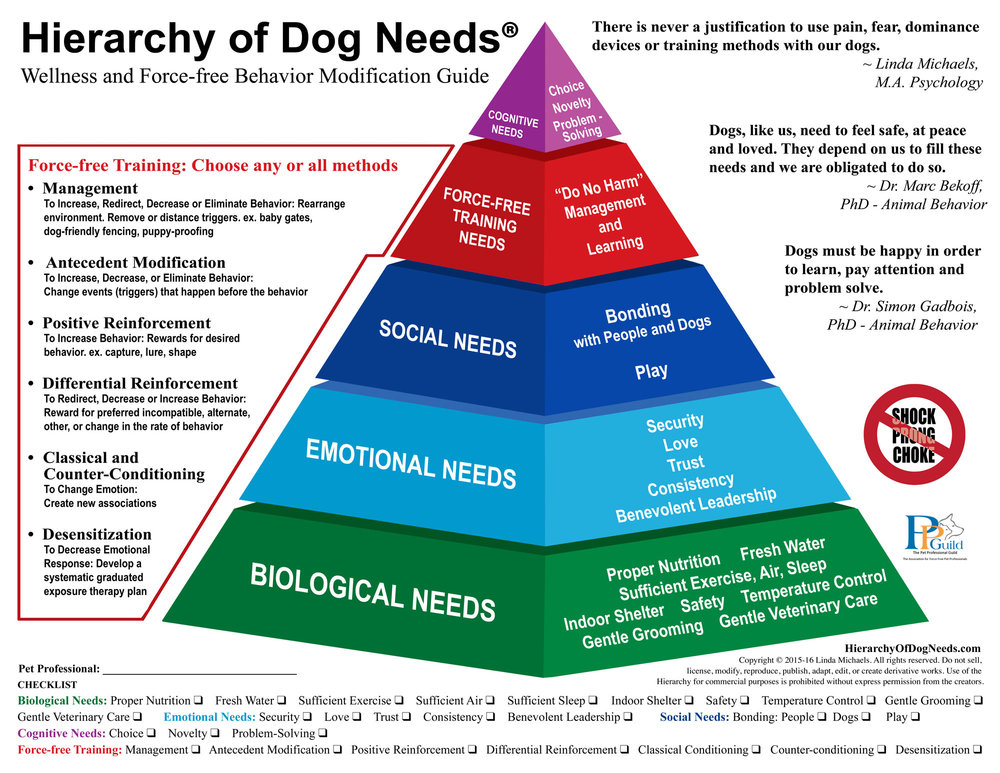
Dogs may show behavior changes for many reasons. Owners can help stop bad habits early. Care and attention keep dogs happy and healthy.
Using simple methods can prevent negative behavior. These methods build trust and good habits in dogs.
Consistent Routine
Dogs feel safe when their daily schedule stays the same. Feeding, walking, and playtime should happen at regular times.
Changing routines often can confuse dogs. This can lead to anxiety and bad behavior.
Regular Exercise
Exercise helps dogs use energy in a good way. It reduces stress and stops boredom.
Daily walks or play sessions keep dogs calm and happy. Lack of exercise can cause restlessness and aggression.
Positive Reinforcement
Reward good behavior with praise or treats. This teaches dogs what you want them to do.
Avoid punishment. It can cause fear and worsen behavior problems.
- Give treats when the dog listens
- Use kind words and petting
- Be patient and consistent
Socialization Techniques
Expose dogs to different people, animals, and places slowly. This helps them feel comfortable in new situations.
Social dogs are less likely to develop fear or aggression. Start socializing puppies early for best results.
- Introduce new sights and sounds gently
- Arrange safe meetings with other dogs
- Encourage calm and friendly behavior
Credit: cbtdogbehaviour.com
Frequently Asked Questions
What Causes Sudden Behavior Changes In Dogs?
Sudden behavior changes in dogs often stem from illness, pain, or stress. Environmental shifts, anxiety, or aging also play roles. Identifying triggers early helps address issues promptly and improves your dog’s well-being.
How Can I Recognize Anxiety In My Dog?
Signs of dog anxiety include excessive barking, pacing, trembling, and destructive behavior. Avoidance, whining, and restlessness are also common. Recognizing these signs early allows timely intervention and better management.
When Should I Consult A Vet About Behavior Changes?
Consult a vet if behavior changes are sudden, severe, or persistent. Changes like aggression, withdrawal, or confusion may signal health issues. Early veterinary advice ensures proper diagnosis and treatment.
Can Training Fix My Dog’s Behavior Problems?
Training can improve many behavior issues by reinforcing good habits and reducing anxiety. Consistency, patience, and positive reinforcement are key. However, some problems may require professional help or medical attention.
Conclusion
Dogs show behavior changes for many reasons. These changes can signal health or emotional issues. Watching your dog’s habits helps you understand their needs. Early attention can prevent bigger problems later. Patience and care support your dog’s well-being. Every dog is unique and deserves kindness.
Stay observant and act with love. This helps your dog stay happy and healthy.

Emily Barker is the founder of ChillDogLife.com, a space dedicated to helping pup parents discover the best dog products, lifestyle tips, and cozy ideas for happier homes.
A lifelong dog lover, Emily combines her passion for pets with a knack for research to share trusted recommendations on everything from toys and furniture to health and everyday care.
Her goal is simple: to make life easier, stylish, and more joyful for dogs and the people who love them.




