Have you noticed your dog acting differently after spaying? It’s normal to wonder what changes to expect and how these might affect your daily life together.
Understanding how spaying can influence your dog’s behavior helps you prepare and respond in the best way. You’ll discover the common behavior changes after spaying and what they mean for your furry friend. Keep reading to learn how to support your dog through this important transition.
Credit: southeastoakvillevet.ca
Effects Of Spaying On Dog Behavior
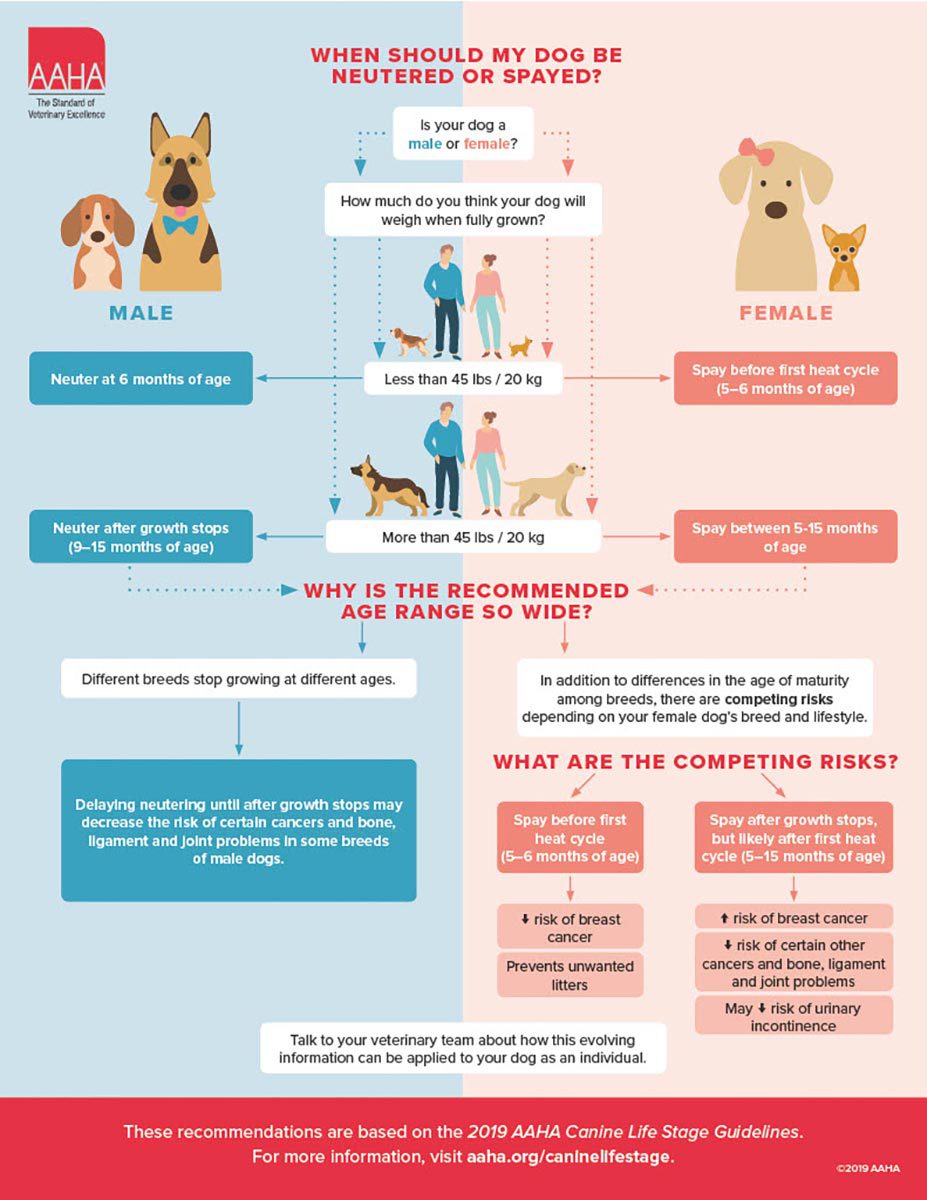
Spaying a dog can lead to changes in her behavior. These changes happen because spaying affects hormones in her body. It is important to understand these effects to care for your dog properly.
This article explains how spaying changes dog behavior. It also describes common shifts seen after the surgery.
Hormonal Changes And Their Impact
Spaying removes the ovaries, which stop producing key hormones like estrogen and progesterone. These hormones control many behaviors in female dogs.
Without these hormones, dogs may act differently. For example, they often have less desire to roam or find mates. This can make them calmer and less anxious.
- Lower estrogen reduces heat cycles
- Less progesterone can affect mood
- Decrease in hormones lowers roaming instincts
- Changes in hormone levels can affect energy
Common Behavioral Shifts
After spaying, many dogs show clear behavior changes. Some become calmer and less aggressive. Others may gain weight if activity drops.
Some common shifts include less marking, reduced mounting, and fewer mood swings. Each dog reacts differently, but many owners see a positive change.
- Decrease in urine marking
- Less mounting behavior
- Reduced aggression in some dogs
- Possible weight gain due to lower activity
- Improved focus and calmness
Activity Level Adjustments
Spaying can change a dog's behavior, especially their activity level. Owners often see shifts in energy and exercise needs after surgery.
Understanding these changes helps keep your dog healthy and happy during recovery and beyond.
Energy Fluctuations Post-surgery
After spaying, dogs may feel tired or less active for days or weeks. This drop in energy is normal as their body heals.
Some dogs rest more than usual, while others bounce back quickly. Pay attention to your dog’s usual energy and watch for signs of pain or discomfort.
- Rest is important to help healing
- Energy levels may slowly return to normal
- Watch for unusual lethargy and consult a vet if needed
Exercise Needs After Spaying
Dogs need less intense exercise right after surgery. Gentle walks and light play are best during early recovery.
As your dog heals, you can gradually increase activity. Avoid jumping or running until the vet says it is safe.
- Start with short, slow walks
- Limit jumping and rough play
- Increase exercise gradually over weeks
- Follow your vet’s advice closely
Changes In Aggression And Temperament
Spaying a dog can cause changes in her behavior. Many pet owners notice shifts in aggression and temperament after the surgery.
These changes happen because spaying affects hormones that influence mood and actions. Understanding these effects helps owners manage their dogs better.
Reduction In Aggressive Tendencies
Spaying often lowers a dog's aggressive behavior. Hormones like estrogen and progesterone that affect aggression decrease after spaying.
Many dogs become less territorial and less likely to fight with other dogs. This change can make social situations easier for them.
- Less growling or snapping at other dogs
- Reduced guarding of food or toys
- Calmer response to strangers
Calming Effects Observed
Spaying can lead to a calmer temperament. Dogs often show less restlessness and anxiety after the procedure.
This calmer mood makes training easier and improves the dog’s overall behavior at home. Owners may see a more relaxed pet.
- Less barking and whining
- Improved focus during walks and play
- More restful sleep and less pacing

Credit: www.reddit.com
Appetite And Weight Management
Spaying can change a dog’s behavior, especially how they eat. Many dogs feel hungrier after surgery.
Managing appetite and weight is key to keeping your dog healthy after spaying.
Increased Hunger Signals
After spaying, dogs may show stronger hunger signs. Hormone changes can cause this. They might beg more or seem restless.
- Watch for more frequent begging
- Notice if your dog seems restless near food
- Keep track of how often your dog asks for treats
- Observe changes in eating speed or food interest
Preventing Post-spay Weight Gain
Weight gain is common after spaying due to lower energy needs. Adjusting diet and exercise helps control weight.
| Action | Recommendation |
| Food Amount | Reduce by 10-20% after surgery |
| Exercise | Increase daily walks and playtime |
| Treats | Limit treats and choose low-calorie options |
| Monitor Weight | Weigh dog weekly to track changes |
Training And Behavioral Tips
Spaying can change your dog’s behavior. Training helps your dog adjust well.
Understanding new needs after spaying makes training easier and more effective.
Adapting Training Techniques
Your dog might feel tired or less active after spaying. Adjust training sessions to be shorter and gentler.
- Use positive rewards like treats and praise to encourage good behavior.
- Keep training sessions brief, around 5 to 10 minutes.
- Focus on low-impact exercises to protect healing areas.
- Be patient if your dog seems less interested or slower to learn.
Managing Anxiety And Fear
Spaying can cause anxiety or fear in some dogs. Watch for signs like hiding or trembling.
| Sign of Anxiety | How to Help |
| Hiding or avoiding people | Give space and gentle encouragement to come out |
| Trembling or shaking | Provide a warm, quiet place to relax |
| Excessive barking or whining | Use calm voices and comforting touch |
When To Consult A Veterinarian
Spaying is a common procedure for dogs. It helps prevent unwanted litters and can improve health. After spaying, it’s important to watch for behavior changes.
Sometimes, changes are normal. But some may need a vet’s help. Knowing when to consult a veterinarian can keep your dog healthy.
Recognizing Unusual Behavior
Unusual behavior can include aggression or fear. Your dog may also refuse to eat or become lethargic. These changes are not typical after spaying.
If your dog shows these signs, a vet visit is wise. Early intervention can prevent bigger issues.
- Aggression towards people or other animals
- Sudden fearfulness or hiding
- Loss of appetite
- Excessive sleeping or tiredness
Addressing Post-spay Complications
Complications can happen after surgery. Watch for signs of infection. This includes swelling, redness, or discharge at the incision site.
If your dog has a fever or starts vomiting, call the vet. These signs need immediate attention.
| Complication | Action |
| Swelling or redness | Consult your vet |
| Fever | Seek immediate help |
| Vomiting | Visit the vet |
Credit: www.dwdogtraining.com
Frequently Asked Questions
How Does Spaying Affect My Dog’s Behavior?
Spaying can reduce aggressive and territorial behaviors in dogs. It often calms hyperactivity and decreases roaming tendencies, promoting a more relaxed pet.
Will My Dog Become Less Active After Spaying?
Many dogs show a slight drop in activity after spaying. However, regular exercise and play can maintain a healthy energy level and weight.
Can Spaying Change My Dog’s Mood Or Temperament?
Spaying may lead to a calmer and more affectionate dog. Hormonal changes reduce mood swings, making your dog more stable and easier to manage.
When Will Behavior Changes Appear After Spaying?
Behavioral changes usually begin within weeks post-surgery. Full adjustment can take a few months as hormone levels stabilize in your dog’s body.
Conclusion
Spaying can lead to changes in your dog’s behavior. Some dogs become calmer and less aggressive. Others might show less interest in marking or roaming. These changes often help dogs stay safer and healthier. Remember, every dog reacts differently after spaying.
Patience and love help your dog adjust well. Watch your dog closely and talk to your vet if needed. Understanding these changes makes caring for your dog easier and better.

Emily Barker is the founder of ChillDogLife.com, a space dedicated to helping pup parents discover the best dog products, lifestyle tips, and cozy ideas for happier homes.
A lifelong dog lover, Emily combines her passion for pets with a knack for research to share trusted recommendations on everything from toys and furniture to health and everyday care.
Her goal is simple: to make life easier, stylish, and more joyful for dogs and the people who love them.




