
If your dog struggles with separation anxiety, crate training might feel like a challenge. You want to help your furry friend feel safe and calm when you’re not around, but where do you start?
The good news is, with the right steps, you can turn the crate into a comforting space your dog loves. This guide will walk you through simple, effective ways to crate train your dog while easing their anxiety. Keep reading to discover how to make this process smooth and stress-free for both you and your pet.
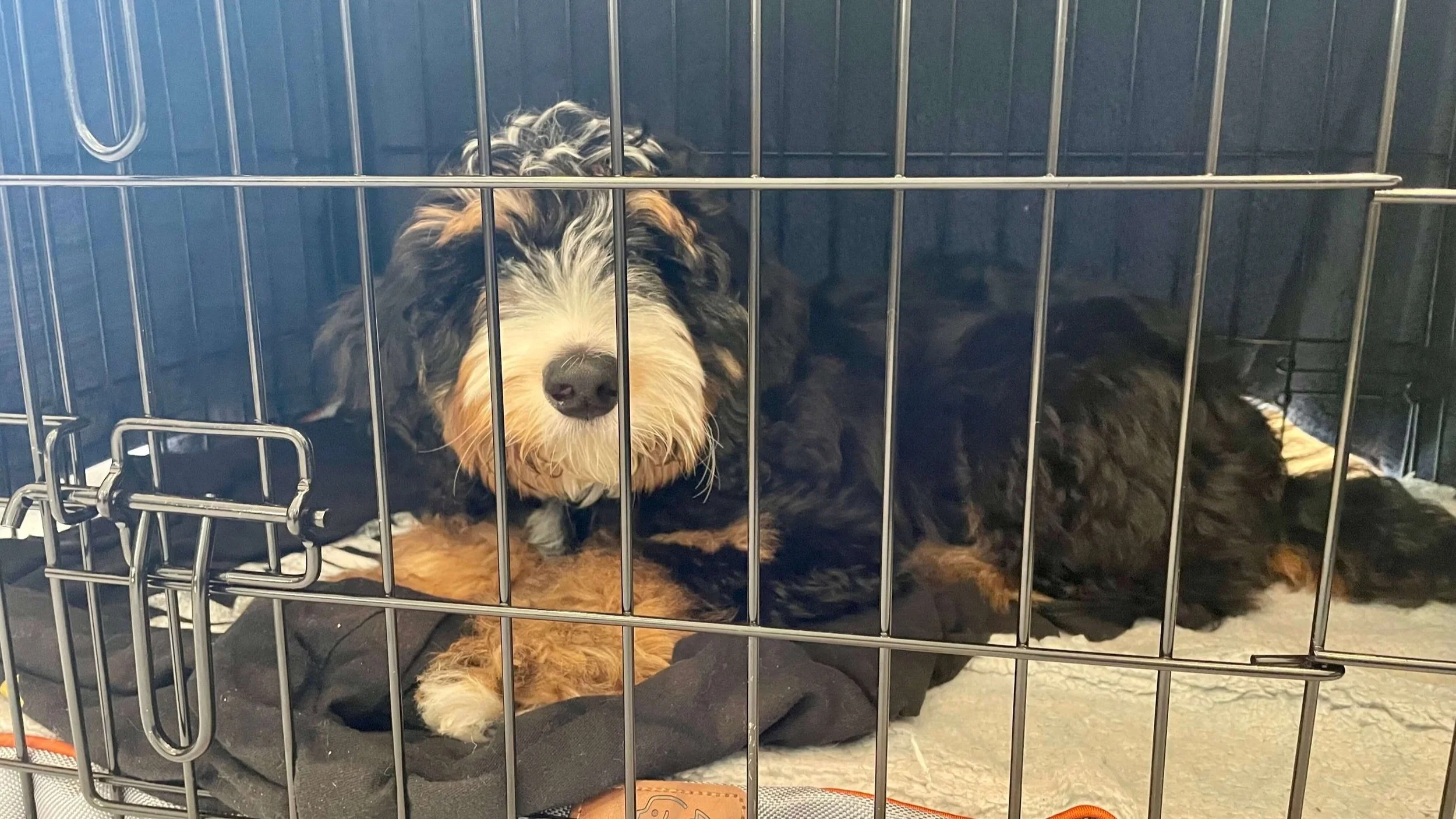
Credit: www.dogsavvylosangeles.com
Recognizing Separation Anxiety
Recognizing separation anxiety in dogs is the first step to helping them feel secure. Dogs with separation anxiety struggle when left alone. They show clear signs of stress and fear. Understanding these signs helps you provide the right care and support.
Common Signs In Dogs
- Excessive barking or howling when alone
- Destructive chewing of furniture or belongings
- Repeated attempts to escape from confined spaces
- Drooling or pacing nervously
- Loss of appetite during owner absence
- Urinating or defecating indoors despite training
Behavior Patterns To Watch
- Restlessness before departure cues like picking up keys
- Clinginess and following the owner closely
- Sudden changes in behavior or mood
- Destruction mainly occurs only when left alone
- Signs worsen over time if untreated
Benefits Of Crate Training
Crate training offers many benefits for dogs with separation anxiety. It creates a controlled environment that helps dogs feel secure. This method also encourages positive habits and reduces stress during alone time. Dogs learn to see their crate as a safe retreat rather than a punishment.
Creating A Safe Space
A crate acts as a personal den for the dog. It provides a quiet, cozy place away from noise and distractions. This safe spot helps dogs relax and feel protected. Familiar bedding or toys inside the crate add comfort. Dogs with separation anxiety often respond well to this small, enclosed area.
Reducing Anxiety Through Routine
Crate training introduces a consistent daily routine. Dogs thrive on predictability and clear schedules. Going into the crate at set times lowers stress and builds trust. Regular crate use helps dogs understand when it is safe to rest and when their owner will return. This steady routine calms anxious dogs over time.
Choosing The Right Crate
Choosing the right crate is a key step in helping a dog with separation anxiety. The crate should feel like a safe space, not a punishment. It must fit the dog well and offer comfort to reduce stress. The wrong crate can increase anxiety and resistance to training. Careful selection helps the dog relax and accept the crate.
Size And Comfort Considerations
The crate must be big enough for the dog to stand, turn, and lie down. Too small feels cramped and causes discomfort. Too large may feel unsafe, allowing the dog to use one side as a bathroom. Soft bedding inside the crate helps create a cozy spot. Use washable materials for easy cleaning. Place the crate in a quiet, safe area of your home.
Types Of Crates
Crates come in various materials and designs. Each suits different dogs and training needs.
- Wire Crates:Provide good ventilation and visibility. Dogs can see outside, which can reduce anxiety for some.
- Plastic Crates:Offer more privacy and a den-like feel. Good for dogs that need a calm space.
- Soft-Sided Crates:Lightweight and portable. Best for calm dogs and short-term use.
Choose a crate type that matches your dog’s personality and anxiety level. The goal is comfort and security to support positive crate training.
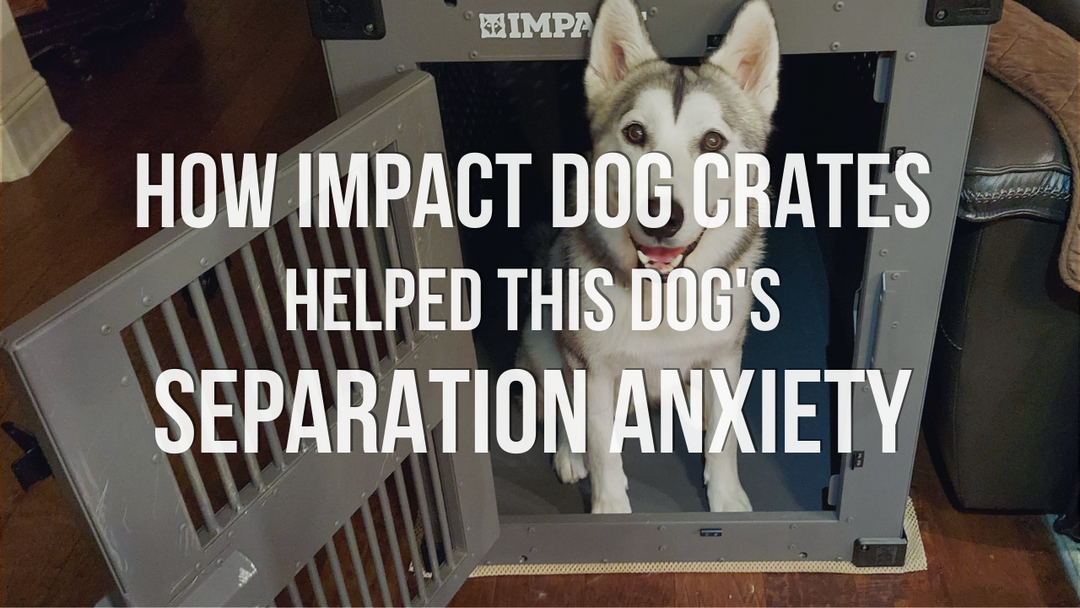
Credit: www.impactdogcrates.com
Introducing The Crate Gradually
Introducing the crate gradually is a key step in helping your dog with separation anxiety feel safe and comfortable. Sudden changes can increase their stress, so patience is essential. Your goal is to make the crate a place your dog wants to be, not a punishment or confinement.
Positive Associations
Start by making the crate inviting. Place soft bedding inside and add some of your dog’s favorite toys. You can even feed meals near or inside the crate to build a positive connection.
Try tossing treats into the crate and praising your dog when they go inside voluntarily. This encourages curiosity instead of fear. Ask yourself: what makes your dog feel calm and happy? Use those elements around the crate.
Short Sessions And Rewards
Begin with very short crate sessions—just a few minutes at first. Stay close and speak softly to reassure your dog. Slowly increase the time as your dog relaxes, always ending on a positive note.
Give treats, praise, or a favorite toy immediately after each crate session. This rewards calm behavior and helps your dog associate being inside the crate with good things. How can you keep each experience stress-free and rewarding?
Building Crate Tolerance
Building crate tolerance is a crucial part of helping your dog with separation anxiety feel safe and comfortable. It’s not about forcing your dog into the crate but gently encouraging them to see it as a positive space. Patience and consistency are your best tools here.
Increasing Crate Time Slowly
Start by having your dog spend just a few minutes in the crate while you’re nearby. Gradually add more time as they get used to it, watching their body language closely. If your dog starts showing stress signs, like whining or scratching, take a step back and slow down the process.
Try short absences at first, like stepping out of the room for a minute. Then increase that to five, ten, or fifteen minutes. This slow buildup helps your dog understand that the crate is safe, even when you’re not right there.
Using Toys And Treats
Make the crate a fun place by adding your dog’s favorite toys and tasty treats. Puzzle toys stuffed with peanut butter or special chews can keep them busy and distracted. This creates a positive association, making the crate a place your dog looks forward to.
You can also toss a treat inside before closing the door, so your dog learns that good things happen in the crate. Have you noticed how your dog’s eyes light up when they get a surprise snack? Use that excitement to your advantage!
Handling Departures And Returns
Handling departures and returns is one of the most challenging parts of crate training a dog with separation anxiety. How you leave and come back can either increase your dog’s stress or help them feel more secure. Paying attention to these moments can make a big difference in their comfort and progress.
Calm Exits
Your dog notices everything about your departure. If you rush or act anxious, they’ll pick up on that energy and feel more unsettled. Instead, keep your exits calm and simple.
- Grab your keys and coat without making eye contact or talking to your dog.
- Try to avoid long goodbyes that might raise their anxiety.
- Leave a favorite toy or a treat in the crate to help distract them.
One time, I used to say “bye” repeatedly, which made my dog more nervous. Changing to a quiet, quick exit reduced her pacing and barking. What small change can you make today to keep your leaving low-key?
Low-key Greetings
Your return can either soothe your dog or spike their anxiety. Overly excited greetings often reinforce anxious behavior, making your dog more desperate for attention. Try to keep your arrivals calm and relaxed.
- Ignore your dog for the first few minutes after you come home.
- Let them settle down before giving any attention or affection.
- Use a gentle voice and slow movements when you finally greet them.
I once waited until my dog stopped jumping before I petted her, which helped reduce her anxious excitement over time. How might a calmer greeting change your dog’s reaction to your return?
Incorporating Exercise And Mental Stimulation
Exercise and mental stimulation help reduce a dog’s anxiety. They tire the dog physically and mentally. A tired dog feels calmer and more relaxed in the crate. This creates positive feelings about the crate. It also helps build trust and comfort during alone time.
Pre-crate Physical Activity
Before placing your dog in the crate, take time for physical activity. A walk or play session uses up excess energy. This makes it easier for the dog to settle down. Try simple activities like fetch, tug-of-war, or running in the yard. Keep sessions short but active to avoid overstimulation.
Interactive Toys Inside The Crate
Interactive toys keep your dog’s mind busy while in the crate. Toys like treat puzzles or chew toys provide mental challenges. They encourage problem-solving and keep the dog calm. Rotate toys regularly to keep interest high. Avoid toys that can be swallowed or are too noisy.
When To Seek Professional Help
Knowing when to ask for professional help is crucial if your dog’s separation anxiety worsens despite your best efforts. Crate training can be a great tool, but sometimes the anxiety runs deeper than what simple techniques can fix. Recognizing the signs that your dog needs expert support can save both of you from prolonged stress and frustration.
Signs Of Severe Anxiety
Severe anxiety often shows through intense and persistent behaviors that don’t improve over time. If your dog:
- Excessively barks, howls, or whines for hours when left alone
- Destroys the crate or surroundings to escape
- Has physical symptoms like drooling, shaking, or pacing nonstop
- Shows signs of depression such as loss of appetite or lethargy
- Displays self-harm behaviors like chewing on paws or skin
These signs suggest that your dog’s anxiety is beyond what crate training alone can manage. You might wonder if you’re missing something—this is the moment to reach out for professional support.
Options For Behavior Therapy
Behavior therapy offers targeted strategies to address separation anxiety with expert guidance. A certified animal behaviorist or veterinary behaviorist can:
- Design a customized behavior modification plan tailored to your dog’s needs
- Use techniques like desensitization and counter-conditioning to reduce fear triggers
- Recommend medications if anxiety is severe and interferes with daily life
- Coach you on how to maintain consistency and progress safely
Therapists often combine training with professional advice to help your dog feel secure, not just confined. Have you noticed if your current methods seem to stall? This might be a sign that professional therapy could unlock new progress.

Credit: cincinnatianimalcare.org
Frequently Asked Questions
How Can Crate Training Help With Separation Anxiety?
Crate training provides a safe space for dogs, reducing anxiety. It mimics a den-like environment, offering security. Gradual introductions to the crate help dogs associate it with comfort. This method fosters independence, making separations less stressful. Consistency and positive reinforcement are key to success.
What Size Crate Is Best For Anxious Dogs?
The crate should be large enough for your dog to stand, turn, and lie down comfortably. Too much space can increase anxiety, while a snug fit provides security. Measure your dog’s length and height to choose the appropriate size. A properly sized crate feels like a cozy den.
How Long Does Crate Training Take For Anxiety?
Crate training duration varies, typically taking weeks to months. Consistency and patience are crucial. Start with short intervals, gradually increasing time spent in the crate. Each dog is unique; progress depends on individual comfort levels. Positive reinforcement and encouragement speed up the process.
Can Crate Training Worsen Separation Anxiety?
If done incorrectly, crate training can worsen anxiety. Avoid using the crate as punishment. Introduce the crate gradually, ensuring it’s a positive experience. Use treats and toys to create a welcoming environment. Consistent routines and patience help prevent negative associations.
Conclusion
Crate training helps dogs feel safe and calm alone. Take small steps and be patient every day. Praise your dog often to build trust and comfort. Avoid rushing the process; each dog learns differently. Keep the crate a positive space with toys and treats.
With time, your dog will handle separation better. Stay consistent and gentle to see real progress. This method supports your dog’s well-being and your peace of mind. You both deserve a happy, calm home. Keep trying—you can help your dog feel secure.

Emily Barker is the founder of ChillDogLife.com, a space dedicated to helping pup parents discover the best dog products, lifestyle tips, and cozy ideas for happier homes.
A lifelong dog lover, Emily combines her passion for pets with a knack for research to share trusted recommendations on everything from toys and furniture to health and everyday care.
Her goal is simple: to make life easier, stylish, and more joyful for dogs and the people who love them.




