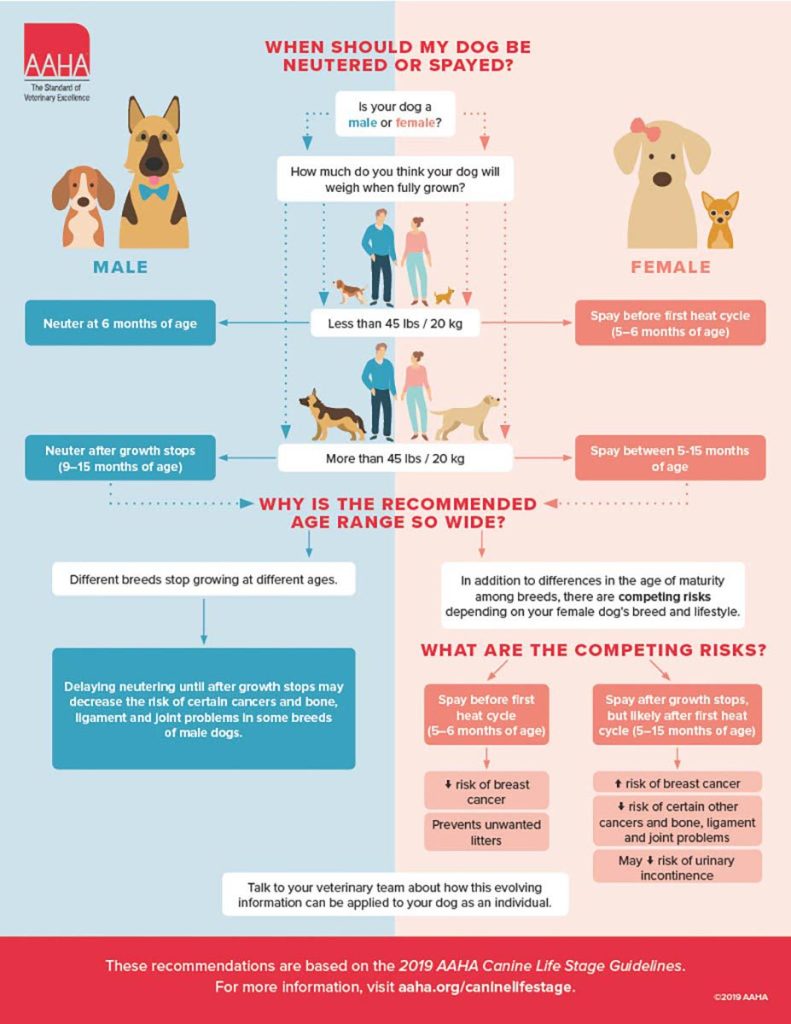
Is your spayed dog showing signs of being in heat? You might be confused or even worried because spayed dogs usually don’t go into heat.
But sometimes, your furry friend can still act like she’s in heat, and it can be frustrating to know how to handle it. You’re not alone, and there are ways to understand and treat this behavior. You’ll learn why this happens and what you can do to help your dog feel more comfortable.
Keep reading to discover simple, effective tips that will make a big difference for both you and your pet.
Credit: southeastoakvillevet.ca
Causes Of Heat-like Behavior In Spayed Dogs
Spayed dogs sometimes act like they are in heat. This behavior can confuse pet owners. Understanding the causes helps in managing these changes.
Heat-like signs can include restlessness, licking, or showing affection more than usual. These behaviors do not always mean the dog is still able to reproduce.
Hormonal Fluctuations After Spaying
Spaying changes hormone levels in a dog’s body. Sometimes, the body takes time to adjust to these changes. This can cause temporary behaviors like those seen in heat.
Hormones such as estrogen and progesterone drop after spaying. Fluctuations in these hormones may cause mood swings and physical signs that look like heat.
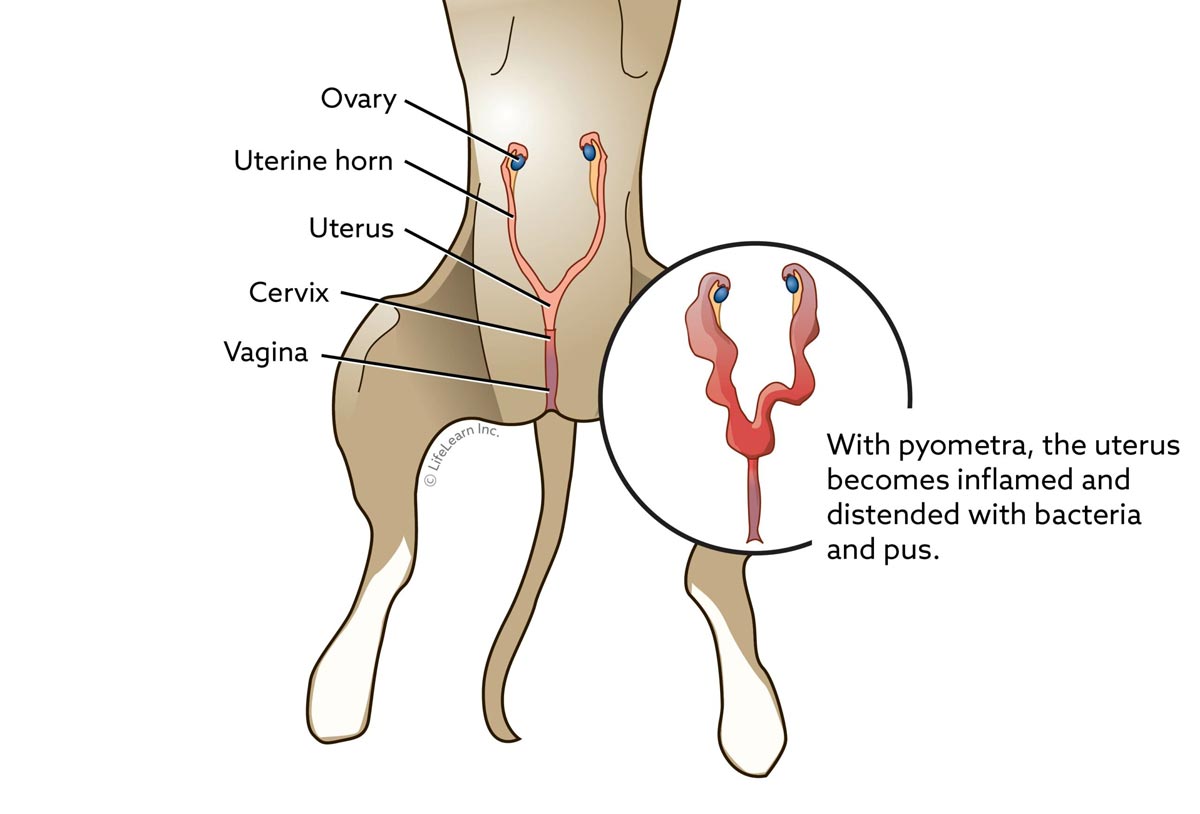
Ovarian Remnant Syndrome
Ovarian Remnant Syndrome happens when some ovarian tissue is left after spaying. This leftover tissue still produces hormones. It can cause heat-like symptoms in a spayed dog.
Signs include swelling of the vulva, bleeding, and changes in behavior. A vet can check for this condition with tests and exams.
- Swollen vulva
- Spotting or bleeding
- Increased urination
- Behavioral changes like being restless or affectionate
Behavioral Triggers
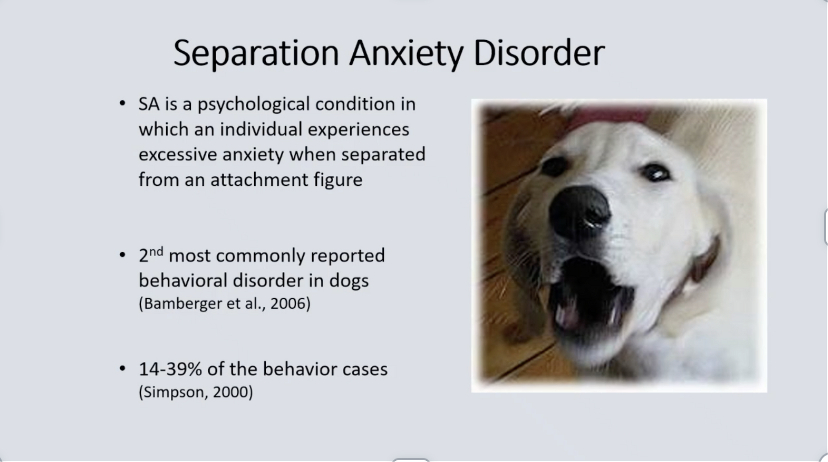
Some spayed dogs show heat-like behavior due to outside triggers. These include seeing or smelling other dogs in heat. Stress or changes in the home can also affect behavior.
Behavioral triggers do not involve hormones. Dogs may act differently to get attention or because they feel anxious or excited.
- Seeing or smelling dogs in heat nearby
- Stress from changes at home
- Seeking attention from owners
- Excitement or anxiety
Credit: www.veterinarypracticenews.com
Identifying Heat Behavior Symptoms
Spayed dogs sometimes show heat-like behavior. Understanding these symptoms helps manage their needs. While spaying reduces heat signs, some behaviors may still appear.
Owners should be aware of physical and behavioral symptoms. Knowing when to consult a vet is important for your pet’s health.
Physical Signs To Watch For
Spayed dogs may show physical signs similar to heat. These signs can vary among dogs.
- Swelling in the genital area
- Discharge from the vulva
- Increased urination frequency
Behavioral Changes
Behavioral changes can also occur in spayed dogs. These changes might confuse pet owners.
- Increased attention-seeking behavior
- Mounting or humping objects or people
- Restlessness or pacing
When To Consult A Vet
Some heat-like symptoms need a vet’s attention. Understanding when to seek help is crucial.
- Persistent or unusual discharge
- Excessive swelling or pain in the genital area
- Significant behavioral changes
Consulting a vet ensures your dog receives proper care. They can rule out other health issues.
Home Remedies And Behavioral Adjustments
Spayed dogs can still show behaviors like being in heat. These behaviors may cause stress for both the dog and owner.
Using home remedies and changing daily habits can help calm your dog. These methods support your pet’s comfort without medicine.
Calming Techniques
Calming your dog helps reduce anxiety and restlessness. Gentle petting and soft talking are good ways to soothe her.
- Use a calm voice and slow movements
- Offer a favorite toy or blanket
- Try a snug-fitting anxiety wrap or vest
- Play soft, relaxing music
- Provide a quiet, safe space for rest
Environmental Enrichment
Changing your dog’s environment can keep her mind busy. New smells and toys help lower unwanted behaviors.
Try these enrichment ideas at home:
- Hide treats in different spots for sniffing games
- Rotate toys to keep her interested
- Create a digging box with safe soil or sand
- Use puzzle feeders to challenge her mind
Diet And Exercise Impact
A balanced diet and regular exercise can improve your dog’s mood. Healthy habits reduce stress and boost energy.
| Factor | Effect | Tip |
| Diet | Supports calmness and health | Feed high-quality food and avoid treats high in sugar |
| Exercise | Burns energy and lowers anxiety | Take daily walks and play fetch |
| Water | Keeps your dog hydrated and alert | Provide fresh water all day |
Credit: pethelpful.com
Medical Treatments And Interventions
Spayed dogs can sometimes show signs of heat due to hormonal changes. Treating this condition needs careful medical attention. Various treatments help manage these behaviors effectively.
Veterinarians use different approaches to reduce symptoms and improve your dog’s comfort. Treatments include hormonal therapy, surgery, and medication.
Hormonal Therapy Options
Hormonal therapy aims to balance hormones that cause heat-like behavior in spayed dogs. It often involves drugs that control estrogen or progesterone levels.
These treatments reduce signs like swelling, bleeding, or mood changes. Hormonal therapy helps manage symptoms without surgery.
- Estrogen blockers to lower heat symptoms
- Progestins to mimic pregnancy hormones
- GnRH agonists to regulate hormone release
Surgical Solutions
Surgery can fix hormone problems that cause heat behavior after spaying. Sometimes, leftover ovarian tissue causes symptoms.
Removing this tissue stops hormone production and heat signs. Surgery is a clear solution when medical treatments fail.
- Exploratory surgery to find leftover ovarian tissue
- Removal of ovarian remnants to stop heat signs
- Careful follow-up to ensure full recovery
Medication Side Effects
Medications for heat behavior can cause side effects. Some dogs may feel tired or have changes in appetite.
Other side effects include vomiting, weight gain, or mood swings. Watch your dog closely during treatment and consult your vet.
- Fatigue and low energy
- Increased or decreased appetite
- Vomiting or diarrhea
- Weight changes
- Behavioral changes like irritability
Preventing Future Heat-like Episodes
Spayed dogs sometimes show heat-like signs even after surgery. Preventing these episodes helps keep your dog calm and healthy. Understanding causes and care is key to avoiding problems.
This guide covers how proper spaying, vet visits, and early checks reduce heat-like behaviors in spayed dogs.
Proper Spaying Procedures
Correct spaying removes all hormone-producing tissues. This stops heat cycles completely. Incomplete removal can cause false heat signs.
- Choose an experienced veterinarian for surgery.
- Ensure the ovary and uterus are fully removed.
- Discuss surgical methods and risks before the procedure.
- Watch for signs of incomplete spaying after surgery.
Regular Vet Checkups
Frequent vet visits help spot problems early. Your vet can check hormone levels and tissue regrowth. This prevents unwanted heat-like behavior.
| Checkup Type | Purpose |
| Physical Exam | Detect lumps or swelling |
| Ultrasound | View any remaining ovarian tissue |
| Hormone Tests | Measure estrogen and progesterone levels |
Monitoring And Early Detection
Watch your dog’s behavior and body changes closely. Early detection of heat signs can lead to quick treatment. This reduces stress for your dog.
- Swelling near the vulva
- Increased licking of the genital area
- Restlessness or mood changes
- Attraction to male dogs
Supporting Your Dog’s Emotional Well-being
Spayed dogs in heat can show unusual behaviors that affect their mood. Helping your dog stay calm and happy is very important.
Understanding your dog’s feelings will guide you to provide the right care and support during this time.
Reducing Stress And Anxiety
Stress and anxiety can make your dog uncomfortable. You can help by creating a peaceful space. Use soft bedding and keep the room quiet.
- Keep a consistent feeding schedule
- Offer calm and gentle petting
- Use calming scents like lavender, safe for dogs
- Play soft music to soothe nerves
- Avoid loud noises and sudden changes
Building Positive Routines
Routine helps your dog feel safe. Set regular times for walks, play, and rest. This predictability lowers anxiety.
| Activity | Suggested Time | Benefit |
| Morning Walk | 8:00 AM | Burns energy, improves mood |
| Meal Time | 12:00 PM and 6:00 PM | Provides structure and comfort |
| Quiet Time | 2:00 PM | Reduces stress and calms |
| Evening Play | 7:00 PM | Strengthens bond and relaxes |
Using Professional Training Help
Professional trainers can offer advice tailored to your dog’s needs. They teach positive ways to manage behavior changes.
Benefits of professional training:
- Expert guidance on behavior
- Safer handling techniques
- Improved communication between you and your dog
- Support for emotional health
Frequently Asked Questions
Why Does A Spayed Dog Show Heat Behaviors?
A spayed dog may show heat behaviors due to hormonal imbalances or ovarian remnant syndrome. This condition occurs when some ovarian tissue remains after surgery. It can cause symptoms similar to heat, such as swelling and bleeding. A vet can diagnose and treat this issue effectively.
How To Treat Heat Behaviors In Spayed Dogs?
Treatment depends on the cause. If ovarian remnant syndrome is diagnosed, surgery may be needed to remove remaining tissue. Hormonal therapy can also help regulate symptoms. Behavioral training and calming techniques can reduce heat-like behaviors. Always consult a vet for proper diagnosis and treatment.
Can Stress Cause Heat-like Behaviors In Spayed Dogs?
Yes, stress can trigger behaviors similar to heat in spayed dogs. Anxiety or environmental changes may cause restlessness, licking, or swelling. Managing stress with exercise, routine, and comfort can reduce symptoms. Behavioral support or vet advice may be necessary for severe cases.
Is It Normal For Spayed Dogs To Attract Male Dogs?
Spayed dogs usually do not attract males, but some may due to residual hormones. If a spayed dog behaves like she is in heat, males may show interest. This can be due to ovarian remnant syndrome or hormonal imbalance. Veterinary check-up is advised.
Conclusion
Spayed dogs showing heat behavior can confuse many owners. Knowing why it happens helps you stay calm and patient. Treating this behavior takes time and gentle care. Consistent routines and positive rewards work best. If needed, ask a vet for advice and support.
Your dog will feel better with love and understanding. Remember, patience and kindness bring the best results. Keep watching your dog closely and adjust as needed. This helps create a happy and peaceful home for both.

Emily Barker is the founder of ChillDogLife.com, a space dedicated to helping pup parents discover the best dog products, lifestyle tips, and cozy ideas for happier homes.
A lifelong dog lover, Emily combines her passion for pets with a knack for research to share trusted recommendations on everything from toys and furniture to health and everyday care.
Her goal is simple: to make life easier, stylish, and more joyful for dogs and the people who love them.




