
Have you ever wondered if neutering your dog will change how they act? It’s a common question many pet owners ask before making this important decision.
You want to know if your furry friend will become calmer, less aggressive, or maybe even more affectionate. Understanding how neutering affects your dog’s behavior can help you make the best choice for their health and happiness. Keep reading to discover the surprising truths about what really happens after neutering—and how it could impact your bond with your dog.
Credit: zigly.com
Behavior Changes After Neutering
Neutering a dog is a common procedure that affects more than just reproduction. It can lead to changes in how a dog behaves daily.
Understanding these changes helps owners manage their pets better after surgery.
Aggression Levels
Neutering often lowers aggressive behavior in dogs. This is because male hormones that cause aggression decrease after the surgery.
Dogs may become calmer and less likely to start fights with other animals or people.
Territorial Marking
One common behavior that changes after neutering is territorial marking. This means dogs spray urine to mark their space.
- Neutered dogs usually mark less often.
- They may stop marking inside the house.
- Marking outside may reduce but not stop completely.
Roaming Tendencies
Dogs that are not neutered often roam to find mates. Neutering can reduce this urge to wander.
| Behavior | Before Neutering | After Neutering |
| Roaming | High tendency | Reduced tendency |
| Searching for mates | Frequent | Rare |
| Returning home | Less reliable | More reliable |

Credit: www.adoptapet.com
Impact On Activity And Energy
Neutering a dog can change how active and energetic it feels. This change affects daily habits and behavior.
Understanding these changes helps owners care better for their pets after neutering.
Playfulness And Exercise
Neutered dogs may show less interest in rough play or chasing. Their drive to run and explore can reduce over time.
- Lower levels of testosterone reduce excitement and competitiveness.
- Dogs might prefer calmer activities like walking instead of running.
- Some dogs gain weight due to less activity, so exercise remains important.
Sleep Patterns
Neutering can make dogs sleep more deeply and for longer periods. They tend to rest calmly during the day.
| Behavior | Before Neutering | After Neutering |
| Activity Levels | High | Moderate to Low |
| Sleep Duration | Shorter, restless | Longer, deeper |
| Playfulness | Energetic | Calmer |
Effect On Social Interactions
Neutering a dog can change how it behaves around others. These changes affect its social skills and connections.
This section looks at how neutering influences a dog’s interaction with other dogs and humans.
Interaction With Other Dogs
Neutered dogs often show less aggression toward other dogs. They may be calmer and less likely to fight.
- Reduced marking and territorial behavior
- Lower chances of dominance struggles
- More relaxed in group play and social settings
- Less roaming to find mates, staying closer to home
Response To Humans
| Behavior | Before Neutering | After Neutering |
| Attention-seeking | Can be intense or demanding | Often more calm and patient |
| Aggression | May show protective or dominant behavior | Usually less aggressive and more tolerant |
| Playfulness | High energy and sometimes rough | Still playful but often gentler |
| Attachment | Can be independent or clingy | Often more balanced and affectionate |
Age And Timing Factors
Neutering can change a dog's behavior in different ways. The dog’s age and the time of neutering affect the results.
Understanding when to neuter helps owners expect the behavior changes better.
Neutering Puppies Vs Adults
Neutering puppies often leads to fewer behavior problems than neutering adults. Puppies are still learning and growing.
Adult dogs may keep some behaviors even after neutering. This is because habits are already formed.
- Puppies may show less aggression and marking after neutering.
- Adults might not stop some behaviors like roaming or mounting.
- Early neutering can reduce the chance of some unwanted behaviors.
Optimal Timing For Behavior Benefits
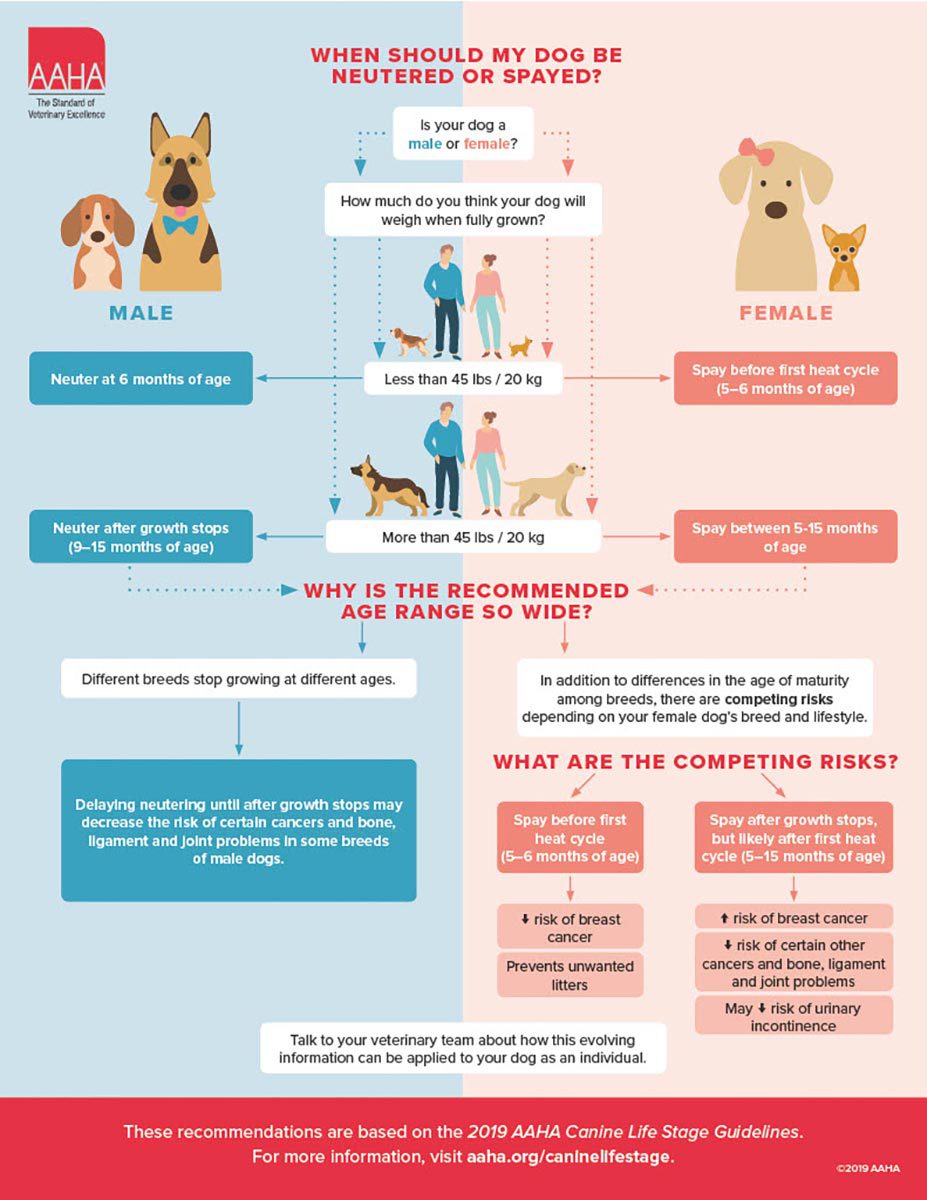
Choosing the right time to neuter affects behavior changes. Many vets suggest neutering before puberty.
Neutering too early or too late might not give the best behavior results. Timing is important for training and social skills.
- Neutering before six months often reduces aggressive and territorial behaviors.
- Waiting until after puberty might miss some behavior benefits.
- Discuss with a vet the best time based on the dog’s breed and size.
Medical And Behavioral Benefits
Neutering a dog can change its behavior in many ways. It also brings important health benefits. Understanding these effects helps owners make informed choices.
This article covers how neutering reduces risky behaviors and improves health, which affects how your dog acts.
Reducing Risky Behaviors
Neutering lowers behaviors that can cause harm to dogs or others. It helps reduce aggression and roaming habits.
- Less marking territory with urine
- Lower chance of fighting with other dogs
- Reduced urge to roam and escape
- Decreased mounting and dominance displays
- Improved focus on training and family
Health Improvements Influencing Behavior
Neutering protects dogs from certain diseases. A healthier dog often shows better behavior and less stress.
| Health Benefit | Effect on Behavior |
| Reduced risk of testicular cancer | Less pain and anxiety |
| Lower chance of prostate issues | More comfort and activity |
| Decreased hormone-driven behaviors | Calmer and less aggressive |
| Prevention of unwanted litters | Less stress from territorial fights |
Common Myths Vs Reality
Neutering dogs is a topic filled with myths and facts. Owners often worry about changes in their pet’s behavior. Let’s explore some common concerns.
Understanding these myths helps pet owners make informed decisions. It’s important to know what is true and what is not.
Weight Gain Concerns
Many believe neutering makes dogs gain weight. This is not entirely true.
- Neutering does not directly cause weight gain.
- Dogs may become less active, affecting weight.
- Proper diet and exercise keep weight in check.
Loss Of Personality
Owners often fear their dog’s personality will change. This is a common myth.
| Myth | Reality |
| Dogs become less playful | Playfulness usually remains the same |
| Dogs become depressed | Neutering does not cause depression |
Tips For Managing Behavior Post-neutering
Neutering can change a dog's behavior. Owners should know how to manage these changes.
Here are some tips to help your dog adjust after neutering. Stay patient and consistent.
Training Adjustments
Training might need some tweaks after your dog is neutered. Be ready to adapt.
- Increase positive reinforcement in your training sessions.
- Focus on calm behaviors and reward them frequently.
- Shorten training sessions to keep your dog’s interest.
Monitoring And Support
Monitoring your dog's behavior is key after neutering. Offer them the support they need.
- Observe any changes in energy levels and appetite.
- Consult with your vet if you notice unusual behavior.
- Keep a diary of behaviors to track improvements or concerns.
Credit: southeastoakvillevet.ca
Frequently Asked Questions
Does Neutering Calm Aggressive Dog Behavior?
Neutering can reduce aggression in some dogs by lowering testosterone levels. However, behavior depends on training and environment too.
Will Neutering Affect My Dog’s Energy Levels?
Neutering may slightly decrease energy, but most dogs remain active and playful after surgery.
Can Neutering Stop Male Dogs From Marking Territory?
Yes, neutering often reduces or stops urine marking behaviors linked to mating instincts.
How Soon After Neutering Will Behavior Change?
Behavioral changes can appear within weeks, but full effects may take a few months.
Conclusion
Neutering can bring changes to a dog’s behavior. It often reduces aggression and roaming. Some dogs become calmer and more focused. But each dog reacts in its own way. Training and care still matter a lot. Neutering is one step toward better behavior.
It helps with health and population control too. Think about your dog’s needs before deciding. Patience and love shape good habits best.

Emily Barker is the founder of ChillDogLife.com, a space dedicated to helping pup parents discover the best dog products, lifestyle tips, and cozy ideas for happier homes.
A lifelong dog lover, Emily combines her passion for pets with a knack for research to share trusted recommendations on everything from toys and furniture to health and everyday care.
Her goal is simple: to make life easier, stylish, and more joyful for dogs and the people who love them.




