Are you tired of cleaning up after your furry friend? Potty training a dog indoors can feel like a daunting task, but it doesn’t have to be.
Imagine a life where your home stays clean and fresh, and your pup knows exactly where to go. Sounds perfect, right? In this guide, we’ll walk you through simple, effective strategies to make indoor potty training a breeze. You’ll gain the confidence to train your dog efficiently and enjoy more quality time together without the stress of accidents.
Ready to transform your living space into a happy, mess-free zone? Keep reading to discover how to make it happen.
Choosing The Right Spot
Potty training a dog indoors needs a good place for them to go. Picking the right spot helps your dog learn quickly.
It also keeps your home clean and smells fresh. This guide shows how to find and keep the best spot for your dog.
Selecting An Indoor Potty Area
Choose a quiet and easy-to-clean area inside your home. Avoid spots near your dog’s food and sleeping places.
- Pick a spot with good ventilation
- Use a place with hard floors, not carpet
- Make sure it is easy for your dog to reach
- Keep the area away from heavy foot traffic
- Check for good lighting in the spot
Using Puppy Pads Or Indoor Grass
Puppy pads and indoor grass help your dog go potty in one place. They are easy to clean and change when needed.
| Type | Benefits | Cleaning |
| Puppy Pads | Absorbent and disposable | Throw away after use |
| Indoor Grass | Feels natural to dogs | Rinse and replace regularly |
Keeping The Spot Consistent
Always use the same spot for potty time. This helps your dog remember where to go and builds good habits.
- Bring your dog to the spot often
- Reward your dog for using the spot
- Clean the area regularly to avoid smells
- Avoid changing the spot unless needed
Establishing A Routine
Potty training a dog indoors needs a steady routine. Dogs learn better when they know what to expect.
Setting regular times for potty breaks helps your dog feel safe and confident. Consistency is key to success.
Setting Regular Potty Times
Take your dog to the potty spot at the same times every day. This helps their body get used to a schedule.
Good times include after waking up, after meals, and before bedtime. These are moments your dog likely needs to go.
- Morning after waking up
- After each meal
- Before bedtime
- Every two to three hours during the day
Monitoring Feeding And Drinking Schedules
Feed and give water to your dog at the same times daily. This controls when they will need to go potty.
A steady feeding schedule makes potty times more predictable. Avoid free feeding to keep control over their bathroom needs.
- Feed your dog twice or three times a day
- Give fresh water at set times
- Remove water before bedtime if needed
- Track eating and drinking to spot patterns
Recognizing Potty Signals
Watch your dog closely for signs they need to potty. Early recognition prevents accidents inside.
Common signals include sniffing, circling, whining, or heading to the door. Respond quickly when you see these signs.
- Sniffing the floor or corners
- Walking in circles
- Whining or barking
- Sudden restlessness or pacing
- Going to the door or your usual potty spot
Using Positive Reinforcement
Potty training a dog indoors can be easy with positive reinforcement. It helps your dog learn good habits quickly. Using kindness and rewards makes training fun for both of you.
This method focuses on praising your dog when they do the right thing. Avoiding punishment keeps your dog confident and eager to learn. Here are key tips on using positive reinforcement.
Rewarding Successful Potty Trips
When your dog goes potty in the right place, reward them right away. This helps your dog know what behavior you want. Rewards can be treats, toys, or extra playtime.
- Give a small treat immediately after pottying
- Use a happy voice to praise your dog
- Offer a favorite toy as a reward
- Keep rewards consistent every time
- Make potty trips part of your dog’s routine
Avoiding Punishment
Do not punish your dog for accidents. Punishment can cause fear and confusion. Instead, clean up accidents quietly and focus on rewarding good behavior. Your dog learns better with kindness.
| What to Avoid | Why |
| Yelling or scolding | Causes fear and stress |
| Physical punishment | Hurts trust and slows learning |
| Ignoring successes | Misses chances to encourage good habits |
Incorporating Praise And Treats
Praise and treats make potty training fun. Use a happy tone and gentle petting along with treats. This helps your dog feel loved and eager to repeat good behavior.
Try this simple routine:
- Watch for signs your dog needs to go.
- Take your dog to the potty spot.
- Wait patiently and praise often.
- Give a treat immediately after success.
- End with a cheerful “good dog” and petting.

Credit: www.poochpad.com
Managing Accidents Effectively
Accidents are normal when potty training a dog indoors. Handling them well helps your dog learn faster.
Stay consistent and patient to guide your dog toward good habits.
Cleaning Up Properly
Clean accidents quickly to remove all smells. Dogs return to places that still smell like urine.
Use pet-safe cleaners that break down urine and stop odors. Avoid ammonia-based cleaners that can attract dogs.
- Blot the area with paper towels or cloth
- Apply enzyme cleaner thoroughly
- Let the area dry completely
- Repeat cleaning if smell remains
Staying Calm And Patient
Accidents can be frustrating but stay calm. Dogs learn better with gentle guidance.
Use a soft voice and avoid punishment. Praise your dog for good behavior to encourage success.
- Ignore the accident calmly
- Redirect your dog to the potty area
- Give treats and praise when they go right
- Be consistent with training times
Preventing Repeat Accidents
Watch your dog closely to catch signs they need to potty. Act quickly to avoid accidents.
Keep a regular schedule for feeding and bathroom breaks to help your dog learn when to go.
- Take your dog out or to the potty spot often
- Use crate training to limit roaming indoors
- Reward your dog immediately after they potty correctly
- Track accidents to find patterns and adjust routines
Tools And Supplies To Help
Potty training a dog indoors needs the right tools. These supplies make training easier and cleaner.
Using proper equipment helps your dog learn quickly. It also keeps your home tidy during training.
Choosing The Right Training Pads
Training pads are useful for indoor potty training. They absorb urine and protect your floors.
- Pick pads with strong absorbency to avoid leaks.
- Choose pads with a non-slip bottom to keep them in place.
- Use scented pads to attract your dog to the right spot.
- Consider eco-friendly pads if you want a greener option.
Using Crates And Gates
Crates help teach dogs to hold their bladder. Gates keep them in safe training zones.
| Tool | Purpose | Tips |
| Crate | Provides a secure space | Choose size that fits your dog comfortably |
| Gates | Limit access to certain rooms | Use to block off areas without pads |
Tracking Progress With Journals Or Apps
Keep a record of your dog’s potty times. Journals and apps help spot patterns and improve training.
Use this simple tracking list:
- Time of potty
- Location used (pad, outside, crate)
- Accidents and notes

Credit: crossroadoc.org
Adjusting Training For Different Dogs
Potty training a dog indoors needs different approaches for each dog. Each dog learns in its own way and time.
Understanding your dog’s age, breed, and personality helps you train better. This guide covers key differences.
Training Puppies Versus Adult Dogs
Puppies have smaller bladders and need more frequent potty breaks. They learn quickly but need patience.
Adult dogs may already know some habits. They can learn new routines but might take longer to adjust.
- Puppies need breaks every 1-2 hours.
- Adults may hold longer but need consistency.
- Use positive rewards for both ages.
- Watch signs of needing to go out.
Addressing Breed-specific Needs
Different breeds have different energy levels and temperaments. This affects potty training pace and style.
Small breeds may have weaker bladders and need more breaks. Larger breeds may hold longer but need space.
- Small breeds: Frequent potty times and smaller indoor areas.
- Large breeds: More space for movement and longer breaks.
- Active breeds: Use play to encourage potty habits.
- Calmer breeds: Keep training calm and steady.
Handling Shy Or Anxious Dogs
Shy or anxious dogs may fear new places or people. This can slow potty training progress.
Use gentle encouragement and avoid punishment. Create a safe, quiet potty area indoors for comfort.
- Give calm praise when they go potty.
- Use soft tones and slow movements.
- Stay patient and consistent with routines.
- Offer treats only after successful potty times.
Troubleshooting Common Challenges
Potty training a dog indoors can be tricky. Many pet owners face problems along the way.
Knowing how to handle these issues helps your dog learn faster and reduces stress.
Dealing With Resistance
Dogs may resist potty training for several reasons. Fear, confusion, or lack of motivation are common causes.
- Use positive reinforcement to encourage your dog.
- Keep training sessions short but consistent every day.
- Create a calm and quiet potty area indoors.
- Watch your dog’s signals and act quickly when they show signs.
Overcoming Frequent Accidents
Accidents happen often during indoor potty training. Patience and proper cleaning are important.
| Common Cause | Solution |
| Inconsistent schedule | Set fixed potty times daily |
| Dog not supervised | Watch your dog closely indoors |
| Wrong potty spot | Use the same place every time |
| Strong odor left behind | Use enzyme cleaner to remove smell |
Seeking Professional Help When Needed
If problems continue, a trainer or vet can offer advice. Some dogs need extra help.
Signs to get professional help:
- Dog shows fear or aggression during training
- Accidents happen many times a day
- Health issues may affect potty habits
- You feel unsure how to proceed

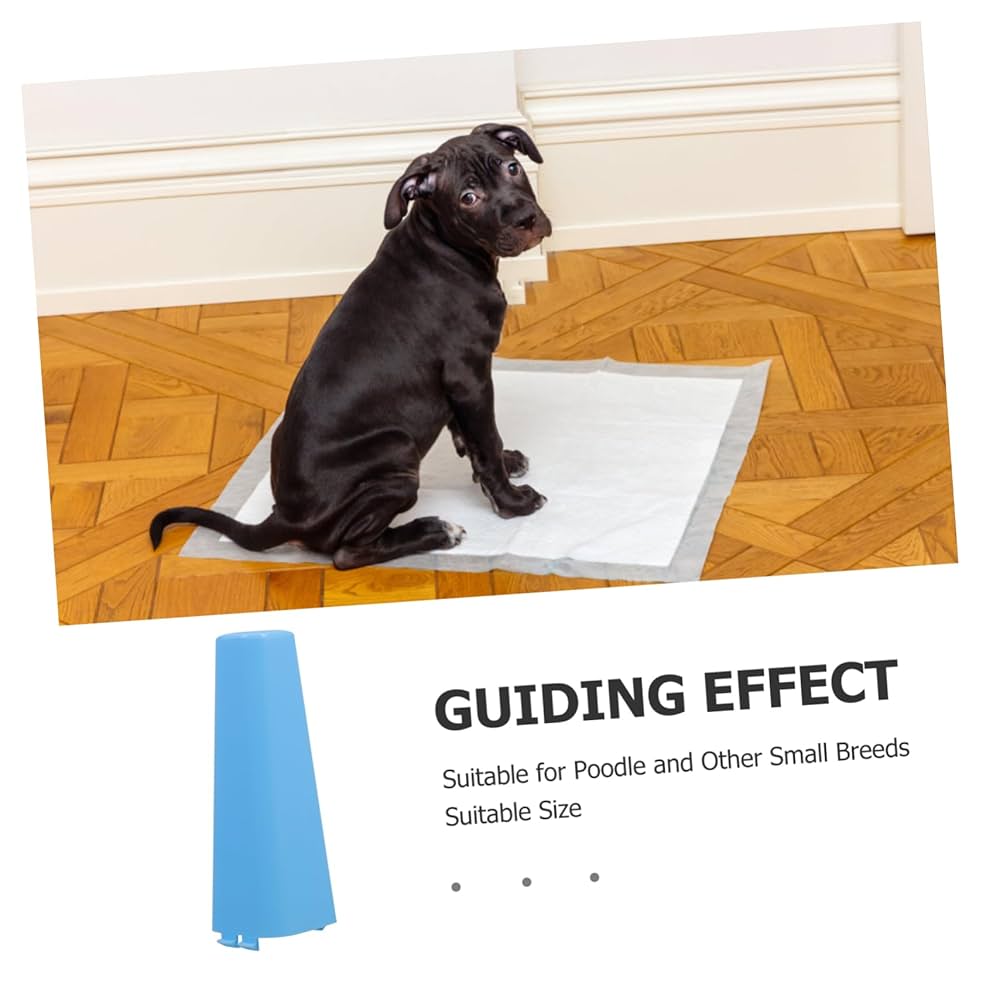
Credit: www.amazon.ca
Frequently Asked Questions
How Long Does Indoor Potty Training Take?
Indoor potty training usually takes 4 to 6 weeks. Consistency, patience, and positive reinforcement speed up the process. Puppies may learn faster, while older dogs might need extra time.
What Supplies Are Needed For Indoor Potty Training?
You’ll need puppy pads, a designated potty area, cleaning supplies, and treats. These tools help guide your dog and maintain cleanliness during training.
How Often Should I Take My Dog To Potty Indoors?
Take your dog to the potty area every 2 to 3 hours. Frequent trips prevent accidents and reinforce good habits, especially for puppies and new learners.
How To Handle Accidents During Indoor Training?
Clean accidents immediately with enzyme cleaners to remove odors. Avoid punishment; instead, calmly redirect your dog to the potty spot to encourage proper behavior.
Conclusion
Potty training a dog indoors takes patience and consistency. Keep a regular schedule for feeding and bathroom breaks. Praise your dog for good behavior each time. Use a designated spot to help your dog learn faster. Accidents will happen; stay calm and clean thoroughly.
With time, your dog will understand where to go. Enjoy the process and build a strong bond. Indoor potty training can work well with care and effort. Your dog will feel happy and comfortable in your home.

Emily Barker is the founder of ChillDogLife.com, a space dedicated to helping pup parents discover the best dog products, lifestyle tips, and cozy ideas for happier homes.
A lifelong dog lover, Emily combines her passion for pets with a knack for research to share trusted recommendations on everything from toys and furniture to health and everyday care.
Her goal is simple: to make life easier, stylish, and more joyful for dogs and the people who love them.




